




View all news


AlumaMark
From: 64 €
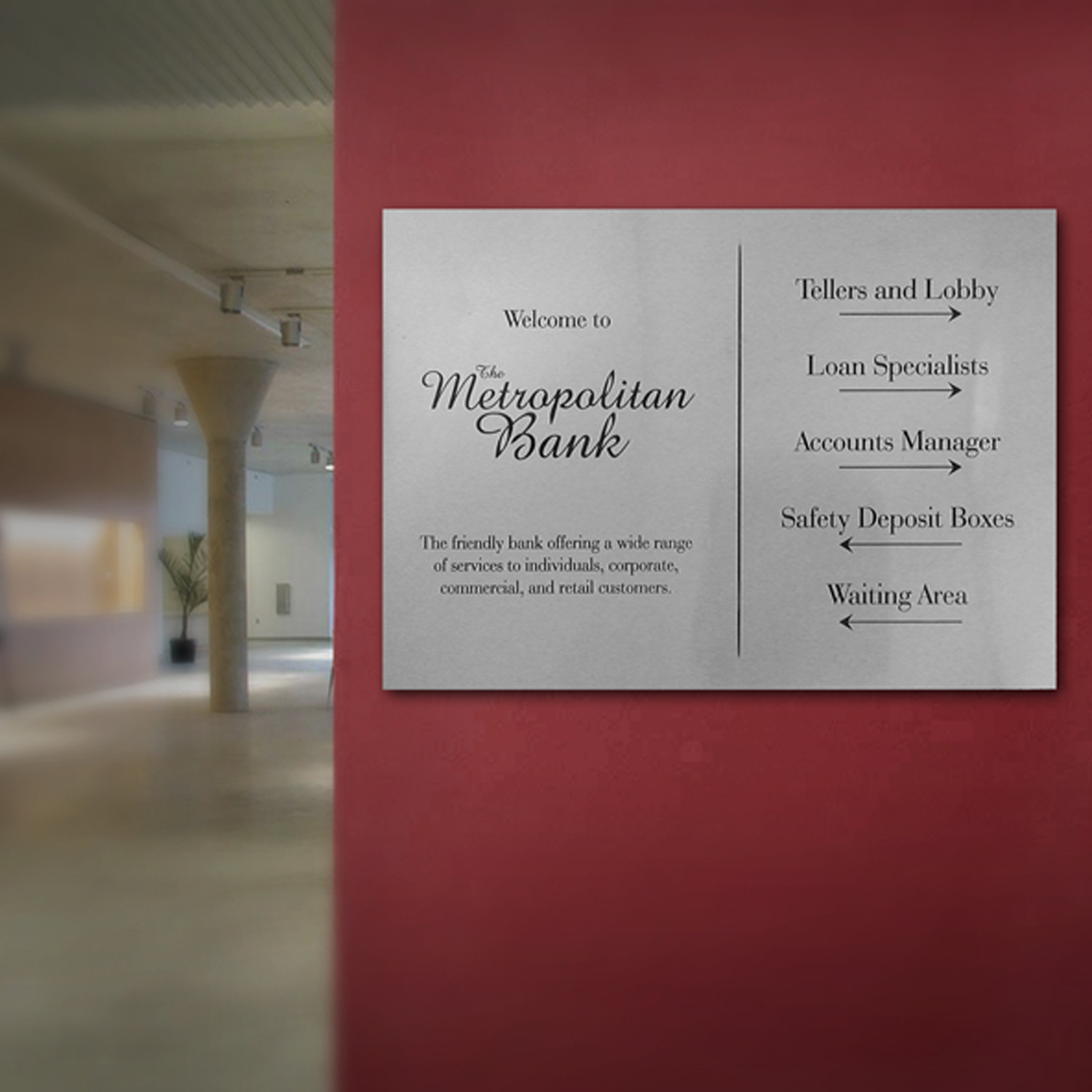
AlumaMark is an innovative aluminum specifically designed for high-precision CO2 laser marking.
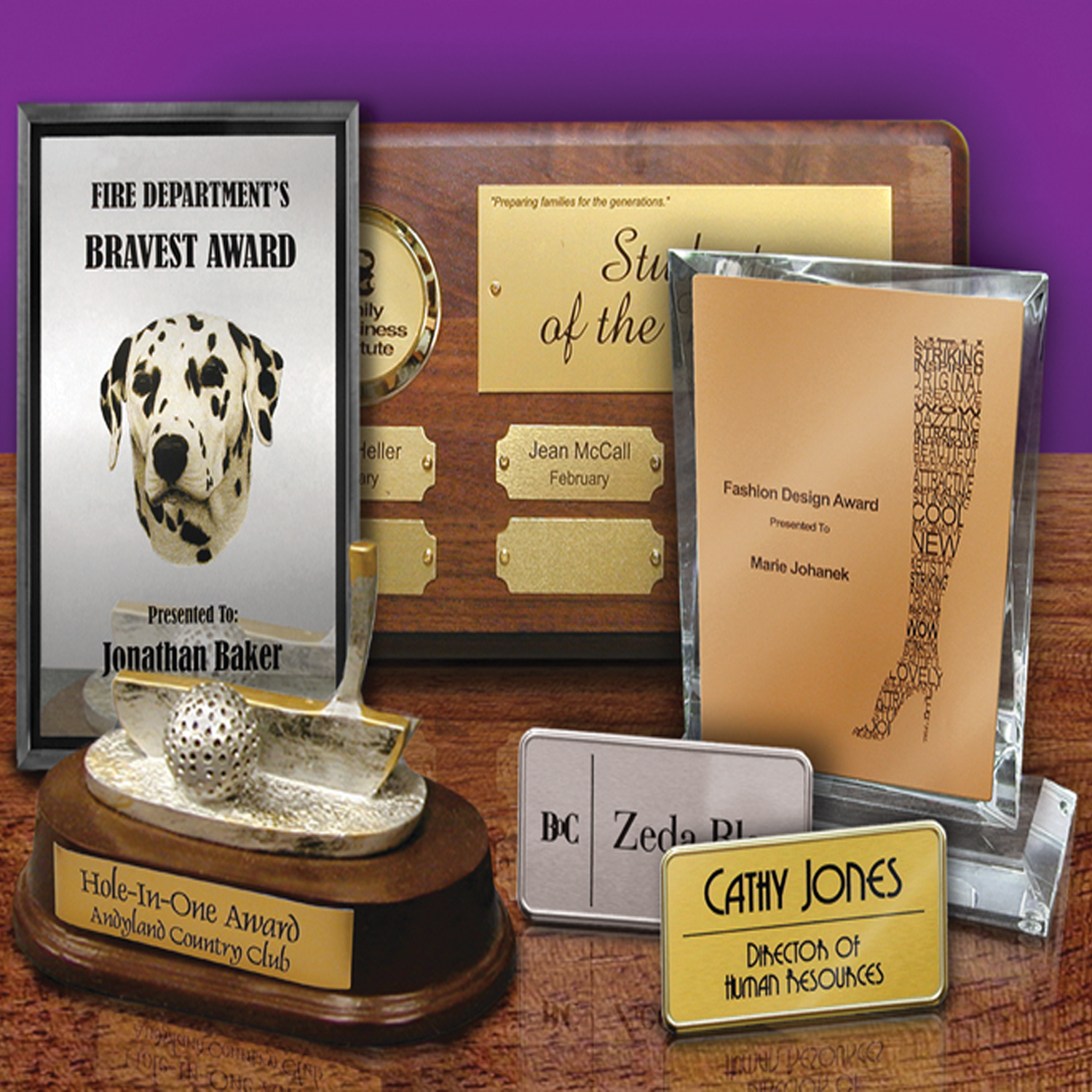
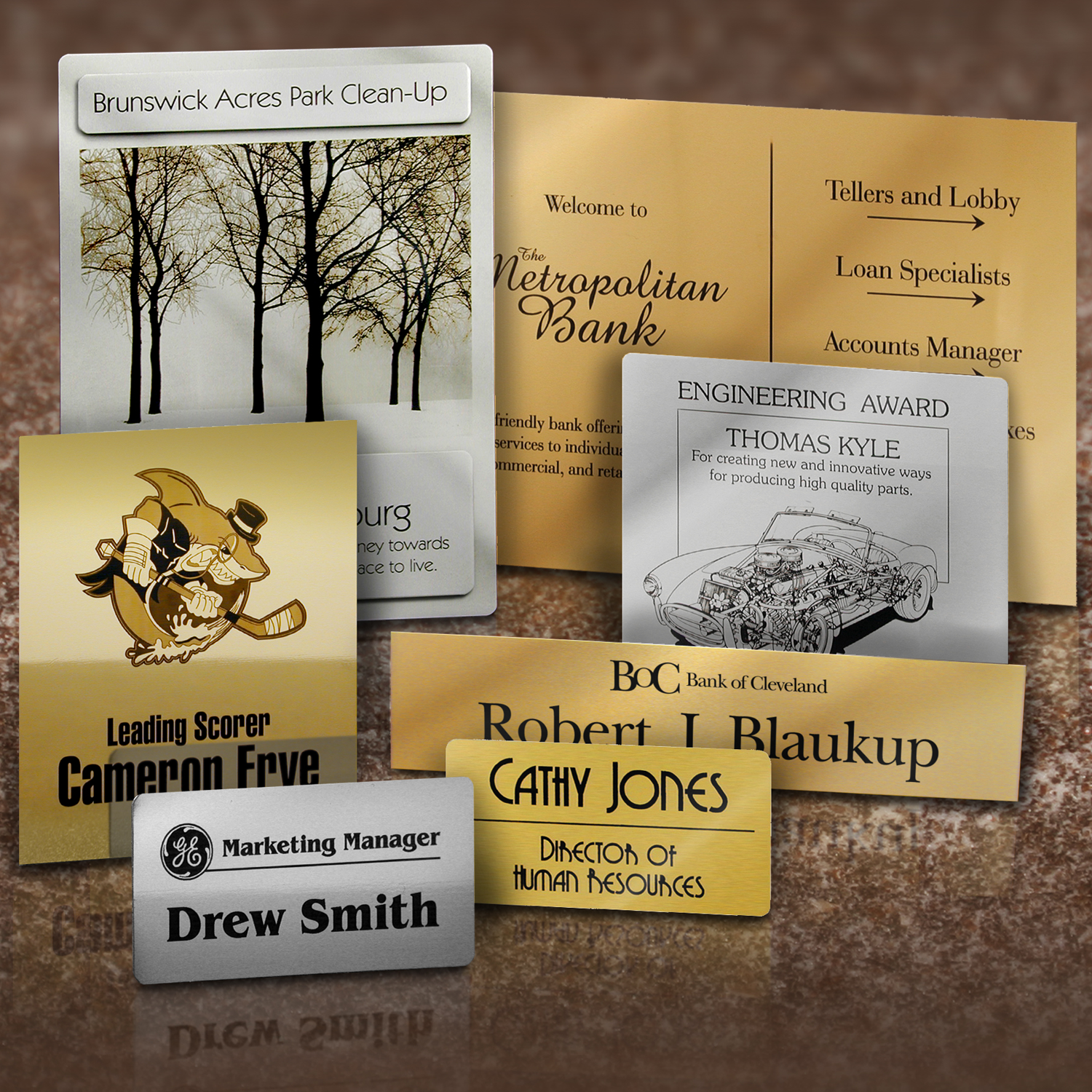
Unlike most laser-engravable materials, it enables deep black markings on silver, gold, bronze, brass, or colored backgrounds, offering exceptional contrast and a premium finish.
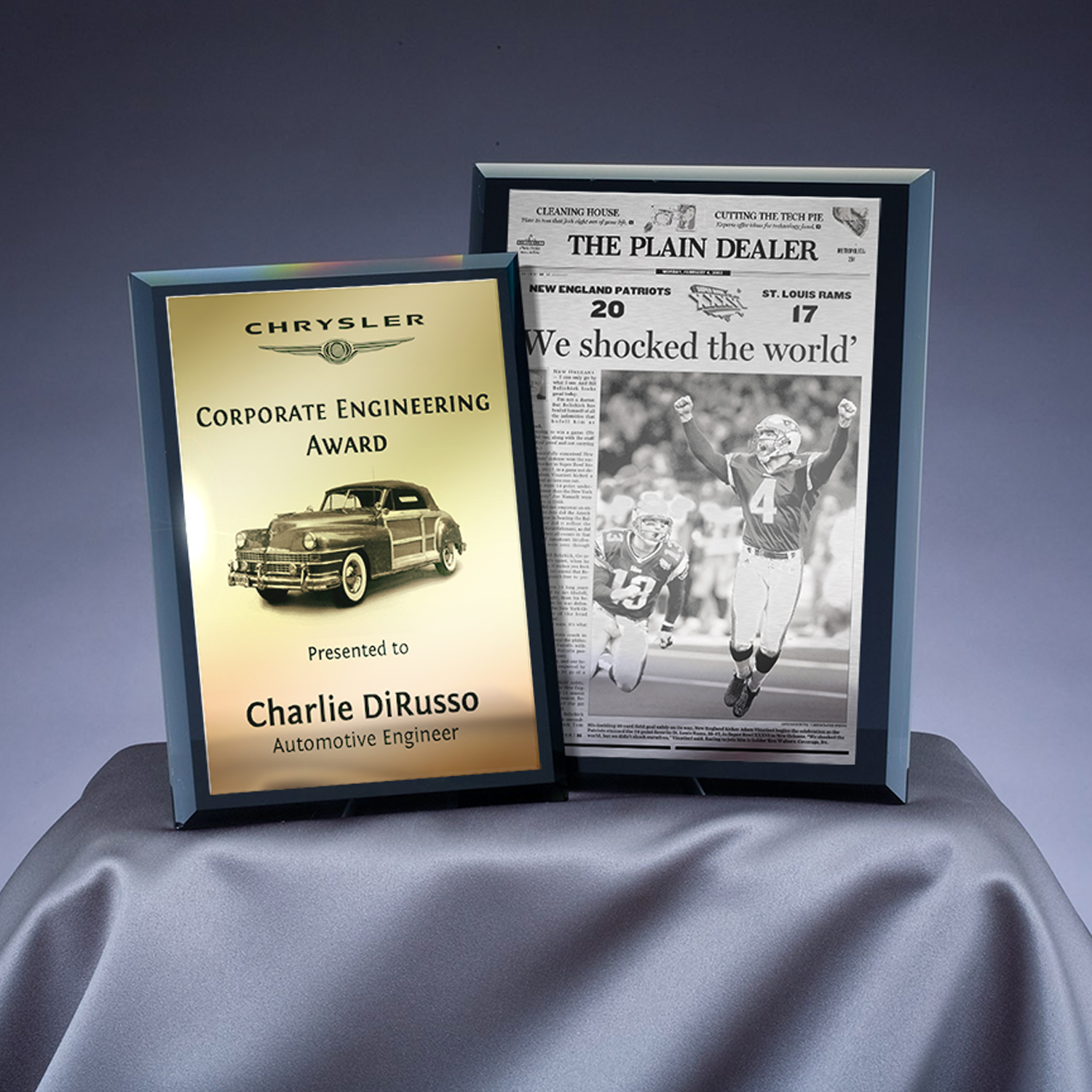
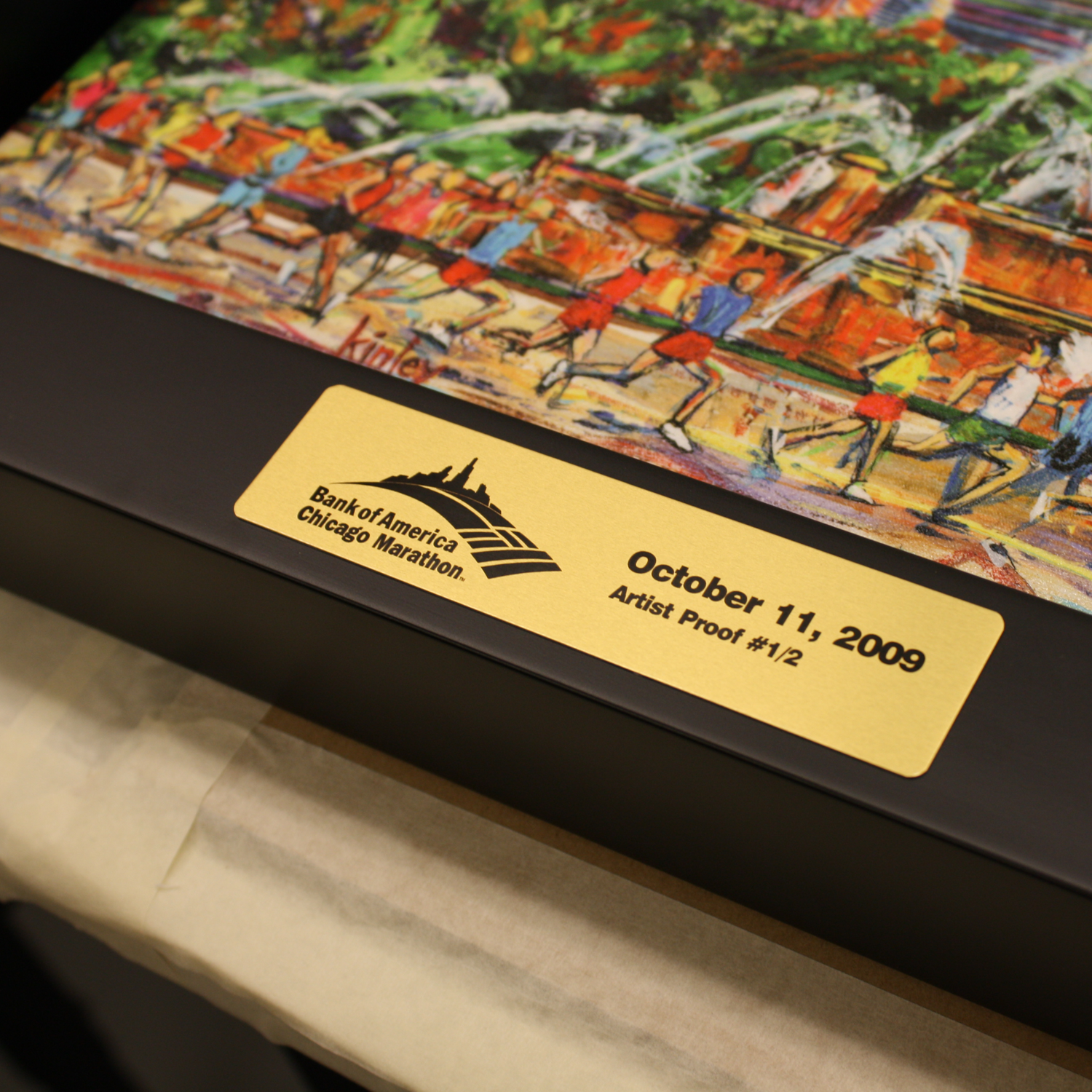
The marking is performed via thermal reaction (CO2 laser), without the need for chemical or mechanical engraving. This technology allows for the reproduction of grayscale shades and halftones, ideal for printing photographs, detailed logos, or complex illustrations.
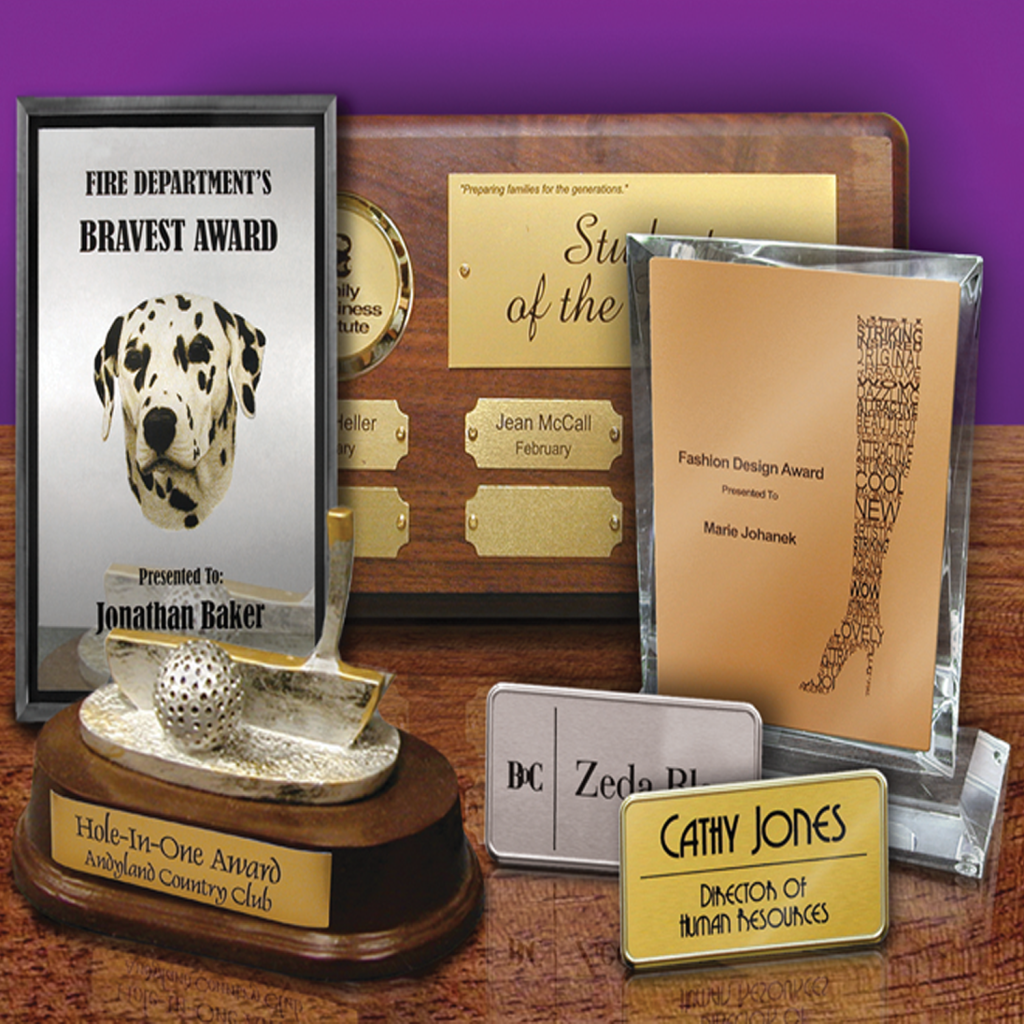
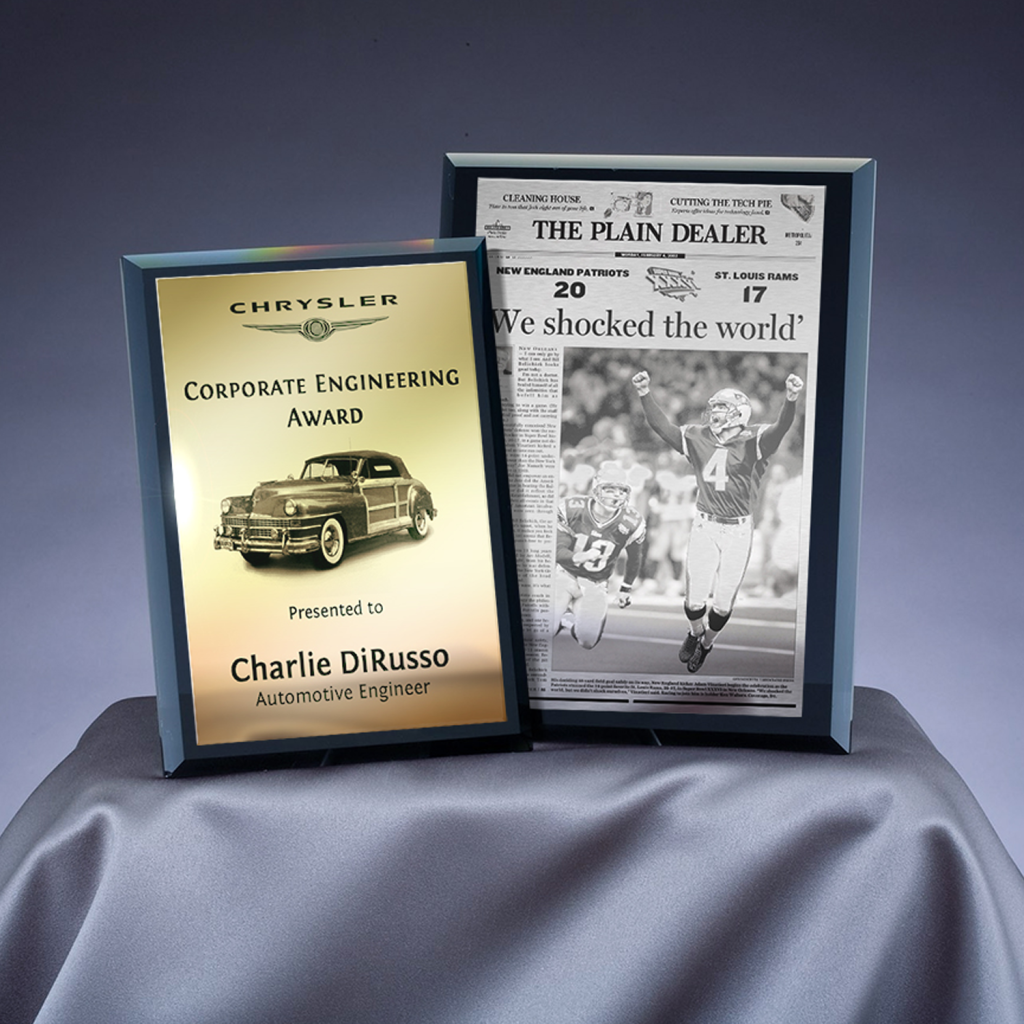
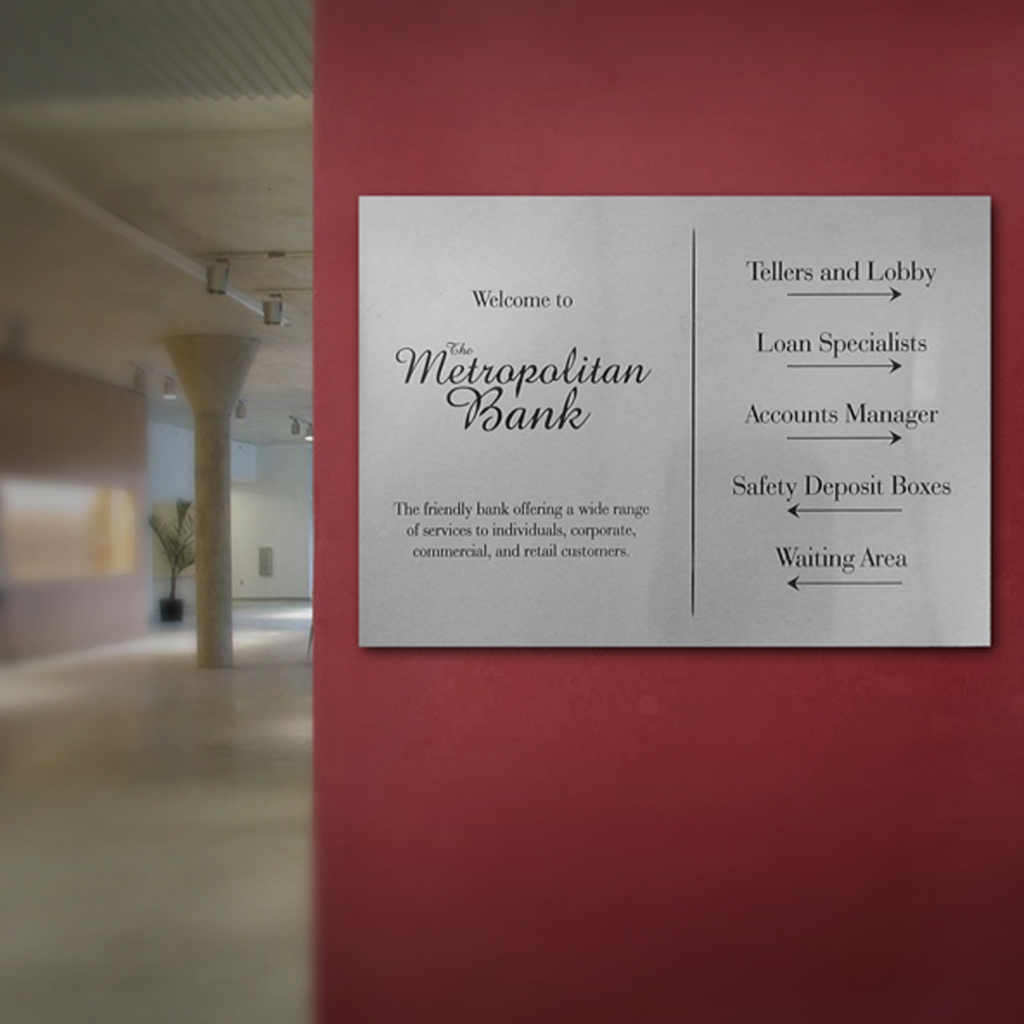
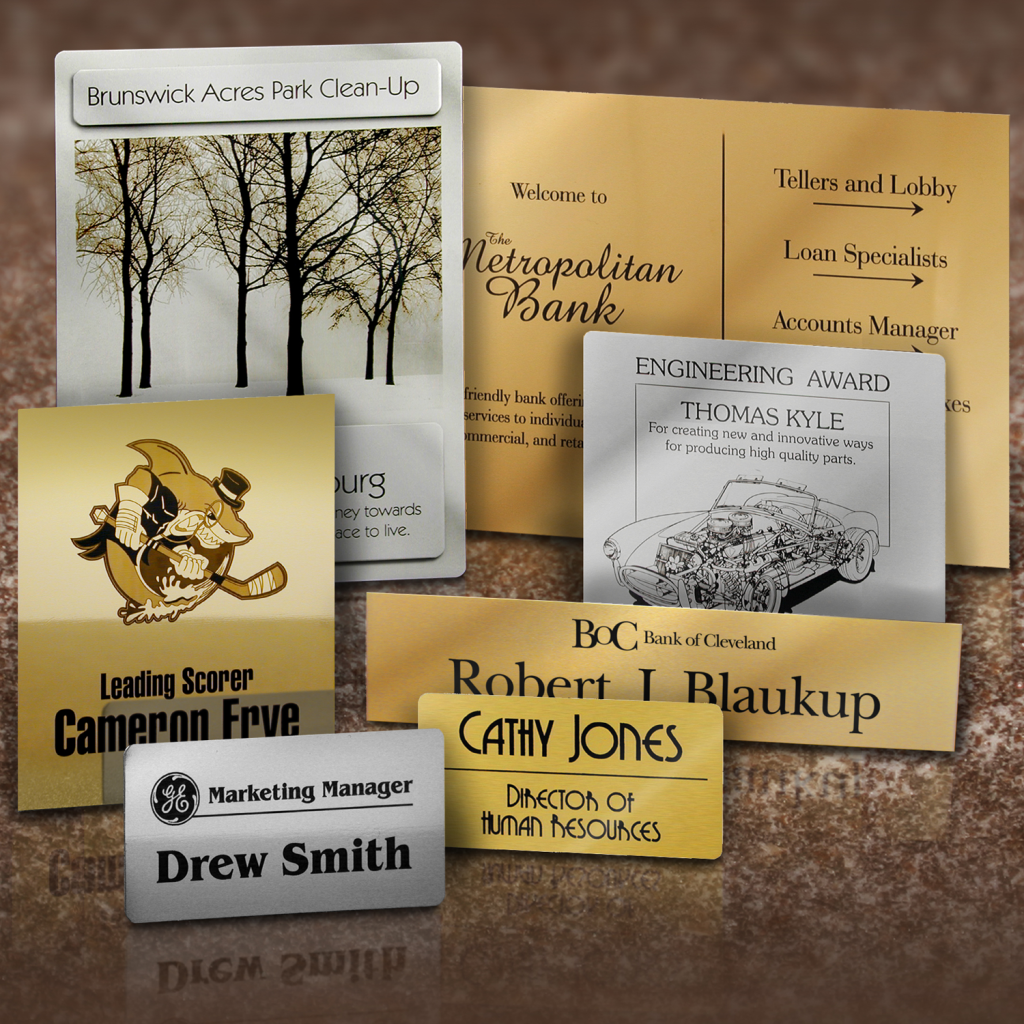
Versatile, durable, and aesthetic, AlumaMark is perfectly suited for the most demanding applications: signage and manufacturer plates, name badges, industrial identification, trophies, personalized objects, etc.
Number of colours:
Single color
Shape:
Relatively flat shape
Quantity:
Single
Series
Materials:
Discover...
Technical sheet
AlumaMark is a positive-process aluminium that allows for highly detailed reproduction using a CO₂ laser beam, which generates variable shades of black directly on the surface. It is primarily designed for indoor use, but can be used outdoors with surface protection (film or spray). This material is particularly valued for:
- Its faithful reproduction of details, ideal for photographic reproductions (especially in finishing).
- Its wide selection of metallic finishes: silver, gold, brass and bronze, satin silver.
- The availability of various formats: Standard: 305 x 508 mm in 0.5 mm thickness / Large format: 508 x 610 mm (silver, gold and brass only).
- Ultra-thin and flexible version (0.13 mm) in silver and gold, as well as in a five-color pack.
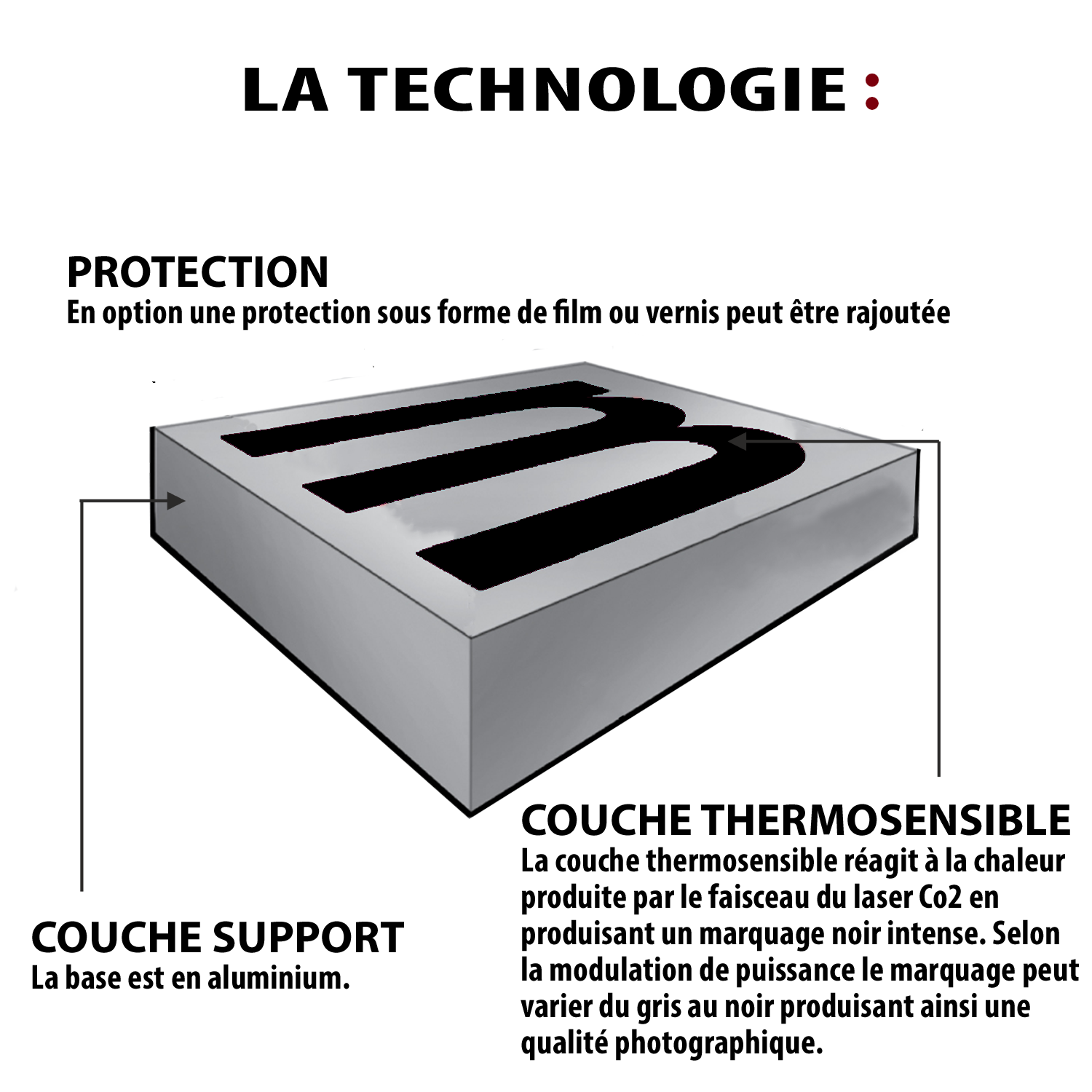
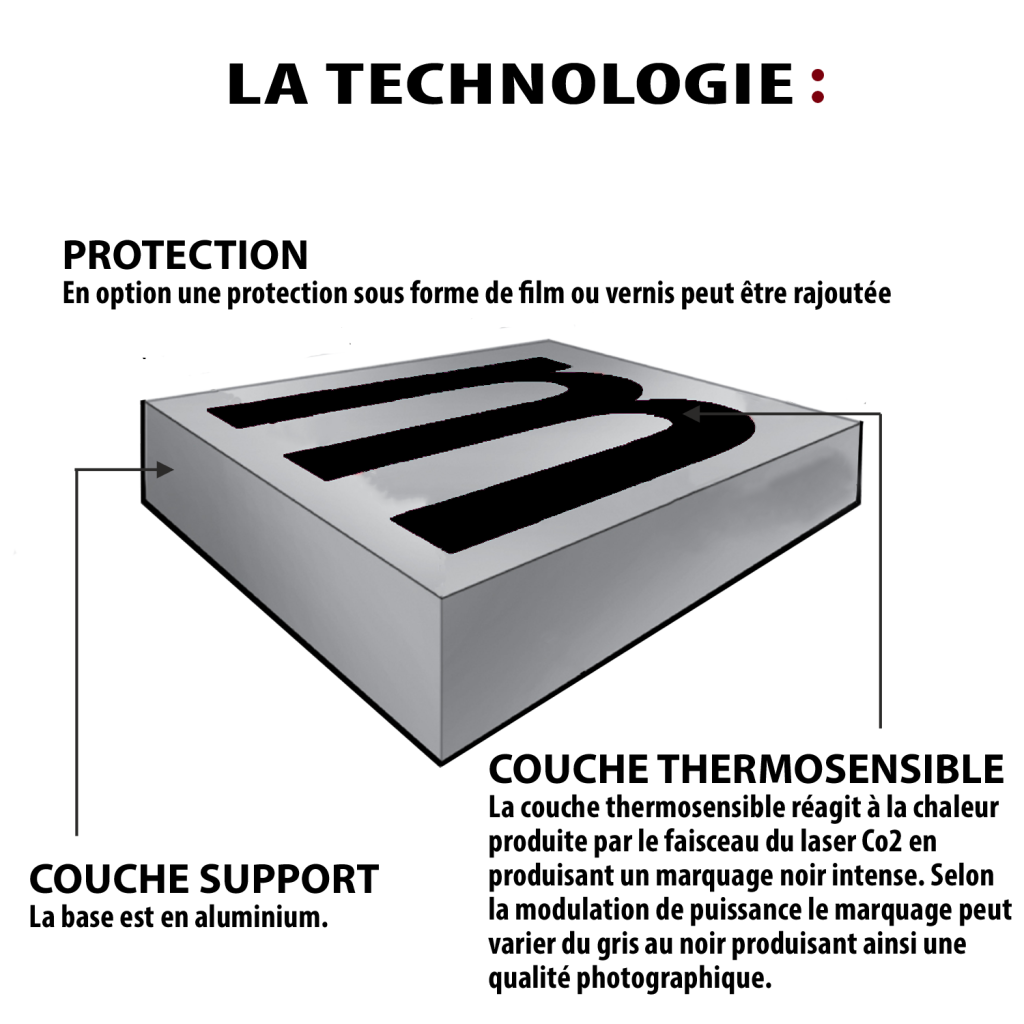
AlumaMark is composed of an aluminium plate whose pores are filled with a laser-reactive sensitive layer, allowing for precise marking where the beam is applied. To fully exploit its capabilities, the following items are required:
- An AlumaMark aluminium plate.
- A CO₂ laser engraver (Aeon or LTT type).
- A well-composed graphic file to guide the laser emission onto the plate.
- Cutting tools: shears, corner rounder, for resizing or creating labels.
- A fastening system adapted to the final use: adhesive, perforation, or rivets.
Optionally, AlumaMark can be supplied with a high-performance 3M 467 adhesive on the back.
Features:
Material type
Anodized aluminium
Color / Finish
Sheets: Satin Silver / Matte Silver / Satin Bronze / Satin Brass / Satin Gold.
Labels: Satin Brass / Satin Silver.
Thicknesses
Sheets: 0.13 mm / 0.50 mm
Labels: 0.5 mm
Formats
Sheets
254*305 mm
305*508 mm
508*610 mm
Labels
25.4*76.2 mm
38.1*76.2 mm
Options
3M467 Adhesive
No Adhesive
Resistance
Indoor exposure
- Indoor environment, constant temperatures between 4 °C and 32 °C: No effect
Abrasion resistance
- Abrasion test with 1 kg weight on CS17 abrasive strip for 7,000 cycles: No effect
Temperature resistance
- Black and silver image, standard at 232 °C: Slight yellowing of the background material after 8 hours.
Salt spray
- 5% at 95 °F for 700 hours: No corrosion.
Outdoor exposure
- Artificial test and actual outdoor exposure: Not recommended without varnish or protective film.
Chemical resistance
- Methyl Ethyl Ketone (MEK) Immersion for 24 hours: No effect
- Ethyl acetate Immersion for 24 hours: No effect
- Ammonium hydroxide 10% solution, immersion for 16 hours: Slight tarnishing
- MIBK Immersion for 24 hours: No effect
- Brake fluid Immersion for 24 hours: No effect
- Sulfuric acid 10% solution, 16-hour immersion test: No effect
- Phosphoric acid 1% solution, 7-hour immersion test: No effect
- Nitric acid 3% solution, 72-hour immersion: No effect
- JP-4 fuel 72-hour immersion test: No effect
- Skydrol (hydraulic fluid) 24-hour immersions, room temperature/boiling point: No effect
Accessories available with this product


FAQ on AlumaMark
What laser engraver power should I use for AlumaMark?
AlumaMark requires very low power and high speed. The goal is to heat the sensitive layer, not to engrave the metal.
Recommended settings:
- Power: 5 to 15 Watts
- Speed: High
- Resolution: High (1,000 DPI for a deep, dense black)
- Lens: 1.5″ or 2″
How to validate your settings (Test on scrap material):
- Brown / Beige result: Not hot enough ➔ Increase the power.
- Intense Black result: Perfect setting.
- Grey / Faded result: Overheating (the sensitive layer is burning) ➔ Decrease the power.
(Note: If you have a powerful 60W or 80W laser, the setting will correspond to a very low percentage of your machine’s capacity, often between 5% and 15%).
When to use AlumaMark?
What is the principle of AlumaMark?
Raw aluminum reflects a CO₂ laser beam, making direct engraving impossible. AlumaMark solves this problem with an integrated sensitive layer deep within the metal.
- Thermal Absorption: This layer specifically absorbs the CO₂ laser wavelength () instead of reflecting it.
- Chemical Reaction: Under the impact of heat, the material undergoes an instant thermal transformation and turns an intense black.
- Deep Marking: The visual is fused into the metal. There is no digging (no recessed engraving) or surface buildup.
Why is this a revolution?
It eliminates third-party products (like CerMark or TherMark). No more need to apply a spray, wait for it to dry, then wash the plate after engraving. You place the plate, you engrave, it’s ready.
Key Applications
Ideal for high-definition markings: barcodes, technical diagrams, manufacturer plates (interior) and trophies.
Is marking on AlumaMark a costly solution?
Contrary to popular belief, metallic materials compatible with laser marking are no longer necessarily more expensive than engravable plastics.r
Just a decade ago, metals intended for laser marking often represented a significantly higher investment. Today, market developments allow access to numerous metallic solutions at comparable, or sometimes even lower, prices than some engravable plastics.r
Beyond the purchase price, AlumaMark also offers a strong perceived value thanks to its qualitative metallic appearance and high-end finish. This can help strengthen the image of your creations while improving the profitability of your projects.r
We invite you to consult the AlumaMark price list: you will find that metal is now a particularly competitive solution.
Is AlumaMark easy to use?
Yes, AlumaMark is particularly easy to use, as it was designed to simplify laser marking on raw metal with a ready-to-engrave process.
- No pre- or post-treatment (100% dry process)
No spraying, no drying, no cleaning. Simply take out the plate, place it in the CO₂ laser machine, and start engraving. The part is then immediately ready for use or delivery (for indoor use). - Wide tolerance for machine settings
AlumaMark offers a wide operating range that simplifies settings. Even with CO₂ laser machines of different powers, it quickly achieves intense and uniform black marking without complex adjustments. - Simple management of grayscale shades (photo effect)
The material reacts proportionally to the laser’s heat. By adjusting the power or dot density (DPI), it is possible to achieve different shades of gray, which facilitates the reproduction of photos, logos, and visuals with gradients.
What is the AlumaMark range?
The range is structured around several finishes, formats, and thicknesses to adapt to all your engraving projects:
Available Metallic Finishes
The material faithfully reproduces the appearance of precious metals and is available in 4 main finishes
- Silver (Satin or Matte)
- Gold
- Brass
- Bronze
Technical tip: The Satin Silver finish offers the best rendering for reproductions of photographs, detailed images, or diplomas with complex grayscale gradients.
The range’s formats and thicknesses
The range is available in rigid plates or ultra-thin sheets:
Rigid plates (0.5 mm thickness):
Standard format: 305 × 508 mm (available for all finishes: silver, gold, brass, bronze).
Large format: 508 × 610 mm (available only for Silver, Gold, and Brass finishes).
Flexible sheets (0.13 mm thickness):
Designed to conform to curved or cylindrical surfaces.
Available exclusively in Matte Silver or Satin Silver finish.
Usage environment and protection
AlumaMark is primarily designed for indoor applications: door plates, office signage, trophies, diplomas, or distinction labels.
Outdoor use is possible under certain conditions. To ensure the durability of the marking, it must be protected against climatic aggressions and direct exposure to UV rays.
After laser engraving, it is therefore necessary to apply a surface protection, either:
- a transparent lamination film;
- or a protective varnish spray.
For projects permanently exposed to demanding outdoor conditions or without additional protection, it is recommended to opt for the DuraBlack range, which is more suited to outdoor environments.
AlumaMark or DuraBlack: what are the differences?
Bien que l’AlumaMark et le DuraBlack soient tous deux de véritables plaques d’aluminium spécialement conçues pour être marquées directement avec un laser CO₂ — sans pâte ni spray chimique — ils répondent à des usages, des rendus graphiques et des niveaux de résistance très différents.
Le rendu du marquage : positif ou négatif
La différence la plus visible concerne l’apparence obtenue après le passage du laser.
AlumaMark : marquage positif
Le faisceau laser déclenche une réaction thermique directement dans le revêtement. Le support conserve son aspect aluminium (argent, or ou bronze) tandis que le visuel apparaît en noir profond.
Ce procédé est particulièrement adapté :
- aux photos et nuances de gris ;
- aux logos détaillés ;
- aux plaques signalétiques haut de gamme ;
- aux applications où le contraste noir sur métal est recherché.
DuraBlack : marquage négatif
Le DuraBlack possède un revêtement noir mat. Le laser retire localement cette couche pour révéler l’aluminium situé en dessous.
Le résultat : un marquage argenté / blanc sur fond noir, proche du rendu d’une gravure traditionnelle, sans enlèvement de matière.
Ce rendu est apprécié pour :
- la signalétique technique ;
- les plaques industrielles ;
- les applications à forte lisibilité.
Résistance et environnement d’utilisation
Leur différence de conception influence directement leur comportement dans le temps.
AlumaMark : optimisé pour l’intérieur
L’AlumaMark est principalement destiné aux applications intérieures : plaques de porte, trophées, diplômes, signalétique de bureau ou étiquetage décoratif.
Une utilisation extérieure reste possible à condition d’ajouter une protection après gravure :
- film de lamination transparent ;
- ou vernis de protection anti-UV.
DuraBlack : conçu pour l’extérieur et les environnements exigeants
Le DuraBlack est développé pour résister durablement aux environnements les plus contraignants.
Sa structure multicouche offre :
- une excellente tenue aux UV ;
- une résistance au brouillard salin ;
- une bonne résistance à l’abrasion ;
- une compatibilité avec des environnements exposés aux hydrocarbures.
Sans protection supplémentaire, il est conçu pour des usages extérieurs longue durée.
En résumé
Choisissez AlumaMark si vous recherchez :
→ un noir intense sur métal
→ des photos ou dégradés de gris
→ une utilisation principalement intérieure
Choisissez DuraBlack si vous recherchez :
→ un contraste aluminium sur fond noir
→ une résistance extérieure élevée
→ une plaque technique durable sans finition supplémentaire
What are the different metal marking solutions?
LMM (Laser Markable Metals) refers to the range of metallic-looking materials designed to be marked directly with a CO₂ laser.
Unlike Fiber or YAG lasers, which can mark raw metal directly but generally require a higher investment, the CO₂ laser remains a very popular solution in signage workshops thanks to its versatility.
Depending on the material used, the resulting marking is based on various physical or chemical mechanisms.
Engraving (material removal)
The laser beam removes or vaporizes the surface layer to reveal the material underneath.
Result obtained: generally a negative marking (light text on a colored or dark background).
Examples of materials:
- DuraBlack;
- lacquered aluminum;
- Rowmark Metalgraph Plus;
- IPI LaserMetallic Brush.
Whitening (color change via heat)
Heat modifies the surface structure locally without removing material.
Result obtained: white or light gray marking on a dark background.
Examples of materials:
- black anodized aluminum;
- LazerWhite.
Ceramic bonding (material addition)
A marking product is applied to the raw metal before laser processing. The heat chemically bonds this coating to the surface. Excess is then cleaned off.
Result obtained: intense black marking on raw metal.
Examples of solutions:
- CerMark ;
- TherMark.
Positive image transformation (thermal chemical reaction)
The material possesses a specific coating that reacts directly to the laser heat without removal or addition of material.
Result obtained: intense black marking on a metallic background.
Examples of materials:
- AlumaMark;
- laser-anodizable mirror aluminum (LAMA).
How to choose?
The choice mainly depends on three factors:
- the desired visual finish;
- the usage environment (indoor or outdoor);
- the final substrate (aluminum, steel, brass, or composite material).
Each technology addresses different constraints regarding durability, contrast, and graphic quality.
THERMOFLAN advantages
Over 60 years of experience
Permanent stock
Best quality/price ratio
Technical availability
Ask our experts for advice
How can we help you?