




View all news
UV printing: professional UV LED digital printers
Our UV printers deliver high-quality printing on a wide range of substrates, accurately reproducing color graphics, logos, text and patterns directly on the part. With UV LED digital printing technology, the inks cure under ultraviolet light, ensuring instant drying and extensive customization possibilities.
Thermoflan offers a range of professional flatbed UV printers designed for customization, signage and industrial marking. From small-format models to higher-capacity equipment, our machines can print on a variety of materials such as wood, glass, metal, plastics and leather, depending on their compatibility with the inks and the preparation processes used.
Depending on the model, our UV LED printers offer a range of printing capabilities: four-color CMYK printing, white underbase, spot varnish and raised effects. Thermoflan helps you choose equipment suited to the size of your substrates, your applications and your production requirements.
Our range of flatbed UV LED printers
Thermoflan offers two families of flatbed UV LED printers to meet the needs of professionals in customization, signage and industrial marking: compact UV printers, suited to small and medium formats, and GH series UV printers, designed for applications requiring larger print areas and higher production capacity.
These machines produce digital UV prints directly on a variety of substrates, with configurations tailored to part dimensions, materials and the desired finishes.
Explore our range of professional UV printers below, from the compact A3MAX, 6045 and 6090 models to the GH series machines, along with their technical specifications, to identify the right solution for your business.


What is UV printing and how does it work?
UV printing is a direct digital printing process that uses special inks that cure under ultraviolet light. Unlike techniques that require a transfer or printing on an intermediate medium, it applies designs directly to the surface of objects, with no printing plate or screen.
Digital UV printing prints directly from a file, in color and without tooling: it is ideal for customization, photographic images, gradients and short or variable runs.
Pad printing transfers ink from an etched plate using a flexible pad. It excels on highly curved or textured surfaces and becomes very cost-effective for long runs of the same design.
The two processes are often complementary: Thermoflan offers both technologies and will guide you toward the one that best suits your parts and volumes.
The principle of UV LED digital printing
A UV LED digital printer works on the inkjet principle. Print heads jet fine droplets of ink onto the substrate, while UV LED lamps cure them, meaning they harden them rapidly.
This process enables four-color (CMYK) printing, to which, depending on the equipment, a white layer can be added for dark or transparent substrates, as well as a spot varnish to create finishing effects. Layering multiple coats of ink or varnish also makes it possible to achieve raised and textured effects.
UV LED printing therefore stands out for its ability to reproduce detailed graphics directly on a wide variety of objects and materials, with no extended drying time required after printing.
How does UV printing work?
A UV LED digital printer operates through a multi-step process, from file preparation to ink curing and the finished product.
1. Digital file preparation
- A digital file (text, image, logo or design) is created or imported into RIP (Raster Image Processor) printing software.
- Print settings are configured: dimensions, color management, resolution, speed, number of passes and any white or varnish layers.
- The file is then processed by the RIP software and sent to the UV printer.
2. Loading and positioning the substrate
- The material to be printed (wood, metal, glass, plastic, etc.) is placed on the printer’s flatbed.
- Depending on the model and the type of substrate, a vacuum table or a holding jig keeps the part in place during printing.
- The print height is adjusted according to the thickness of the object and the machine’s specifications.
3. Applying the UV inks
- The print heads use inkjet technology to jet fine droplets directly onto the surface of the material.
- UV printers use photopolymerizable inks, specially formulated to cure under ultraviolet radiation.
- The inks are deposited according to the graphic defined in the digital file, with the various colors and layers needed to reproduce it.
4. Ink polymerization and curing
- UV LED lamps, usually located near the print heads, expose the inks to ultraviolet radiation during the printing process.
- This exposure triggers a photopolymerization reaction, which rapidly hardens the inks and bonds them to the substrate.
- This process limits the risk of smearing and allows printing on many porous or non-porous materials, provided adhesion is suitable.
5. Synchronized print head and bed movements
Depending on the design of the flatbed UV printer, the movement required for printing can be provided by different mechanisms:
- Fixed bed: the print head or print carriage moves above the substrate, along the machine’s axes, to cover the area to be printed.
- Moving bed: the bed handles part of the substrate’s movement, while the print head performs the additional movements required.
These movements are synchronized with ink jetting to ensure precise droplet placement and faithful reproduction of the graphic.
6. Advanced printing options
Depending on the equipment and its configuration, several techniques expand the possibilities of UV printing:
- Multi-layer printing: layering coats of ink to create raised effects or increase print opacity.
- White printing: using white ink alone or as an underbase to print on colored, dark or transparent substrates.
- Spot varnish: localized application of a clear varnish to achieve glossy finishes, texture effects or highlight specific elements of the graphic.
7. Final result
- Thanks to UV LED curing, the inks harden during printing, with no extended drying phase required.
- Parts can generally be handled shortly after printing.
- The resulting marking can offer good resistance to moisture, abrasion and certain operating stresses, depending on the inks, materials and any surface treatments.
UV printing vs. pad printing: what's the difference?
UV printing and pad printing are two marking techniques used to customize objects and industrial parts. They differ mainly in their printing process, suitable substrates and production volumes.
Digital UV printing applies inks directly to the substrate from a computer file, with no printing plate required. It is particularly well suited to multicolor graphics, photographs, short runs and one-off customization. Depending on the equipment, it can also print white and varnish and create raised effects.
Pad printing transfers ink using a silicone pad and an etched plate. It stands out for its ability to mark objects with complex shapes, including curved, concave or irregular surfaces. It is particularly advantageous for repetitive series production.
The choice between these two technologies therefore depends on part geometry, the number of colors, production quantities and marking constraints.
Also explore our range of pad printing machines to compare solutions and choose the right process for your business.
Materials compatible with digital UV LED printing
UV printing makes it possible to print directly on a wide variety of rigid or flexible materials, with no transfer medium required. This versatility makes it well suited to object customization, signage and the marking of industrial parts.
The main materials compatible with digital UV printing include:
- Wood and wood-based materials: solid wood, plywood, MDF and decorative panels, for customization, decoration and signage.
- Glass and ceramics: glass plates, tiles, decorative objects and advertising media, provided they are properly prepared.
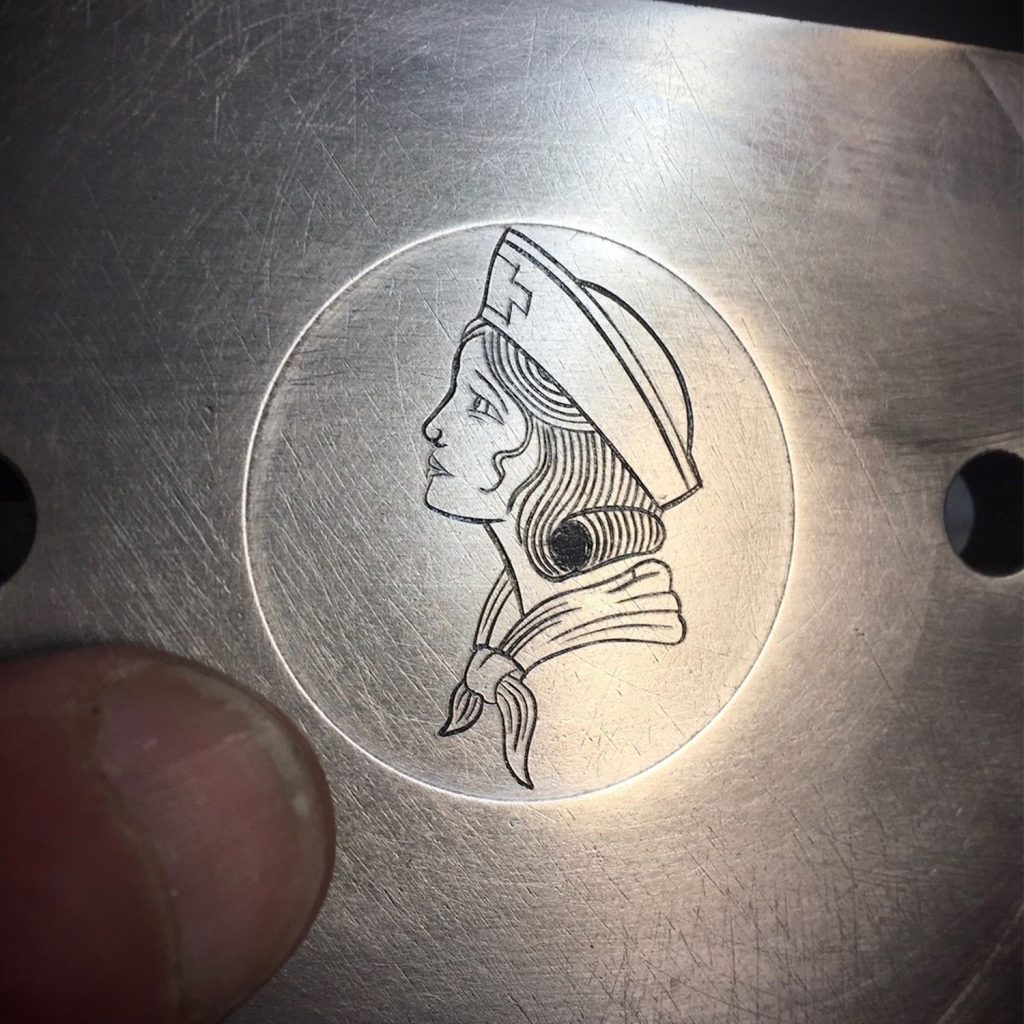
- Metals: aluminum, stainless steel and other metal surfaces, particularly for marking plates, enclosures and industrial parts.
- Plastics and synthetic materials: PVC, ABS, polycarbonate and PMMA (Plexiglas), used for signs, displays, promotional items and technical components.
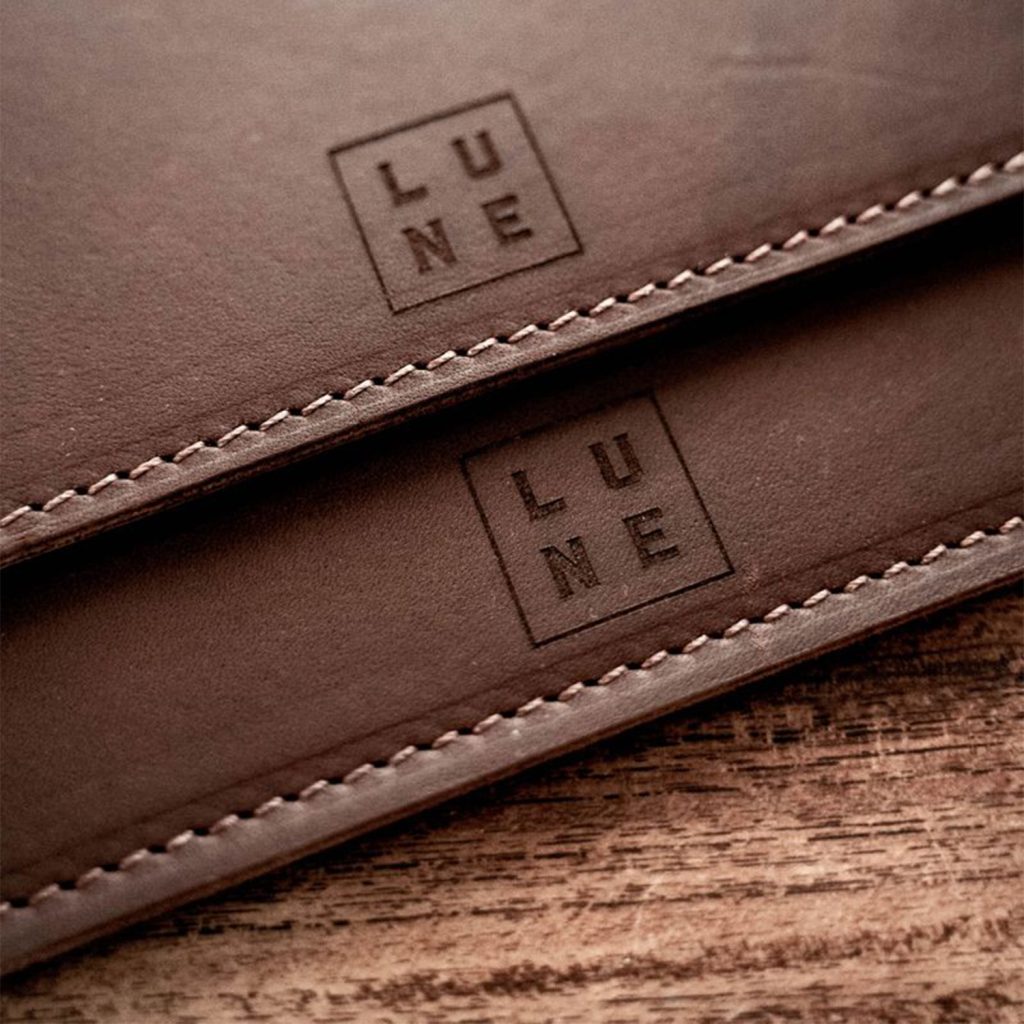
- Leather and faux leather: accessories, leather goods and personalized items, depending on their composition and surface treatment.
- Other substrates: cardboard, certain textiles and composite materials, depending on their compatibility with UV inks and the printer’s specifications.
Ink adhesion and substrate preparation
While UV LED printing offers many possibilities, not all materials can be printed under the same conditions. Ink adhesion depends in particular on the composition of the substrate, its surface condition and the stresses the marking will be exposed to.
Some materials, such as glass, metals or low-surface-energy plastics, may require specific cleaning, pretreatment or the application of an adhesion primer to improve print durability.
Printing capabilities also depend on the UV printer model used, in particular the available print area and print height, as well as compatible inks and equipment.
Thermoflan can help you choose a UV printer suited to your materials and applications, taking into account the technical constraints of your substrates and the quality requirements of the marking.

What are the applications of UV printing?
With its ability to reproduce high-definition graphics on a wide variety of materials, UV printing is used across many professional sectors. It handles both functional marking and decorative printing, combining precision, color quality and customization options.
In visual communication and signage, digital UV printing is used to produce signs, business plaques, information panels and advertising displays. Direct printing on rigid substrates such as PMMA, PVC or aluminum makes it possible to reproduce photographs, gradients and complex graphic elements without the need for an intermediate adhesive medium.
For object customization and decorative applications, this technology offers great creative freedom. It can print logos, illustrations, patterns or photographs on promotional items, accessories, wood panels or decorative pieces. The use of white underbase and spot varnish expands finishing options, particularly on transparent or colored substrates.
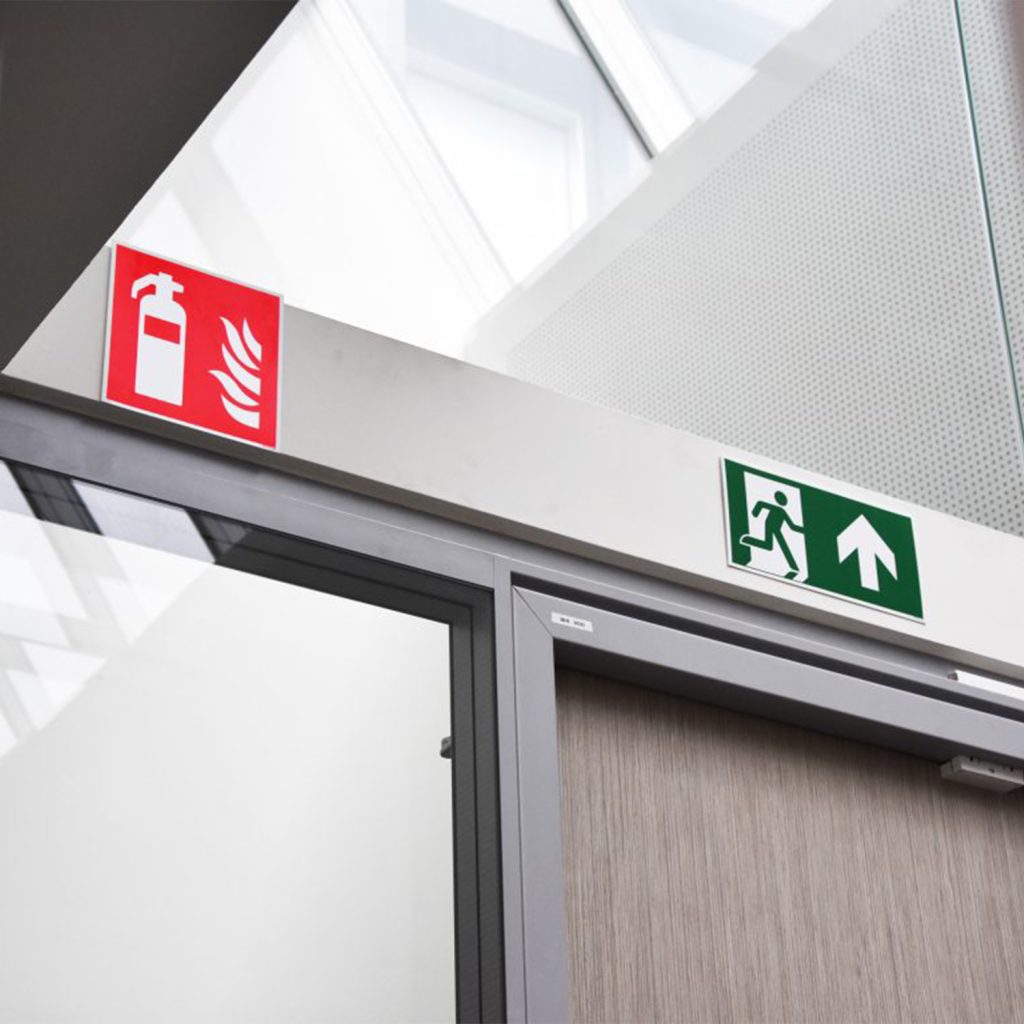
In industry and product manufacturing, UV printing can also be used to mark device front panels, enclosures, identification plates or technical components. It accurately reproduces pictograms, scales, control markings and multicolor lettering. The choice of inks and surface preparation must then be adapted to the expected operating and resistance requirements.
Finally, UV printing is particularly valuable for prototyping, short runs and on-demand customization. With no printing plate, it is easy to change graphics, create color variations and produce different parts without specific mechanical setup between designs.
From promotional items to industrial parts, as well as decoration and signage, the possibilities are extensive. Explore the various application sectors below and the results made possible by marking and printing technologies.

Braille

Wedding & Events
Security, Access & Identification

Recreational & Educational

Home & Decoration

Goodies & Promotional items

Art, Craft & Creation

Nature, Sport & Leisure

Pets
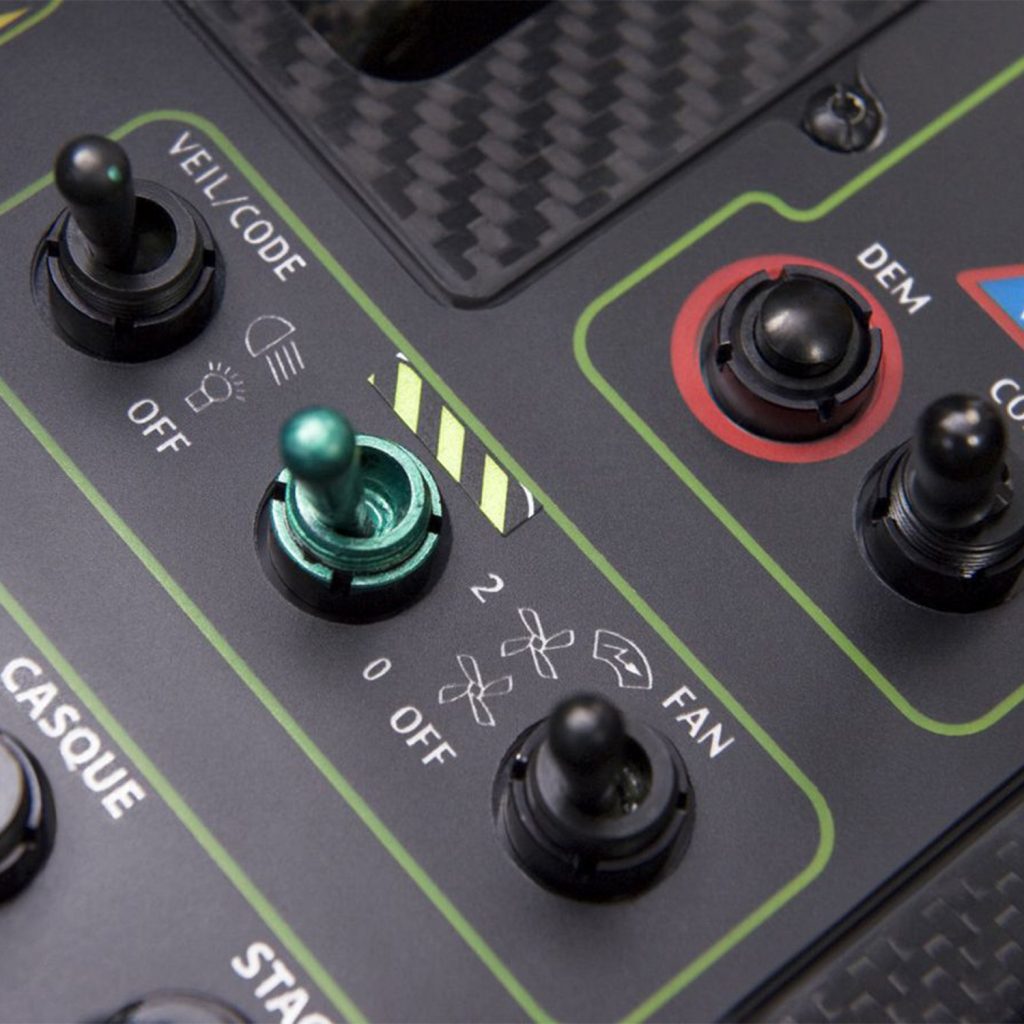
Automotive, Military & Aeronautics

Wellness & Cosmetics

Jewelry & Watchmaking
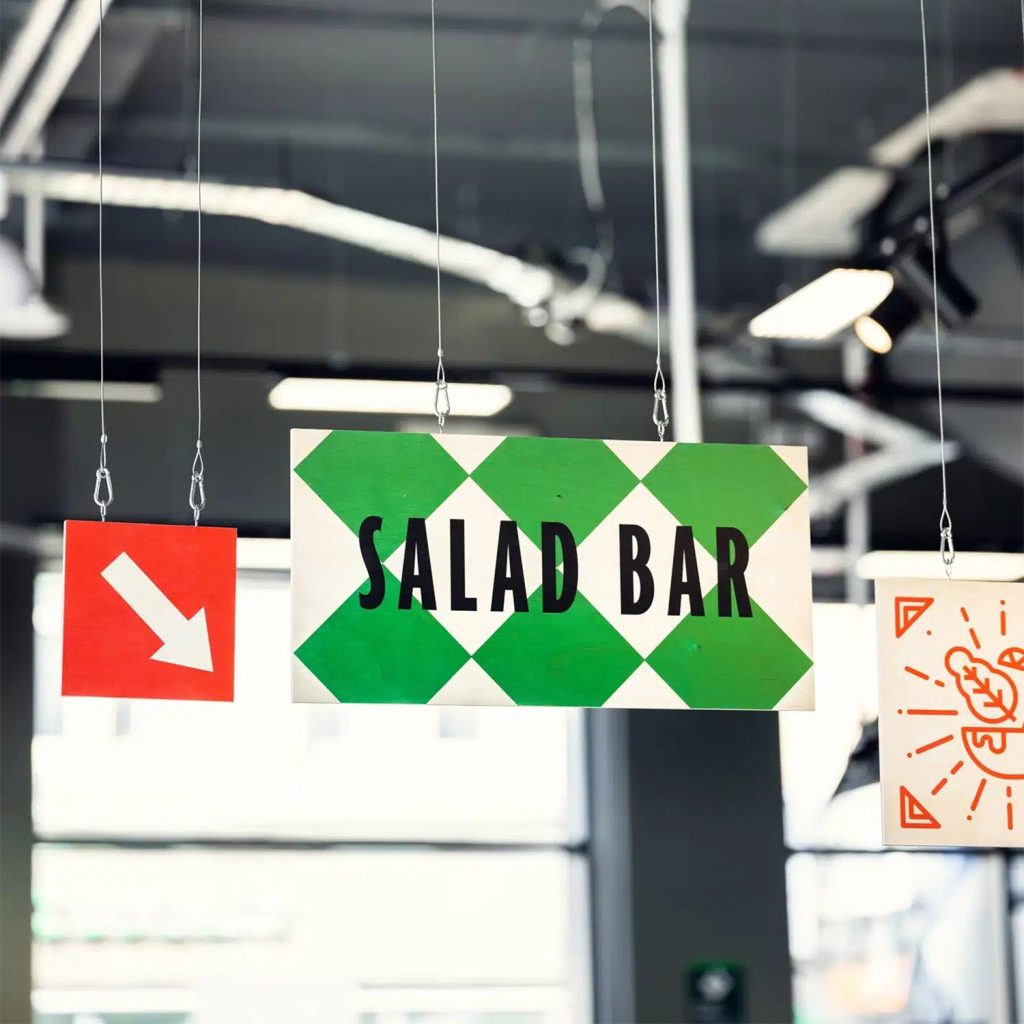
Communication & Signage

Knives & Weapons

Funeral & Tribute
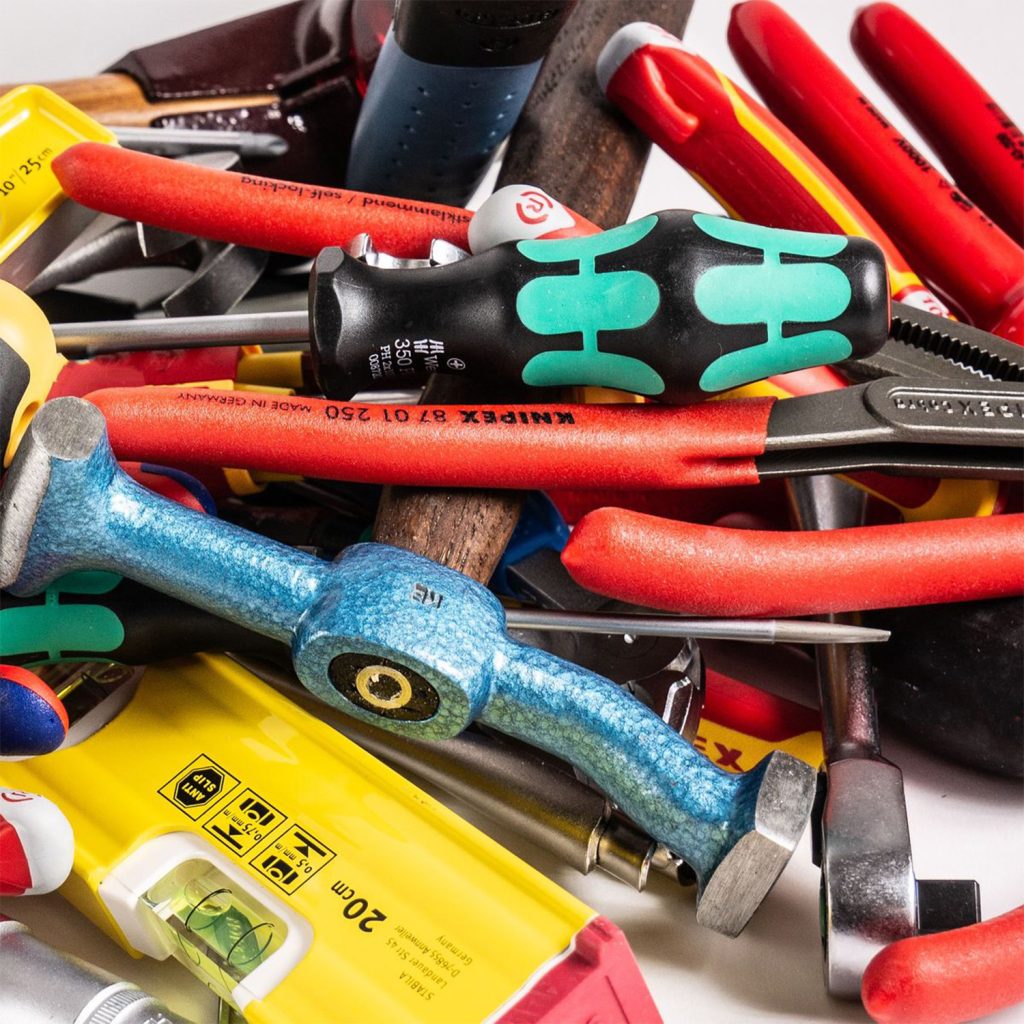
Industry, Tools & Metalworking

Optics & Eyewear
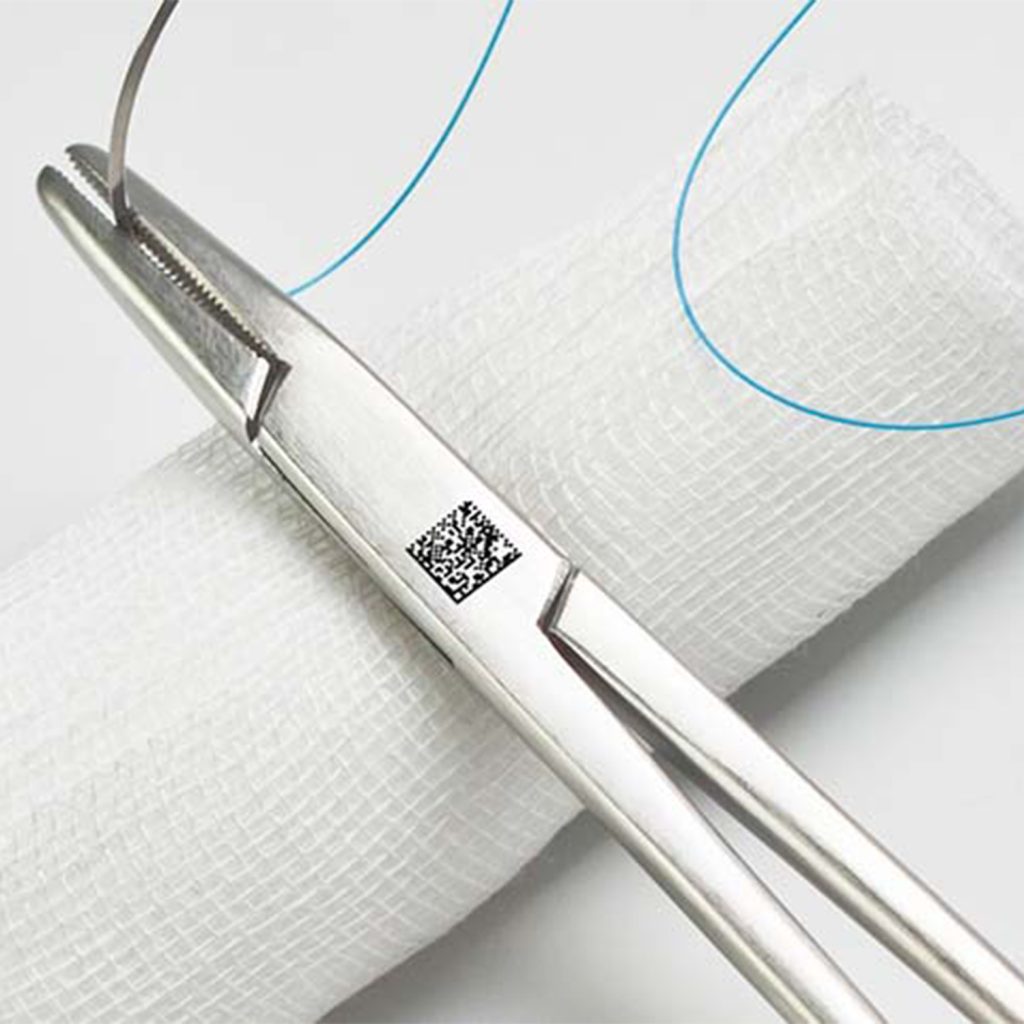
Healthcare, Medical & Laboratory

Textile, Fashion & Accessories
What are the advantages of UV printing?
Need a machine suited to your business?
Our team will help you choose a machine suited to your materials, the dimensions of your parts and your production constraints.
FREE QUOTEHow do you choose a professional UV printer?
Choosing a professional UV printer depends primarily on the characteristics of the substrates to be printed, the intended applications and production volumes. A machine suited to customizing small objects will not necessarily meet the same requirements as equipment designed for printing large-format panels or for industrial marking.
Several technical criteria should be considered when selecting a UV LED digital printer.
Based on substrate size and height
The print area is a primary selection criterion. Compact UV printers are particularly suited to customizing small objects, plates and small parts, while larger-format flatbed machines can print on panels, signage elements or bulkier substrates.
The maximum allowable height is also important when printing on thick or raised objects. It is therefore necessary to check the usable bed dimensions, the clearance height and the part positioning options.
Based on materials and applications
The choice of equipment must also take into account the type of substrate: wood, glass, metal, plastic, PMMA or leather. Depending on the material, surface preparation or an adhesion primer may be required to ensure good UV ink adhesion.
The intended applications also guide the choice of machine. Customizing promotional items, printing on industrial plates or producing decorative panels involve different constraints in terms of format, precision and substrate holding.
Based on production volumes and printing options
For on-demand customization or short runs, a compact UV printer can be a suitable solution. For regular production or large substrates, productivity, loading options and positioning repeatability must also be considered.
Available features can make a difference depending on your needs: CMYK printing, white underbase, spot varnish, raised effects, CCD camera registration system or a device for printing on cylindrical objects. These features and options vary by model and should be selected based on the applications actually planned.
Which Thermoflan UV printer should you choose?
Thermoflan offers two ranges of flatbed UV printers suited to different formats and production needs. The compact models emphasize flexibility for object customization and small- to medium-format printing. The GH series offers a wider choice of sizes and configurations for professional and industrial applications.
| Range | Models | Applications and features |
|---|---|---|
| Compact UV | UV A3MAX | Small objects, on-demand customization, optional varnish |
| UV 6045-I1600 | Various substrates, cylinder printing with a suitable attachment | |
| UV 6090-I1600 | Mid-size formats, short and long runs, optional rotary attachment | |
| UV 6090-Max | CCD camera registration, built-in primer application, multi-layer printing | |
| GH series | UV 9075 GH | Customization and printing on rigid substrates, optional rotary attachment |
| UV 1160 GH | Commercial and industrial applications requiring higher productivity | |
| UV 1115 GH | High-resolution printing with GH2220 print heads | |
| UV 1315 GH | Larger-format printing, signage and industrial applications | |
| UV 2513 GH | Printing on large substrates |
The choice between these models should be based on part dimensions, the desired throughput and the required features. Thermoflan supports you in selecting your UV printer and gives you the opportunity to see the equipment in operation in its showroom.
Frequently asked questions about UV printing
What is the difference between UV printing and conventional printing?
The main difference lies in how the inks dry. In UV printing, the inks cure under ultraviolet lamps, whereas processes using conventional inks generally rely on solvent evaporation or absorption. UV printing therefore allows parts to be handled quickly and enables direct printing on many non-absorbent substrates.
Can you print white on a dark or transparent substrate?
Yes, provided you use a UV printer equipped with a white ink channel. White can be printed on its own or used as an underbase beneath the colors to improve their opacity and rendering on dark or transparent materials. On glass or clear PMMA, it can be used to create graphics that stand out against a transparent background or to achieve a more opaque result.
Is UV printing resistant to water and scratches?
Once cured, UV inks can offer good resistance to moisture and abrasion. However, their durability depends on the material, ink adhesion and operating conditions. For parts exposed to scratches, chemicals or outdoor weather, resistance testing is recommended to validate the durability of the marking.
Can you print on cylindrical objects?
Yes, some flatbed UV printers can be fitted with a rotary device, known as a rotary attachment, for printing on objects such as bottles, tubes or cylindrical containers. This capability depends on the model, the dimensions of the object and the specifications of the attachment. It is therefore important to check the equipment's compatibility with the parts to be customized.
Can I see Thermoflan UV printers in operation?
Yes. Our UV printers can be demonstrated in operation in our showroom, with tests on your own substrates. Contact us to schedule an appointment.