






View all news
Polyurethane Doming
All our machines and products for Polyurethane Doming
Advantages of our Polyurethane Doming
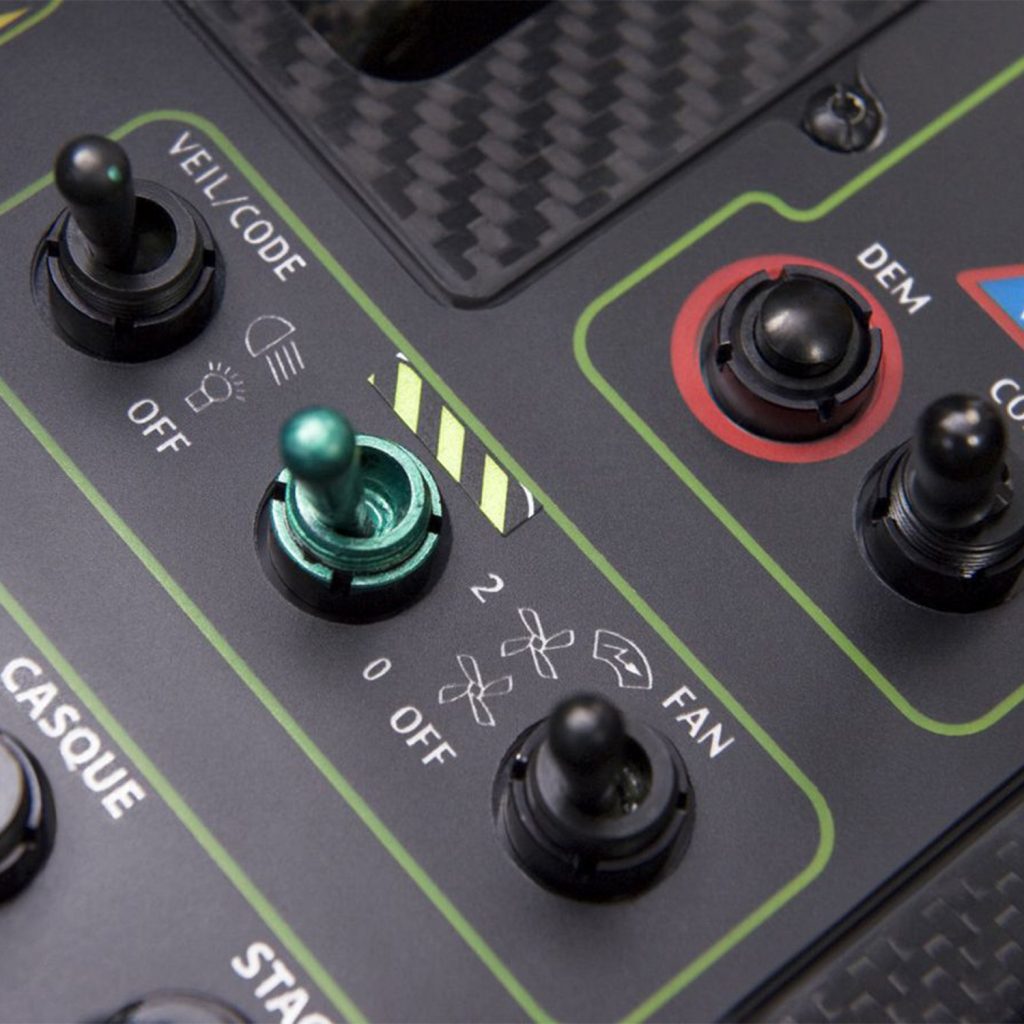
Our Polyurethane Doming represents significant added value, offering high-end customization and enhanced protection for markings.
The technique involves applying a transparent resin to labels or objects, creating a 3D domed effect and a glossy finish.
It allows professionals to differentiate their products with an aesthetic and attractive appearance, while ensuring excellent adhesion on various substrates (PVC, metal, glass, etc.).
Thanks to its resistance to UV rays, scratches, chemical products, and weathering, our Polyurethane Doming guarantees exceptional durability, ideal for both indoor and outdoor use.
Its production is manual and semi-automated. Easily integrated, it meets the needs of both small and large production runs.
Our range Polyurethane Doming

How does the Polyurethane Doming work?
The production of polyurethane Doming follows a rigorous process to ensure a high-quality result:
Label printing
- Before applying the resin, the labels must be printed using eco-solvent or solvent printers, or by screen printing.
Suitable substrates
- The materials used for the labels must be compatible with the polyurethane resin. The most common are adhesive polymeric vinyl.
Cutting
- Performed using a print/cut machine, a cutting plotter, or a laser engraver to obtain precise shapes.
Weeding
- This step consists of removing the unnecessary parts of the vinyl (outlines, unprinted areas) in order to obtain perfectly cut labels.
Substrate stabilization
- The labels are fixed onto stackable storage trays that ensure the support is held in place and protected from dust.
Environmental control
- The ideal temperature is 22 to 25°C with humidity below 60% to prevent the formation of bubbles and ensure proper drying.
Resin and hardener dosage
- Observe the correct 1:1 ratio to ensure perfect hardening.
Homogeneous mixture
- Produced using a degassing mixer, which also helps to eliminate air bubbles.
Precise deposition
- Performed using a manual applicator and a syringe to control the quantity applied.
Application of the liquid to the substrate
- Thanks to its viscosity, the resin will spread over the substrate and stay in place without overflowing, due to the difference in tension between the two materials (labels and liner).
Immediate correction
- If bubbles appear, they can be removed with a needle or by lightly passing over them with a small torch.
Polymerization
- Between 3 and 4 hours in a low-temperature oven, protected from dust to preserve the quality of the labels.
Inspection and finishing
- Once the resin has hardened, check the uniformity of the dome and the absence of bubbles.
Storage and shipping
- Store the labels in a clean place to preserve quality, ship them to customers, or apply them to the intended surfaces.
Materials compatible with our Polyurethane Doming



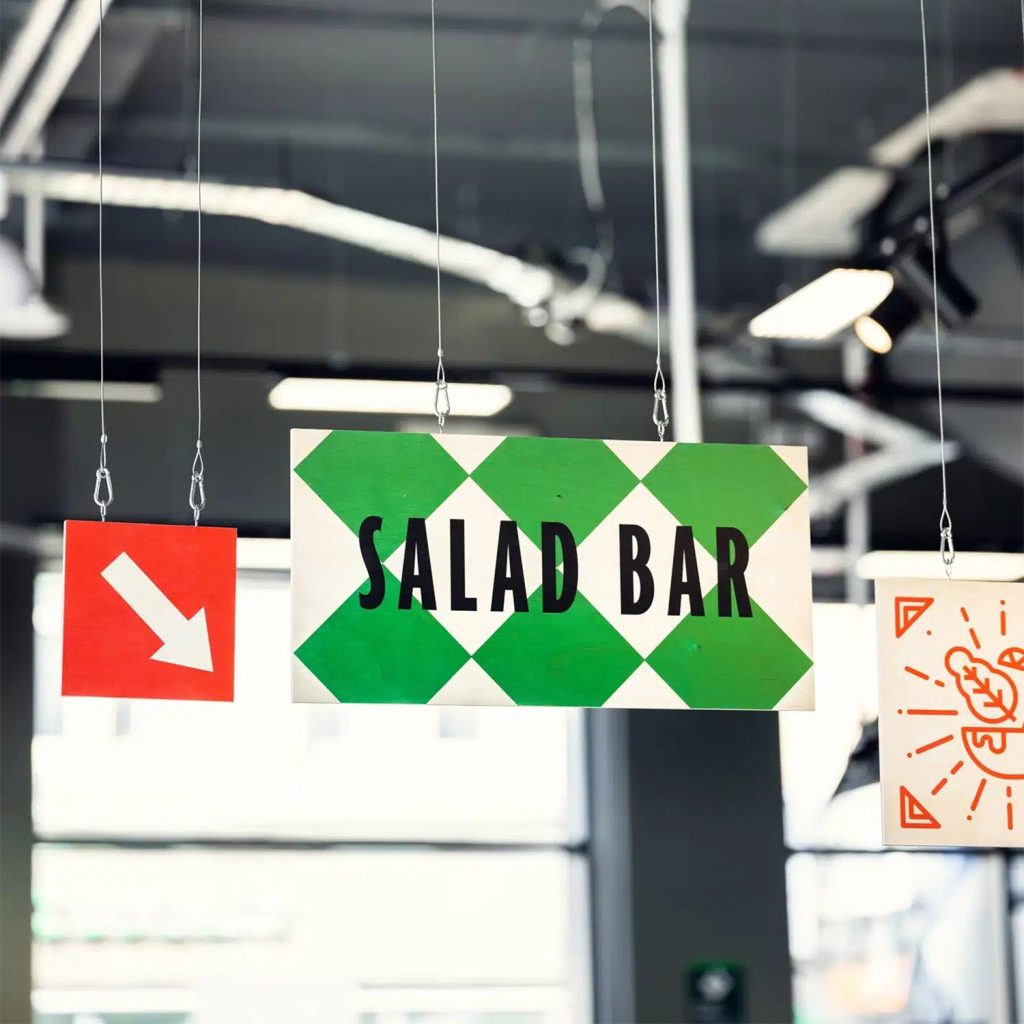

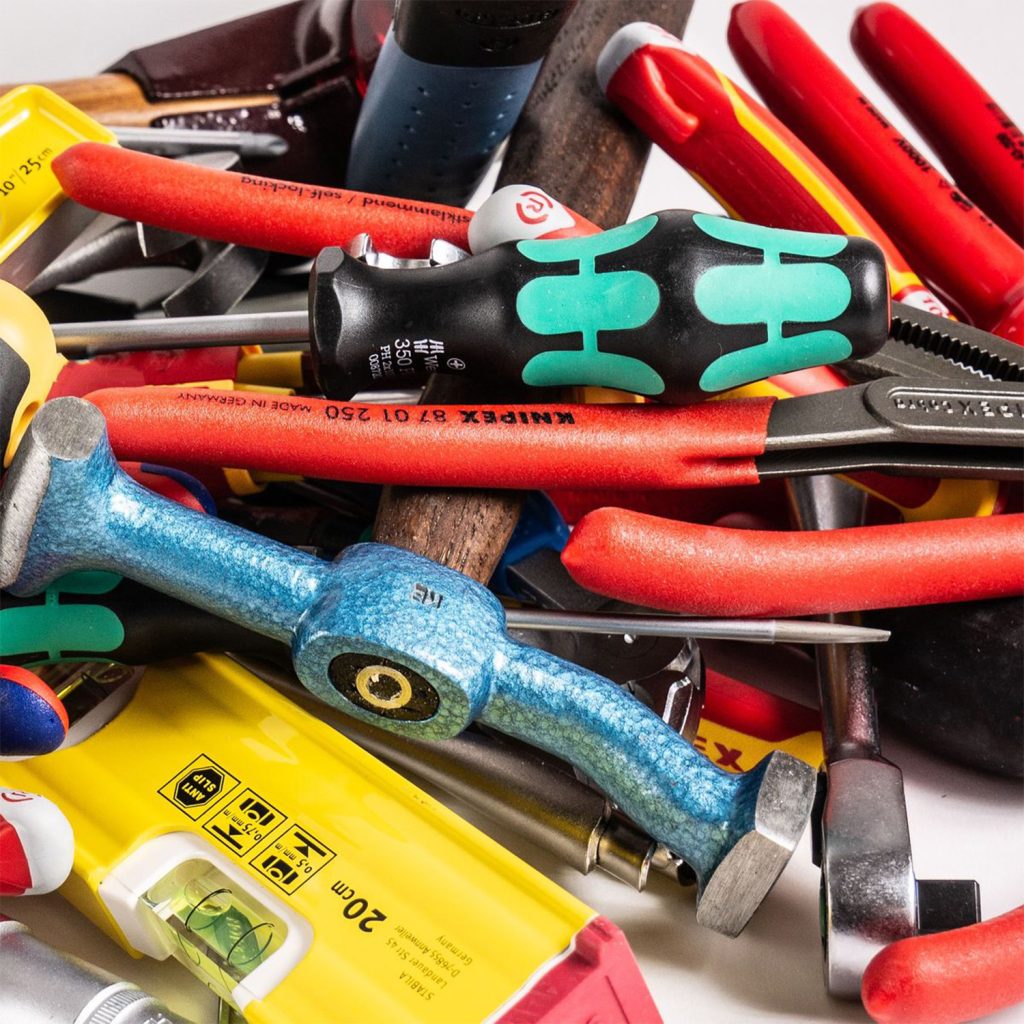

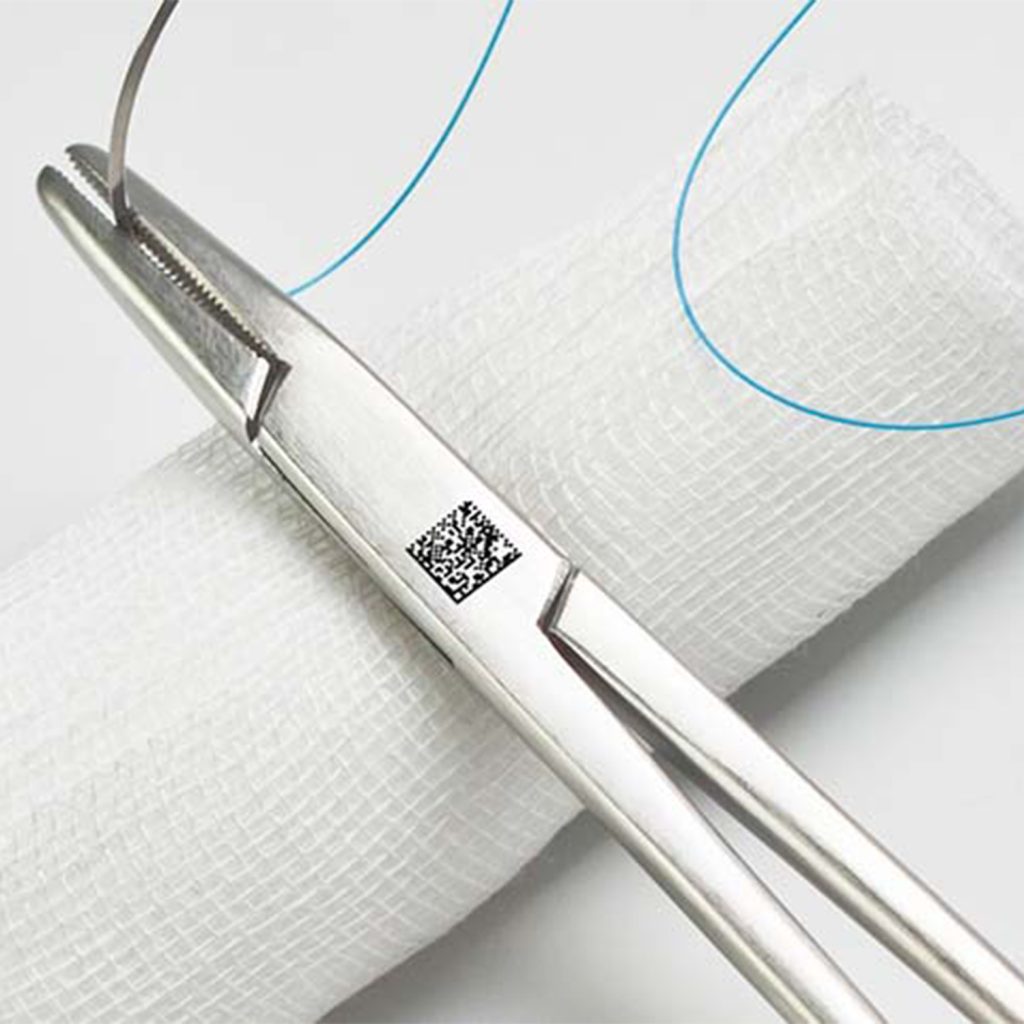
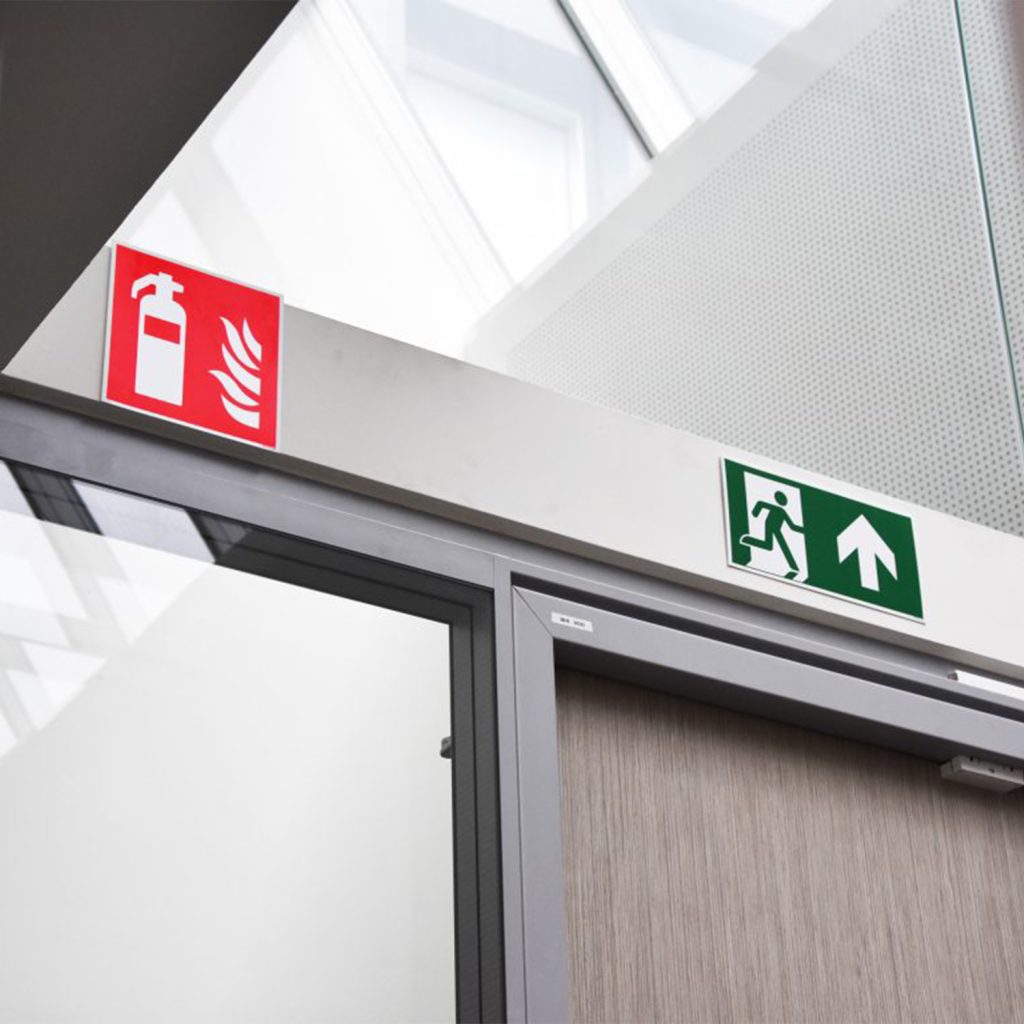

The advantages and uses of Polyurethane Doming

Need a machine suited to your business?
Our team will help you choose a machine suited to your materials, the dimensions of your parts and your production constraints.
FREE QUOTE