




View all news
Fiber laser machines
All our machines of fiber laser marking
Advantages of our fiber laser engravers
Our range of fiber lasers is specially designed for high-precision marking and engraving on metals and certain plastics.
Thanks to their fiber optic technology, they offer optimal power and stability, ensuring excellent marking quality even on the hardest materials like stainless steel, aluminum, brass, or titanium.
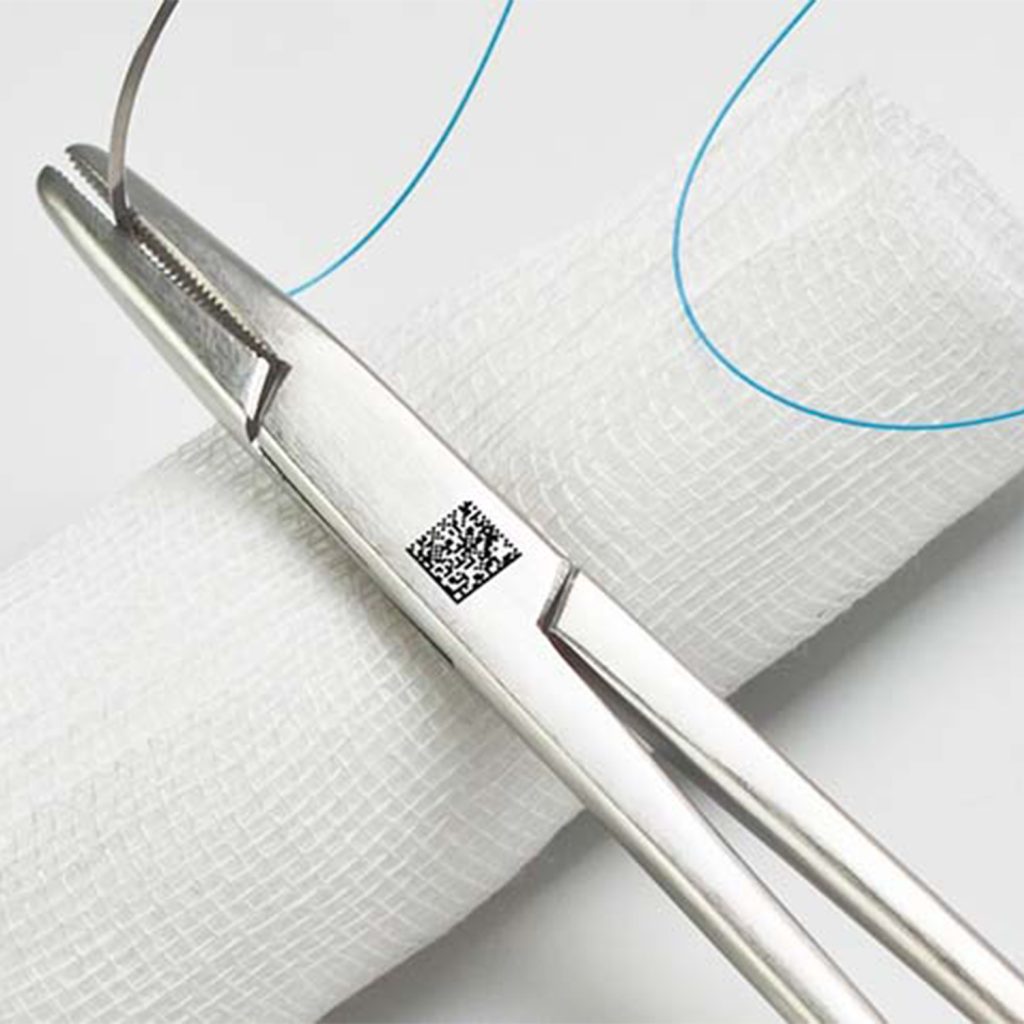
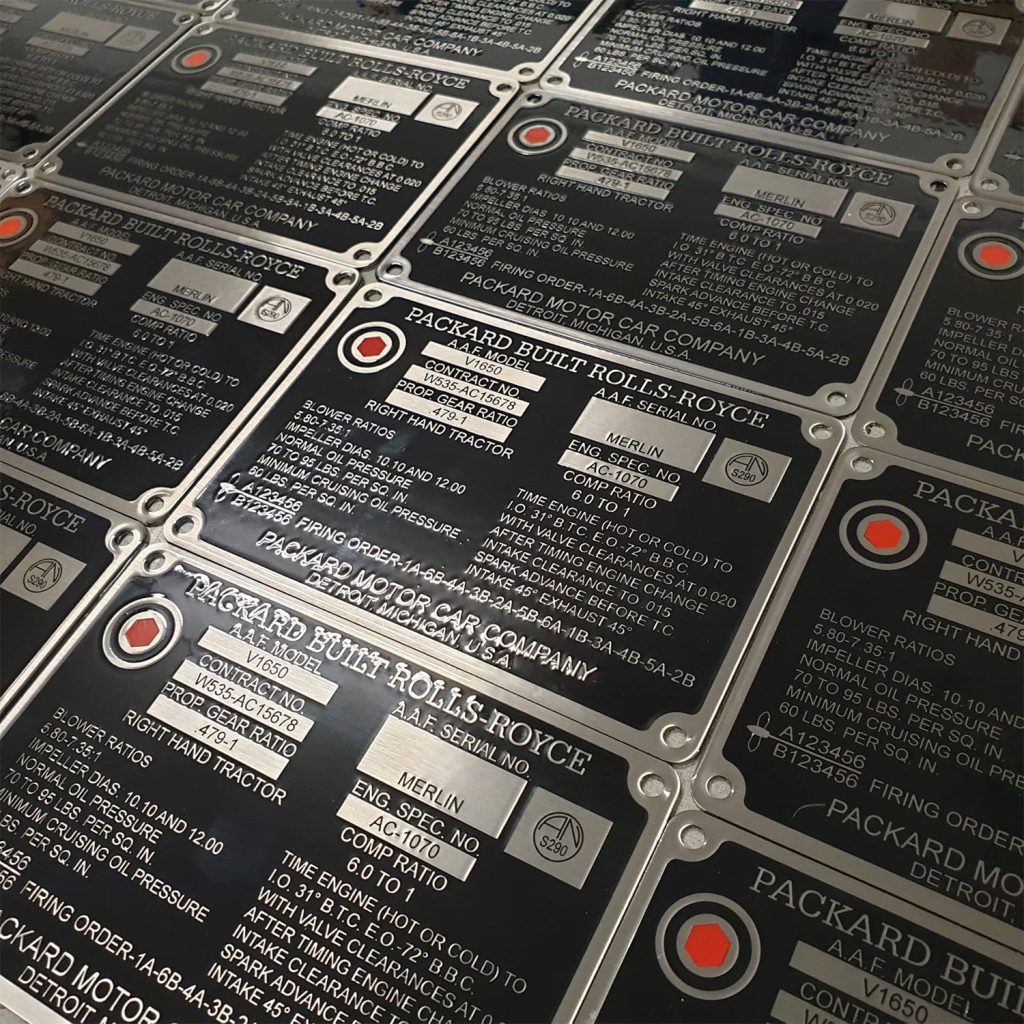
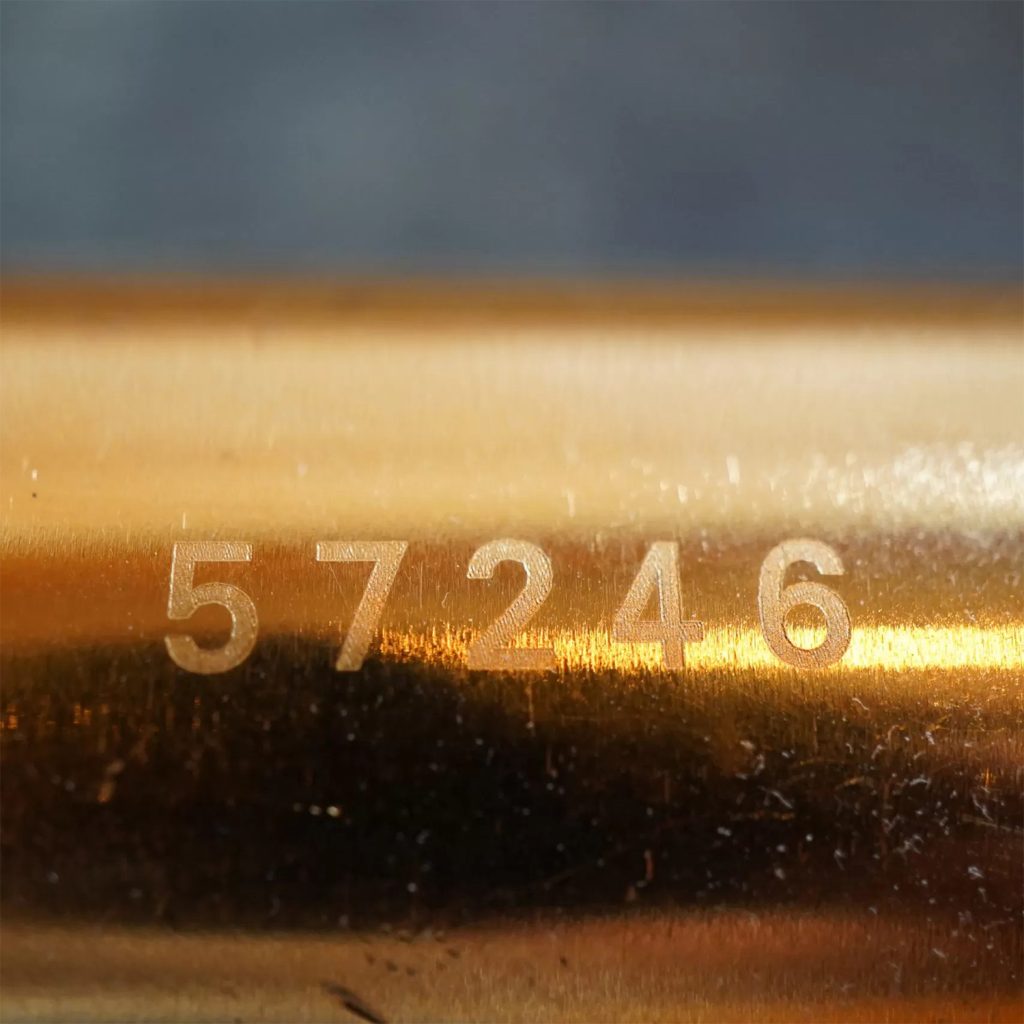
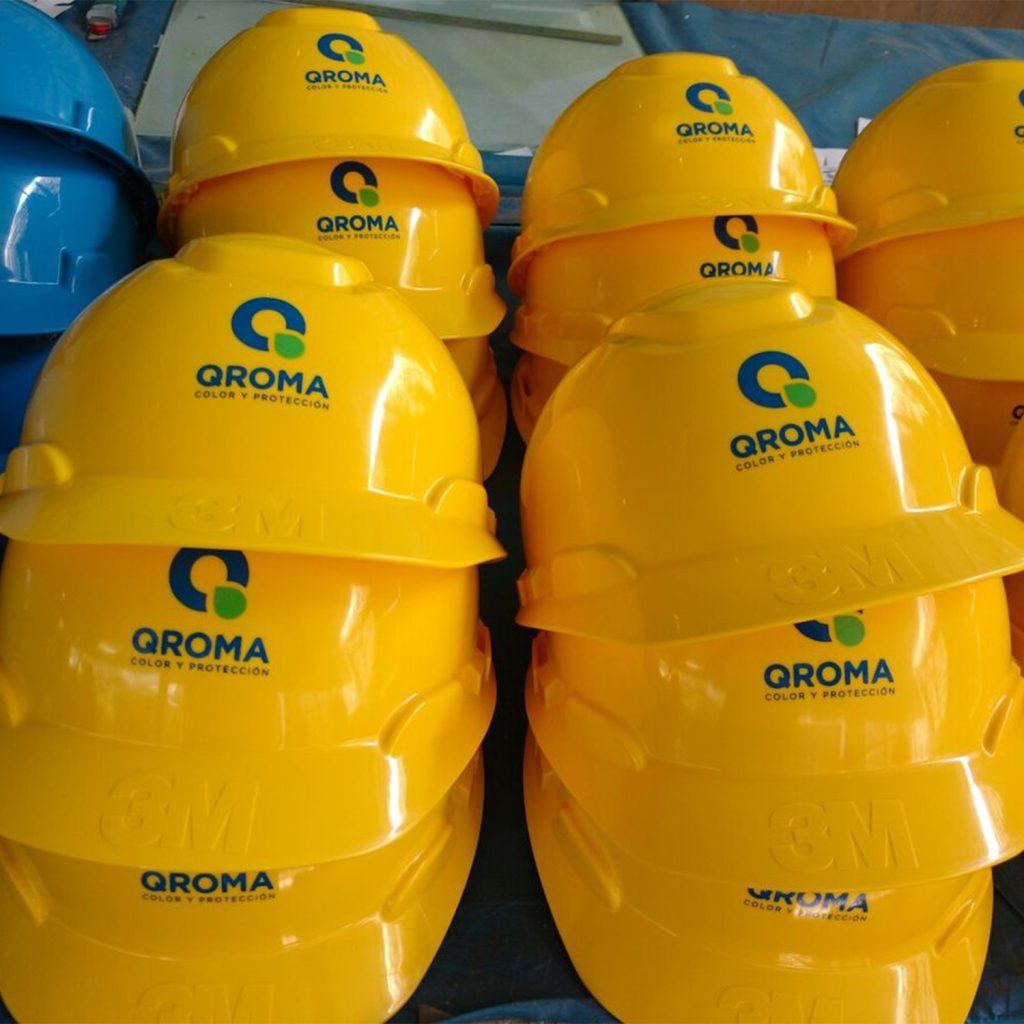
Ideal for industry, they allow for the engraving of logos, serial numbers, barcodes, QR codes, and text with extreme precision, without tool wear or expensive consumables.
On technical plastics, they ensure a sharp and durable marking, often used in the electronics, automotive, and medical sectors.
Invest in cutting-edge technology with our fiber lasers!
Our range of fiber laser machines


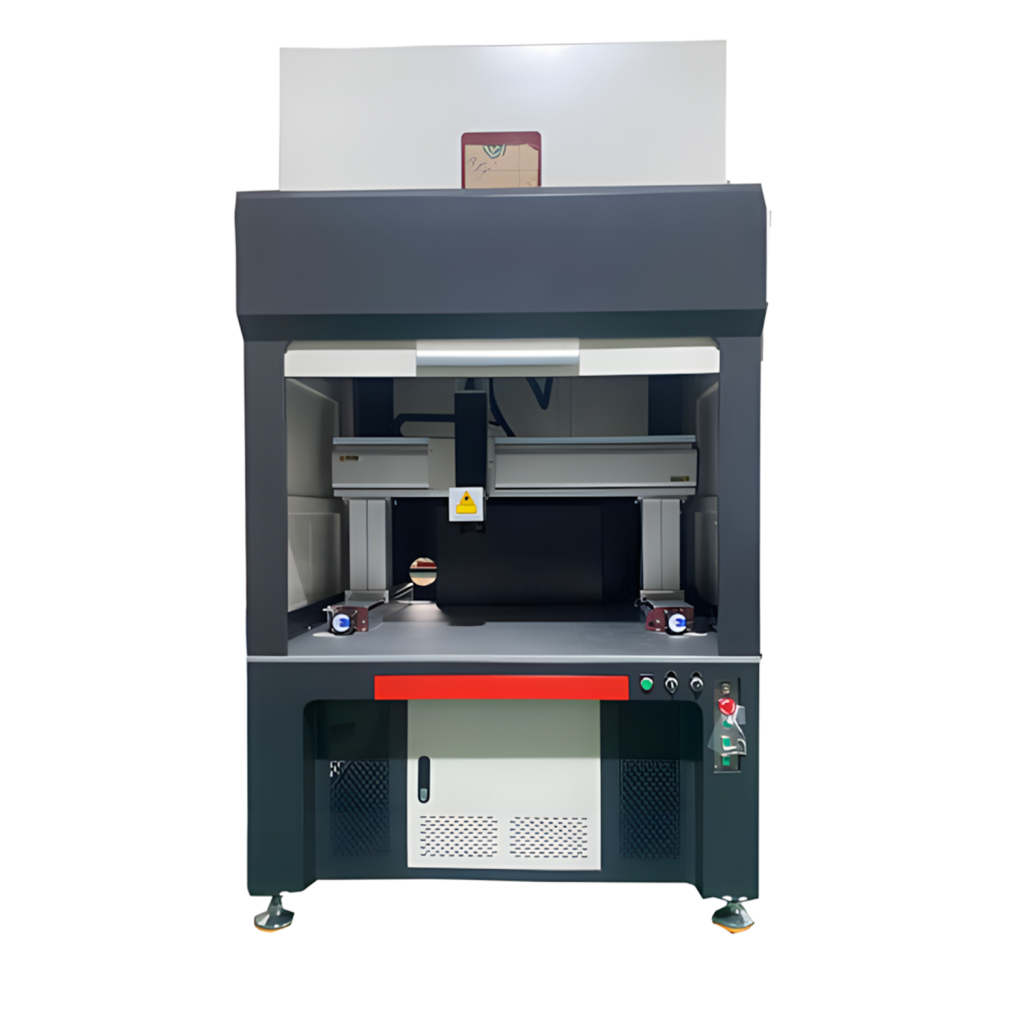
How does a fiber laser work?
The fiber laser operates in three main stages:
Beam generation
- Energy is transmitted to an ytterbium-doped optical fiber, which amplifies the light into a coherent and focused wave. This light has a wavelength of 1064 nm, ideal for metals and certain plastics.
Transmission and focusing
- The laser beam is guided through an optical fiber to a marking head equipped with galvanometer mirrors.
- These mirrors direct the beam with ultra-fast precision onto the material surface.
Interaction with the material
- The laser energy heats and modifies the material surface (oxidation, melting, ablation), creating a permanent and resistant marking.
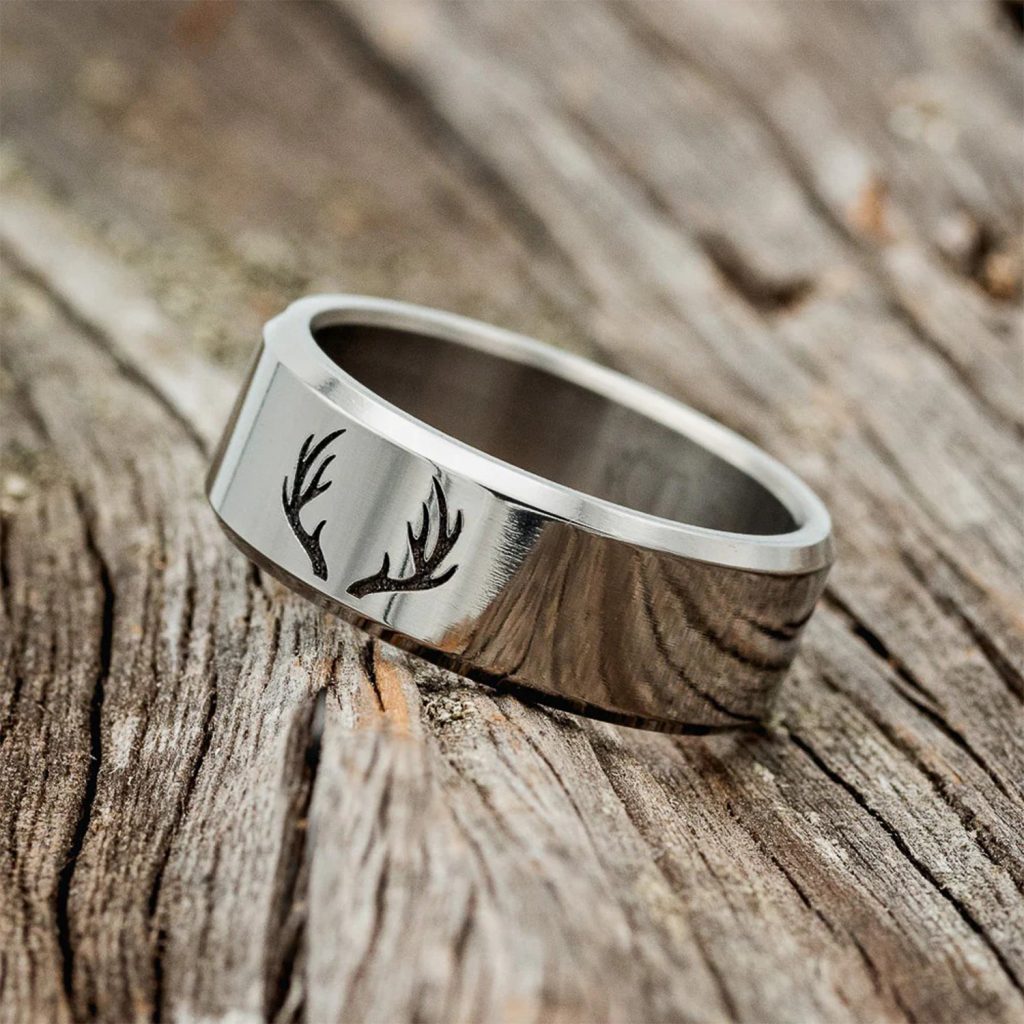
- The power can be adjusted to achieve different effects of deep engraving (e.g., on stainless steel, titanium), contrast marking (e.g., black on anodized aluminum), or thermal coloring (e.g., marking on specific plastics).
Residue extraction and cooling
- An extraction system removes fumes and particles.
Laser marking

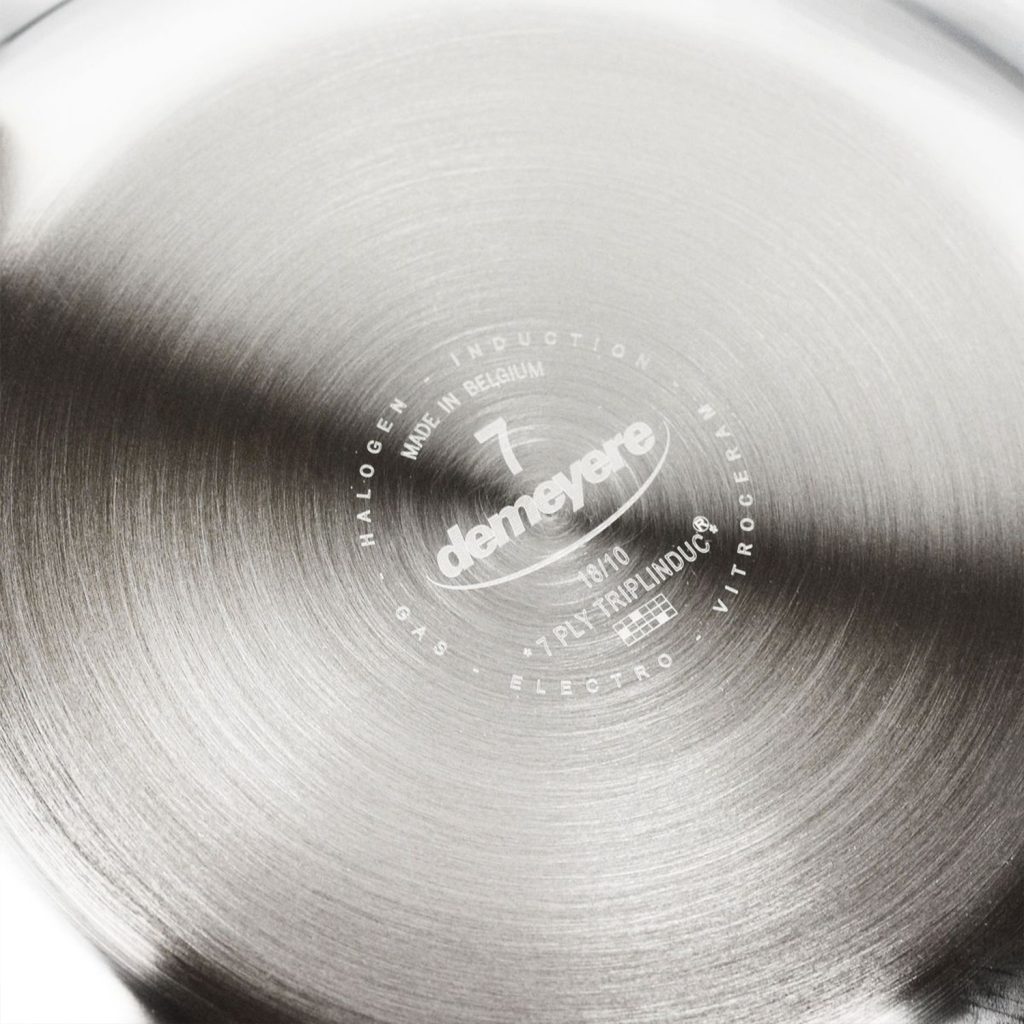
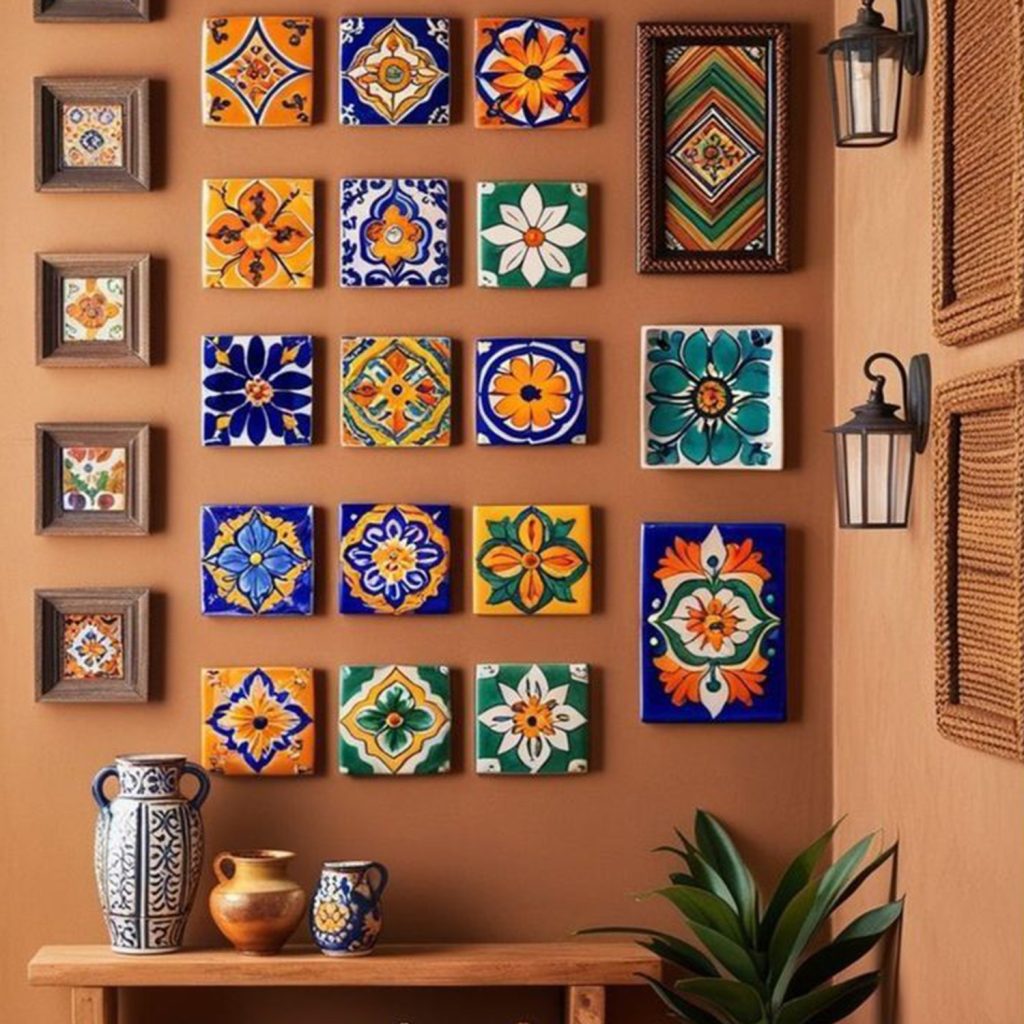
This technique consists of burning the surface of the material, causing carbonization that creates a visual contrast between the original color and the one obtained after marking. This method is often used to ensure part traceability, increment serial numbers, or add references.
Laser engraving

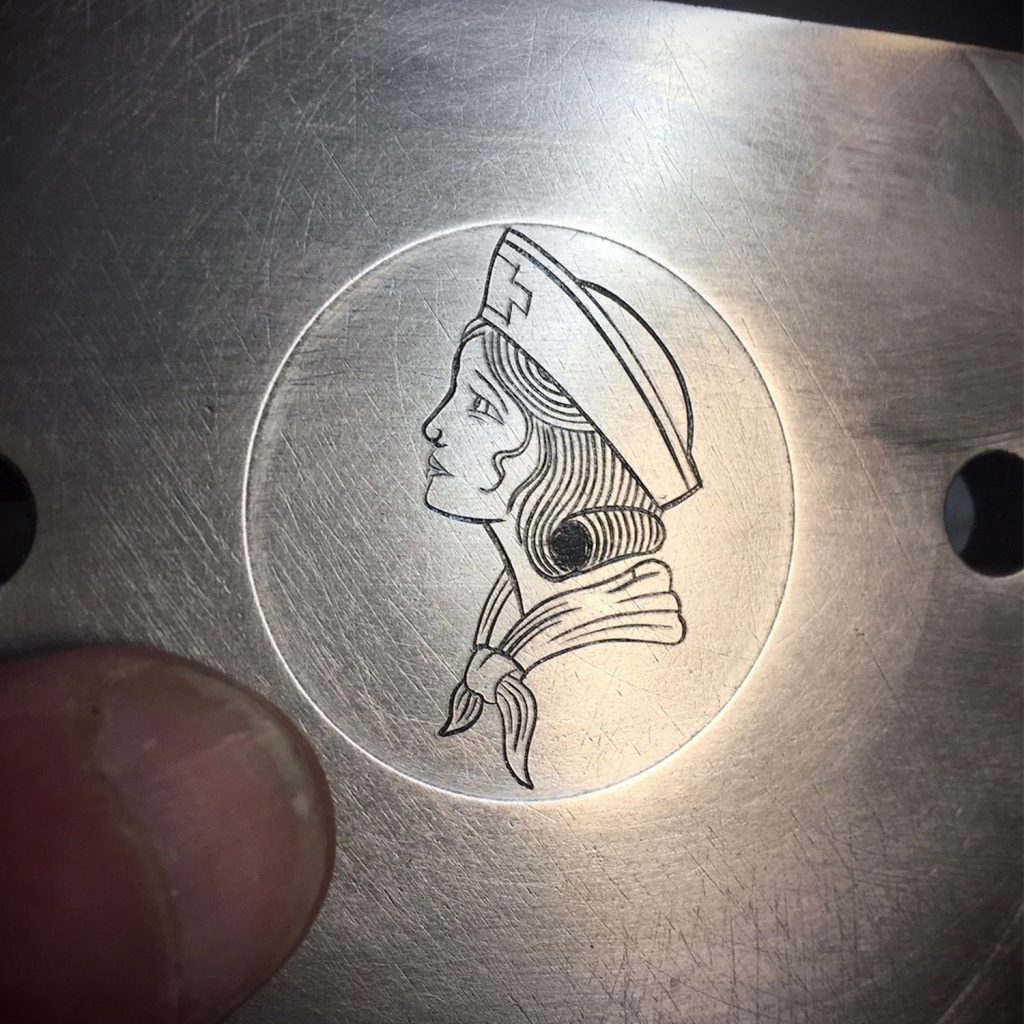
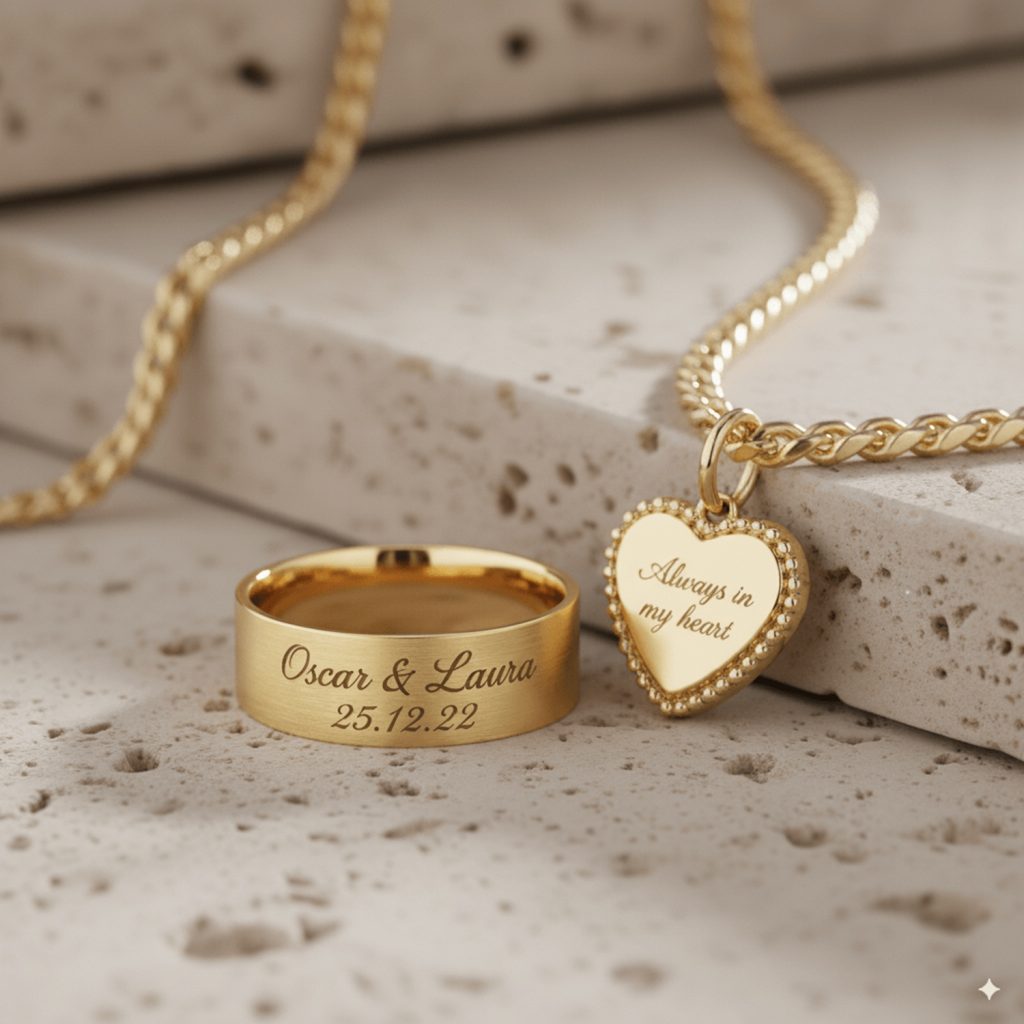
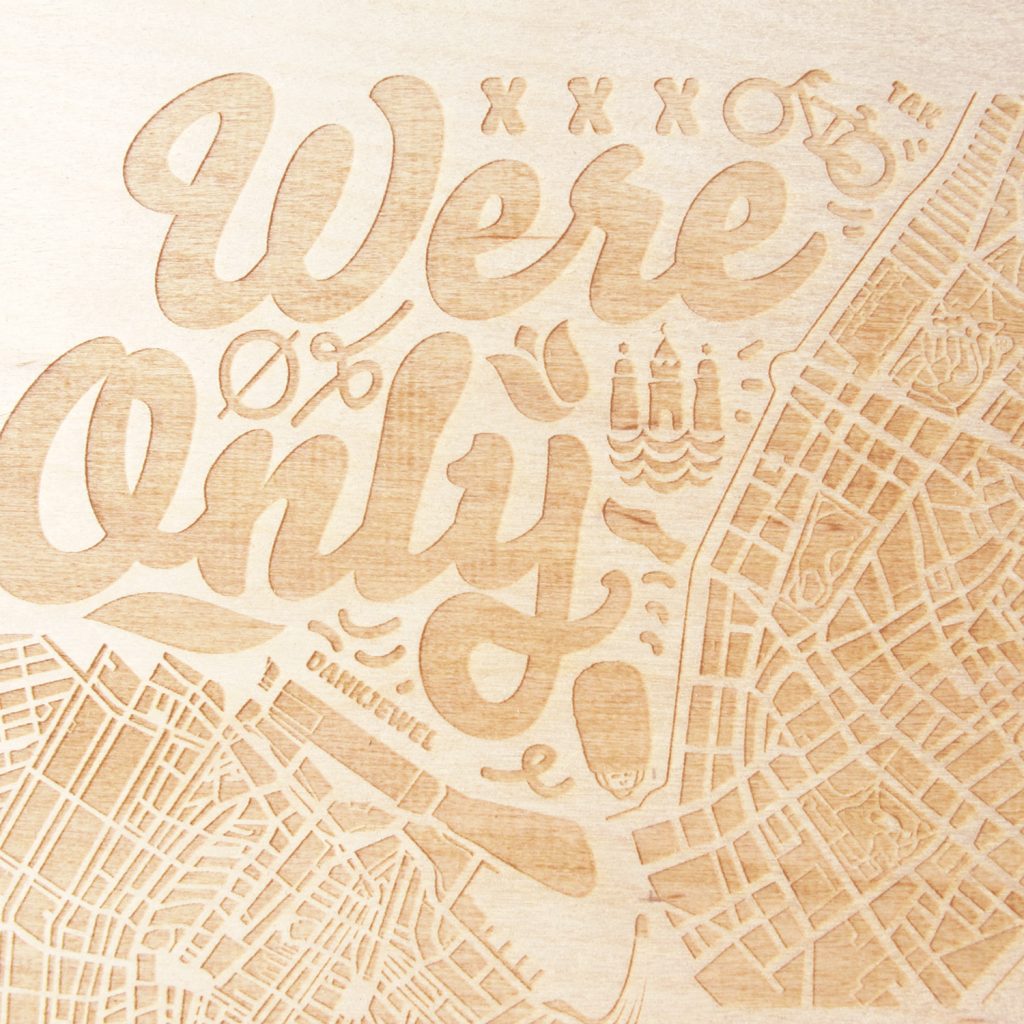
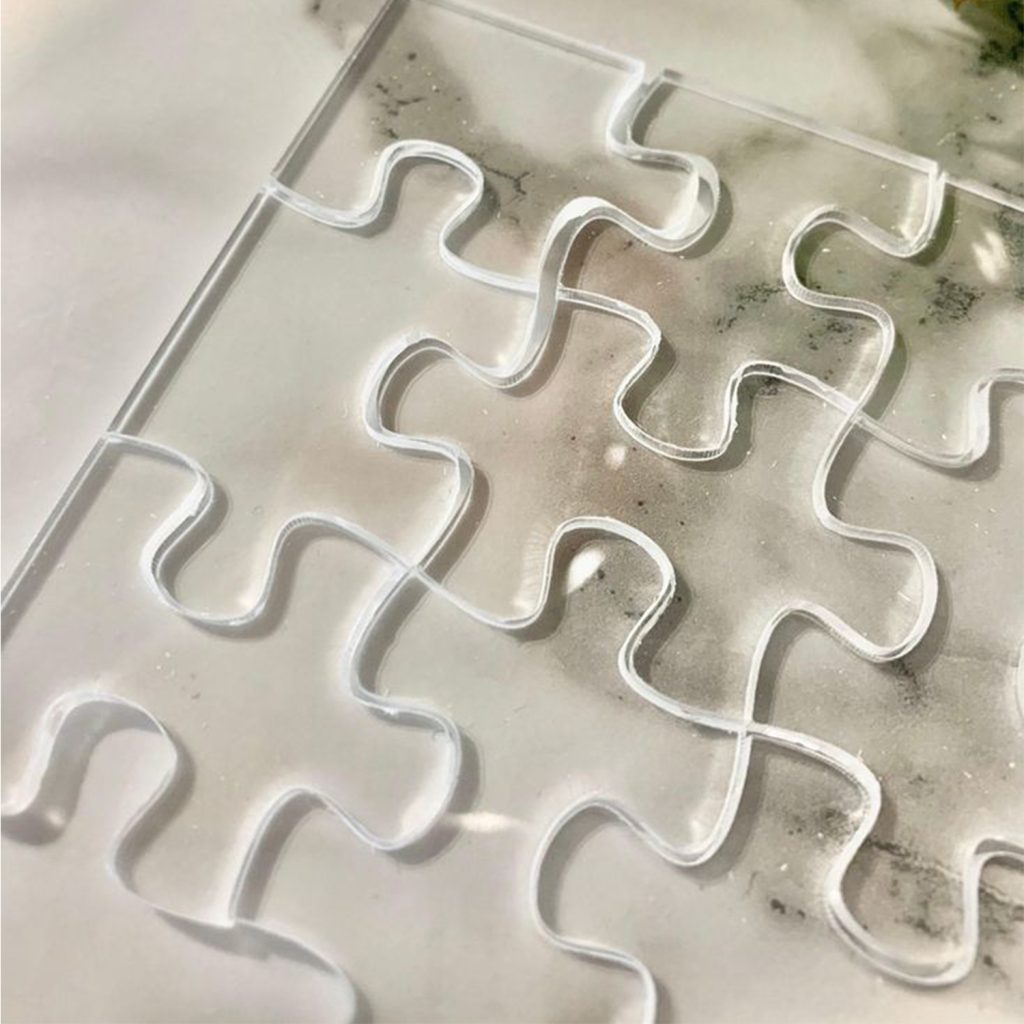
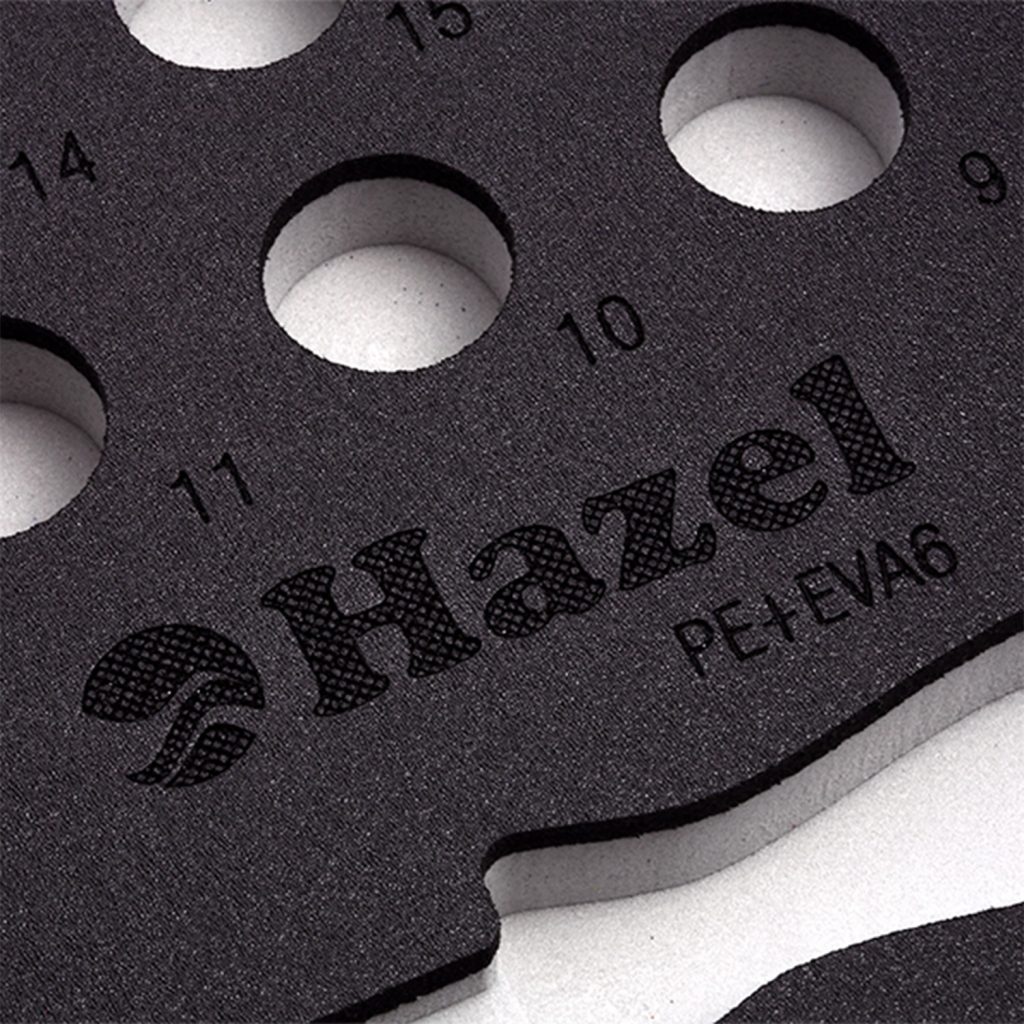
In this process, the laser carves into the surface of the material, removing a thin layer to form a pattern. This allows for detailed engravings on plates or other surfaces, offering precise and durable personalization.
Laser cutting

Laser cutting involves completely piercing the material with a very fine laser beam (about 100 microns). This technique offers high precision and superior cutting quality for various applications such as model making, cutting gaskets, or paper for invitations….