


View all news
Manual pad printing machines
All our machines of manual pad printing
Advantages of our manual pad printing machines
Our manual pad printing solutions are the ideal choice for printing on a wide variety of objects, offering both ease of use and great flexibility.
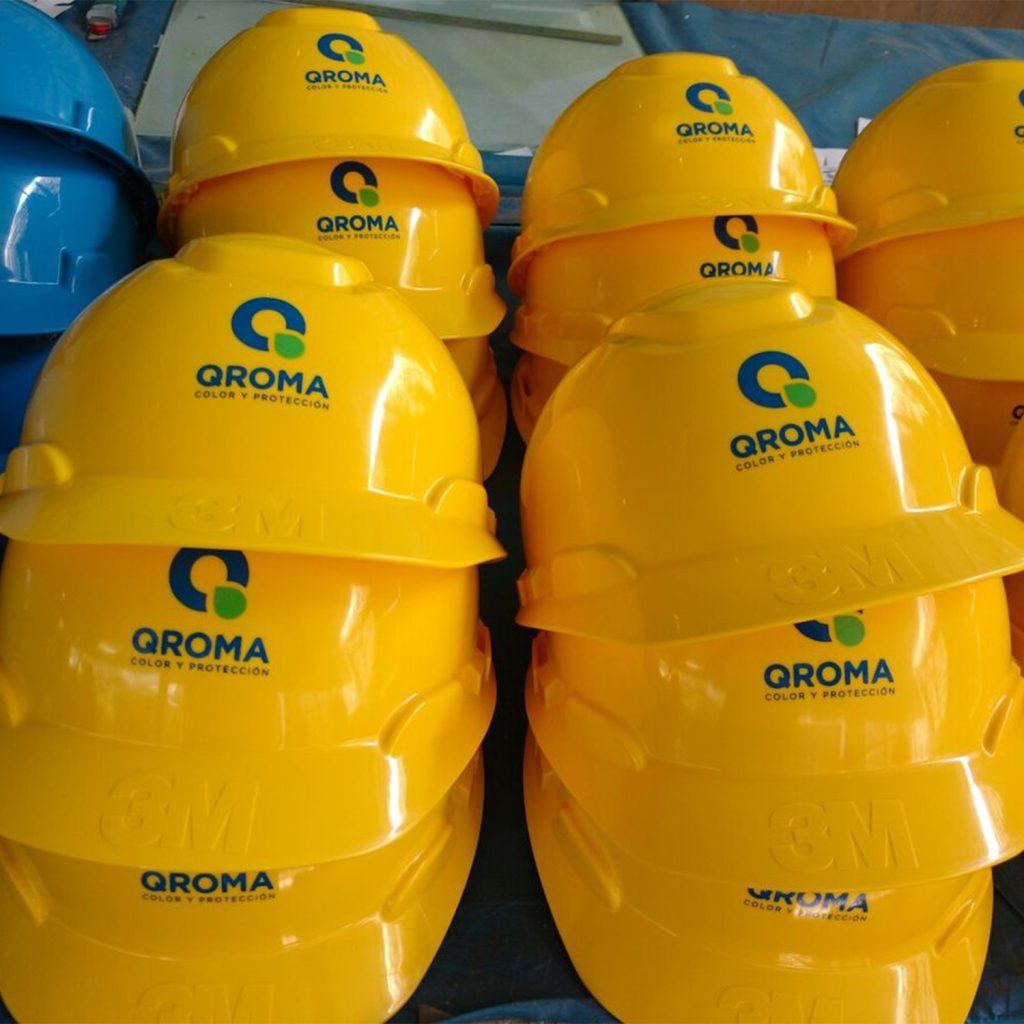
Suited for small batches, artisanal production, or occasional needs, they allow for precise marking on various materials such as plastic, wood, or leather.
They are particularly used for personalizing promotional items such as pens, keychains, lighters, and more.
Thanks to their soft silicone pads, they easily adapt to curved, textured, or irregular surfaces, ensuring a sharp and uniform mark.
Their main advantage lies in their simplicity: they do not require complex training and their investment cost is very attractive.
In addition, they offer great flexibility, allowing for quick switching between different designs or logos thanks to an easy change of printing plates.
They are ideal for testing prototypes before large-scale production or for performing low-volume printing without cadence constraints.
Although their operation is entirely manual, they guarantee excellent print quality with precise details.
Easy to integrate into a workshop or small business, they provide an economical and efficient solution for anyone looking to offer custom marking without needing automated production.
They stand out as essential tools for small-scale production, combining performance, accessibility, and adaptability.
Give your products precision marking thanks to our manual pad printing machines!
Our range of manual pad printing machines


How does a manual pad printing machine work?
A manual pad printing machine operates in several simple steps:
Ink preparation
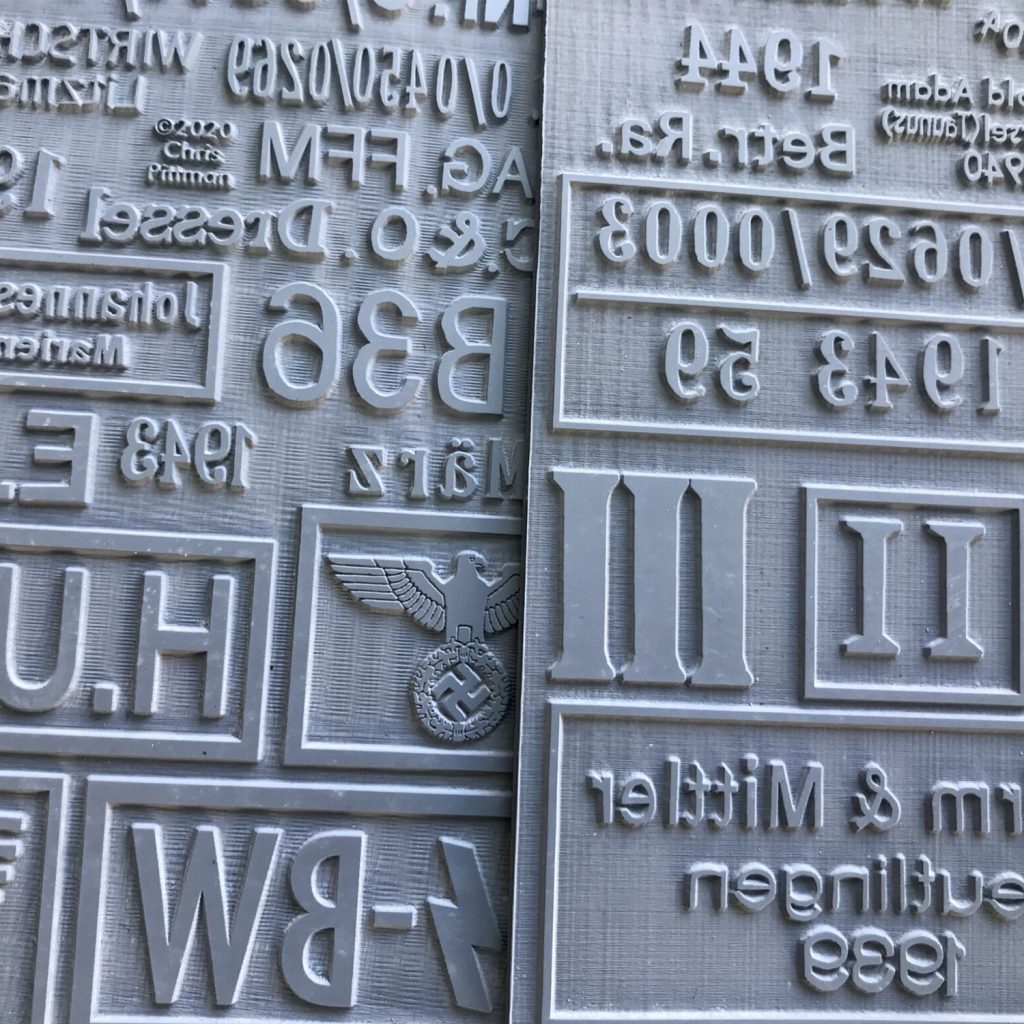
- The ink is placed in a tray or on a plate called a “cliché”. The latter contains the engraved design that one wishes to print.
Filling the cliché
- A doctor blade scrapes off the excess ink, leaving ink only in the engraving of the design.
Ink pickup by the pad
- A silicone pad descends onto the cliché, presses lightly to pick up the ink, and then lifts back up.
Transfer to the object
- The pad is then moved to the object to be printed, where it descends again and deposits the ink onto the surface.
Drying
- The ink dries quickly, leaving a precise and clean mark.
Application examples

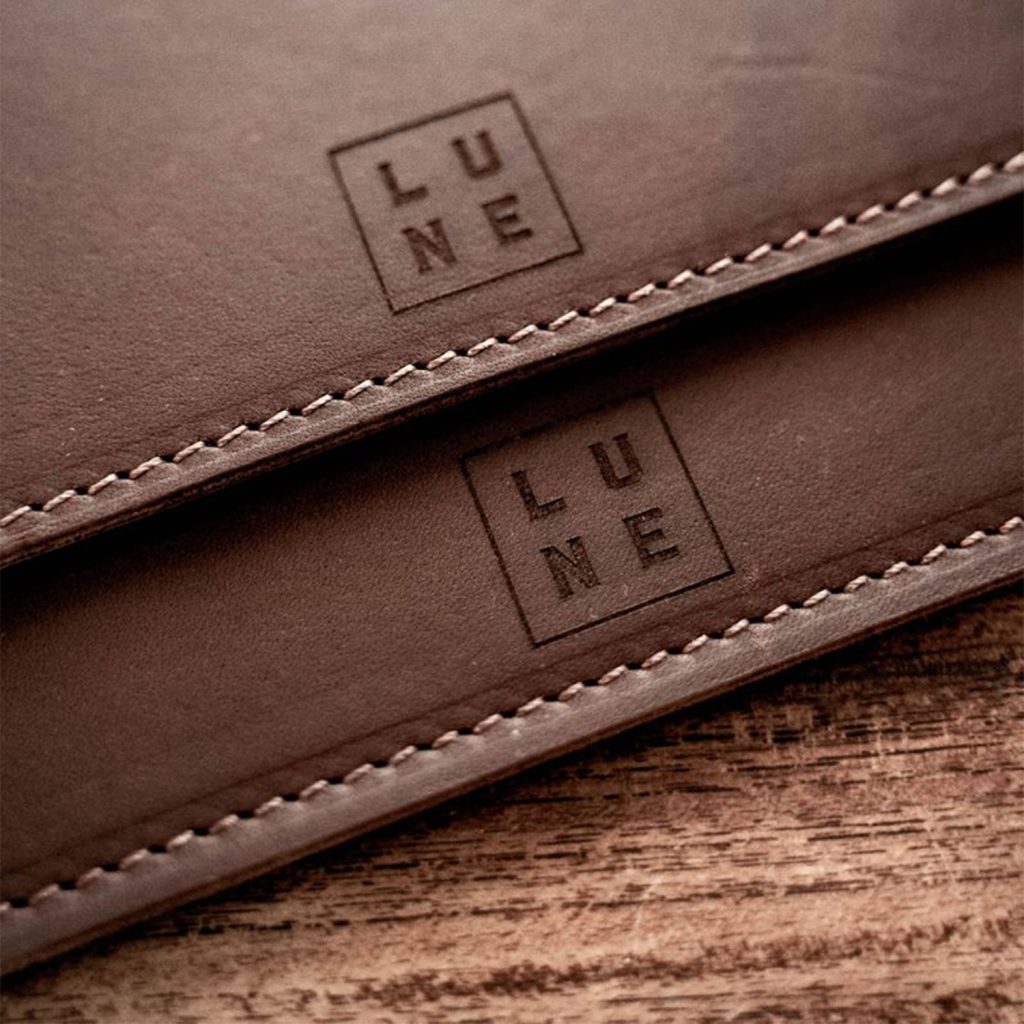
Art, Craft & Creation

Wedding & Events

Electronics & Technology
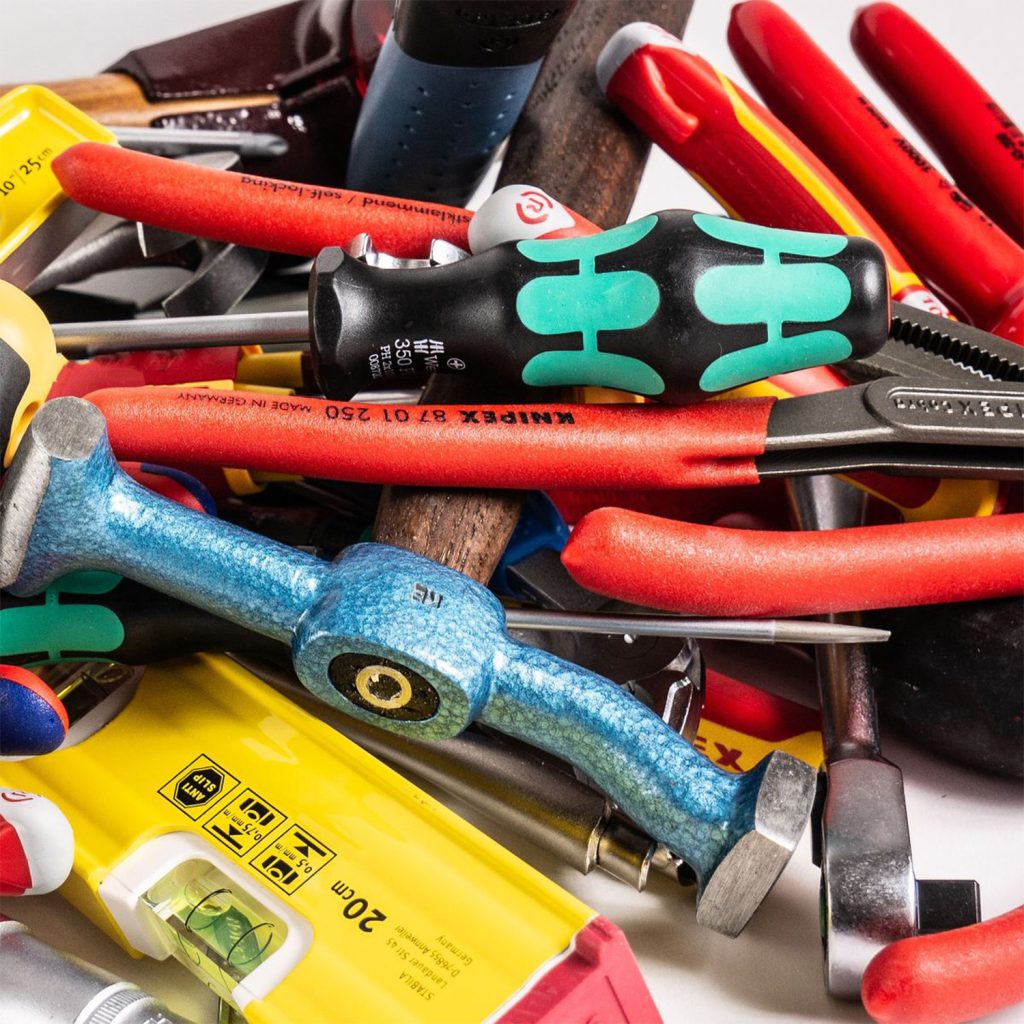
Industry, Tools & Metalworking

Pets
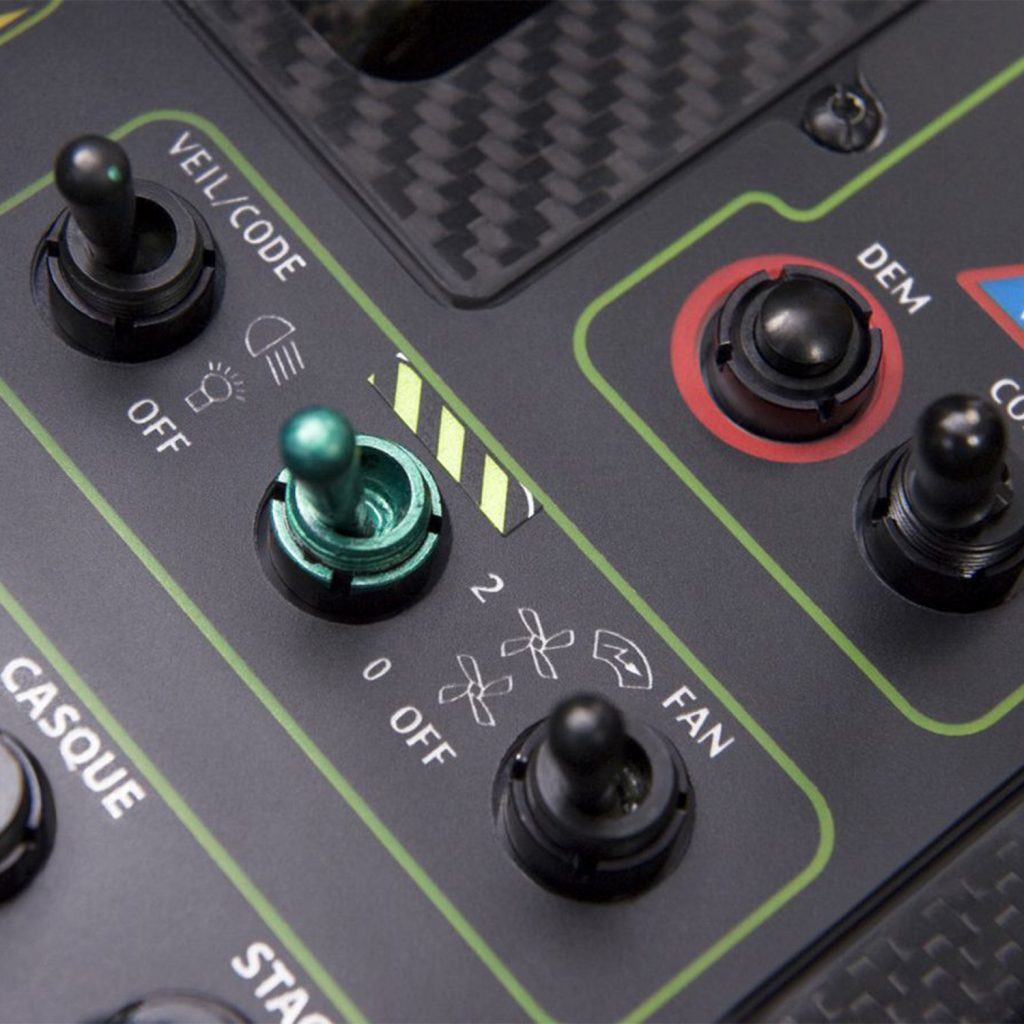
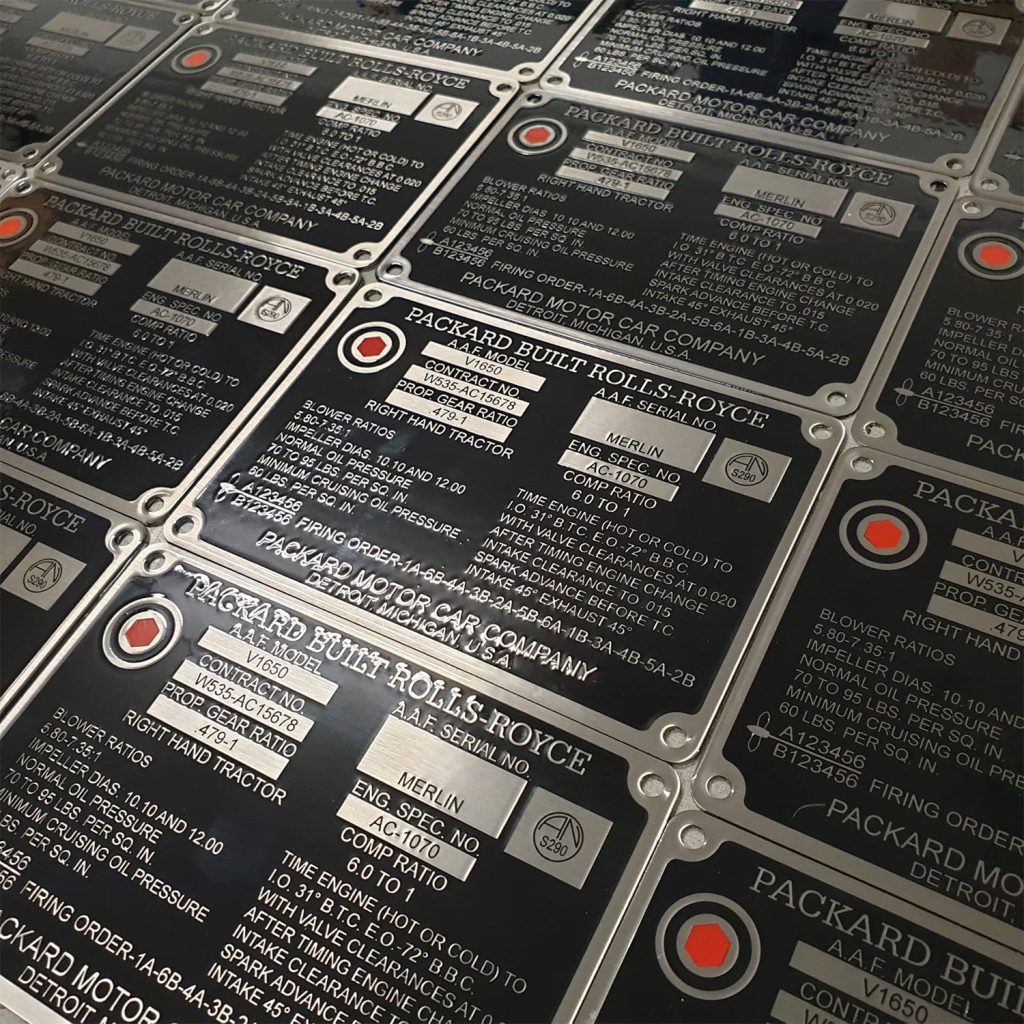
Automotive, Military & Aeronautics

Wellness & Cosmetics

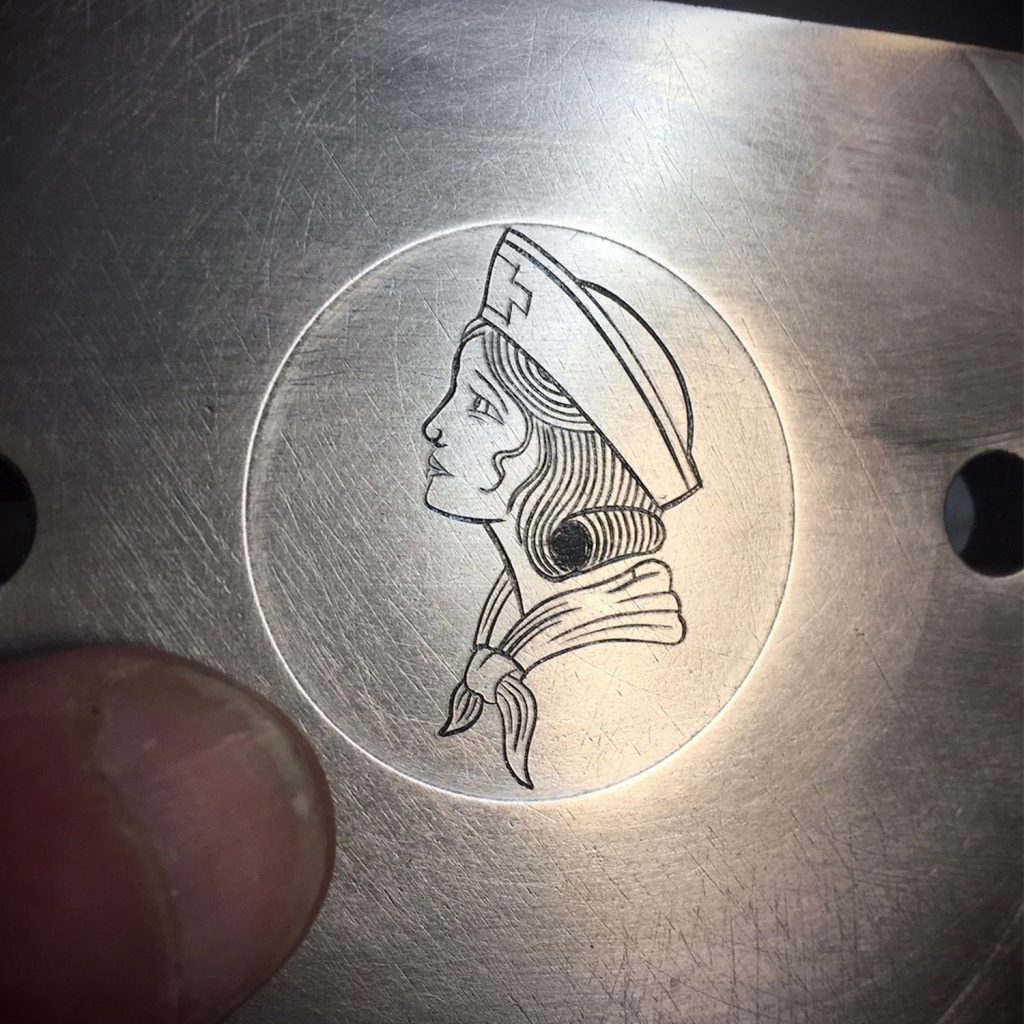
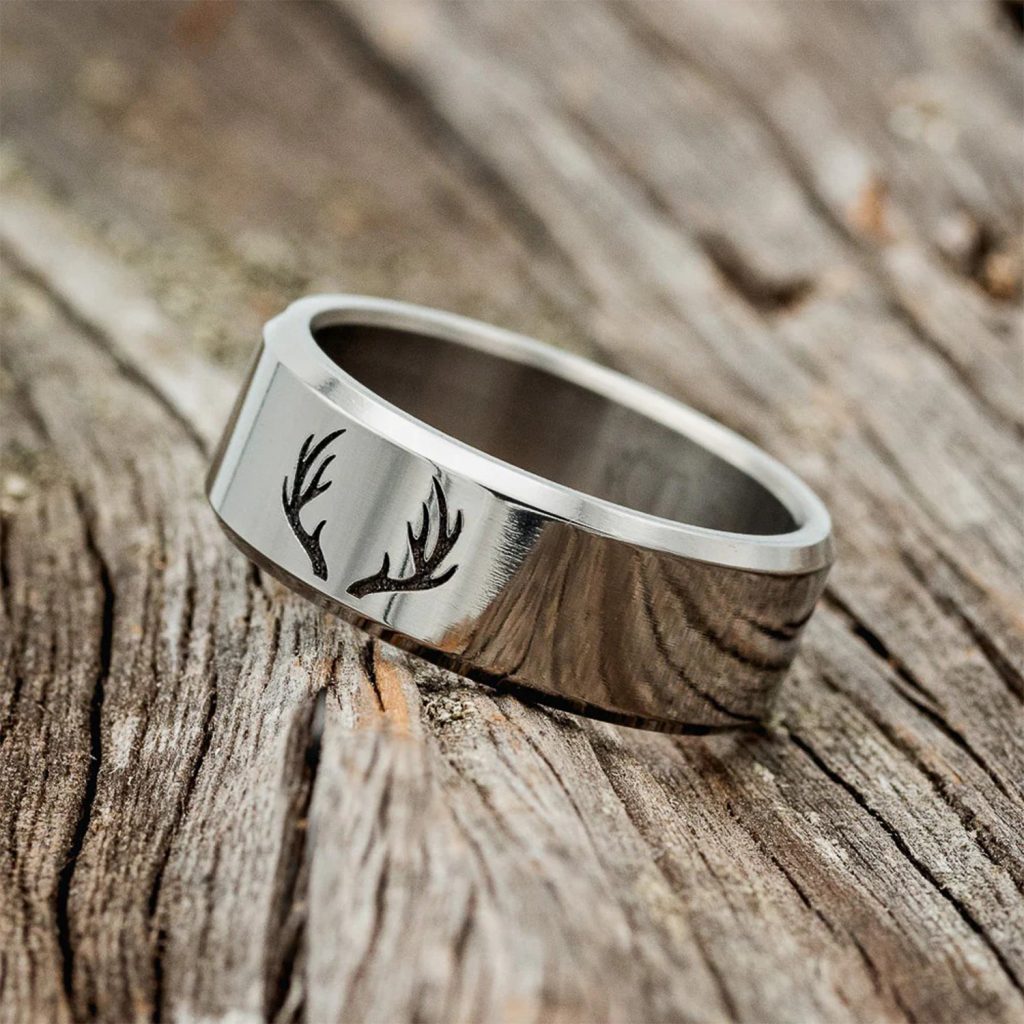
Jewelry & Watchmaking

Knives & Weapons

Recreational & Educational

Nature, Sport & Leisure

Optics & Eyewear
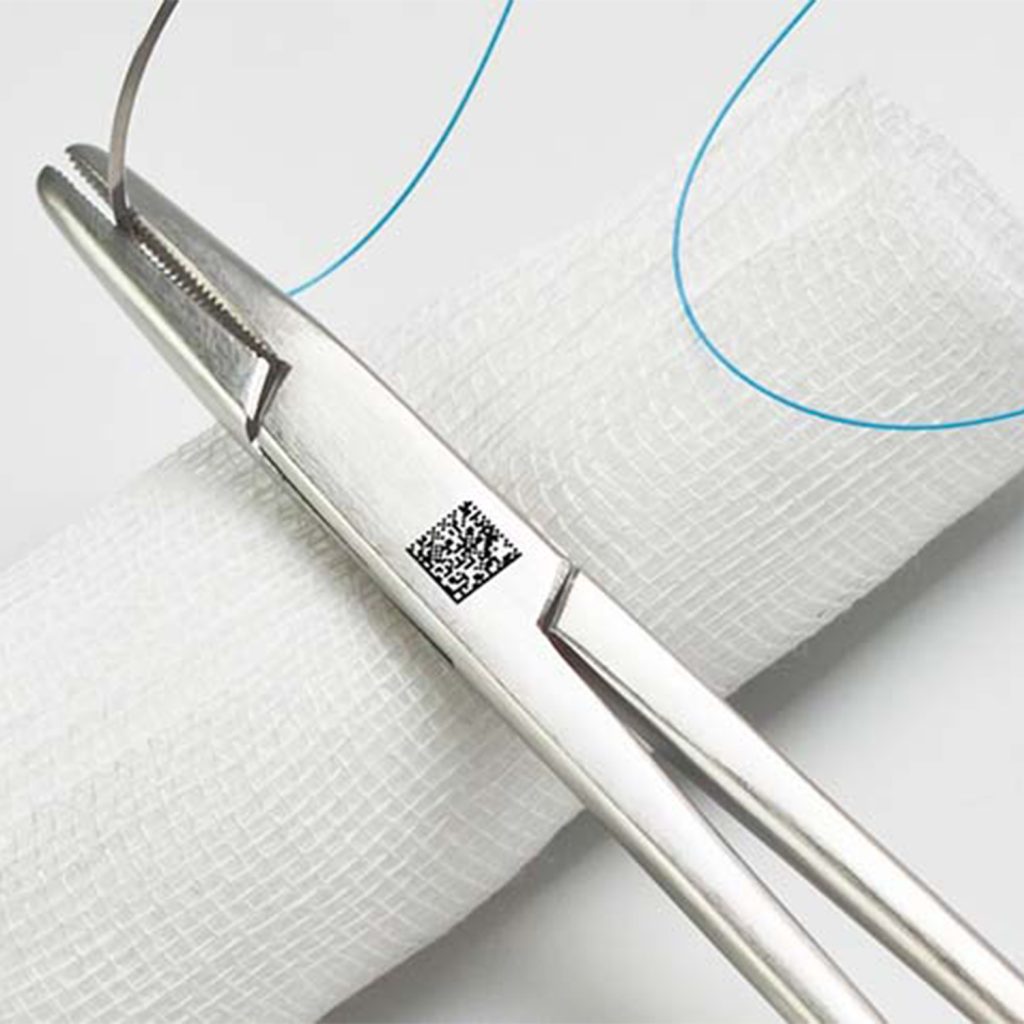
Healthcare, Medical & Laboratory
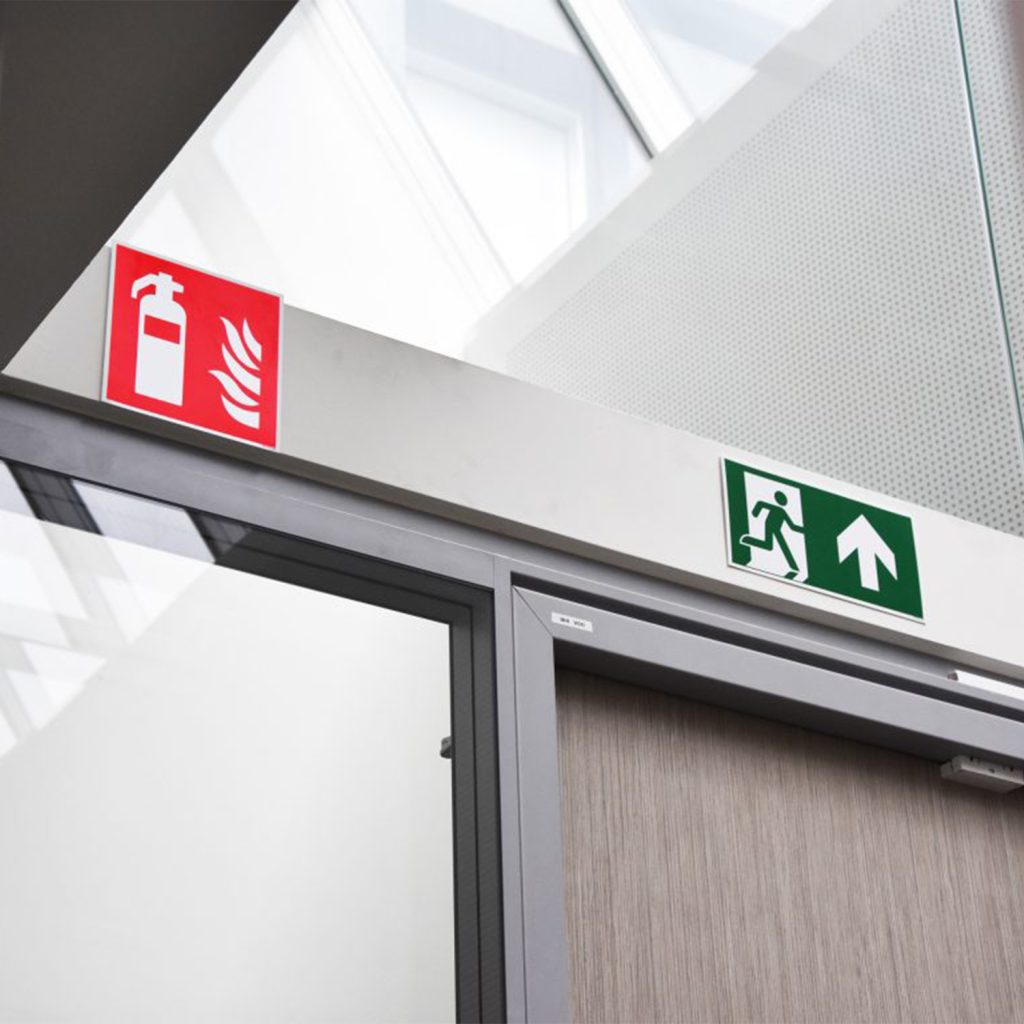
Security, Access & Identification