




View all news
Industrial Laser Marking: Machines and Solutions for Industry
For 60 years, Thermoflan has helped manufacturers select, install and maintain their marking equipment. Industrial laser marking permanently alters the surface of a part with a focused beam of light, with no contact and no consumables.
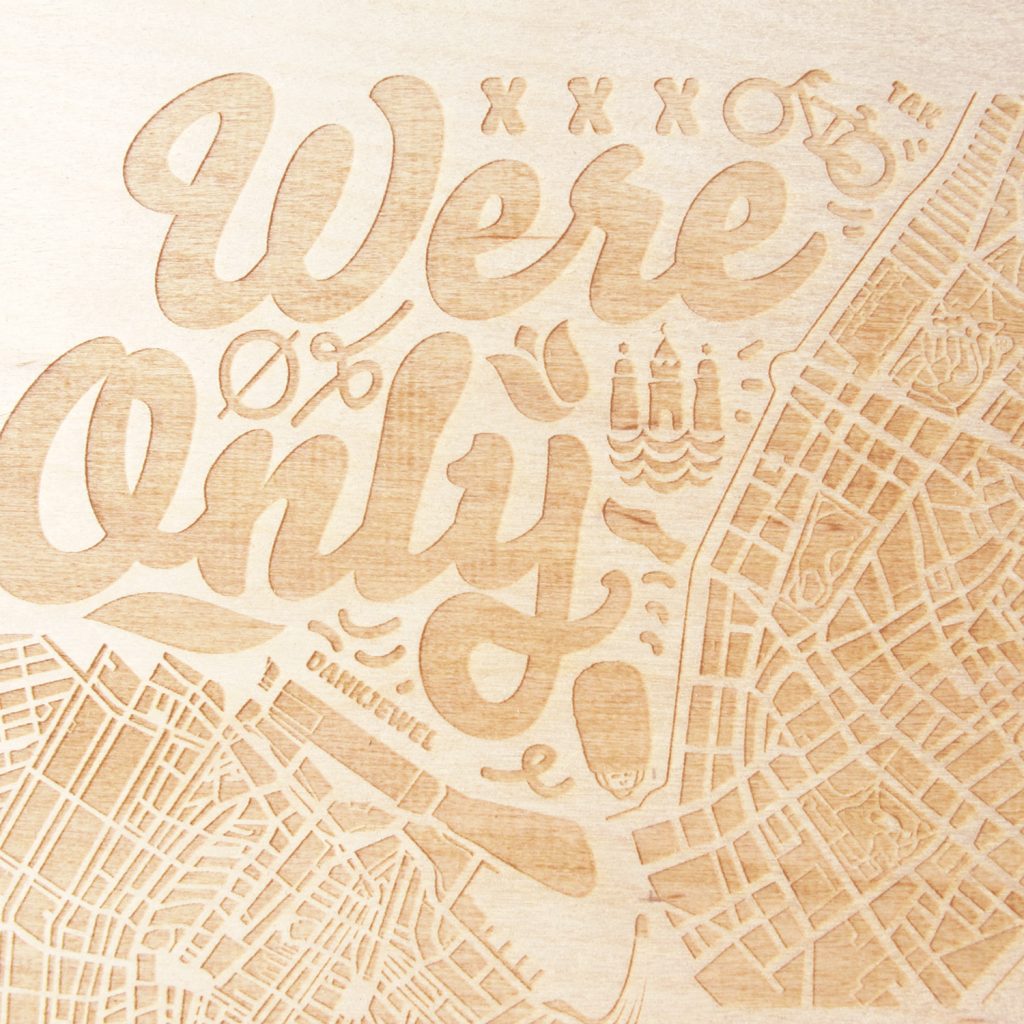
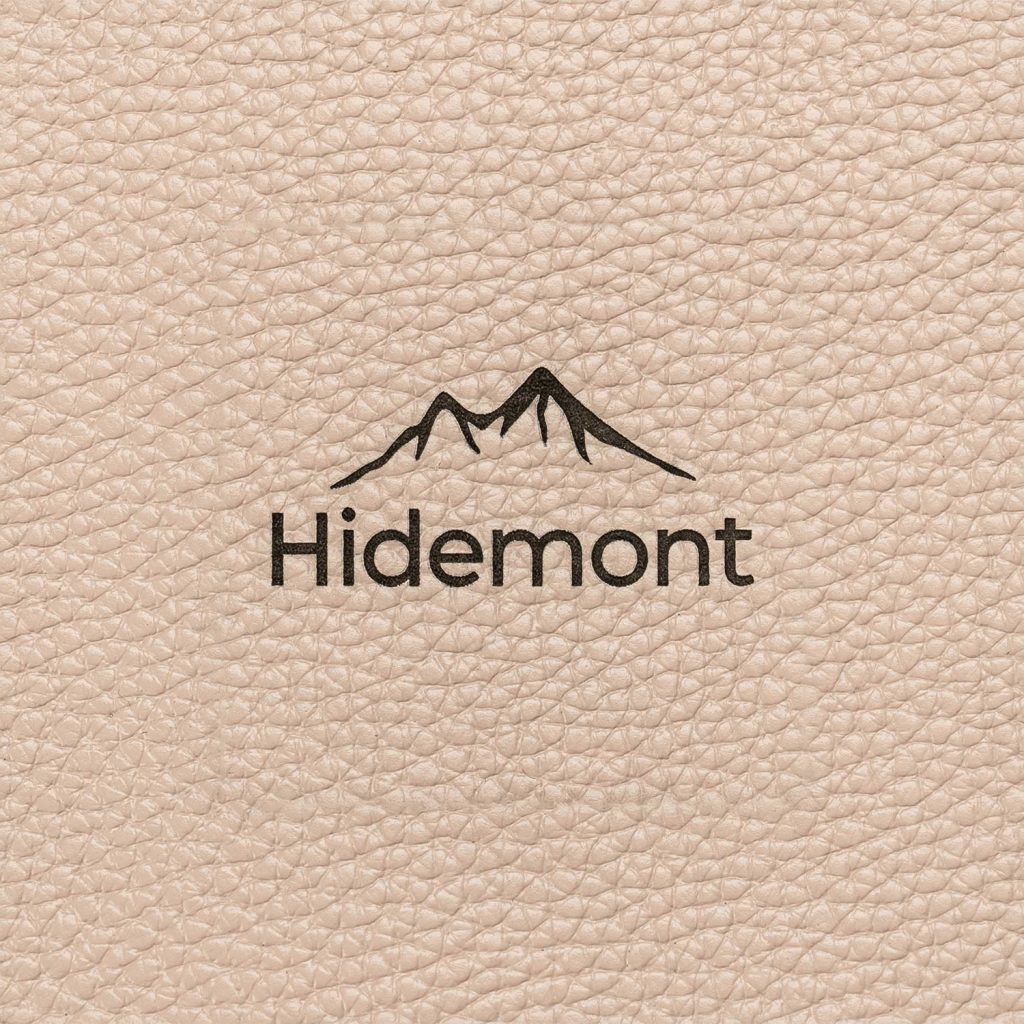
The result is a permanent, precise inscription: serial number, logo or Data Matrix code, on metal, plastic, glass or leather, from single parts to full production runs.
A French manufacturer and distributor based in Molières-Cavaillac (Gard, southern France), Thermoflan keeps machines and spare parts permanently in stock, backed by a reachable technical team and after-sales service. This guide helps you understand the technology and choose the right laser marking machine for your workshop.
What Is Industrial Laser Marking?

How It Works
Industrial laser marking relies on the interaction between a highly concentrated beam and the material: the laser locally heats, oxidises, melts or vaporises the surface.
Depending on wavelength, power and exposure time, the result is a colour change, a slight relief or an engraved recess. The pattern is software-driven, and the part is never mechanically stressed.
The Benefits of Laser Marking in Industry
Technically, laser marking delivers unmatched precision and repeatability: fine characters, dense 2D codes and consistent quality across the whole batch.
Economically, a marking laser uses no ink, no stylus and no labels. Recurring costs disappear and maintenance stays light.
From a compliance standpoint, industrial laser marking meets unique identification requirements in medical devices (UDI) and aerospace and defence (UID) by engraving Data Matrix or QR codes directly onto the part. Finally, the absence of solvents and ink waste simplifies environmental compliance.
How Does a Laser Marking System Work?
Beam Generation
The heart of a laser marking machine is its source. Fiber sources emit at 1,064 nm and are readily absorbed by metals and many engineering plastics.
CO₂ sources emit at 10.6 µm and interact with organic materials and treated aluminium such as AlumaMark. UV sources, at 355 nm, allow “cold” marking suited to heat-sensitive plastics and electronics.
Galvanometer Head: Precision and Scanning Speed
In a galvo station, two mirrors mounted on very fast motors steer the beam across the entire marking field. A line of text or a Data Matrix is marked in a fraction of a second, without moving the part.
Three-axis versions add dynamic focus control to mark curved or stepped surfaces.
Key Parameters: Power, Frequency, Speed
Three settings define the outcome of industrial laser marking. Power controls depth or contrast intensity, pulse frequency governs line fineness, and scanning speed balances throughput against quality.
Saved per material in the software, these parameters guarantee perfect reproducibility from one batch to the next.
Types of Industrial Lasers
Fiber Laser
The fiber laser is the reference for laser marking on metal: steel, stainless steel, aluminium, titanium or brass. It handles annealing, deep engraving and marking of engineering plastics.
Robust and with a maintenance-free source, it is the workhorse of continuous production. Explore Thermoflan’s range of fiber laser marking machines.
CO₂ Laser
The CO₂ laser excels on organic materials and large formats. It engraves and cuts wood, acrylic or leather, and marks glass.
Paired with a galvo head, it marks packaging and treated-aluminium nameplates at high speed. See our CO₂ lasers for engraving and cutting, available as flatbed or galvo stations.
UV Laser
The UV laser produces a low-heat mark, ideal for fragile plastics, electronics, glass and cosmetic containers.
Its strong contrast on white or transparent surfaces makes it the tool of choice for fine 2D codes. Browse our UV laser marking machines.
| Criterion | Fiber laser | CO₂ laser | UV laser |
|---|---|---|---|
| Wavelength | 1,064 nm | 10.6 µm | 355 nm |
| Materials | Metals, engineering plastics | Wood, leather, glass, acrylic, treated aluminium | Sensitive plastics, glass, electronics |
| Main technique | Annealing, deep engraving, ablation | Engraving, cutting, surface marking | Cold marking |
| Sectors | Automotive, aerospace, medical, tooling | Signage, packaging, crafts | Electronics, medical, cosmetics |
| Key advantage | Versatility on metals, permanence | Large work area, cutting capability | Very low heat input |
Laser Marking Techniques
Standard Marking
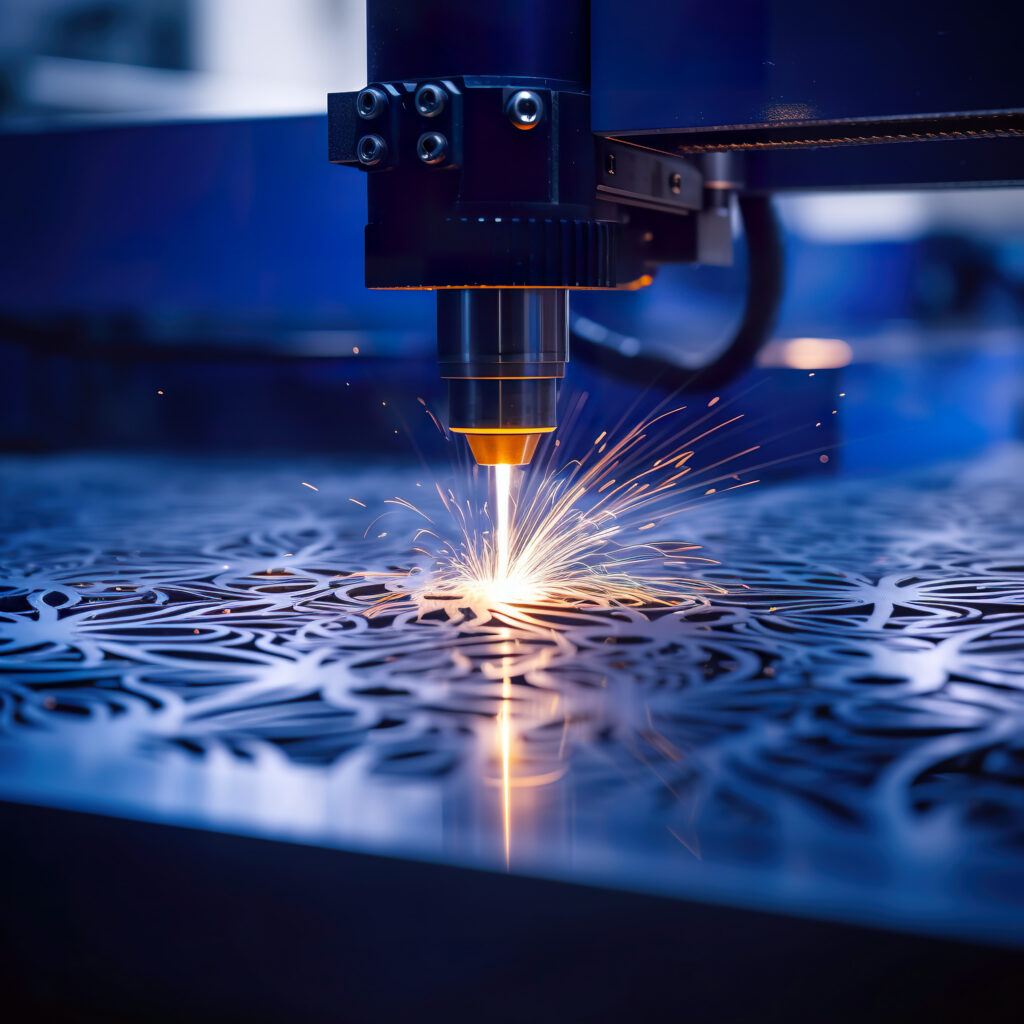
Standard marking alters the surface layer to create visible contrast. On plastic it causes foaming or a colour shift; on metal, slight oxidation or matting.
It is the fastest technique, ideal for text, logos and codes read by an operator or a scanner. It is the everyday face of industrial laser marking.
Laser Annealing
Annealing heats the metal below its melting point to form a coloured oxide layer, usually black, without removing material. The surface stays smooth.
It is the preferred technique on stainless steel and titanium for surgical instruments or food-grade parts: the absence of a recess prevents particle retention and preserves corrosion resistance.
Ablation
Ablation selectively removes a surface layer: paint, anodising, coating or varnish. The substrate colour appears in contrast with the remaining layer.
It is used for backlit keypads, anodised front panels or two-layer plates. The marking laser works with great depth accuracy, without attacking the base material.
Deep Engraving
Deep engraving removes material in successive passes to create a measurable recess. It withstands later treatments: painting, sandblasting, shot peening.
It is used for moulds, tools, chassis numbers and cast parts. Slower than surface marking, it guarantees legibility across the part’s entire life cycle.
Materials Compatible with Laser Marking

Metals
Metals are the primary ground of industrial laser marking: see our advice on laser marking metal. Stainless steel takes a high-contrast black anneal valued in medical applications, and aluminium, bare or anodised, suits both engraving and ablation.
Plastics
Laser marking on plastic depends on the formulation: some polymers respond with a colour change, others require an additive or a UV source. Discover the possibilities on plastic materials and on ABS, widespread in technical housings.
Applications by Sector
Medical and Laboratory
Medical devices must carry a unique device identifier (UDI) that remains legible after hundreds of sterilisation cycles. Annealing on stainless steel and UV marking on polymers meet this requirement under EU MDR 2017/745 and ISO 13485. See our solutions for healthcare, medical and laboratory marking.
Automotive, Aerospace and Defence
Serial numbers, Data Matrix codes, supplier references: every critical part must be permanently identified under IATF 16949 or AS9100. Direct part marking on metal stays legible after heat treatment or painting. Discover our answers for automotive, military and aeronautics.
Industry and Metalworking
Tooling, moulds and machined parts are laser-marked for identification, asset management and anti-counterfeiting. See our solutions for industry, tools and metalworking and our guide to industrial traceability through permanent marking.
Electronics and Technology
Boards, connectors and housings demand very fine marking with minimal heat. UV and fiber lasers place millimetre-scale 2D codes and miniaturised text on them. Explore our applications for electronics and technology.
How to Choose Your Laser Marking Machine
Material and Marking Type
The first criterion is the material and the expected finish. A metal to be annealed points to a fiber laser, an organic material to CO₂, a fragile plastic or thin glass to UV. Our technicians run trials on your parts before any purchase.
Production Throughput
A flatbed laser marking machine suits varied batches and large parts. A galvo station becomes necessary once cycle time or throughput is constrained. Field size, speed and loading time must be assessed together.
In-line Integration or Standalone Station
An enclosed standalone station covers most workshops. In-line integration requires communication with the PLC and appropriate safety measures. Thermoflan recommends the simplest configuration that genuinely meets the need.
Standards and Traceability
Check your sector’s requirements: medical UDI, defence UID, verifiable ECC200 Data Matrix codes, parameter archiving. The machine must produce a mark readable by your customers’ scanners and your auditors.
Tell us about your part and material: our technical team will point you to the right laser marking machine and offer a trial on your sample.
Ask an expertOur Industrial Laser Marking Machines
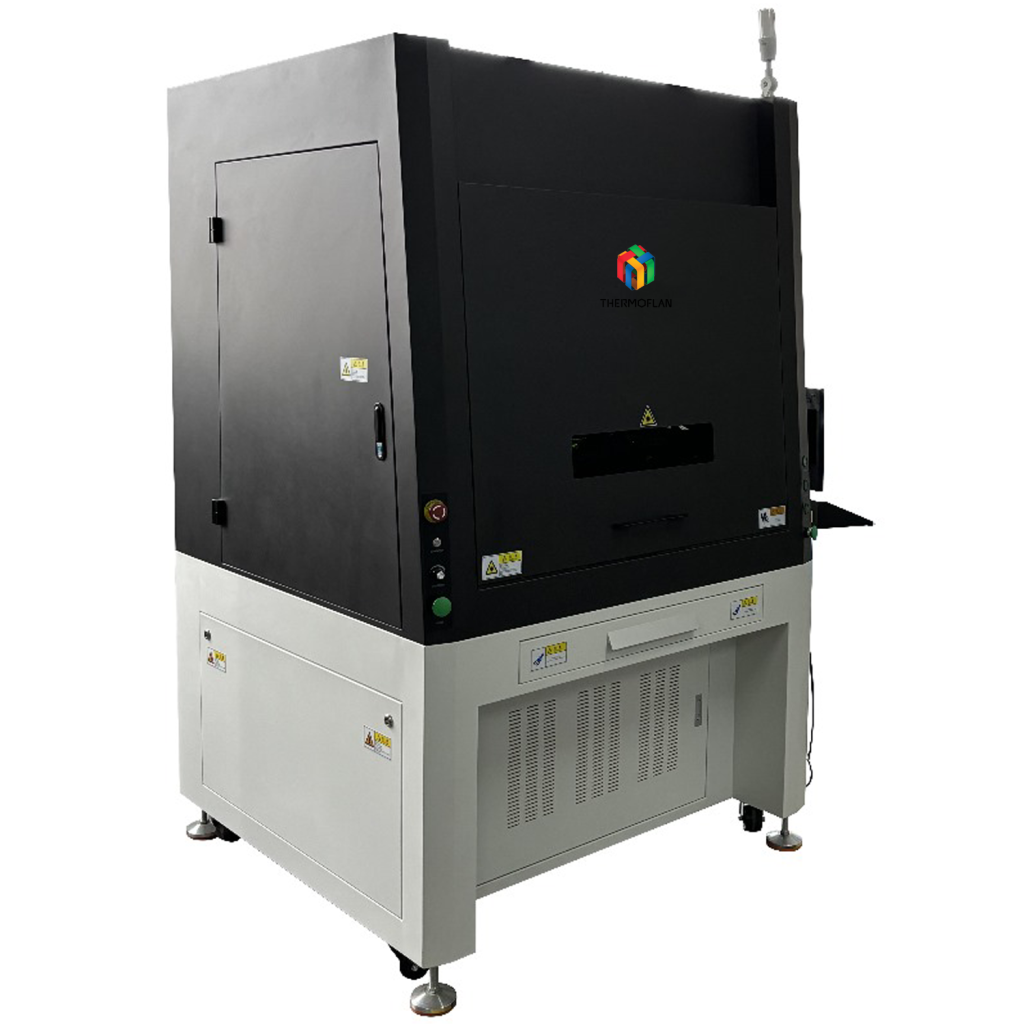
Thermoflan offers a complete range of industrial laser marking machines, in stock and delivered with hands-on training. Our laser engraving and cutting category brings together three complementary families.
Fiber lasers cover metal marking and engineering plastics, from quality control to series production. CO₂ lasers come as flatbeds and galvo stations, including a 3-axis version for non-flat surfaces. UV lasers round out the range for heat-sensitive materials.
Every machine ships with its software, training and the support of our technical service. Below is a selection: 3-axis CO₂ galvo station, Mira 5, CMark Basic and UV Basic.


Test our laser marking machines at Molières-Cavaillac or send us your parts for a trial.
Request a demoThermoflan, Your Laser Marking Partner for 60 Years
For 60 years, Thermoflan has manufactured and distributed marking solutions for industry. That experience lets us quickly understand a production constraint and answer it with the right machine, not a catalogue.
Our permanent stock of machines, spare parts and consumables keeps lead times short: a source or lens replacement should never idle your workshop. Our technical team and after-sales service work by phone, remotely or on site.
Finally, we aim for the best value for money: every industrial laser marking machine in our range is selected for reliability, ease of use and long-term parts availability. Our FAQ answers the most common questions.
Receive a detailed proposal for your industrial laser marking project through our quote form.
Request a quoteLes avantages THERMOFLAN
Plus de 60 ans d’expérience
Stock permanents
Meilleur rapport qualité / prix
Disponibilité technique
Demandez conseil à nos experts
Comment pouvons-nous vous aider ?