






View all news
Machines and consumables for resin stamps
All our machines and consumables for the manufacturing of resin stamps
Advantages of the resin stamp
Resin stamps find applications in numerous sectors ranging from administration, industry, fashion, and crafts to even the food industry.
Manufacturing resin stamps is the most economical and simplest process for producing stamps in quantity.
Its efficiency, precision, and customizability make it a valuable asset for various professions and creative activities.
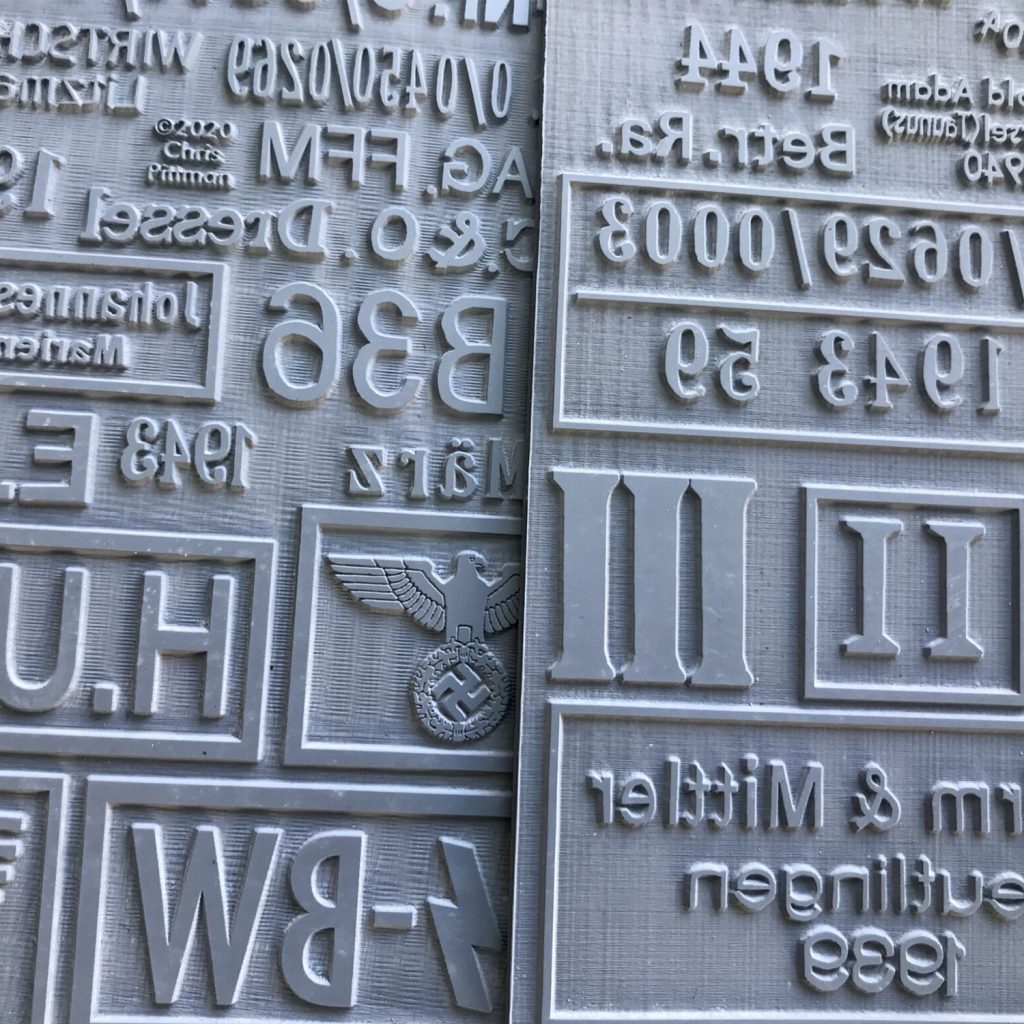
The fine quality of the resin allows for the reproduction of very detailed designs, making it a valuable ally for various professions and creative activities.
It adapts to any type of content, whether text, a logo, or an image, and in different formats, from the smallest impressions to the largest.
Manufacturing resin stamps is fast, which allows for responding efficiently to urgent requests or small production runs.
Our range of equipment for the manufacturing of resin stamps

How does the manufacturing of resin stamps work?
Here are the main steps in manufacturing a resin stamp, a technical process based on photopolymerization:
Creation of the negative film
- Printing the visual in opaque black on a transparent film, which will serve as a mask for UV exposure.
Resin preparation and exposure
- The photosensitive resin, equipped with a base film, is exposed between two glass plates with the negative film. The assembly is exposed to UV light. The transparent areas harden, while the black areas (the visual) remain soft.
Plate development
- The resin is washed to remove the unhardened parts, revealing the relief impression.
Final hardening – Post-polymerization
- A second UV exposure is performed to enhance the strength and longevity of the impression.
Complete drying
- The evaporation of residual moisture helps to stabilize the plate before finishing.
Cutting the impression
- The plate is cut to the desired dimensions, depending on the chosen mount.
Finishing and assembly
- The resin impression is mounted onto a base (wood, plastic, or metal) with a cushioning foam if necessary.