


View all news
Aeon Access CO2 Laser Engraver
All our machines CO2 laser engraving and cutting Aeon Access
Advantages of our Aeon Table Access laser engravers and cutters
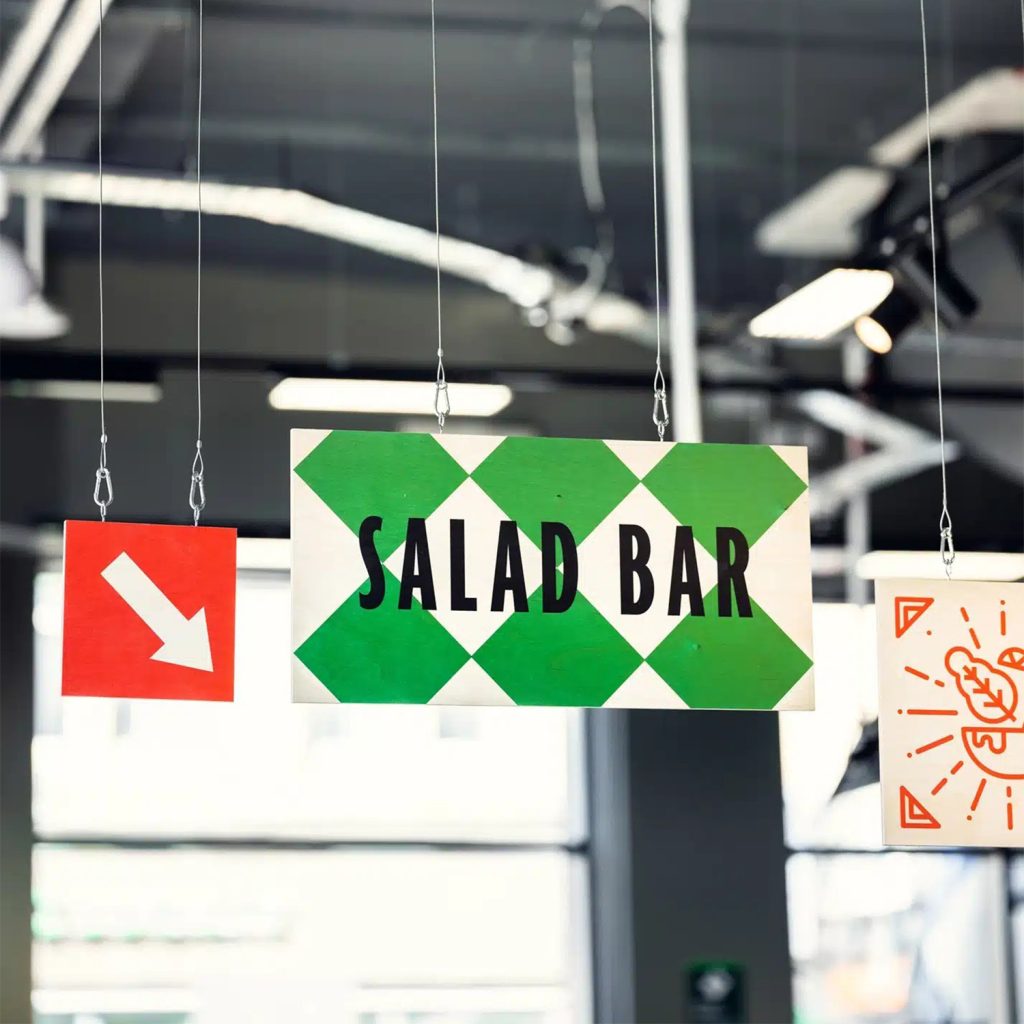
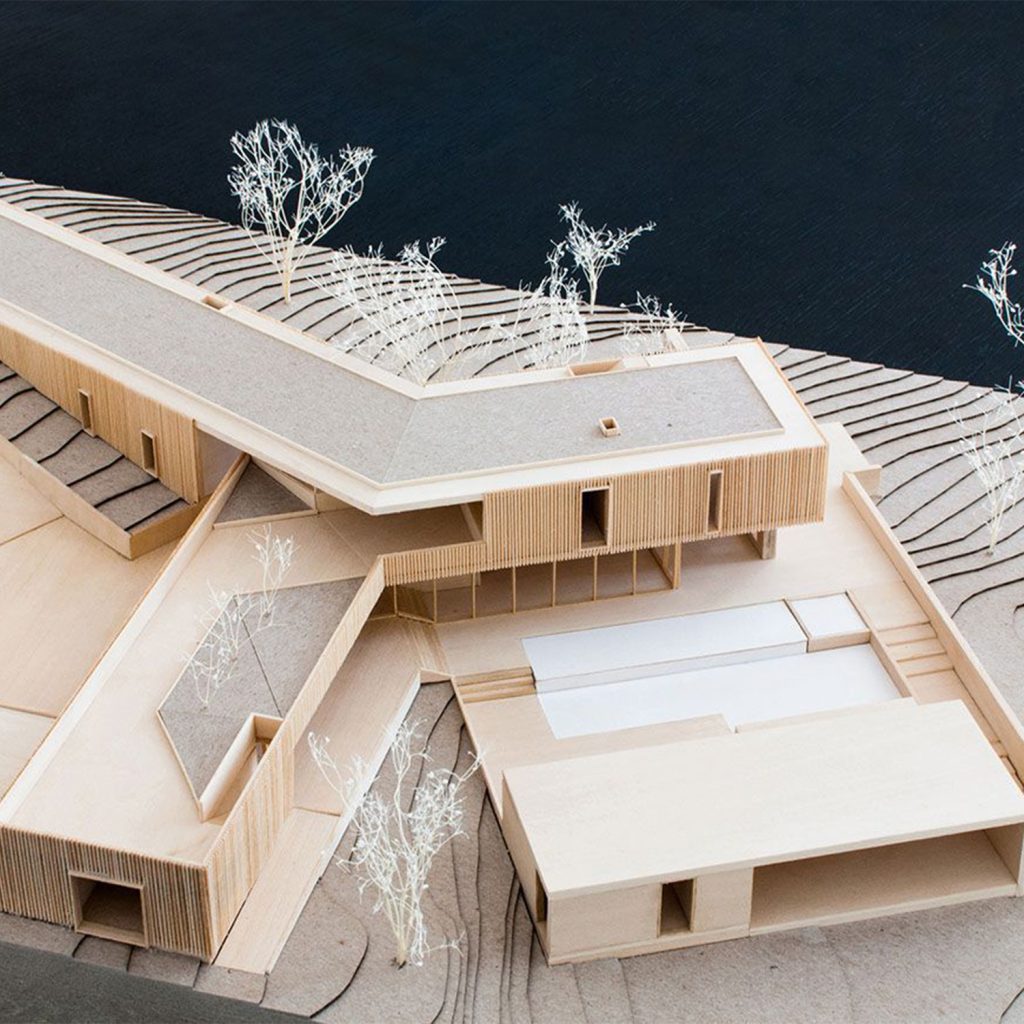
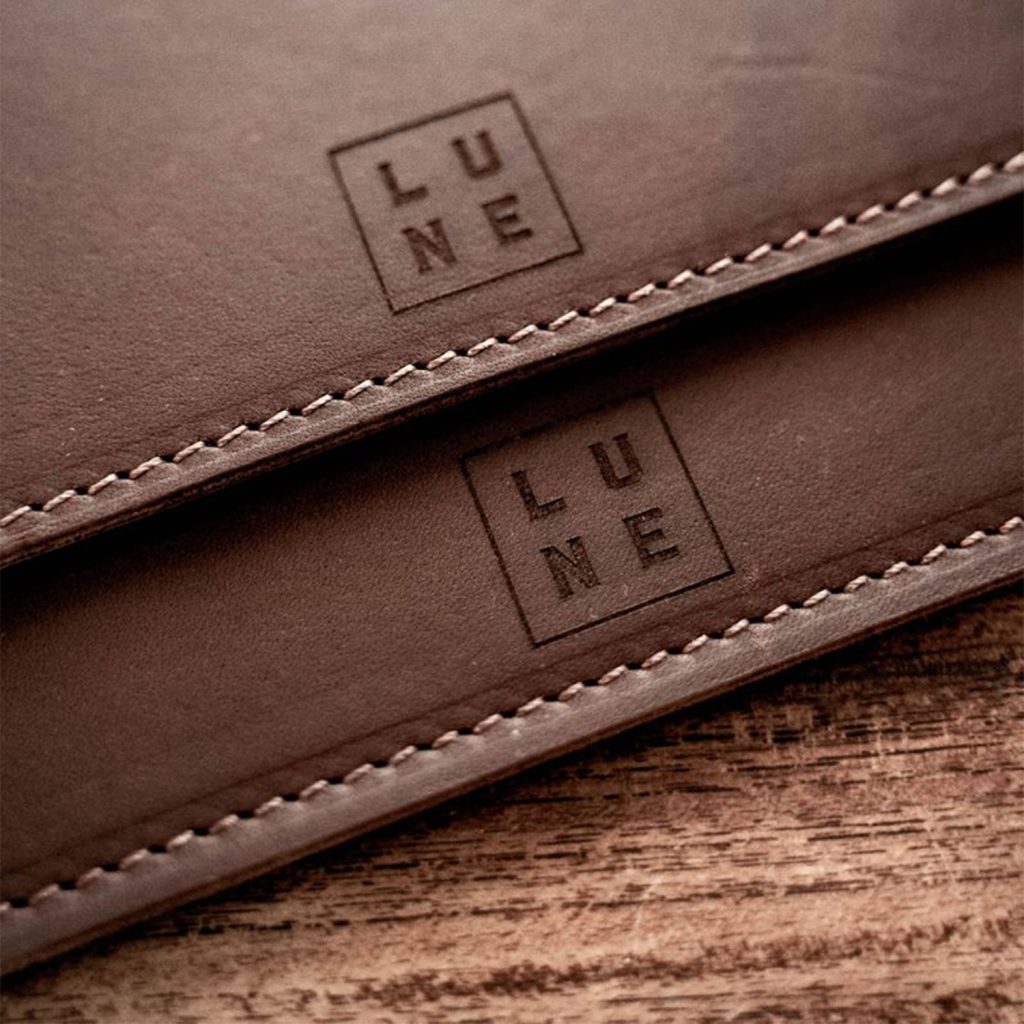
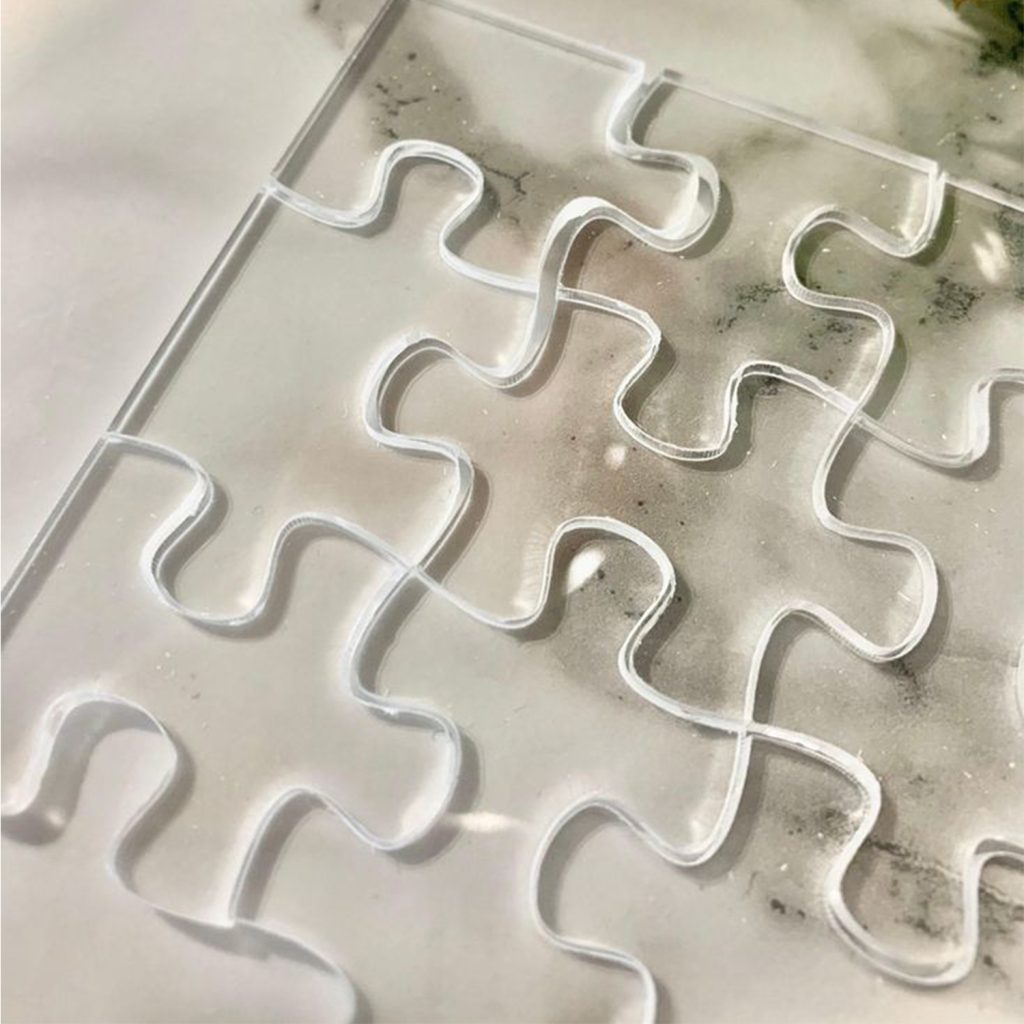
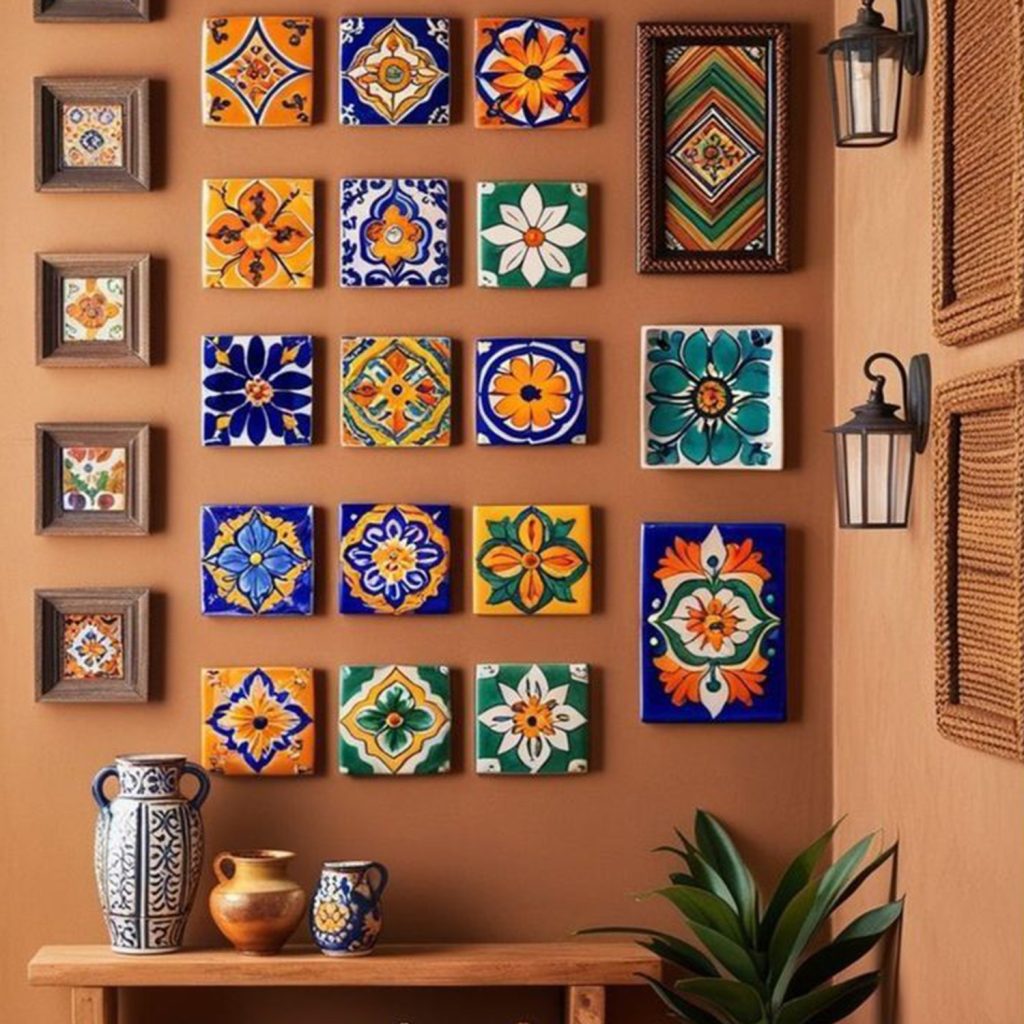
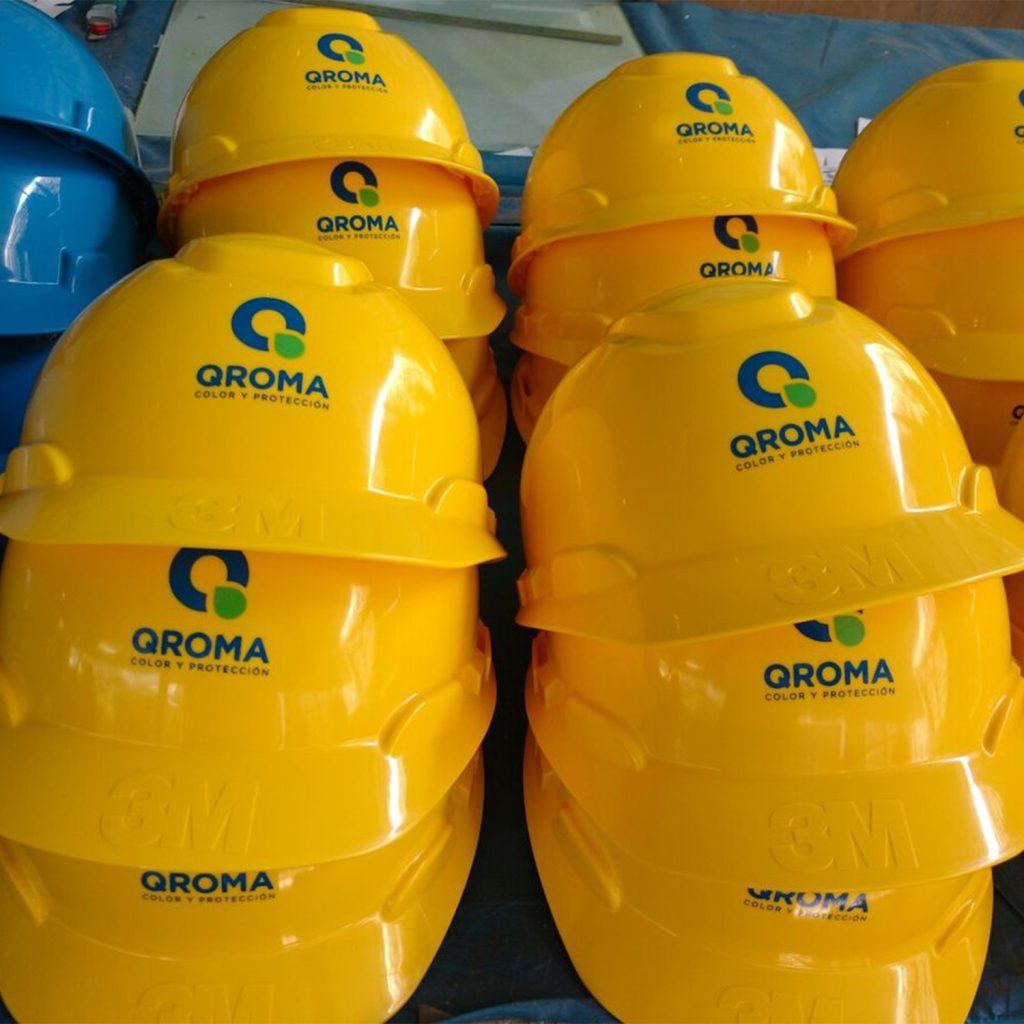
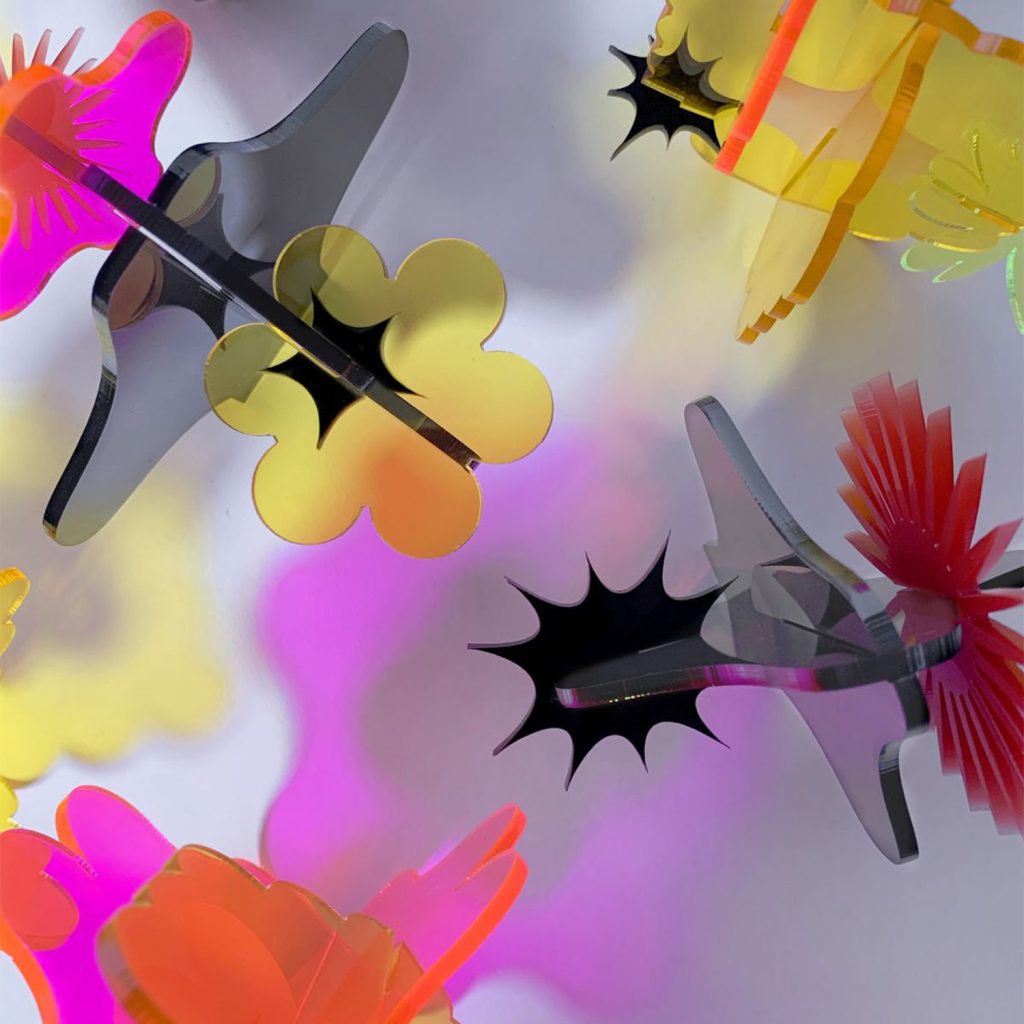
Aeon Table Access CO2 lasers, equipped with high-performance glass tubes, offer exceptional power and precision for cutting and engraving a wide variety of materials: wood, acrylic, leather, paper, textiles, and much more.
Thanks to their advanced design, these machines guarantee high stability and an optimized service life for the laser tube.
Our range offers several models tailored to all needs, with various format sizes and Z-axis heights, allowing for work on both small parts and bulkier materials.
Their front/rear pass-through table offers increased flexibility by allowing the passage of large-sized pieces, ideal for signage, personalization, or industrial production.
Available in several power outputs, these lasers adapt to the requirements of professionals, whether for engraving work or fast, deep cutting.
The new Super Elite range is equipped with two tubes: a glass CO2 tube for cutting and an RF tube for engraving.
With their reliable and high-performance technology, they combine speed, versatility, and execution quality.
Our Aeon Table Access laser machines are made for you!
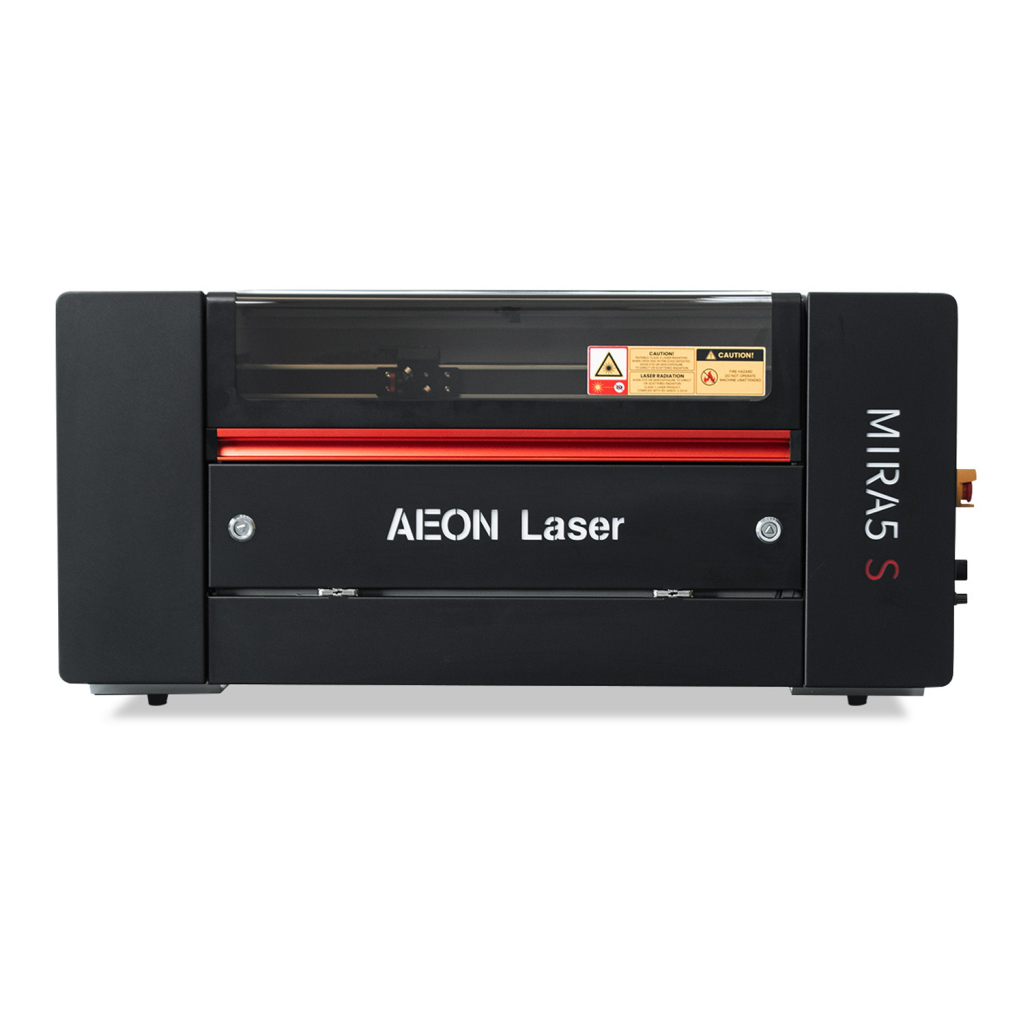
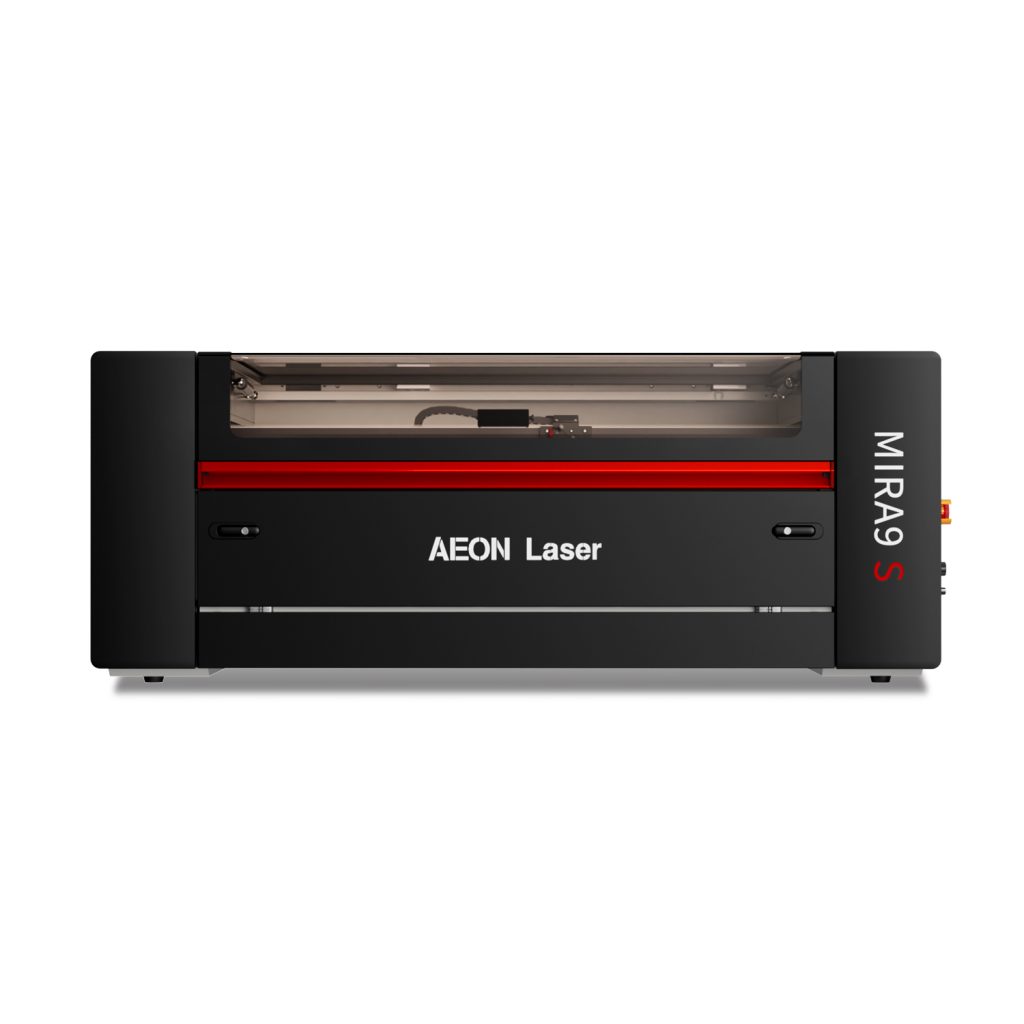
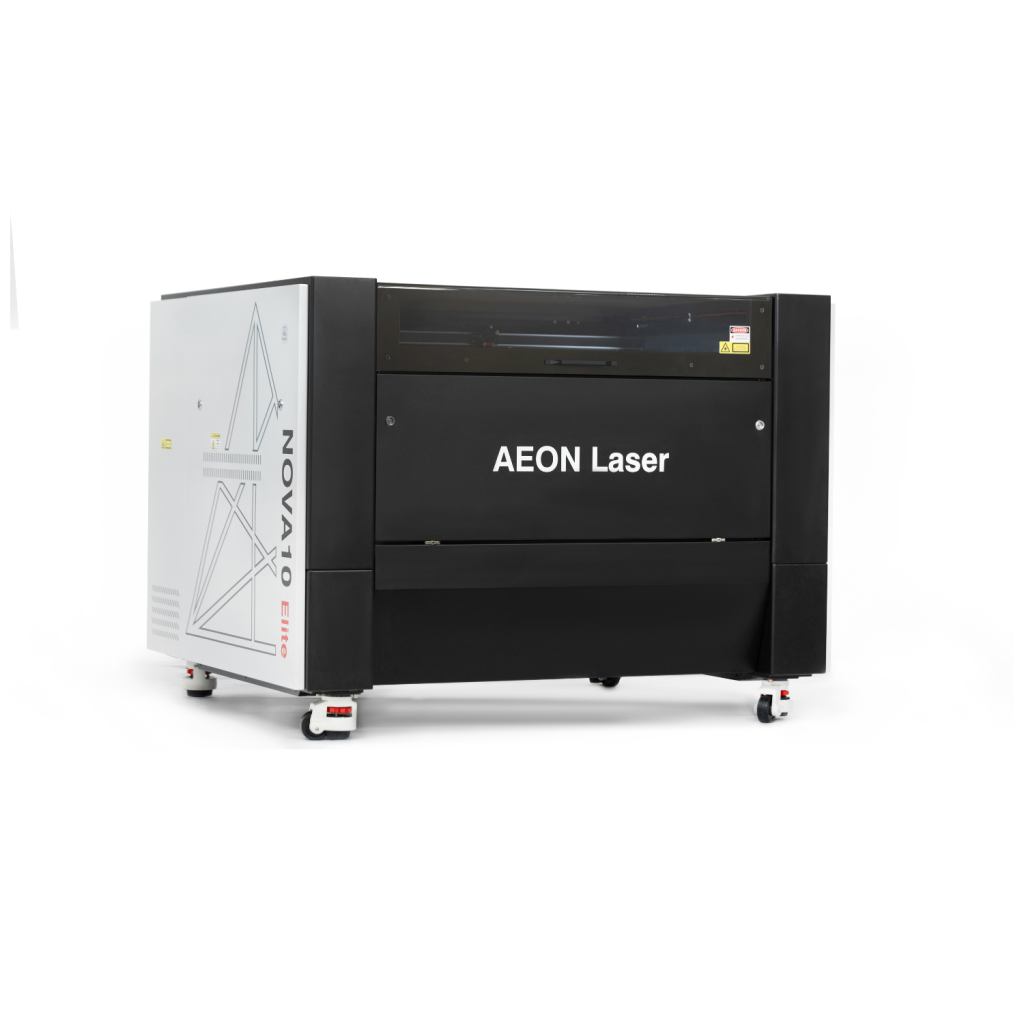
Our range of Aeon Table Access CO2 laser engraving and cutting machines


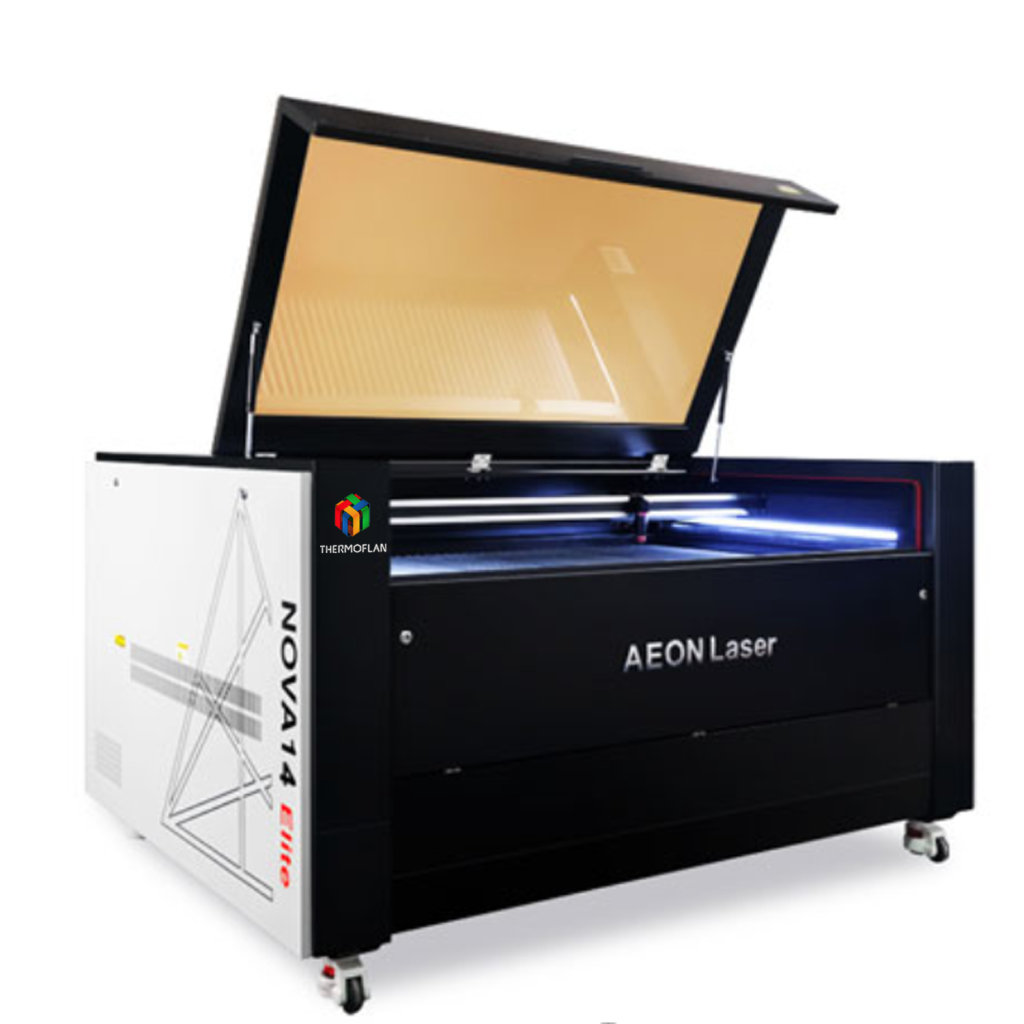


How does an Aeon Access CO2 laser engraver or cutter work?
An Aeon Access CO2 laser equipped with a glass tube operates through several key steps:
Creation of the laser beam
- A gas-filled tube (containing CO₂) is traversed by an electric current. This energy produces an invisible laser beam (infrared).
Beam guidance and concentration
- The beam is reflected by mirrors to the laser head, where a lens focuses it onto a very precise point.
Laser action on the material
- Marking: The laser heats the surface, modifies it, and creates a visible contrast.
- Engraving: The laser removes a thin layer of the material, creating a pattern.
- Cutting: With higher power, the laser cuts completely through the material.
Waste extraction and cooling
- An extraction system removes smoke and dust, while a water chiller prevents the machine from overheating and extends its lifespan.
Laser marking

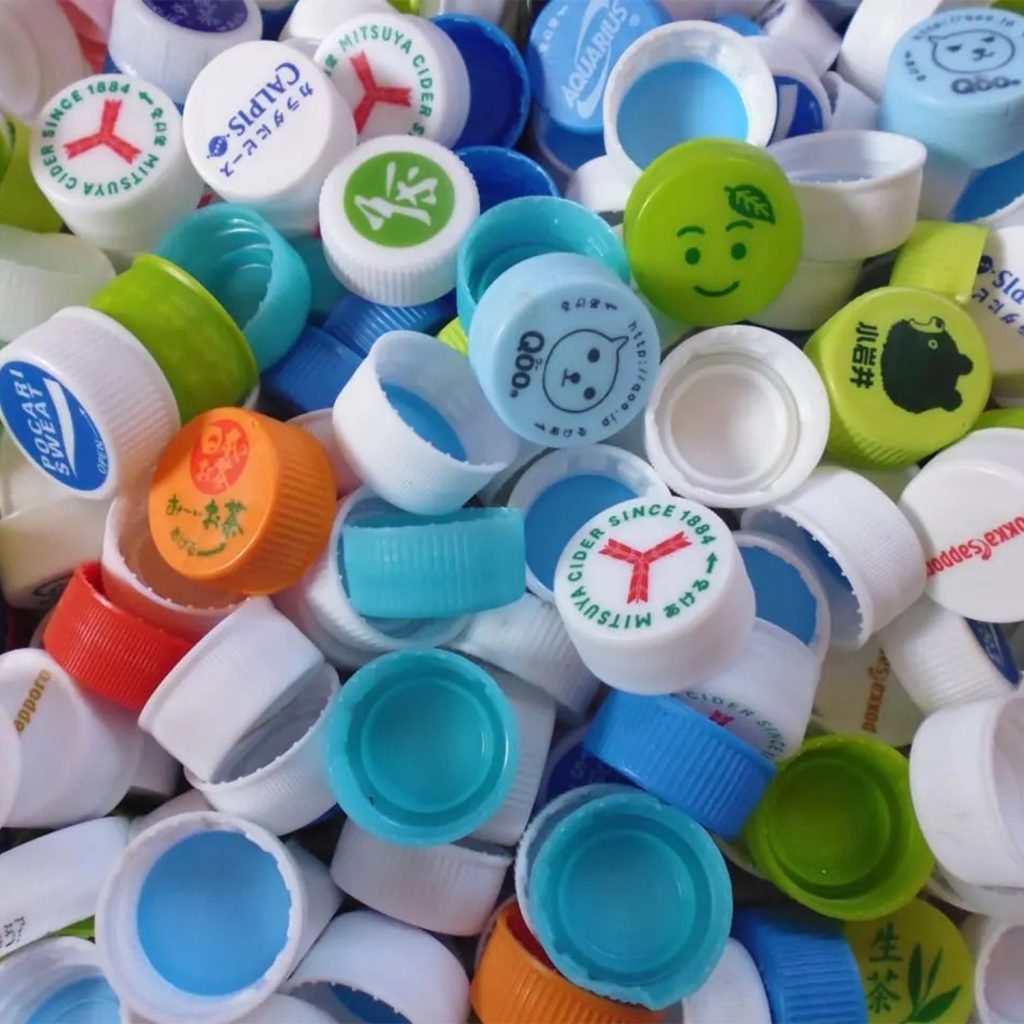
This technique consists of burning the surface of the material, causing carbonization that creates a visual contrast between the original color and the one obtained after marking. This method is often used to ensure part traceability, increment serial numbers, or add references.
Laser engraving

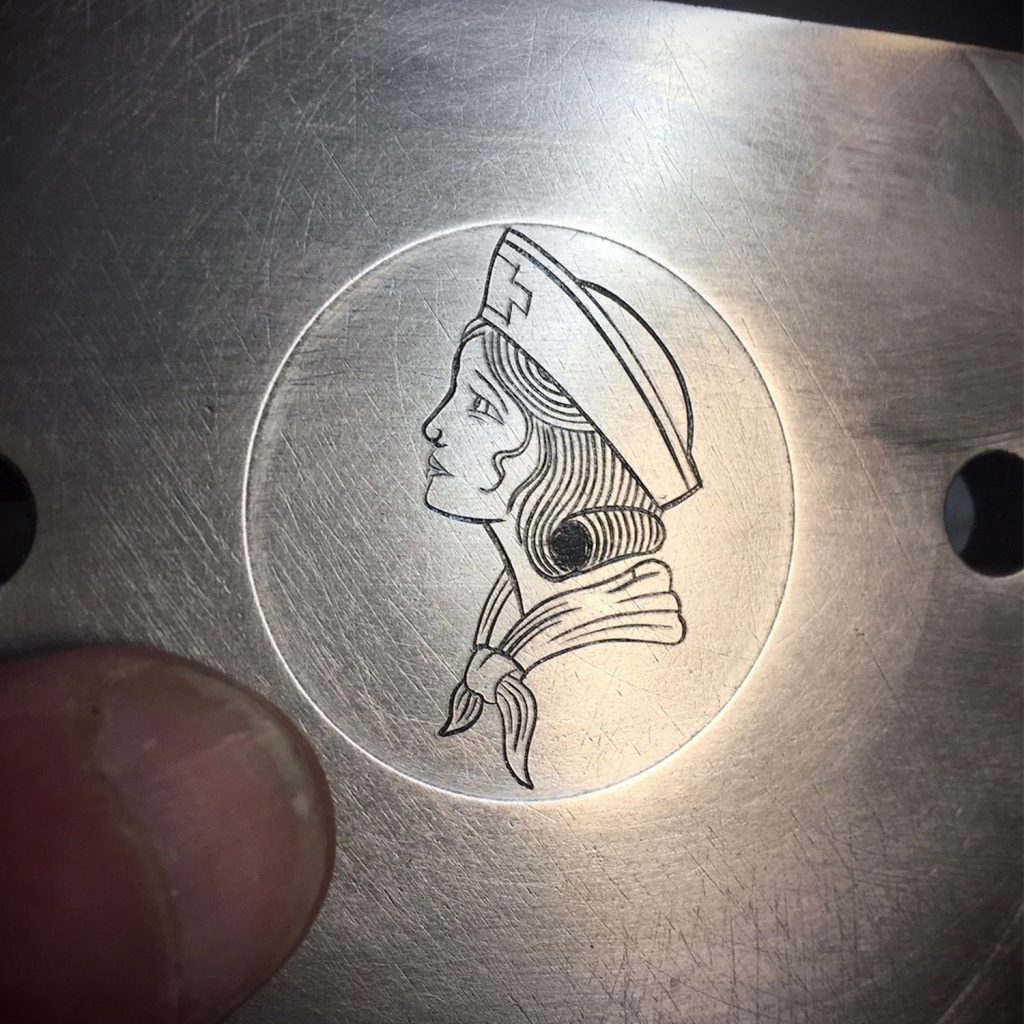
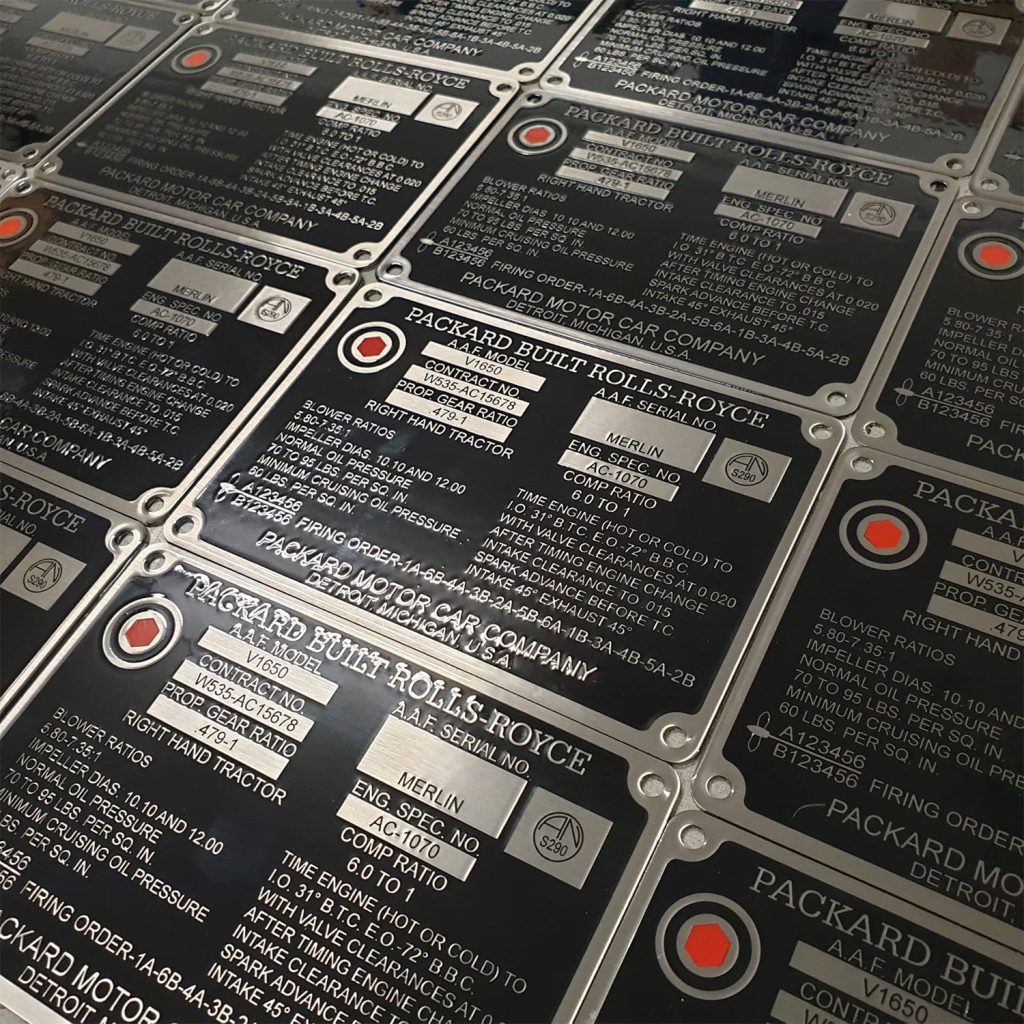
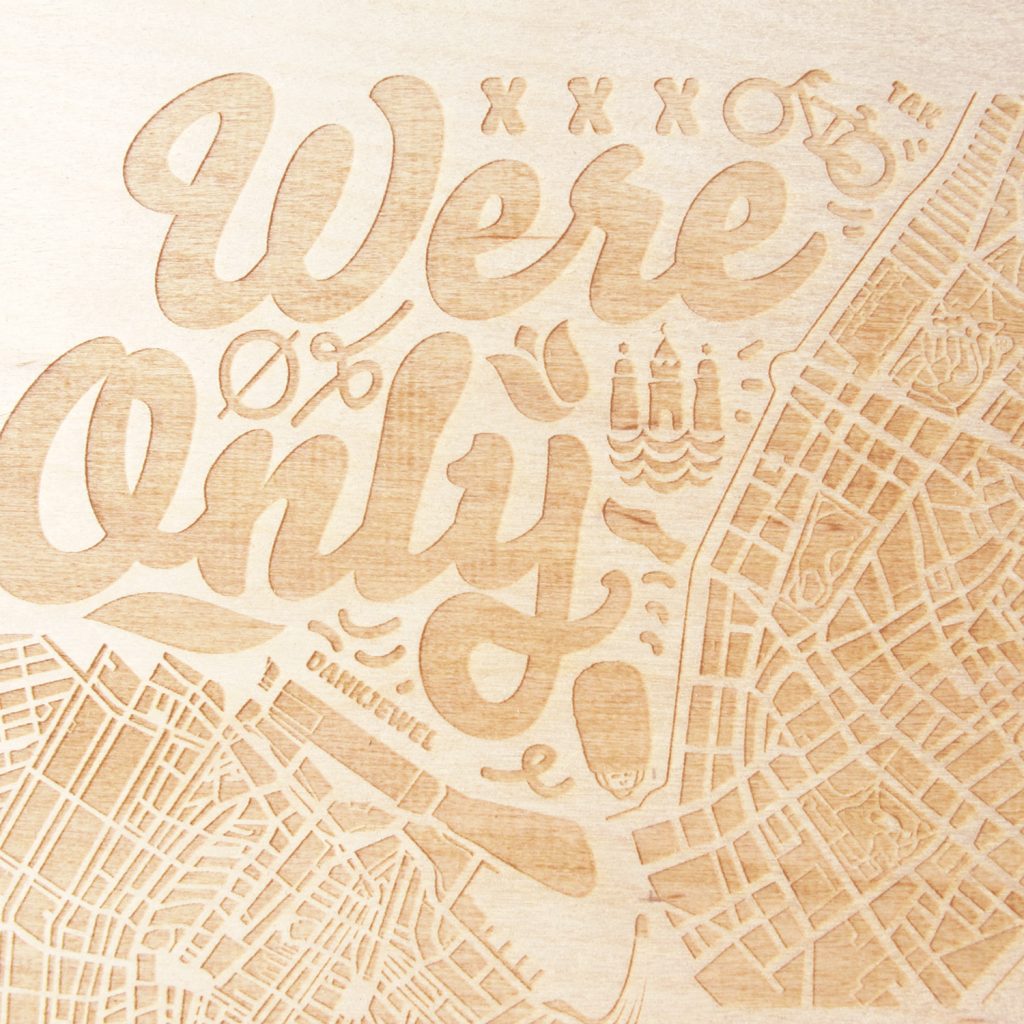
In this process, the laser carves into the surface of the material, removing a thin layer to form a pattern. This allows for detailed engravings on plates or other surfaces, offering precise and durable personalization.
Laser cutting

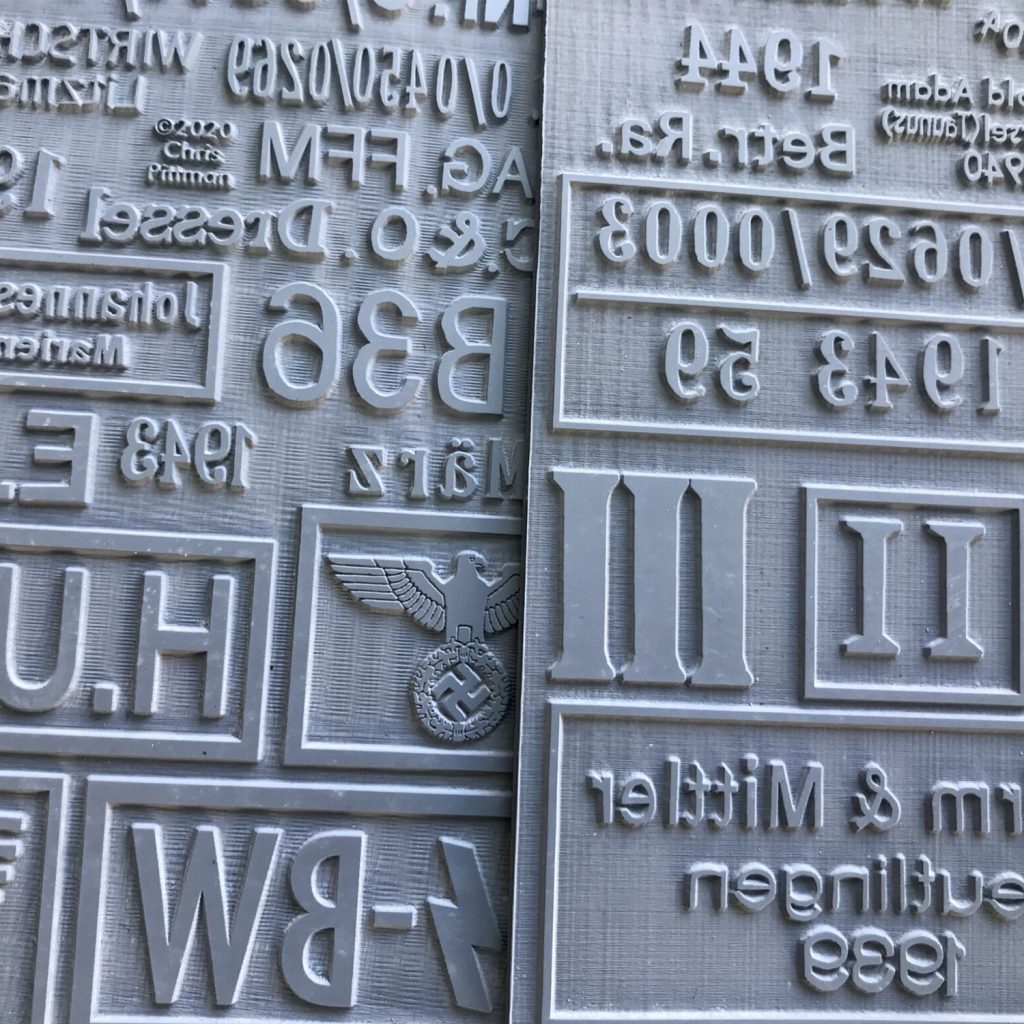
Laser cutting involves completely piercing the material with a very fine laser beam (about 100 microns). This technique offers high precision and superior cutting quality for various applications such as model making, cutting gaskets, or paper for invitations….