


View all news
UV Laser
All our machines for UV Laser marking and engraving
Advantages of our UV Laser
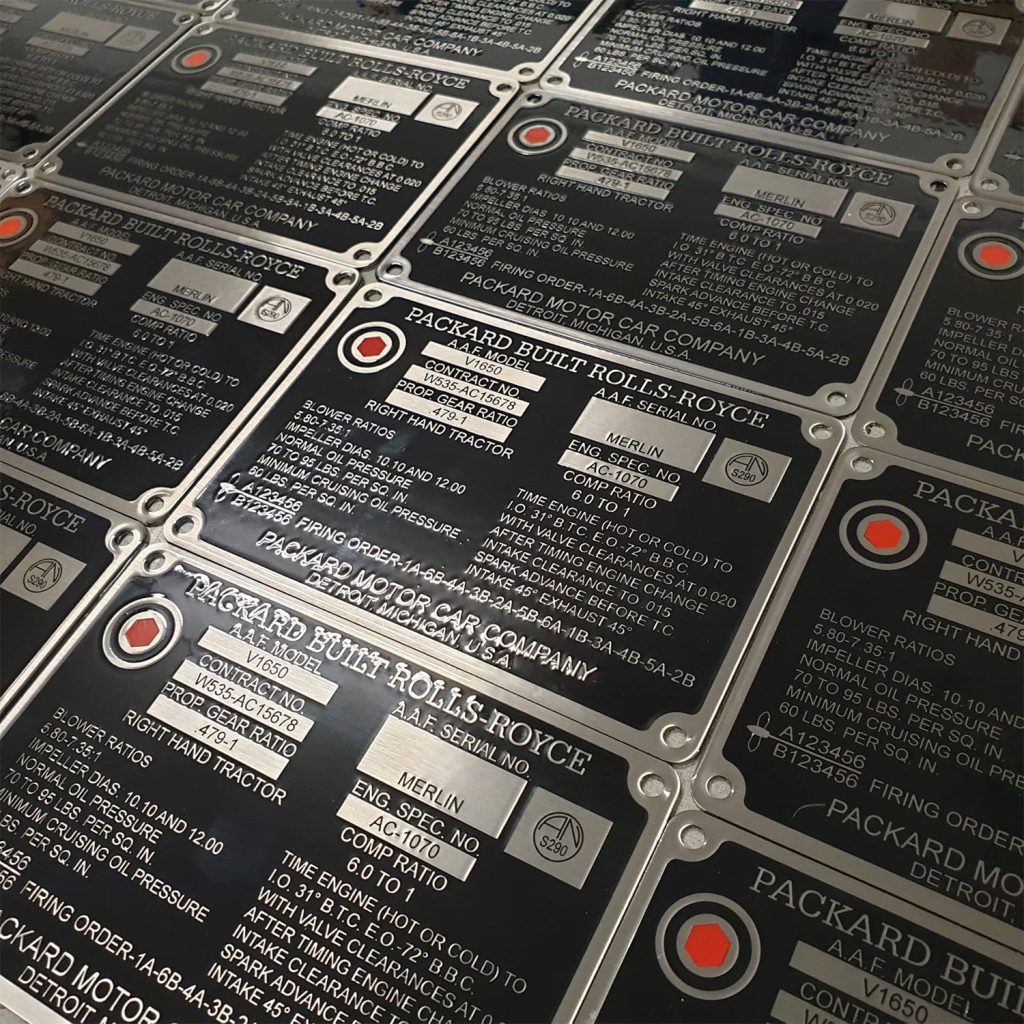
Our UV lasers offer numerous advantages that make them a marking technology of choice for many industries. Their exceptional precision and finesse allow for detailed and complex markings, even on very small surfaces.
They also generate very little heat, which protects sensitive materials — such as plastic, glass, or electronic components — by reducing the risk of deformation, discoloration, or deterioration.
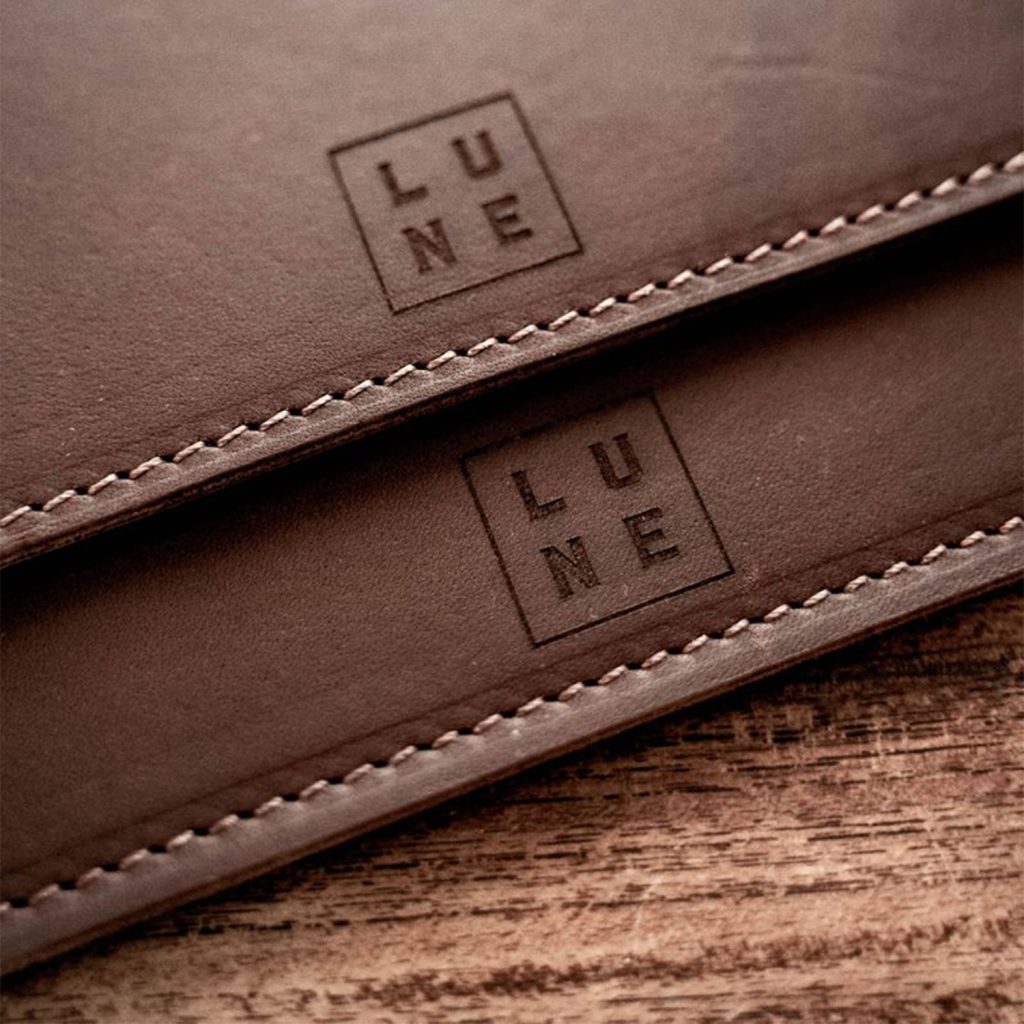
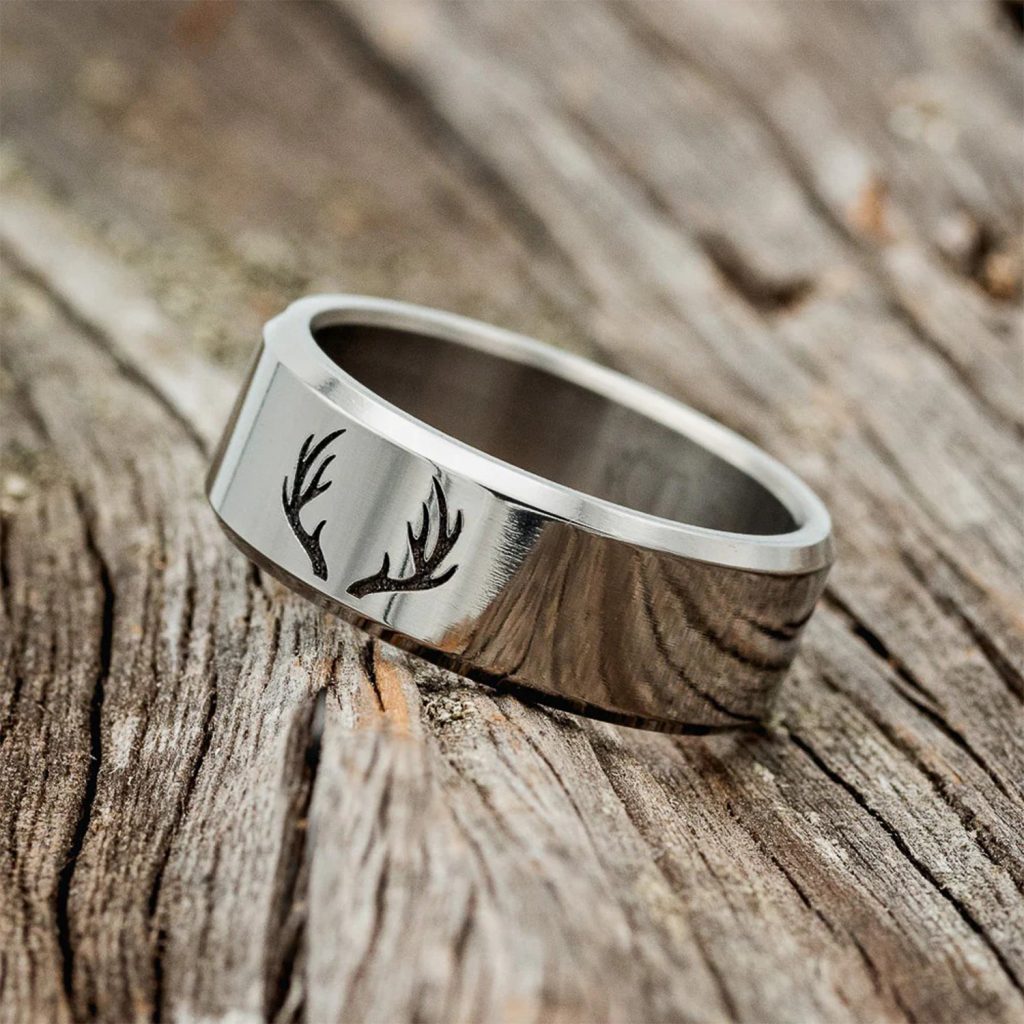
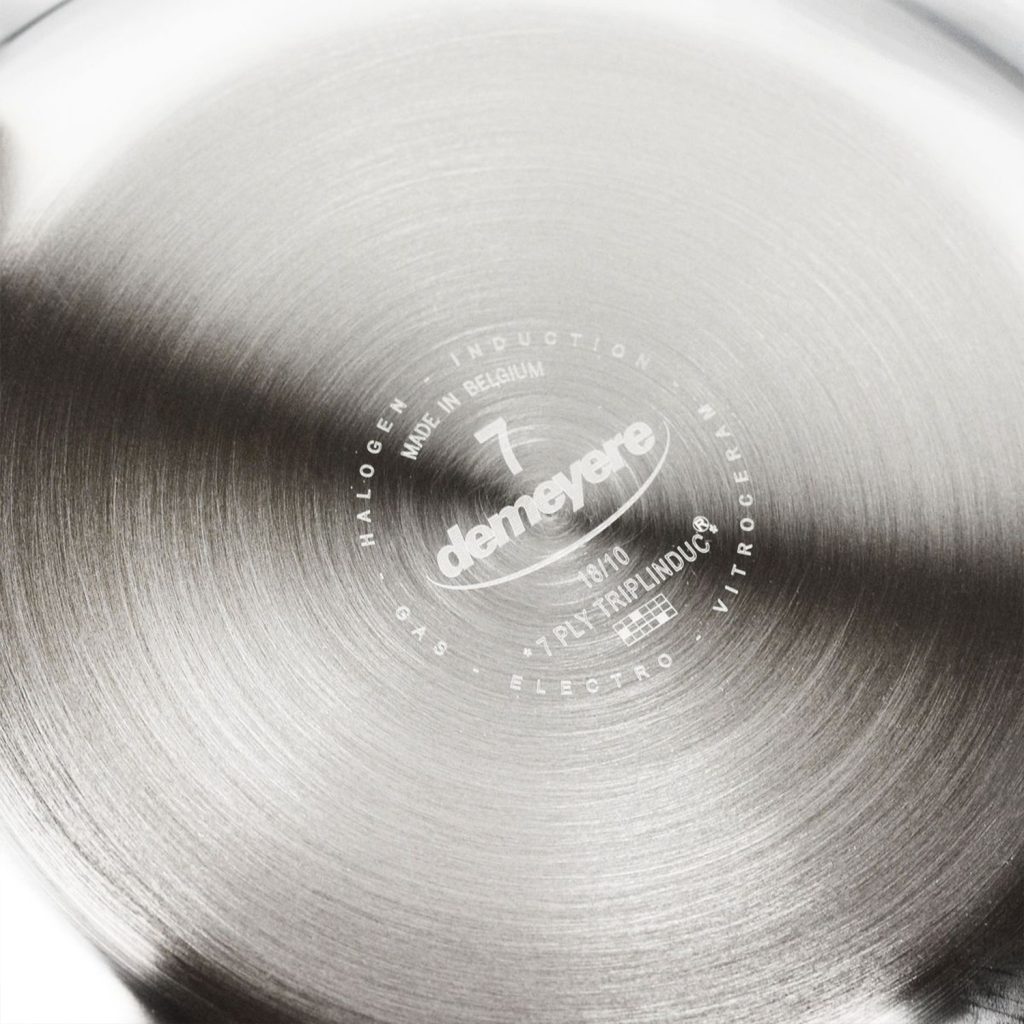
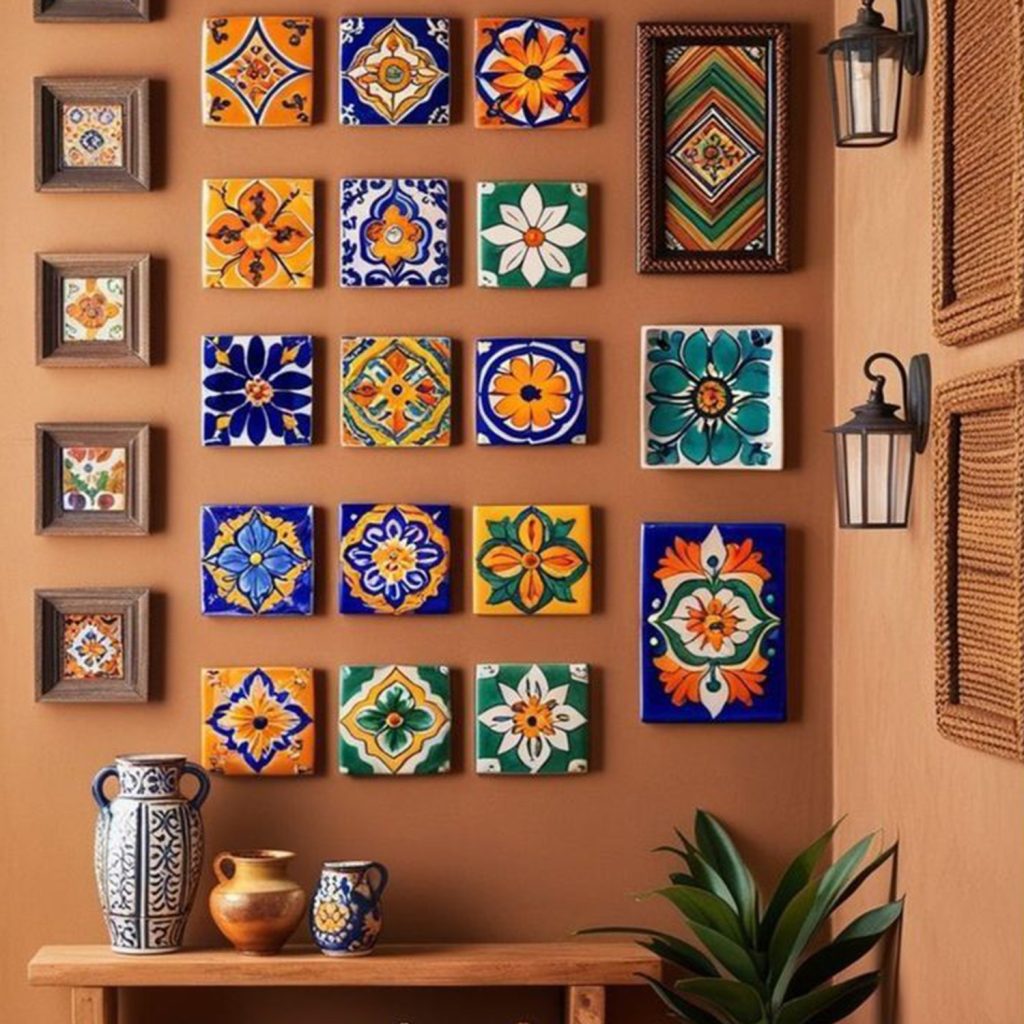
Versatile, our UV lasers can mark a wide range of materials such as metal, leather, wood, or plastics, while ensuring durable markings that are resistant to scratches, moisture, and chemicals. Furthermore, they require neither ink nor chemicals, making them more environmentally friendly and helping to reduce long-term operating costs.
They are perfectly suited to high-speed industrial environments thanks to their high production speed. They excel in applications requiring high-precision engraving. Whether for small batches or custom products, they offer quick configurations and reduced maintenance.
Our UV lasers thus constitute an ideal solution for a wide variety of industrial applications: automotive, electronics, jewelry, luxury packaging, and many others.
Perfection in the service of luxury and sensitive materials, with our UV lasers!
Our range for UV marking laser


How does a UV laser work?
The UV laser operates by emitting a short-wavelength beam:
Beam generation
- A crystal produces an infrared beam (~1064 nm).
- This beam is then converted into Ultraviolet (~355 nm)
Transmission and focusing
- The beam passes through a set of lenses and mirrors to be directed with precision.
- The galvanometer head, with its moving mirrors, steers the laser to create the desired marking.
Interaction with the material
- The short UV wavelength is absorbed by the materials.
- The laser does not heat; it directly breaks molecular bonds on the surface, ensuring clean marking without thermal alteration.
Final marking
- The result is precise, durable, and resistant to external aggressions.
Residue extraction and cooling
- An extraction system eliminates fumes and particles.
Laser marking

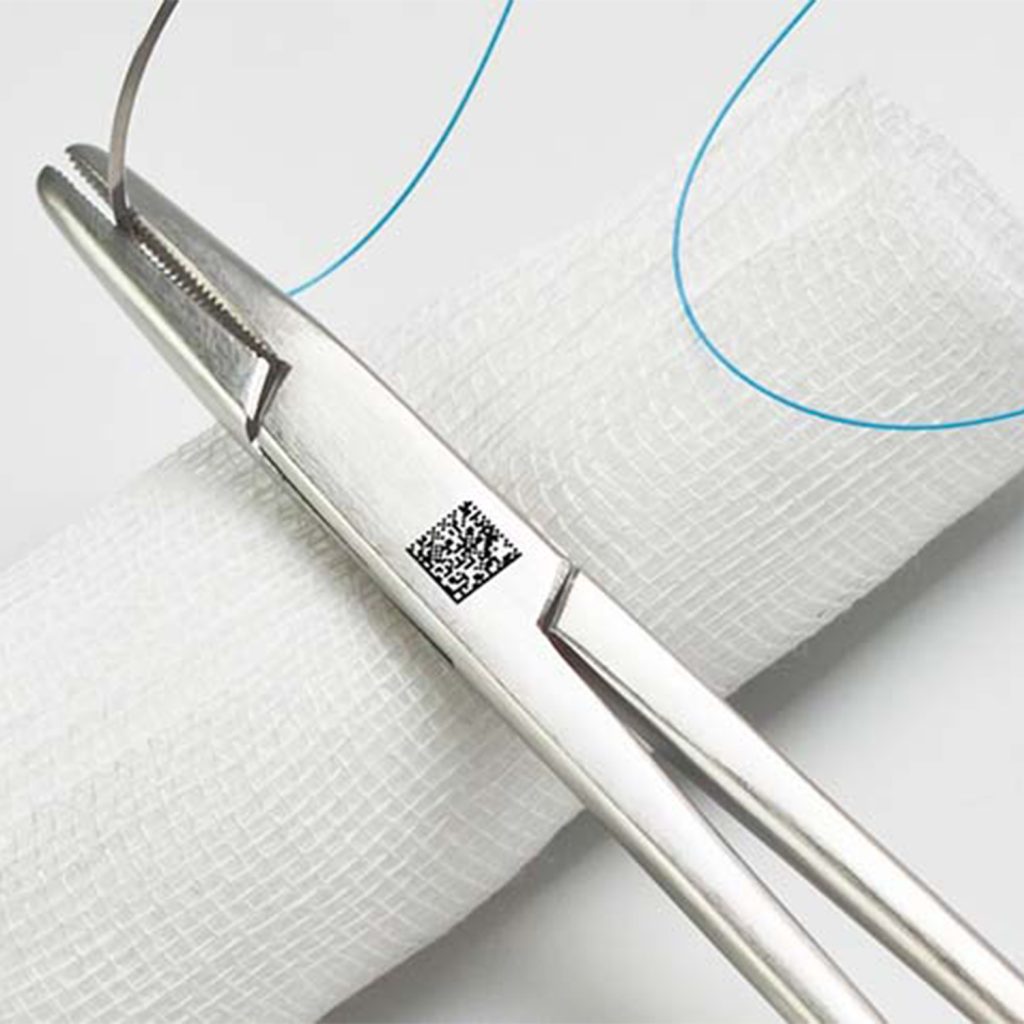
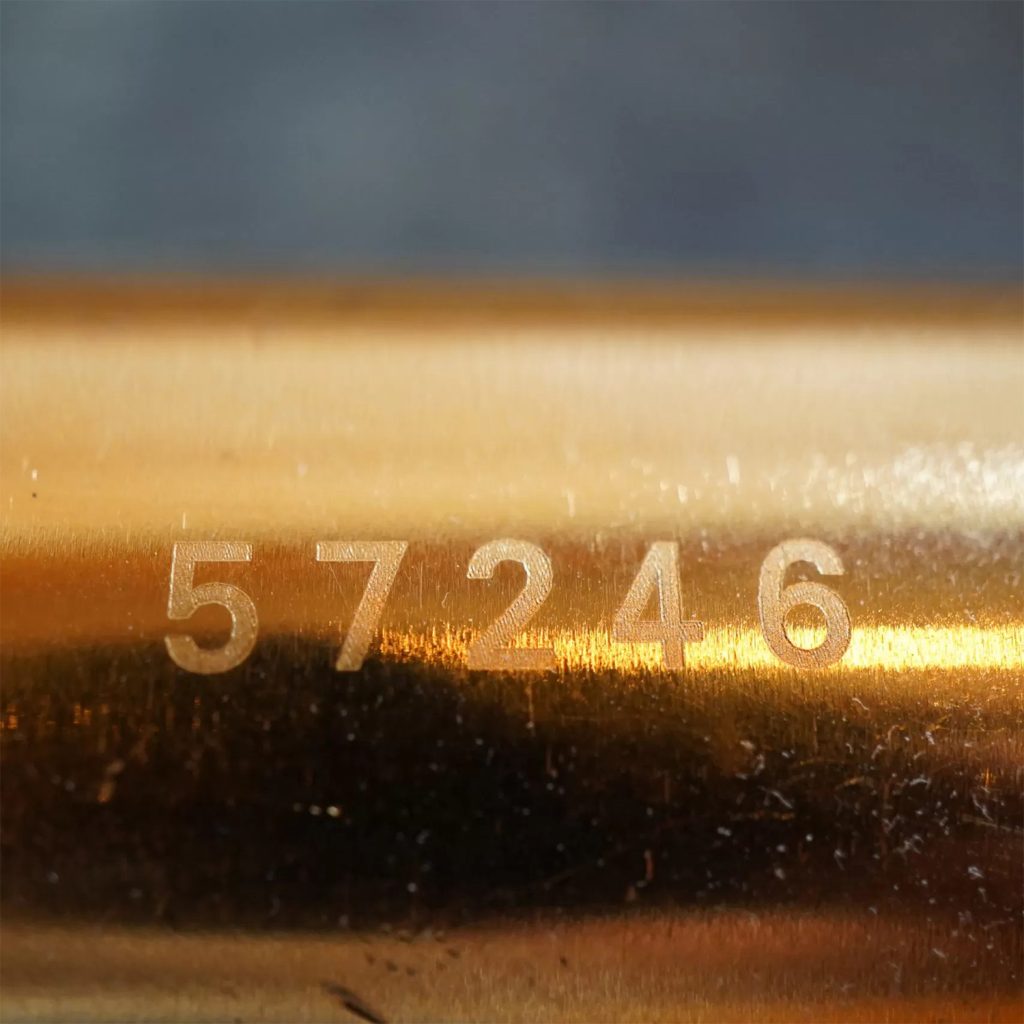
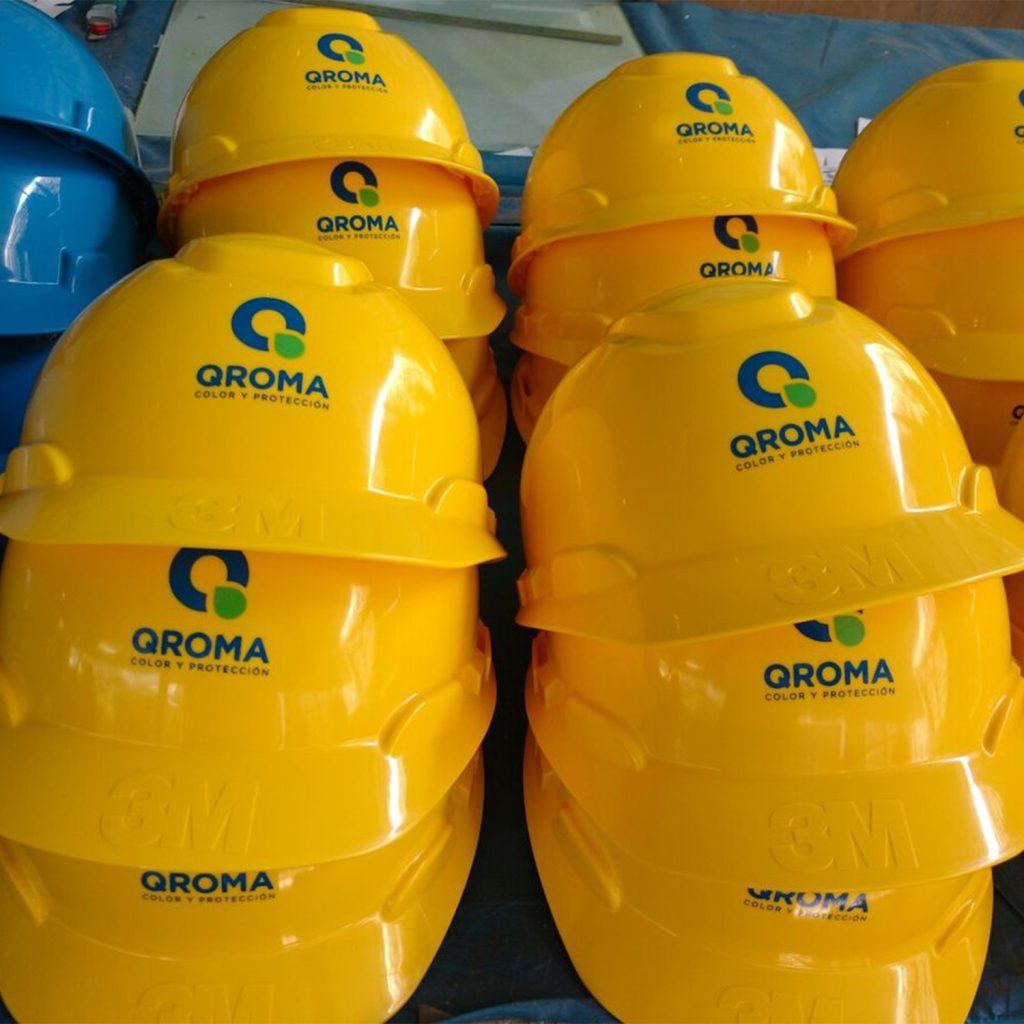
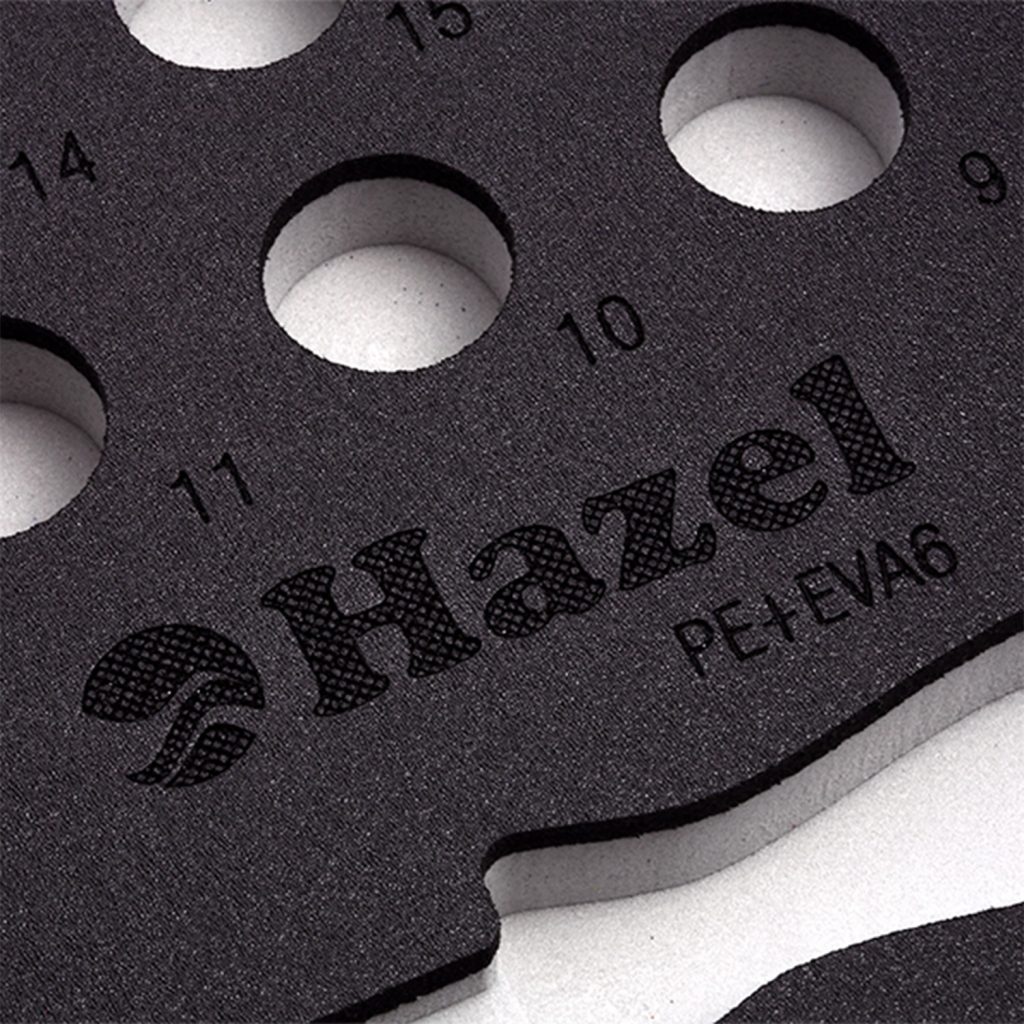
This technique consists of burning the surface of the material, causing carbonization that creates a visual contrast between the original color and the one obtained after marking. This method is often used to ensure part traceability, increment serial numbers, or add references.
Laser engraving

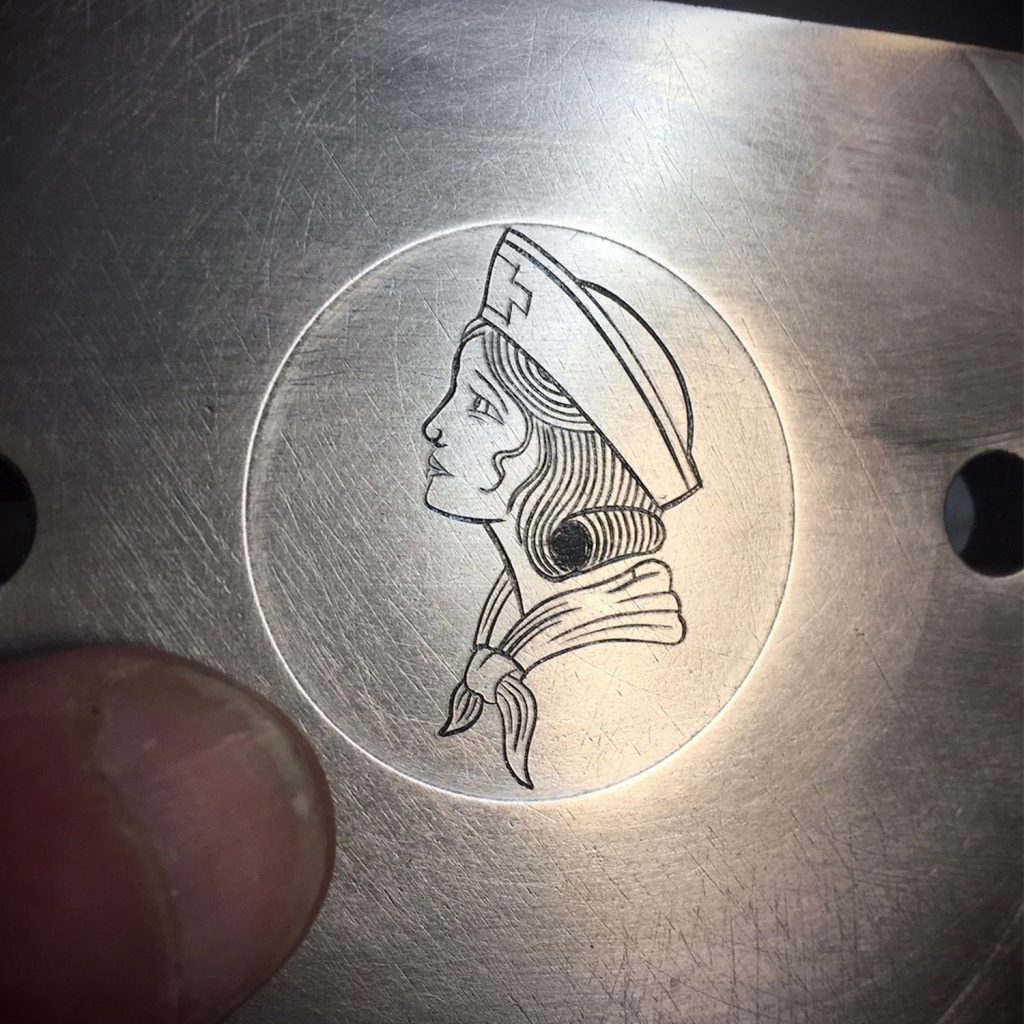
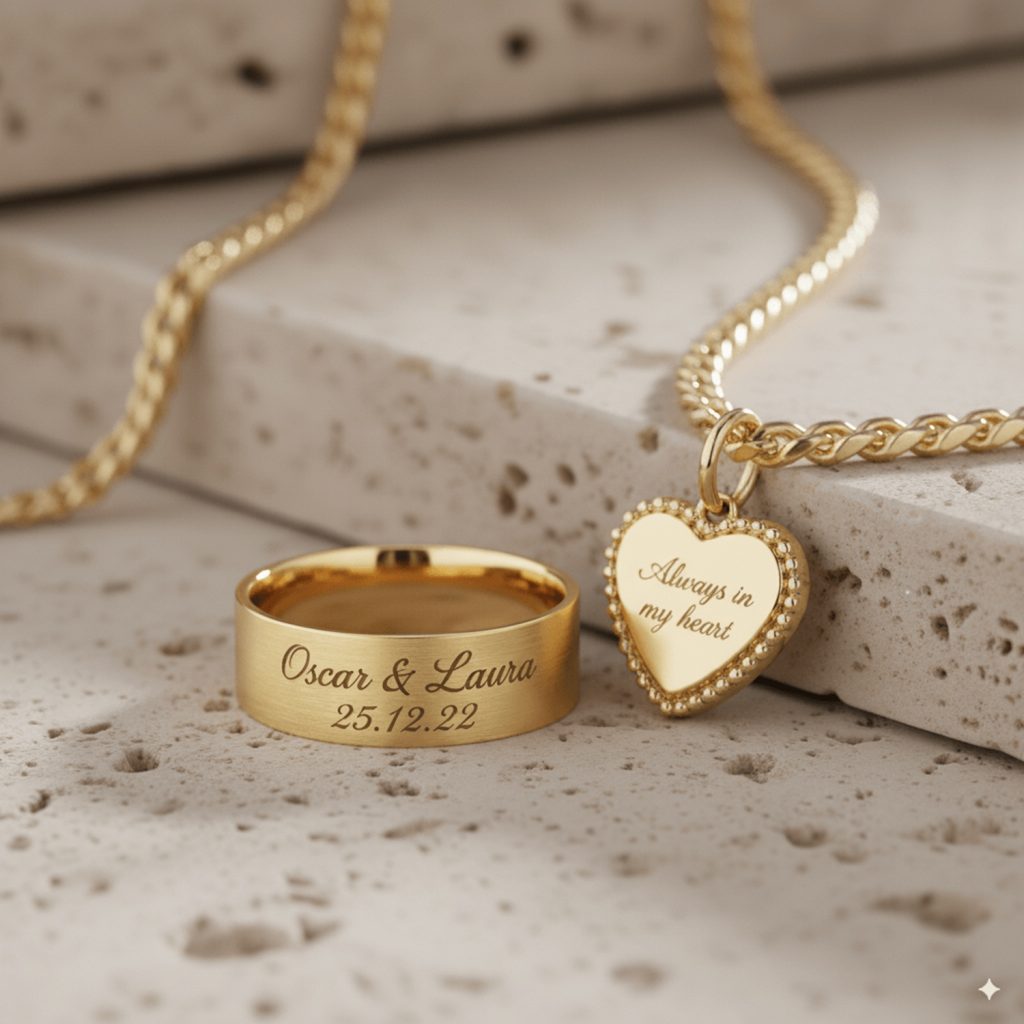
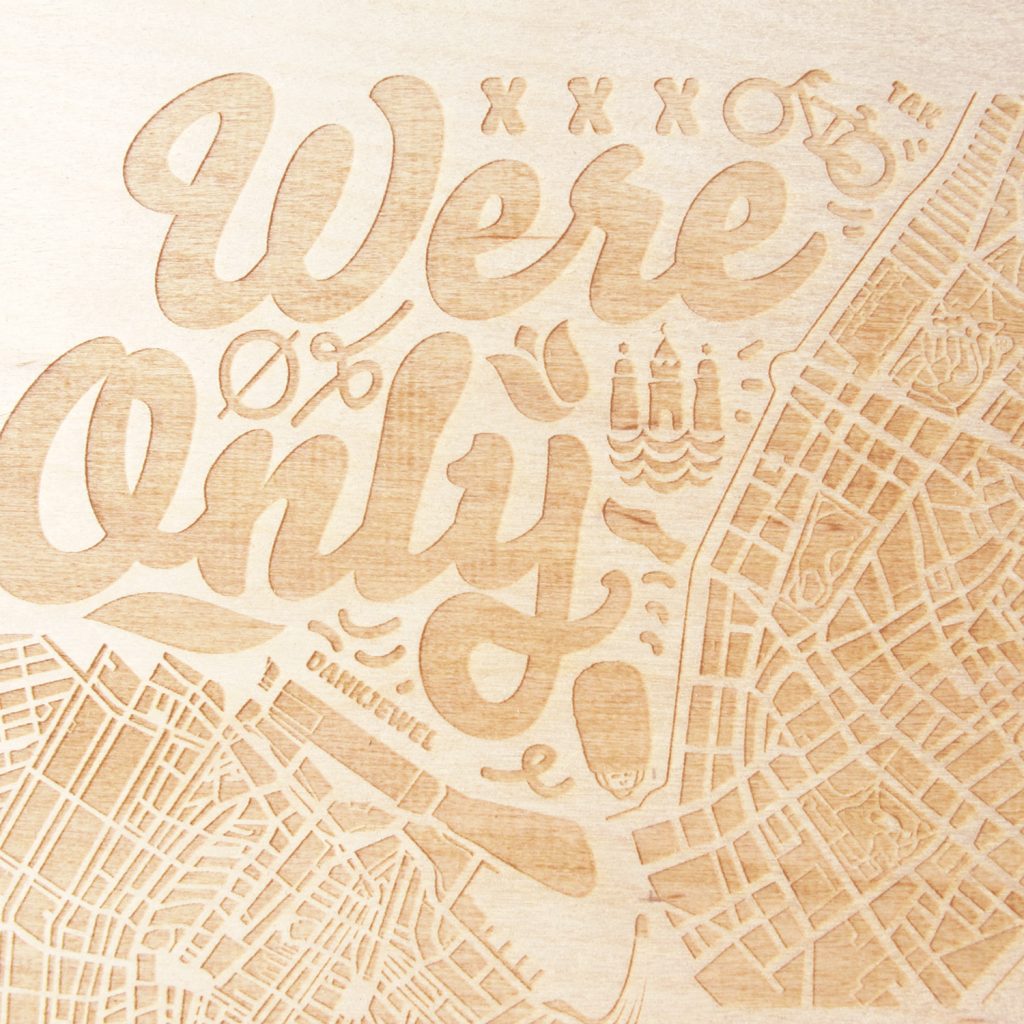
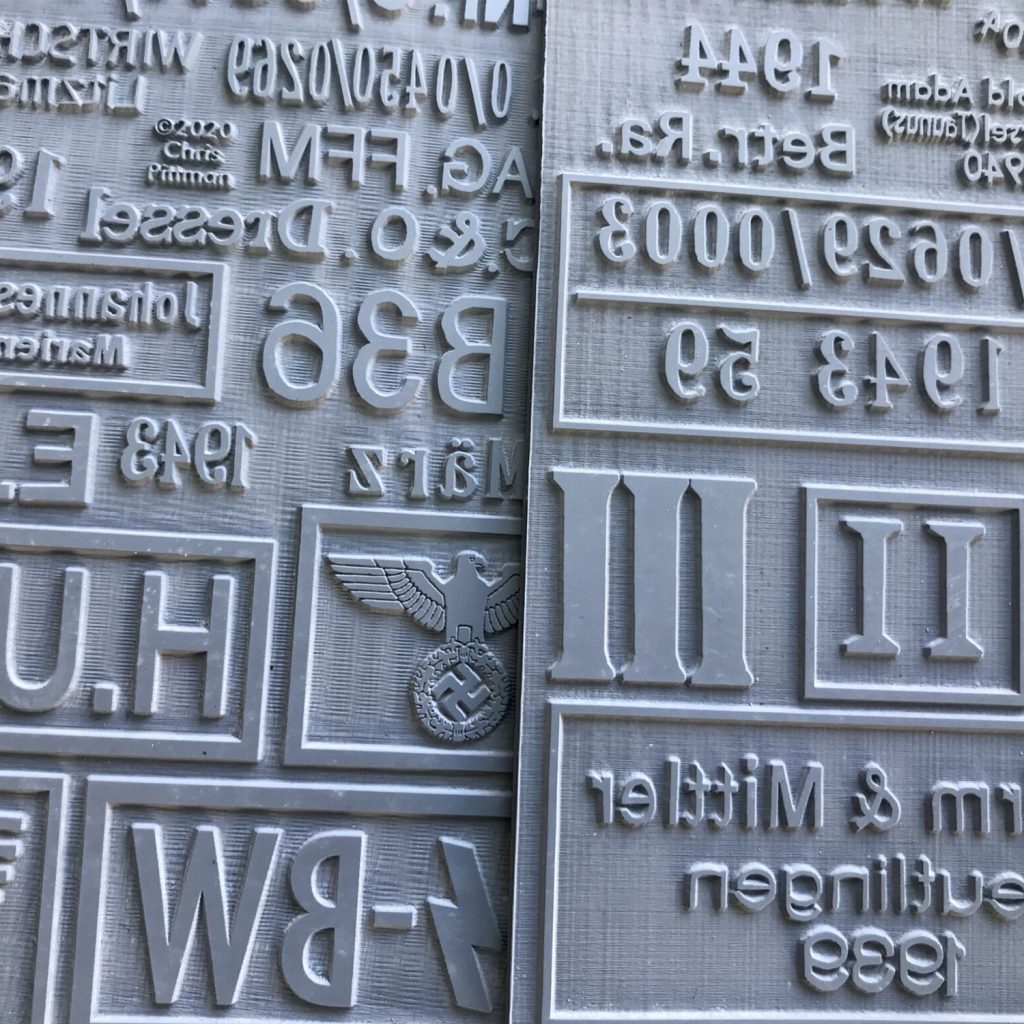
In this process, the laser carves into the surface of the material, removing a thin layer to form a pattern. This allows for detailed engravings on plates or other surfaces, offering precise and durable personalization.
Laser cutting

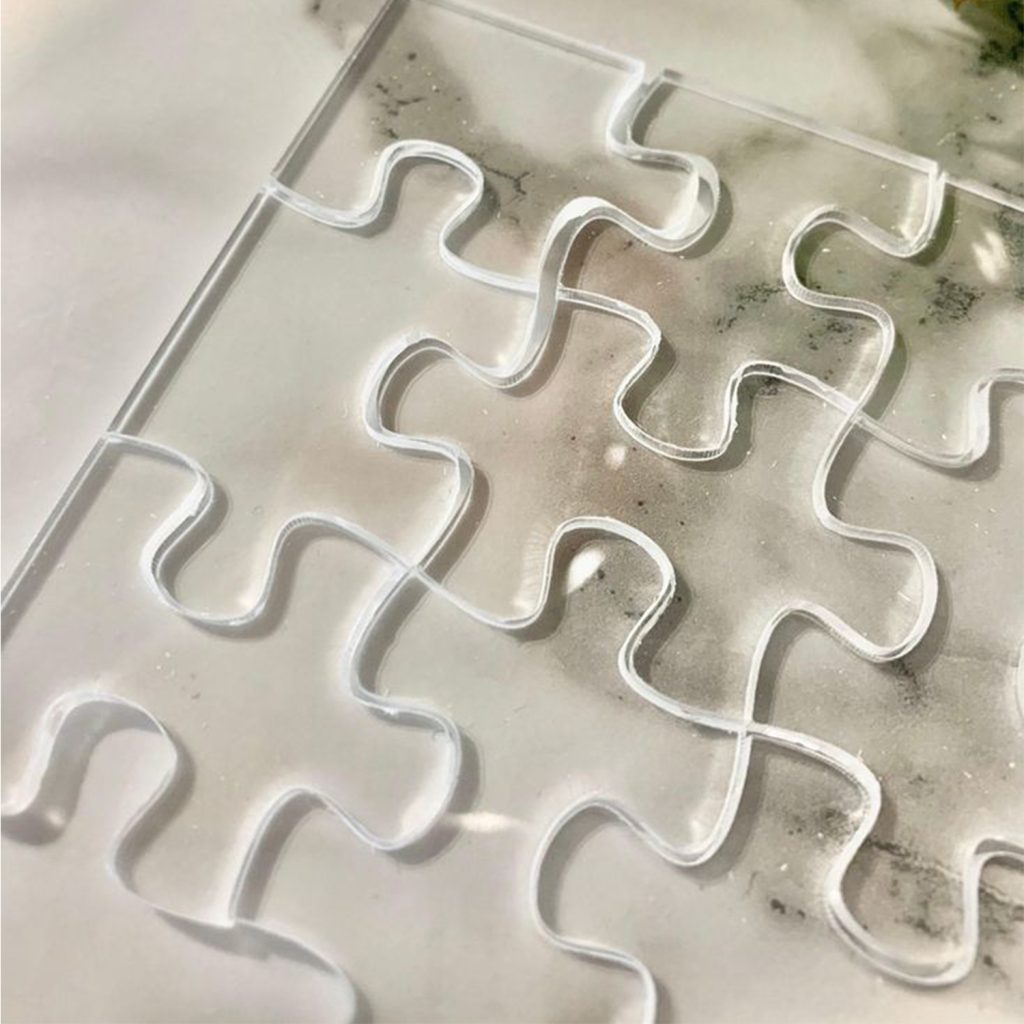
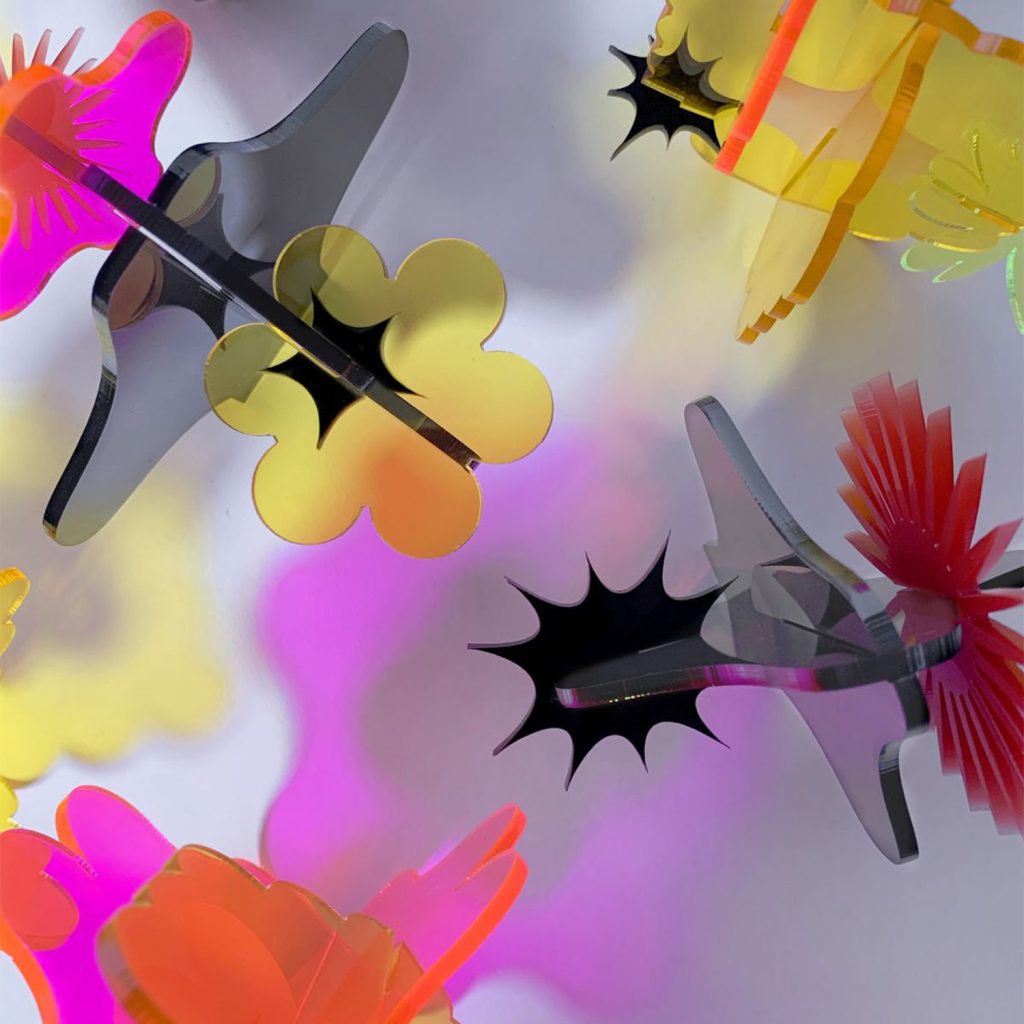
Laser cutting involves completely piercing the material with a very fine laser beam (about 100 microns). This technique offers high precision and superior cutting quality for various applications such as model making, cutting gaskets, or paper for invitations….