



View all news
Galvanometric station laser machines
All our machines CO2 laser with galvanometric station
Advantages of our CO2 galvanometer station laser engraving machines
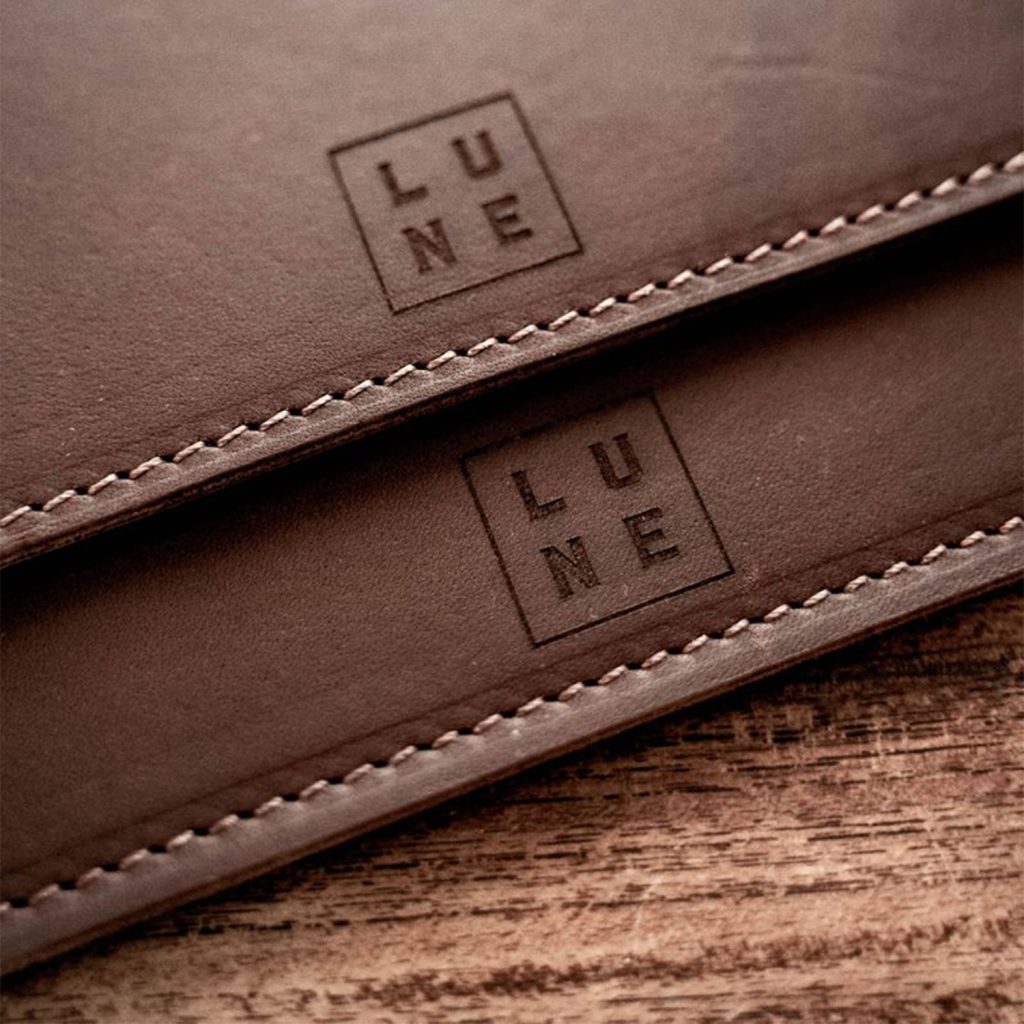
CO2 laser marking with a galvanometer station offers a fast, precise, and reliable solution for high-quality marking on organic materials and polymers (wood, leather, cardboard, paper, technical textiles, PMMA plastics, ABS, PET…).
Thanks to its ultra-fast galvo head, the laser beam is directed with great precision, allowing for non-contact, high-speed marking, even for complex designs. Cycle times are thus considerably reduced compared to flatbed systems.
This technology, which requires no consumables and has no mechanical wear, guarantees permanent marking and integrates easily into automated production lines or standalone workstations, with minimal maintenance.
Our range of CO2 galvanometer station laser machines


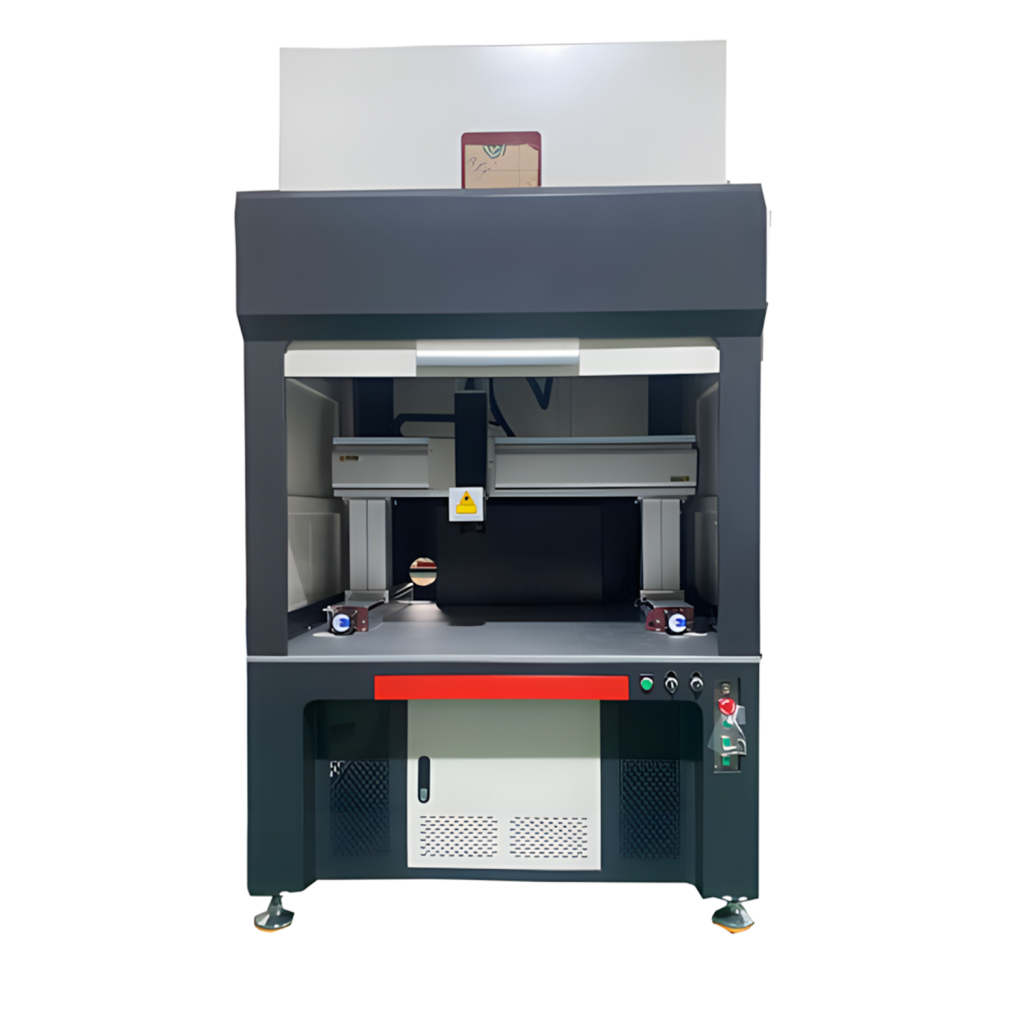
How does a CO2 laser engraver with galvanometric station work?
The steps of CO2 laser engraving with a galvanometer station:
Graphic file creation
- Design of the drawing or pattern using CAD/CAM software included with the machine or by importing from other software (AutoCAD, Illustrator, CorelDraw, Inkscape, etc.)
- The file can be vector (for precise tracing) or bitmap (images to be engraved)
Engraving settings
- Selection of the work type: engraving (marking) or cutting
- Adjustment of parameters according to the material (laser power, speed, resolution)
- Définition de la zone de travail et positionnement du point de départ
Mise en place du matériau sur la table
- Placement et fixation du matériau à graver ou découper (bois, acrylique, cuir, etc.)
Mise au point de la focalisation
- Réglage de la hauteur de la lentille focale (distance focale optimale entre la tête laser et le matériau)
Calibration et test de positionnement
- Réalisation d’un « test de cadre » pour vérifier que le tracé s’inscrit bien dans la zone désirée
- Ajustement de la position du point de départ au besoin
Lancement de la gravure
- Activation du laser
- La tête galvanométrique déplace rapidement le faisceau selon le dessin, en modulant la puissance du laser pour graver le matériau
Fin de la gravure
- Arrêt automatique ou manuel de la machine
- Retrait du matériau gravé
Nettoyage et finition
- Élimination des résidus de gravure (poussières, cendres)
- Possible manual finishing (dusting, polishing)
Laser marking

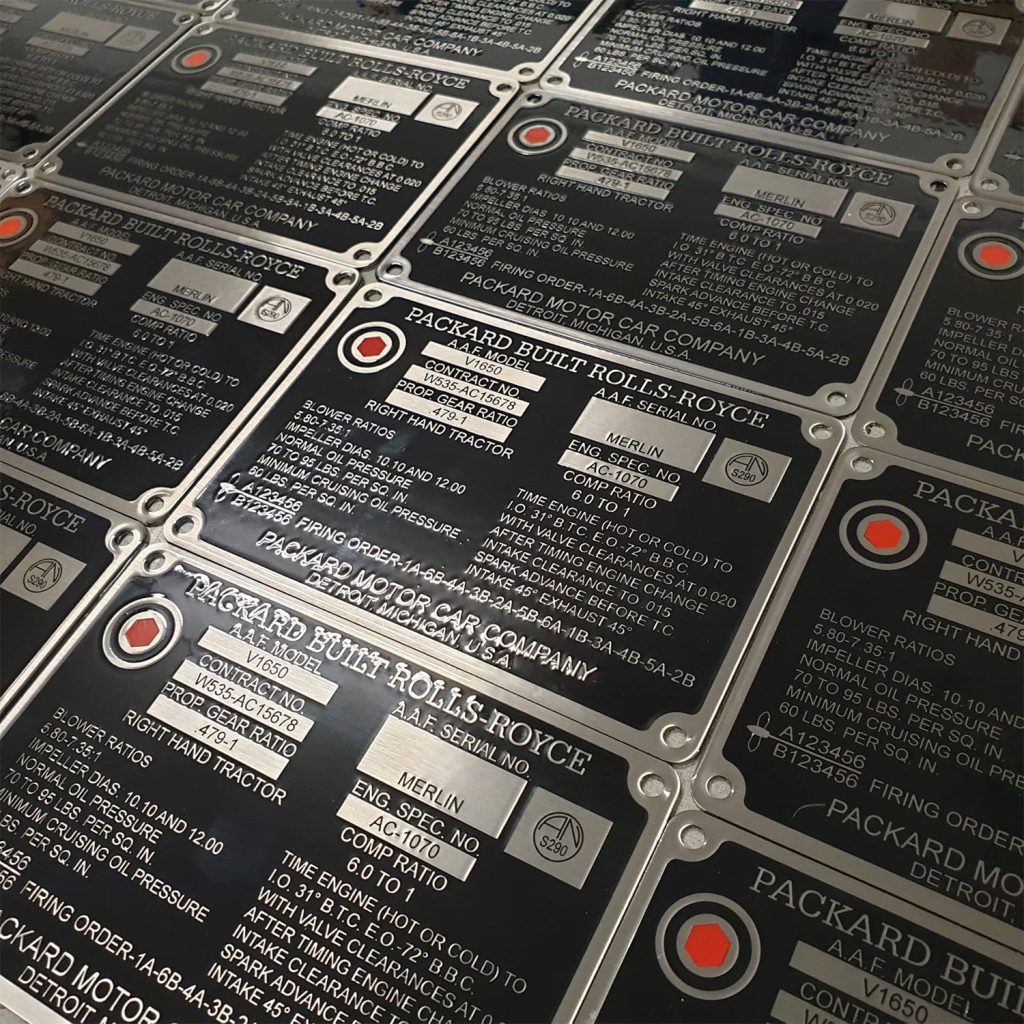
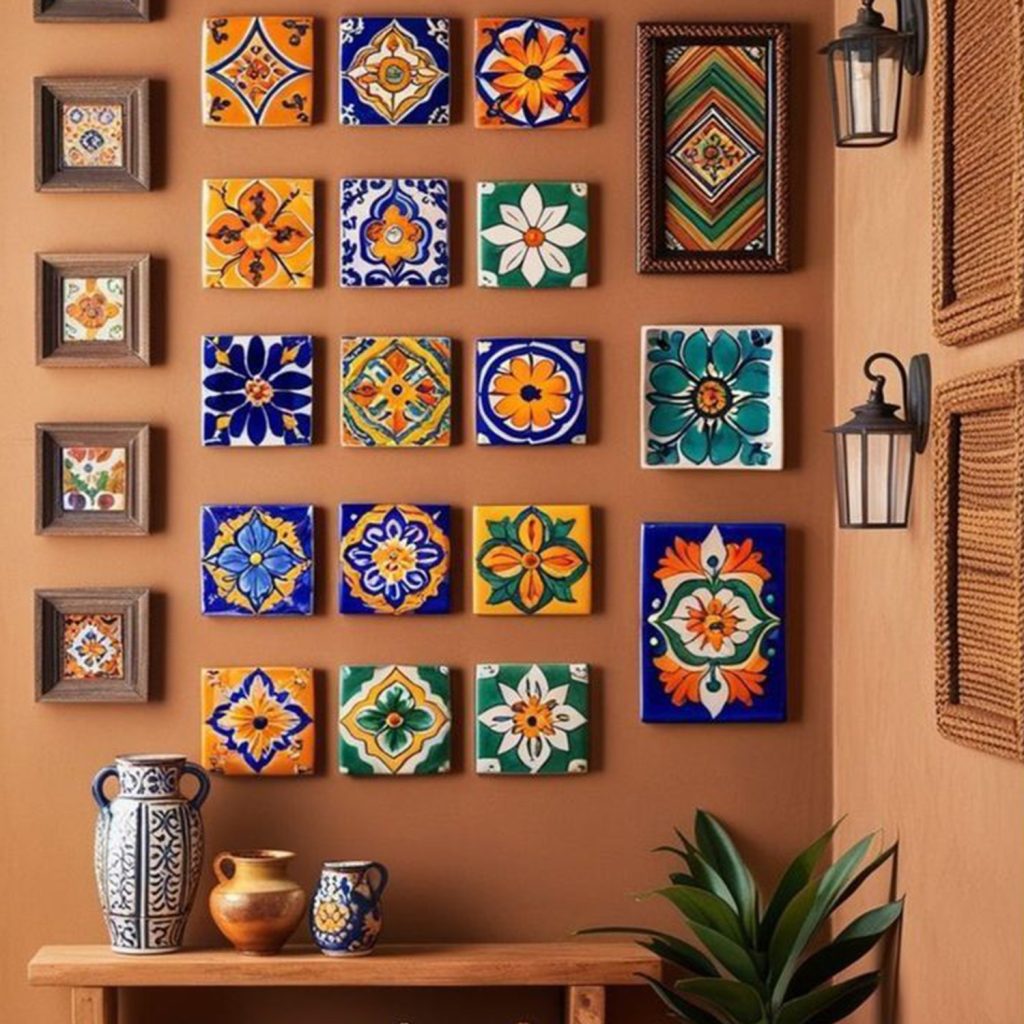
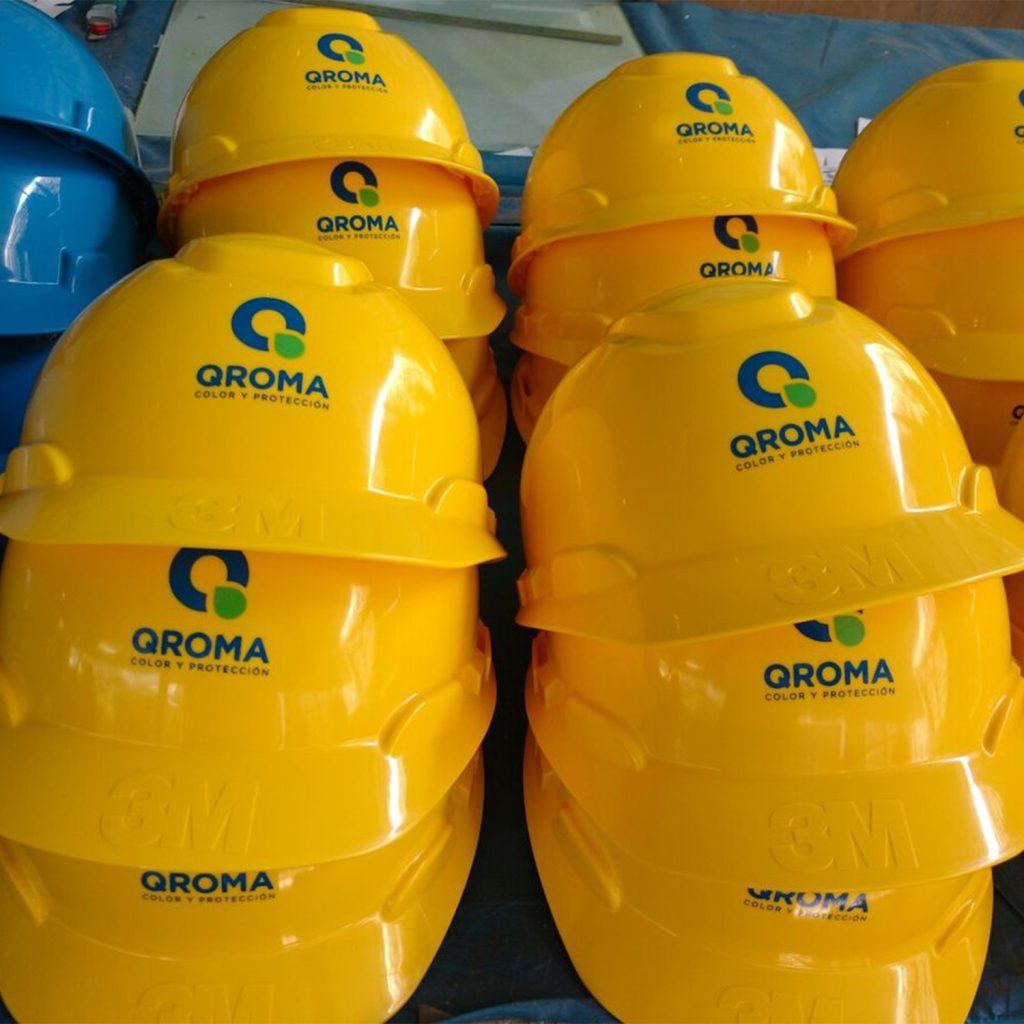
This technique consists of burning the surface of the material, causing carbonization that creates a visual contrast between the original color and the one obtained after marking. This method is often used to ensure part traceability, increment serial numbers, or add references.
Laser engraving

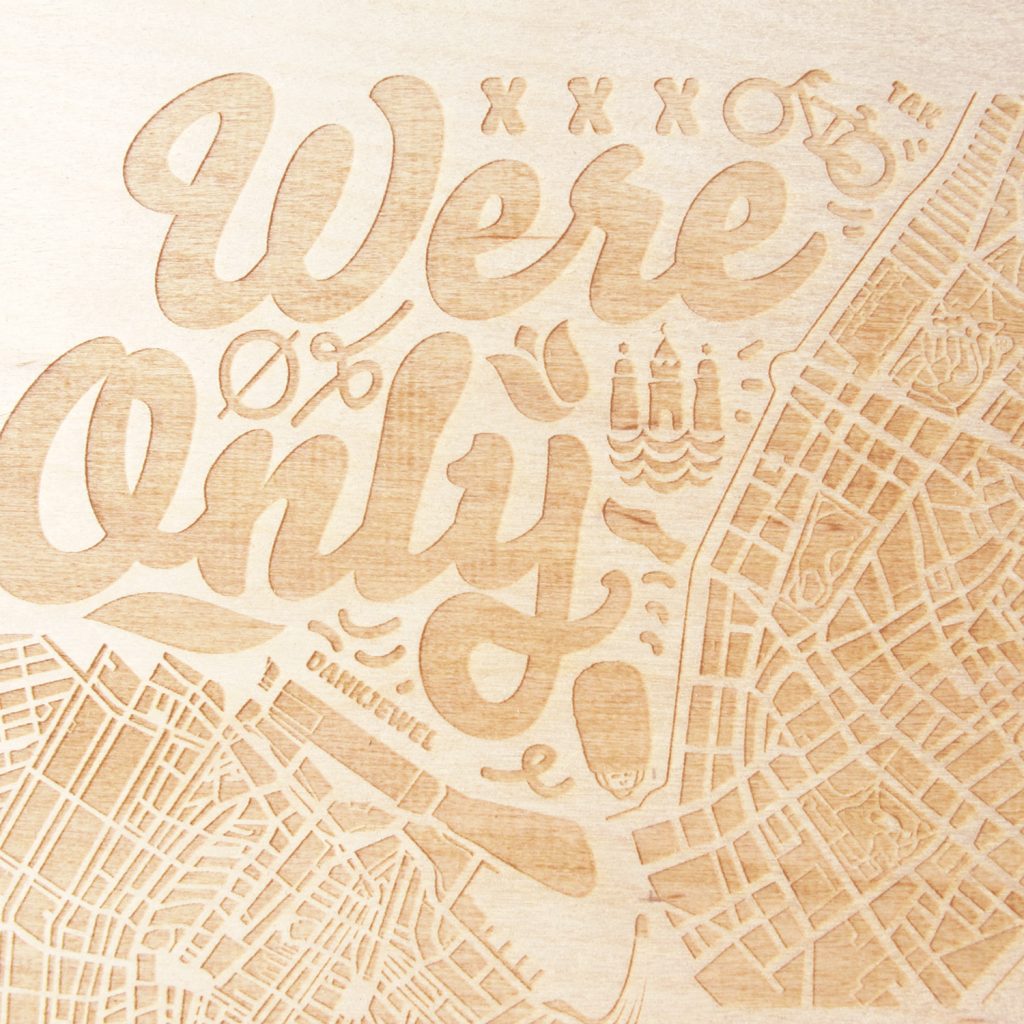
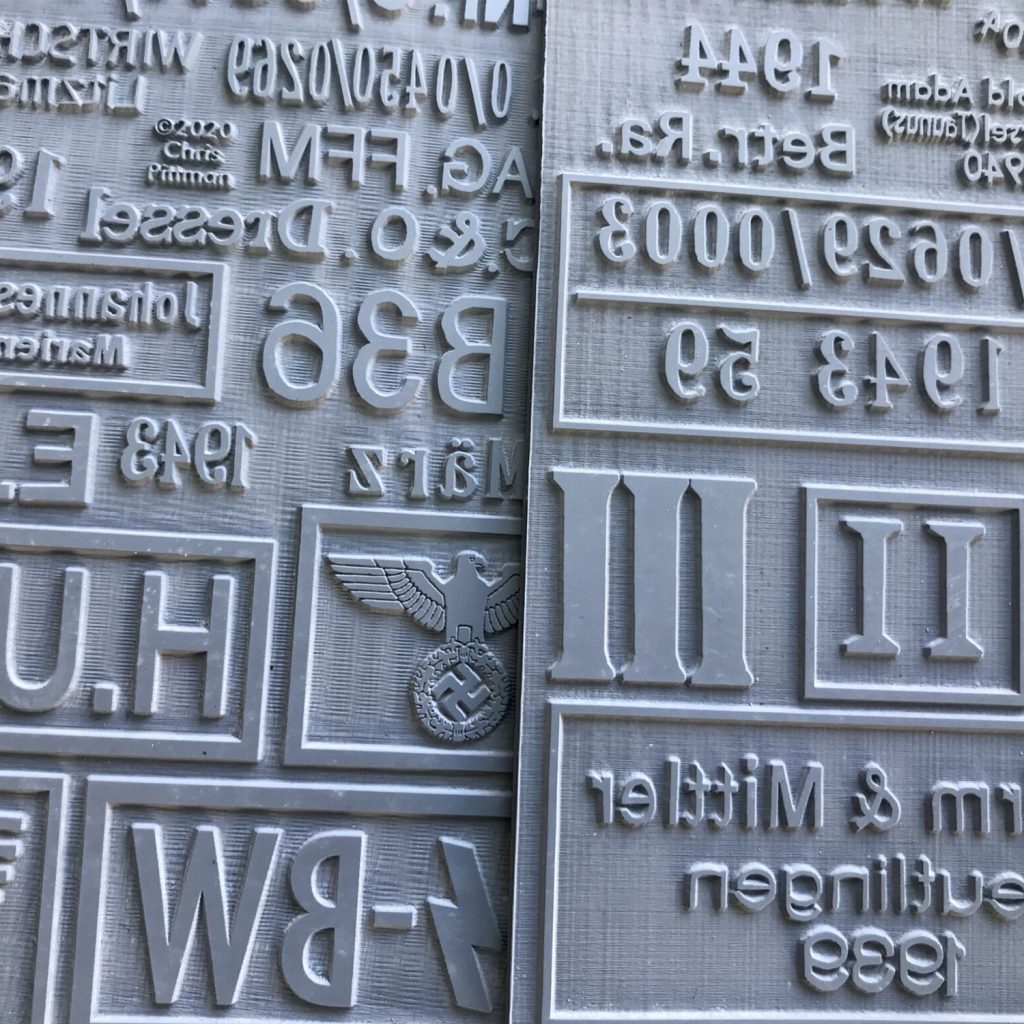
In this process, the laser carves into the surface of the material, removing a thin layer to form a pattern. This allows for detailed engravings on plates or other surfaces, offering precise and durable personalization.
Laser cutting

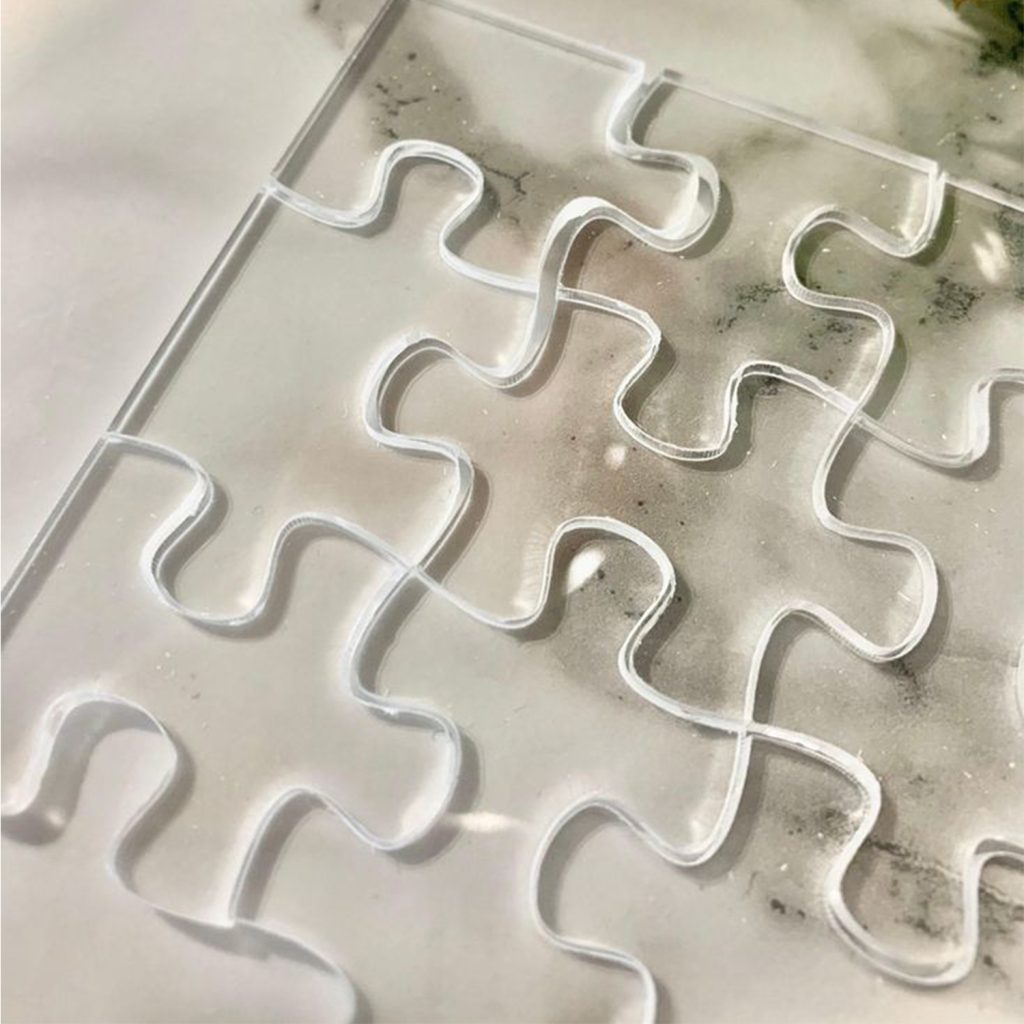
Laser cutting involves completely piercing the material with a very fine laser beam (about 100 microns). This technique offers high precision and superior cutting quality for various applications such as model making, cutting gaskets, or paper for invitations….