




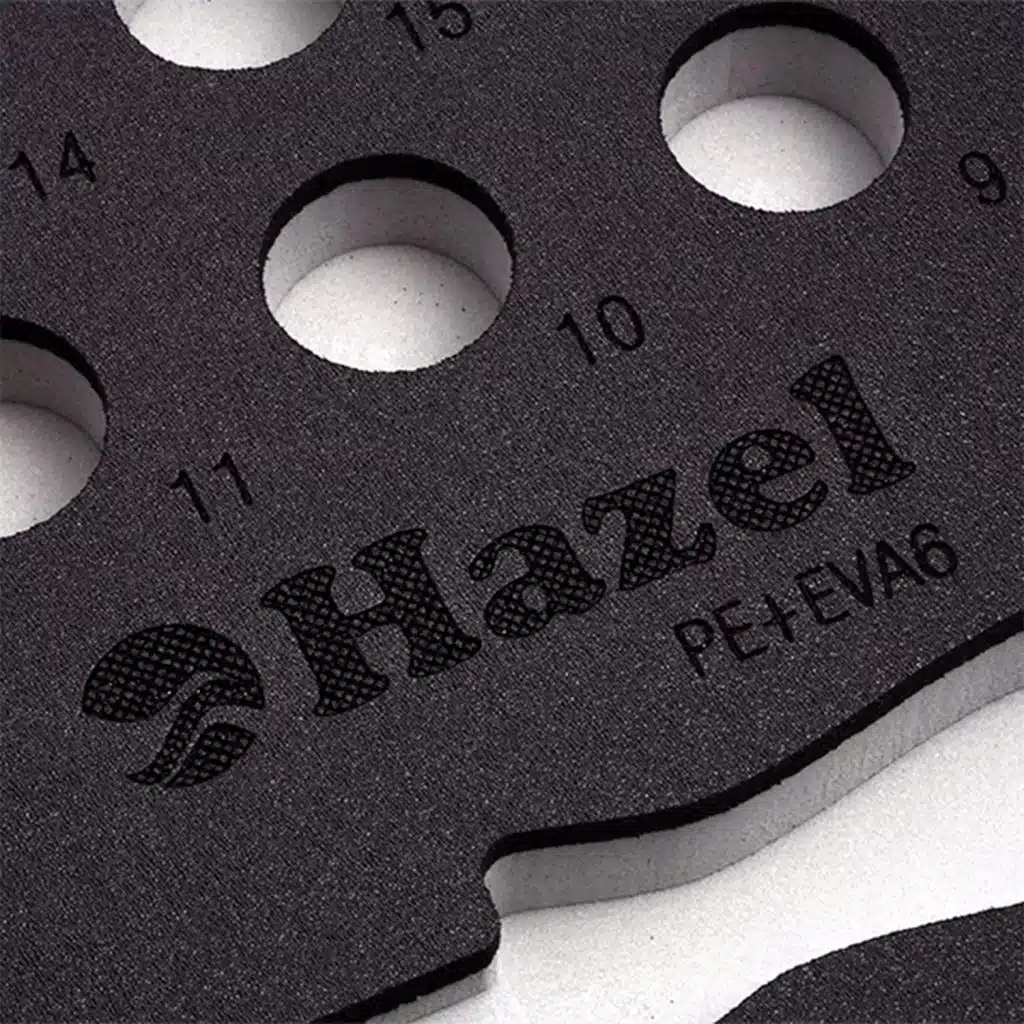
Industrial marking for aerospace: part identification and traceability
In aerospace, every part must be identifiable and traceable throughout its life: manufacturing, assembly, maintenance and repair. Marking is not a mere finishing detail; it is a link in the industrial traceability required by customers and the sector’s quality standards.
Thermoflan supports subcontractors and equipment manufacturers in choosing a marking technology suited to their materials, volumes and customer requirements: long-term legibility, resistance to fluids and mechanical stresses, and no alteration of the part.
Marking challenges in aerospace
Permanent identification
Serial number, reference, batch and manufacturing date: the information must remain legible for the entire service life of the part, despite thermal cycles, hydraulic fluids or maintenance operations.
Machine-readable codes
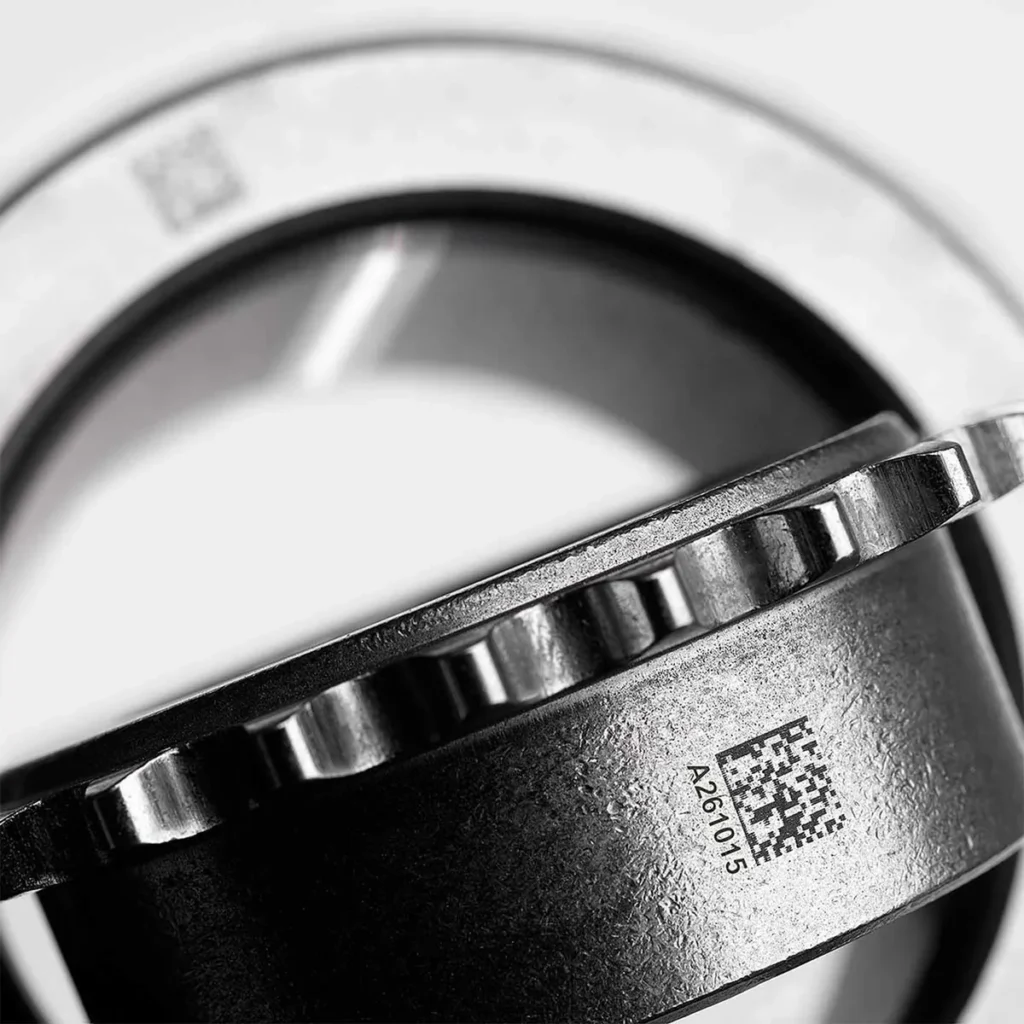
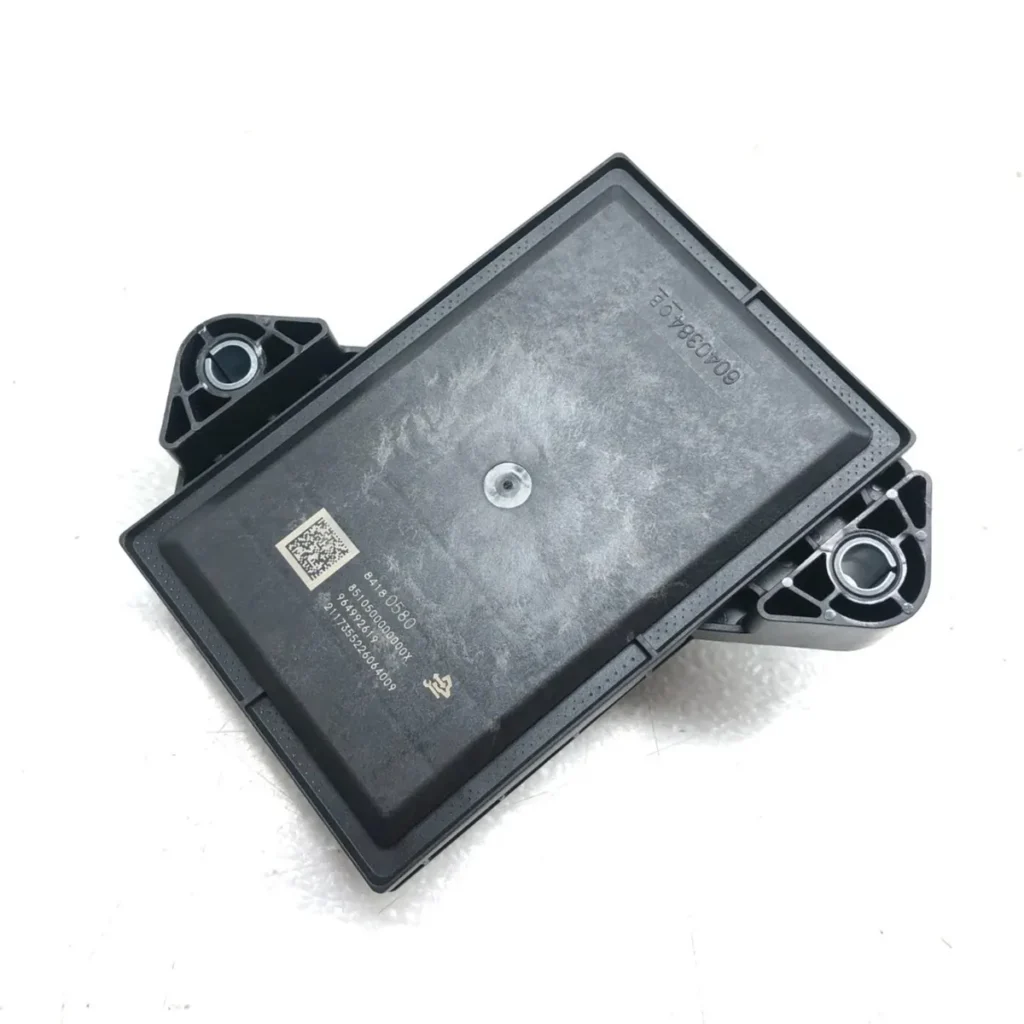
DataMatrix codes marked directly on the part (DPM) enable automated tracking, provided that contrast and module size are suited to the reader and to the customer’s specifications.
Preserving part integrity
On critical parts, the marking process must not create crack initiation sites or alter the material’s properties. The choice between surface marking and deep engraving depends on the area and function of the part.
Demanding materials
Aluminium alloys, titanium, stainless steels, composites and engineering plastics: each material reacts differently and requires marking parameters validated through testing.
Our marking technologies for aerospace
Fiber laser engraving
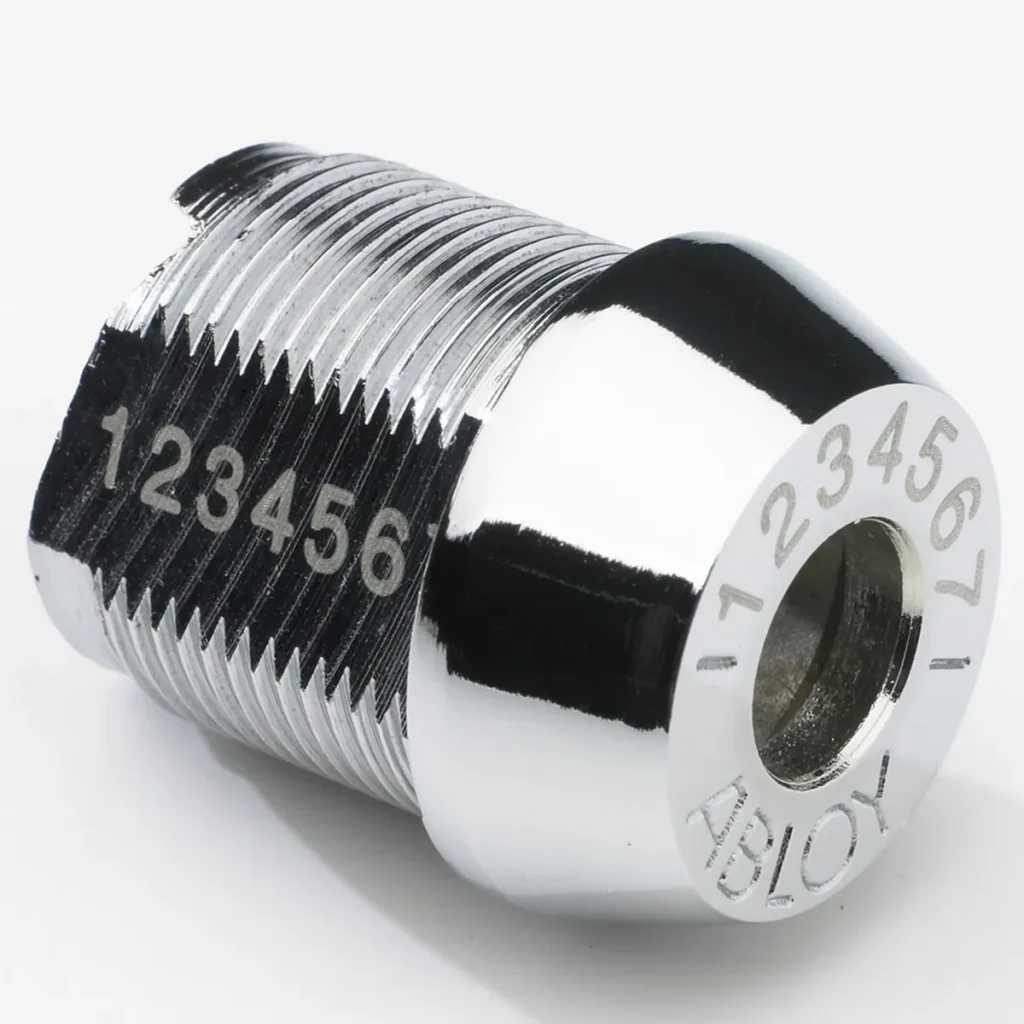
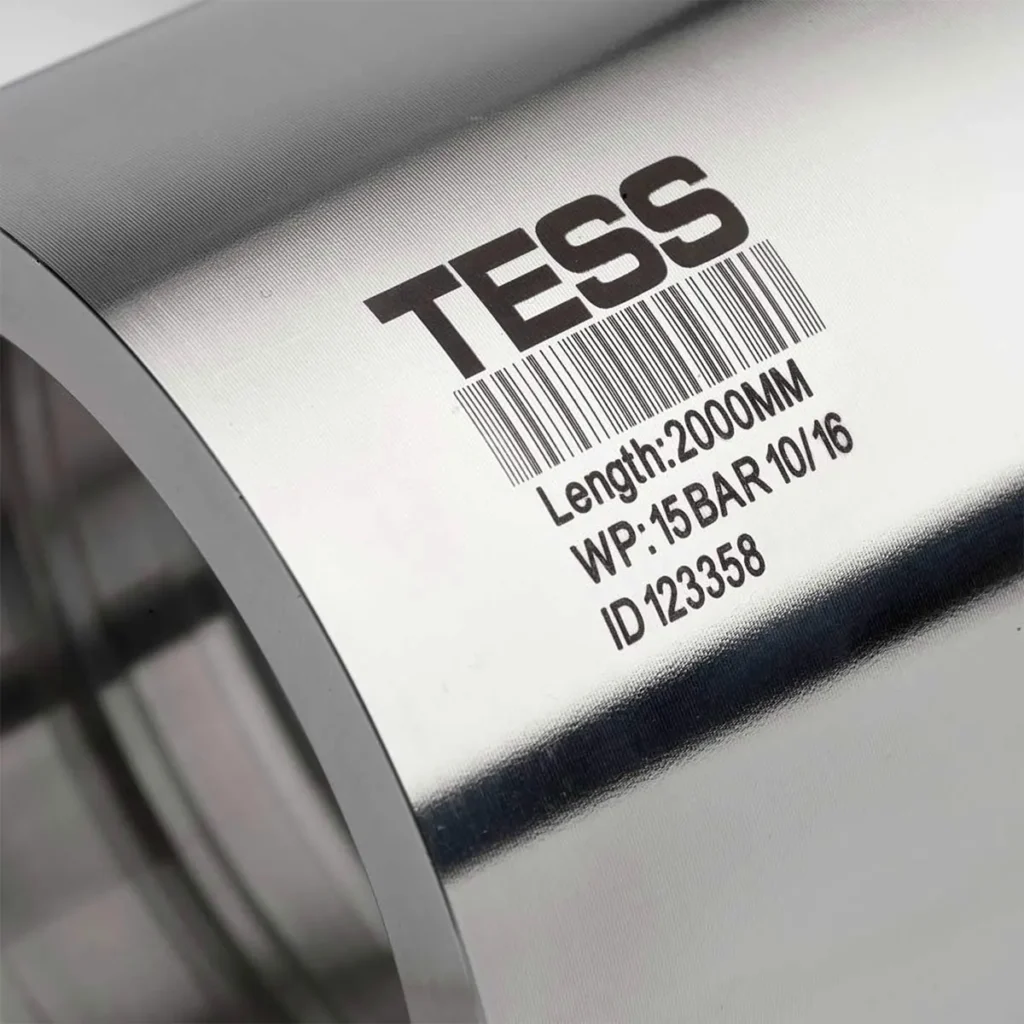
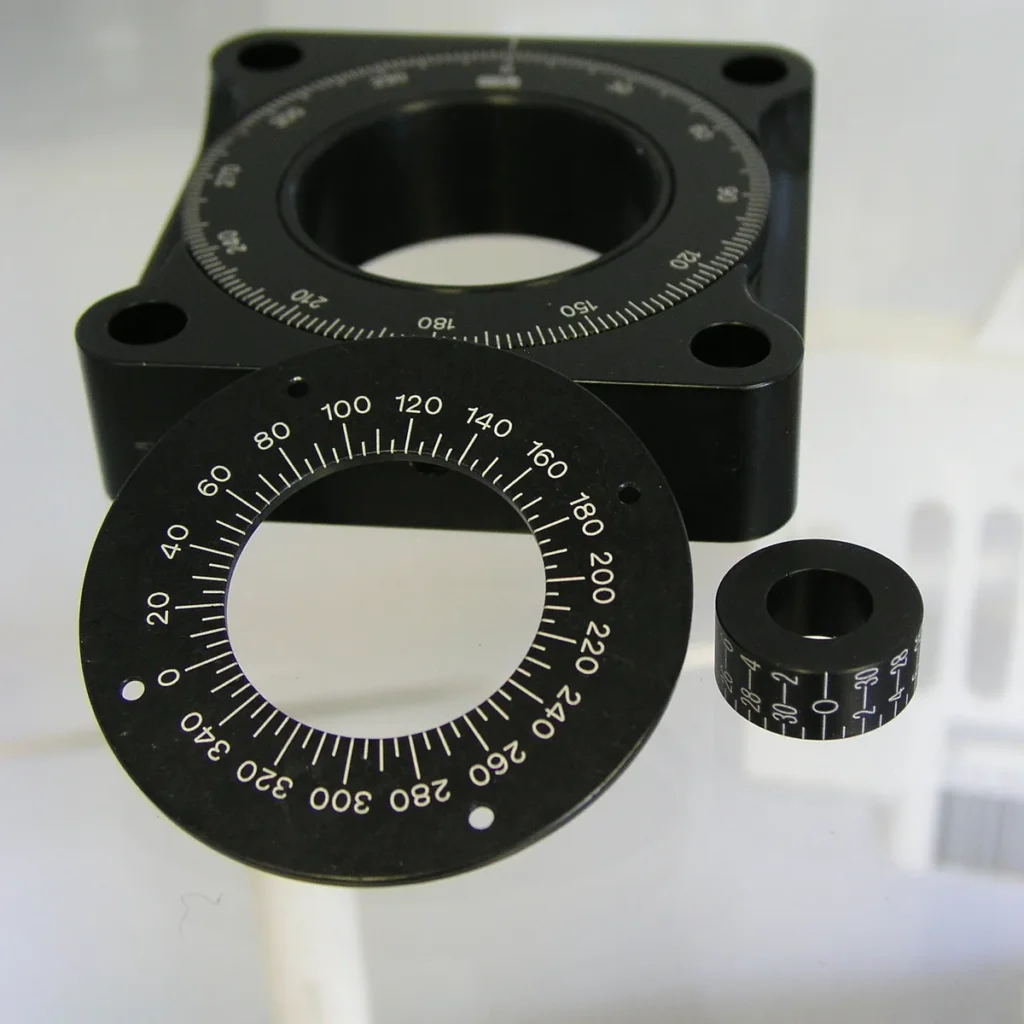
The fiber laser engraving process is the reference solution for permanently marking metals: text, logos and high-contrast DataMatrix codes, without contact and without consumables. It is available from closed marking stations to portable systems for large parts.
CO2 laser
The CO2 laser marks and cuts non-metallic materials: plastics, nameplates, technical labels, gaskets and cabin interior materials.
Pad printing
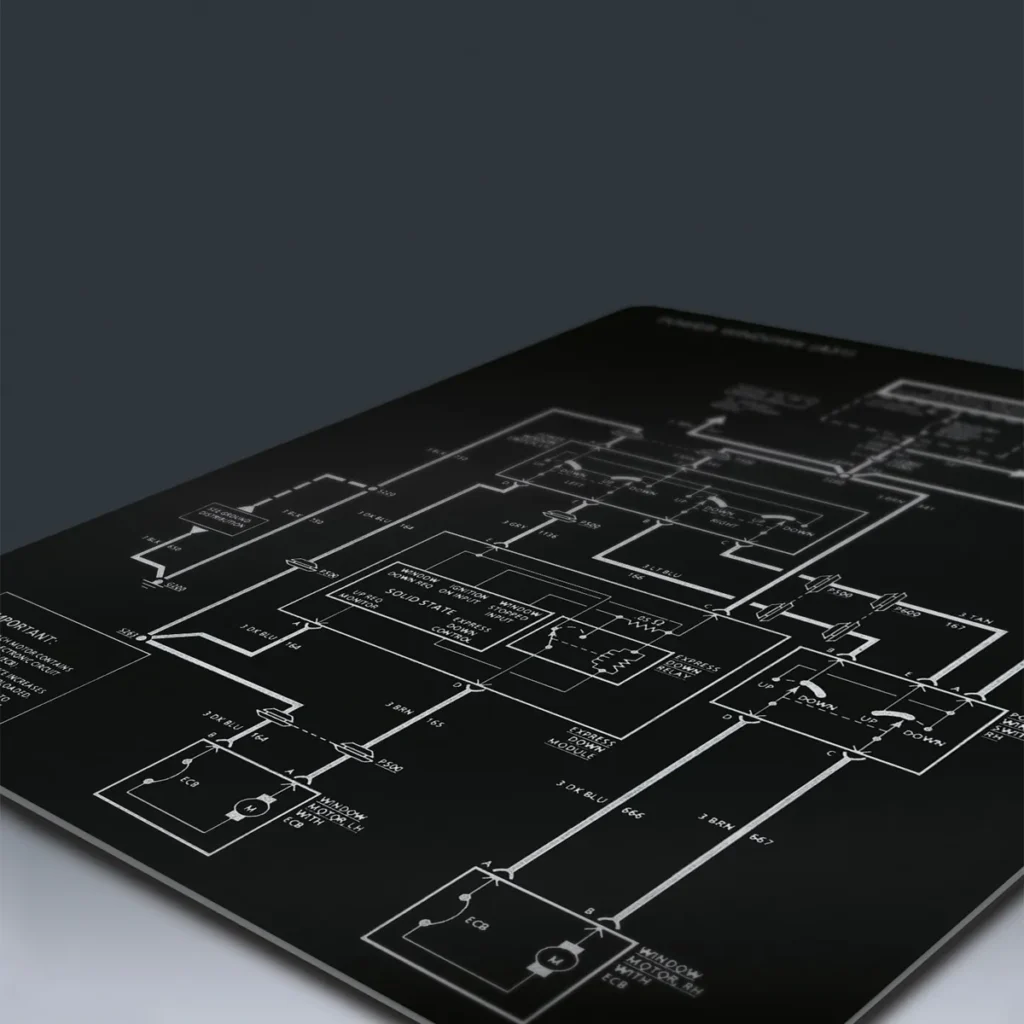
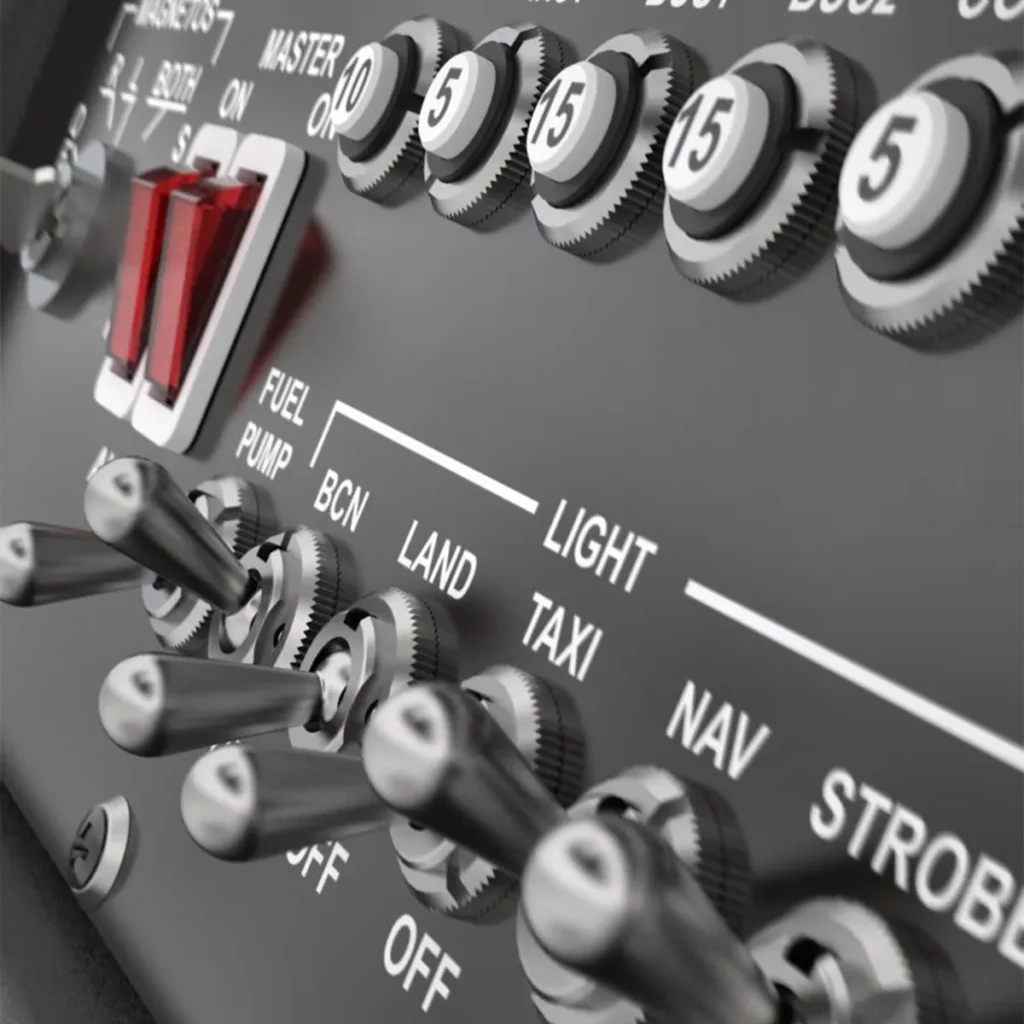
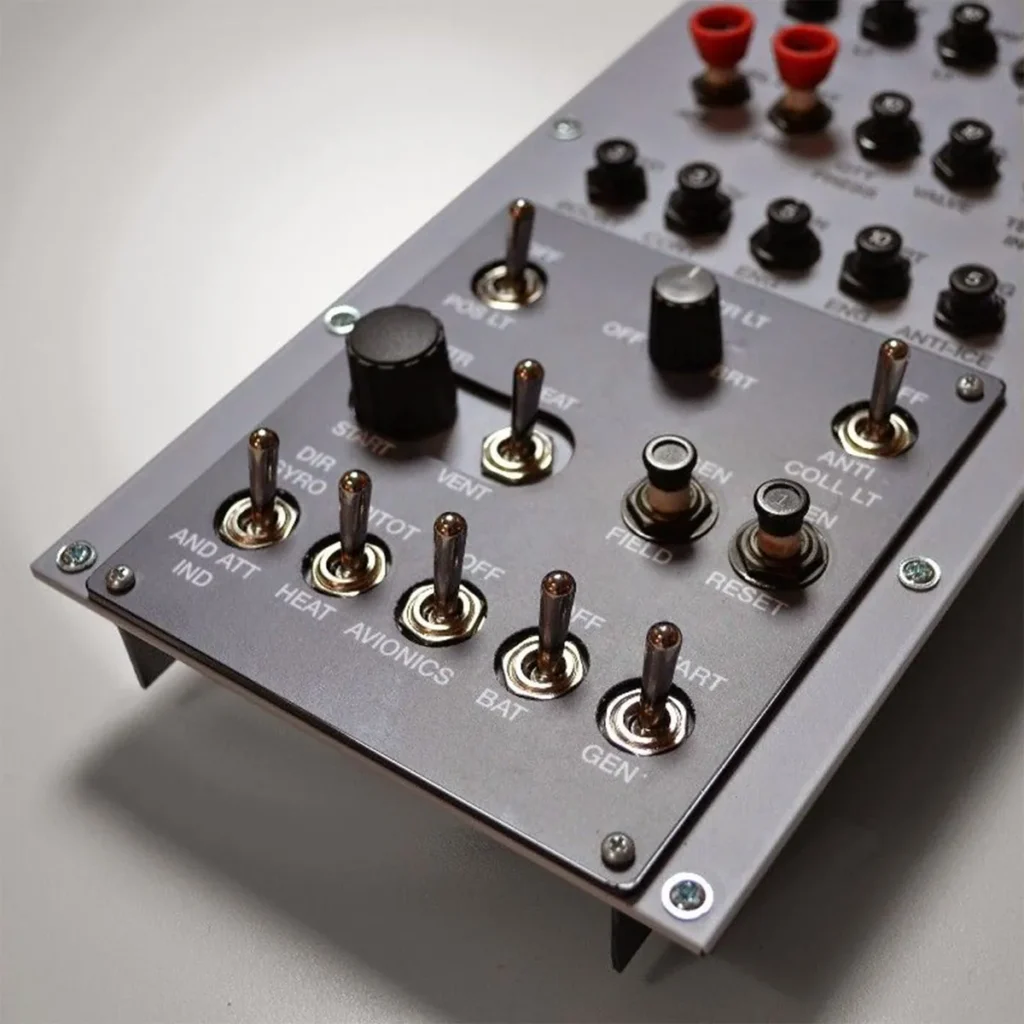
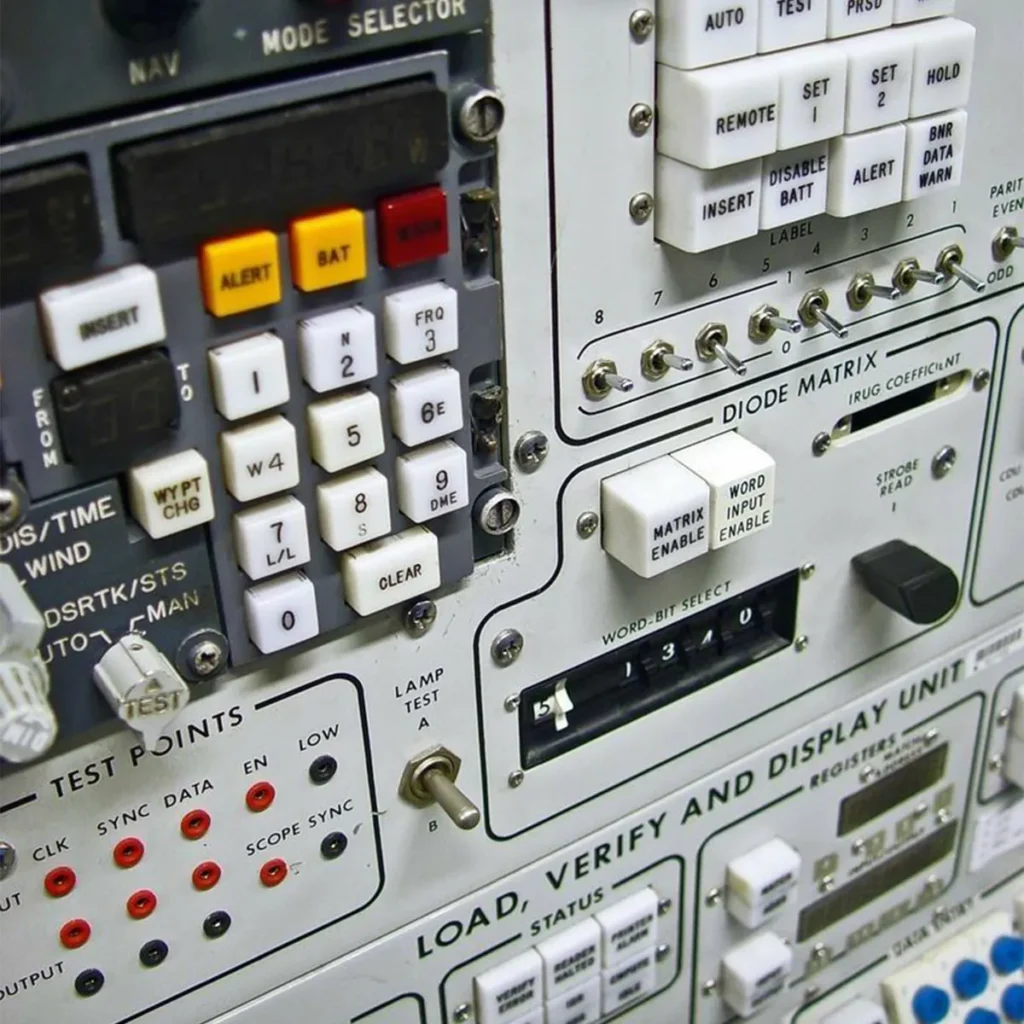
The pad printing process applies markings, pictograms and inscriptions onto plastic parts with complex shapes: buttons, control panel faces and covers.
UV printing
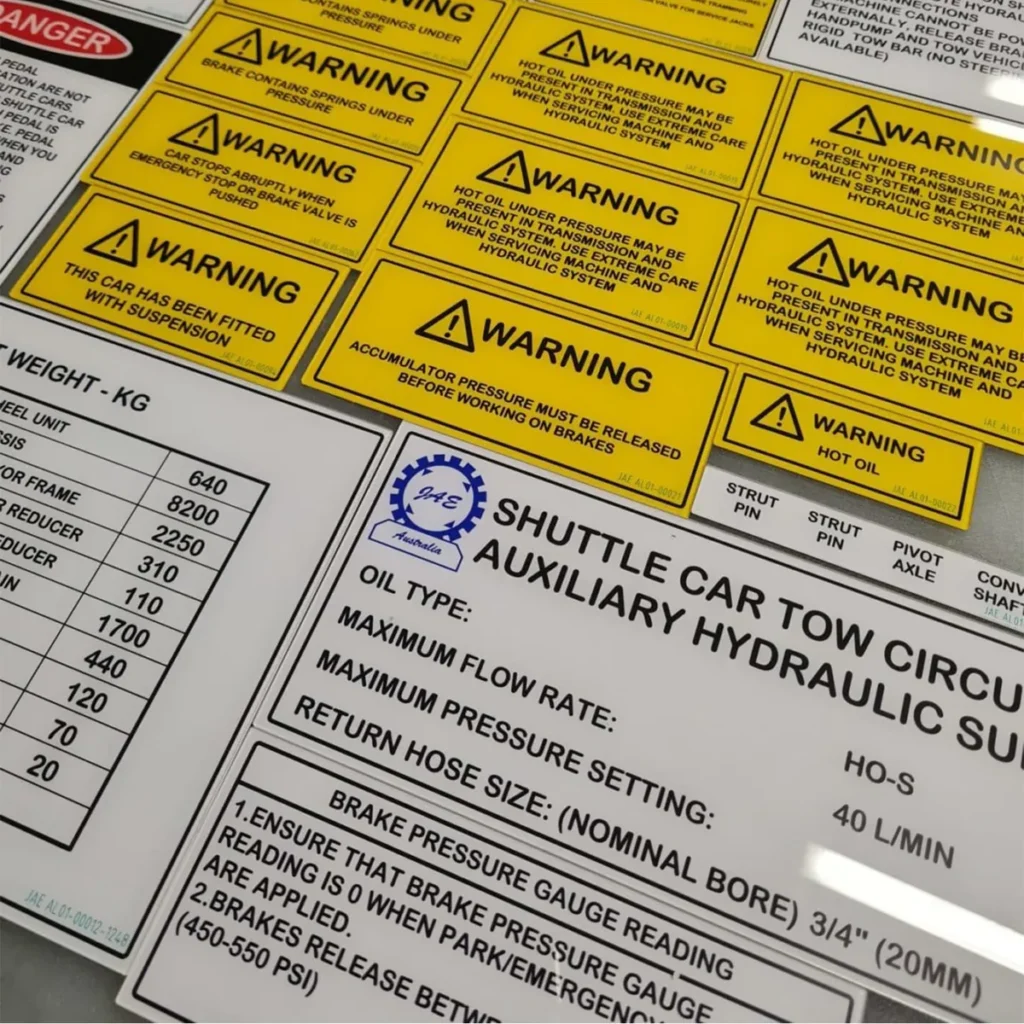
The UV printing process enables full-colour printing of panels, plates and identification markings on rigid substrates, for single units as well as small series.
Which technology for which part?
The table below gives general guidance. The final choice must always be validated through testing on your parts and according to your customer’s specifications.
| Technology | Marking type | Materials | Typical use |
|---|---|---|---|
| Fiber laser | High-contrast marking or deep engraving | Aluminium, titanium, stainless steel, steels, certain plastics | Serial numbers, DataMatrix codes, identification plates |
| CO2 laser | Engraving and cutting | Plastics, organic materials, coatings | Technical labels, signage, gasket cutting |
| Pad printing | Ink transfer | Plastics, coated metals | Markings and pictograms on parts with complex shapes |
| UV printing | Colour printing | A variety of rigid substrates | Panels, plates and colour signage |
Traceability, standards and customer requirements
Marking requirements are generally set by customers and industry standards, for example the quality standard EN 9100 or direct part marking specifications such as SAE AS9132 for DataMatrix codes. They define in particular the readability, location, size and quality of the code.
Our role is to offer you a solution that meets these criteria and to support you through the trials. To go further, see our guides on industrial laser marking and industrial traceability.
Application examples
Machined and mechanical parts
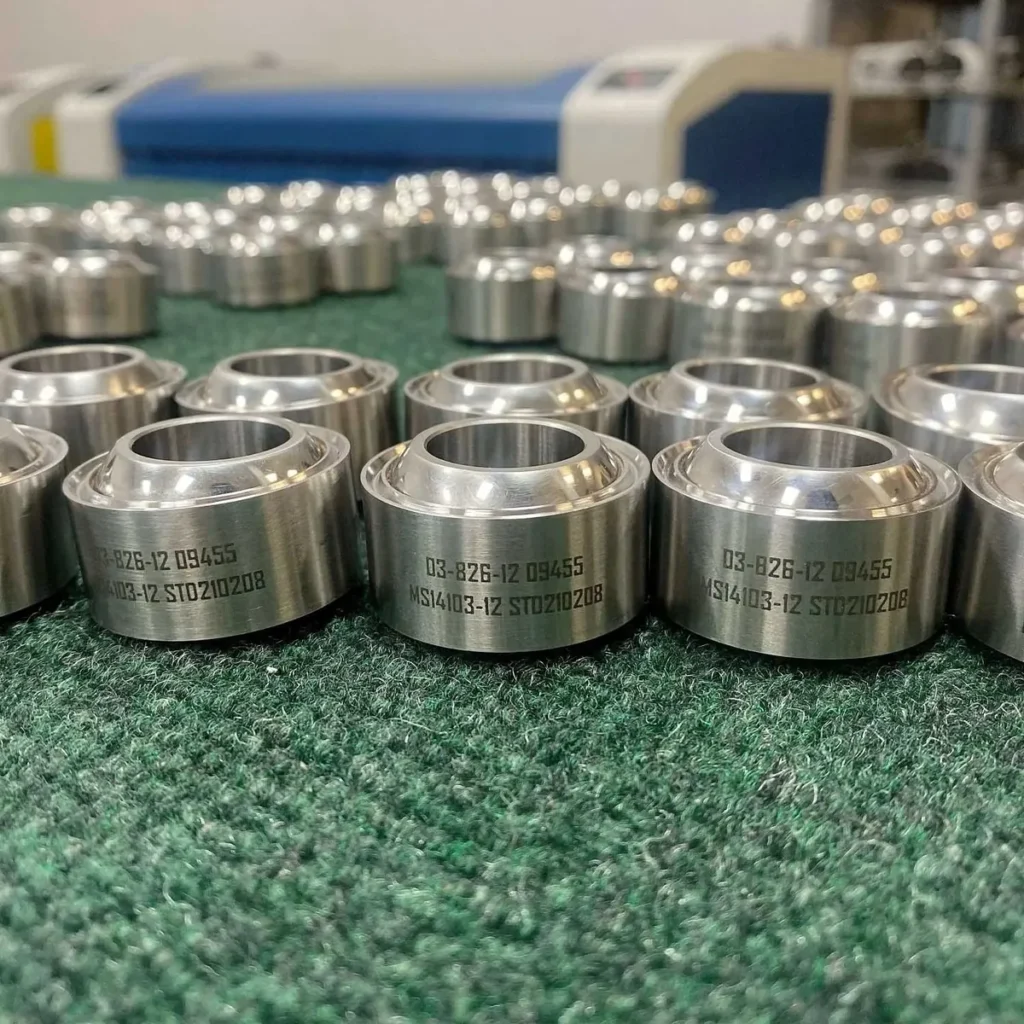
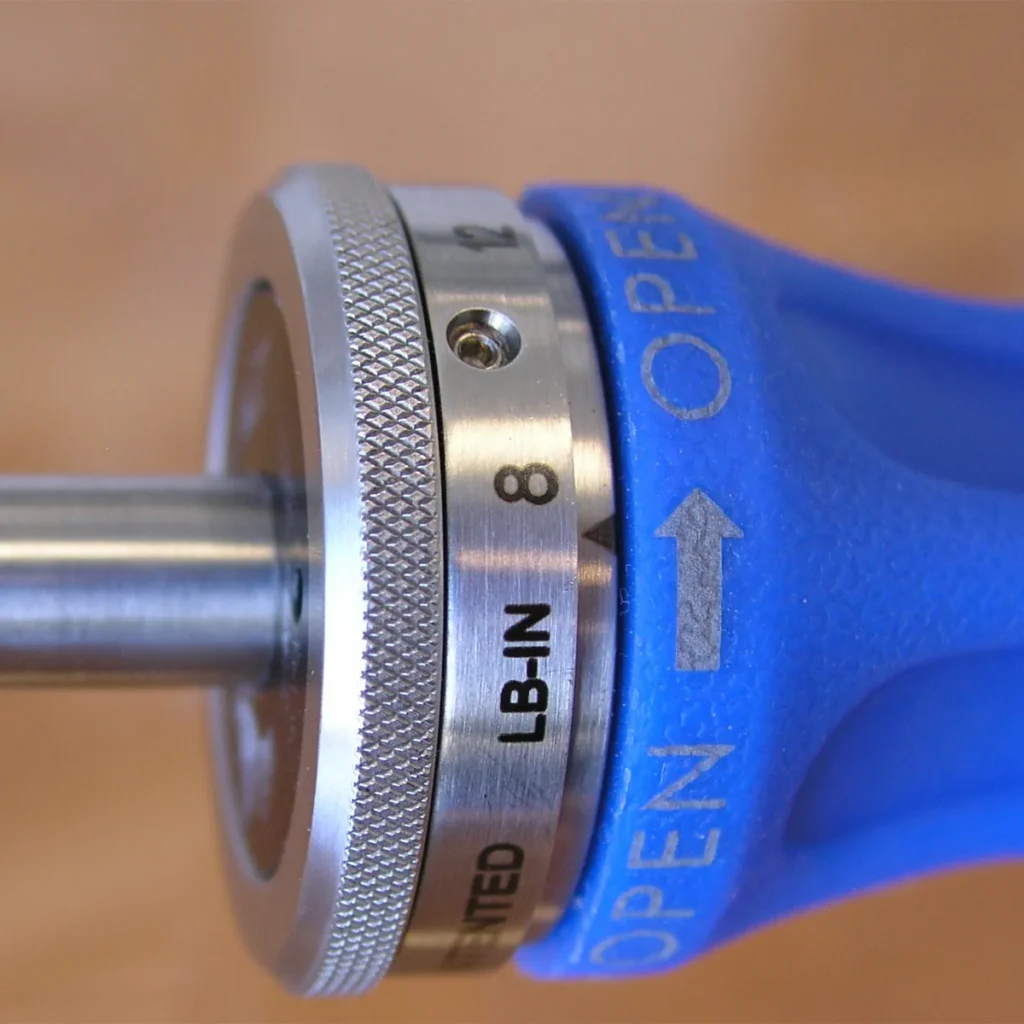
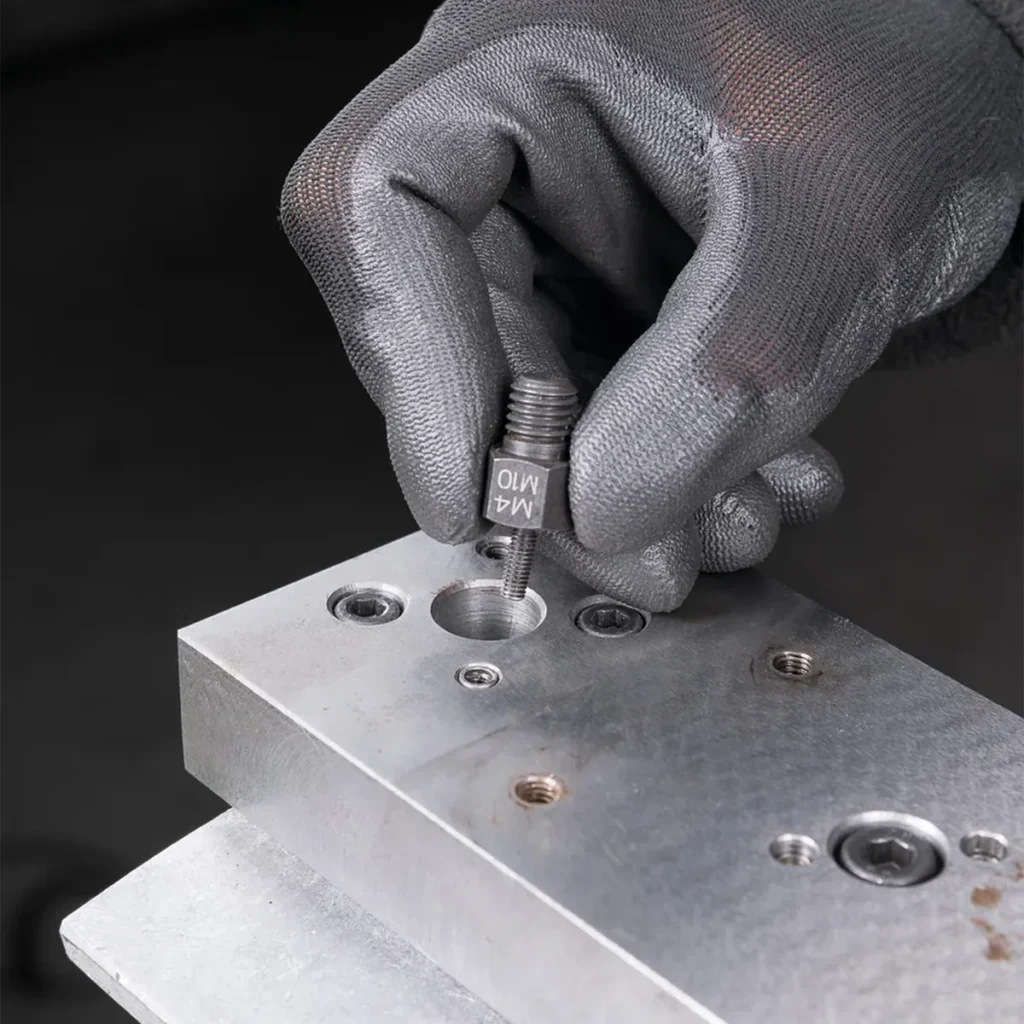
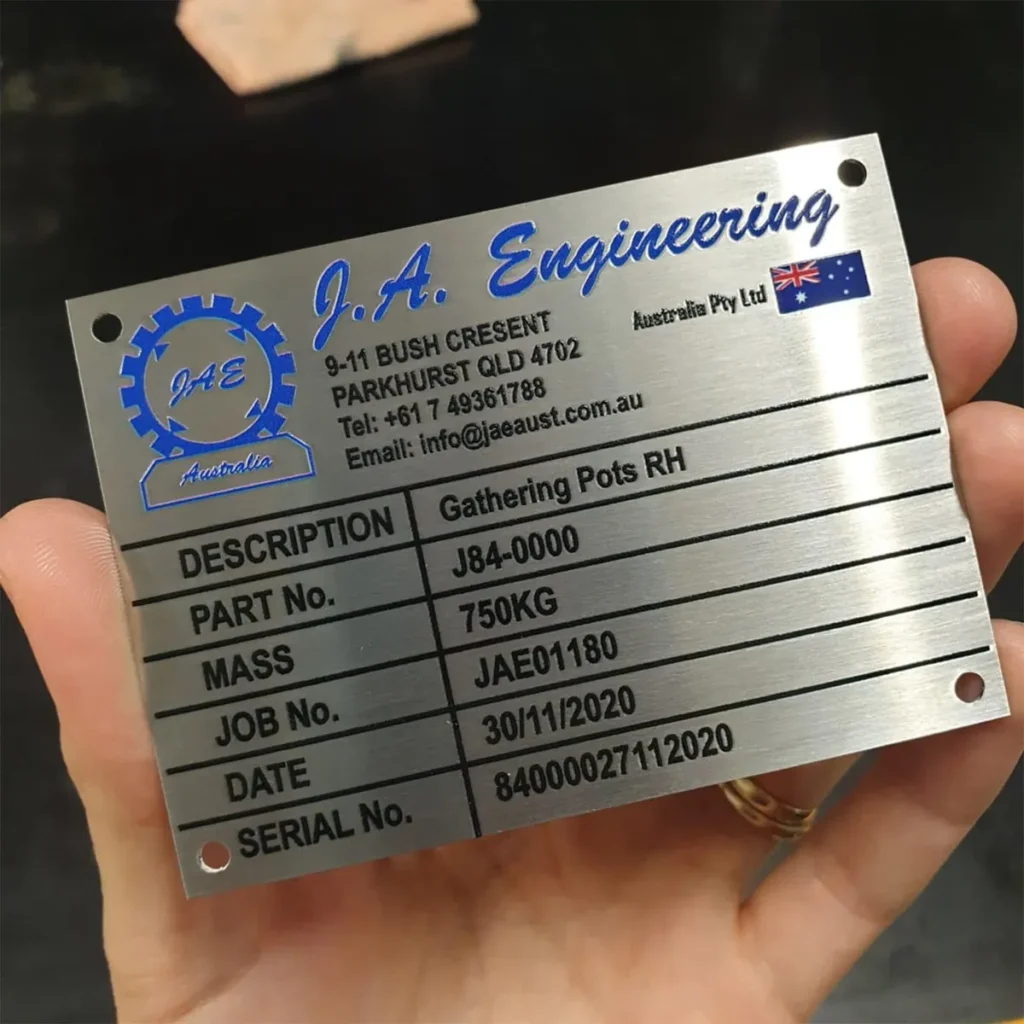
Serial numbers and DataMatrix codes on aluminium, titanium or stainless steel parts.
Identification plates
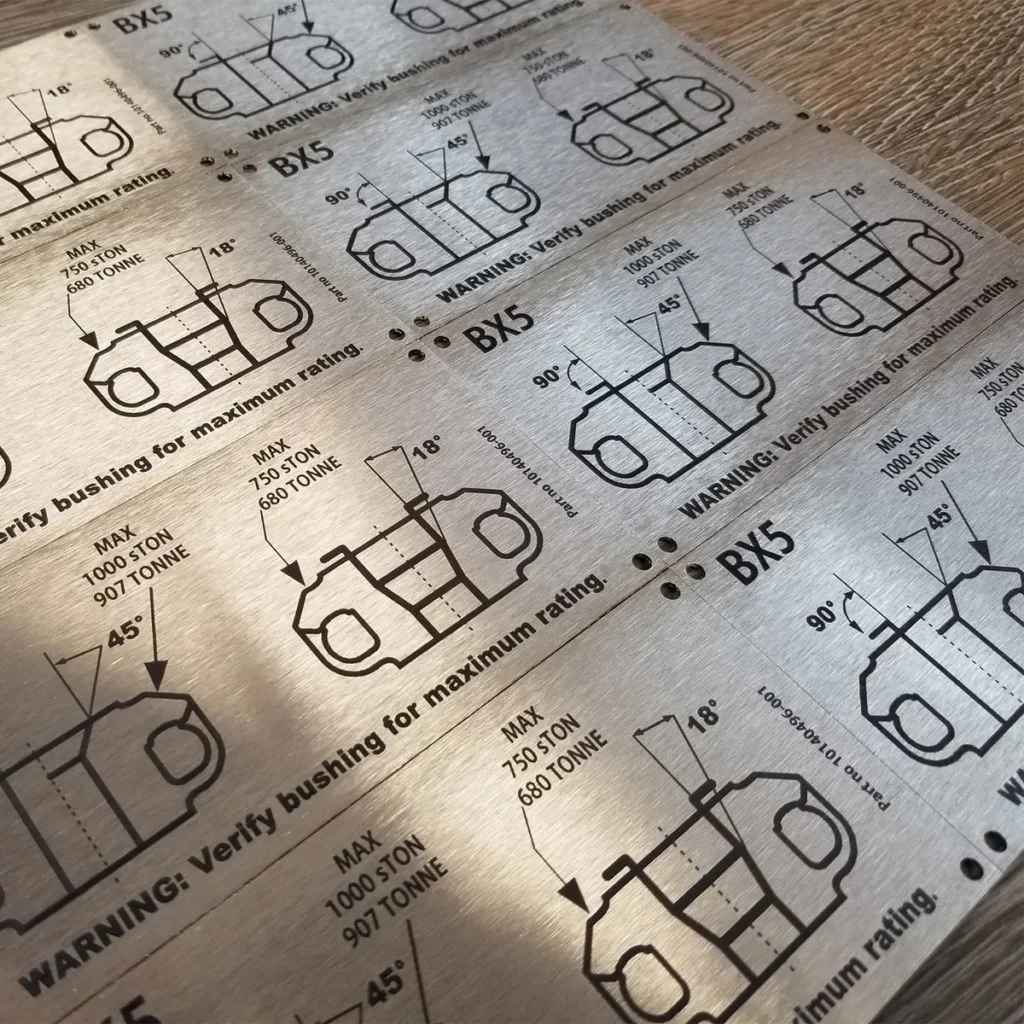
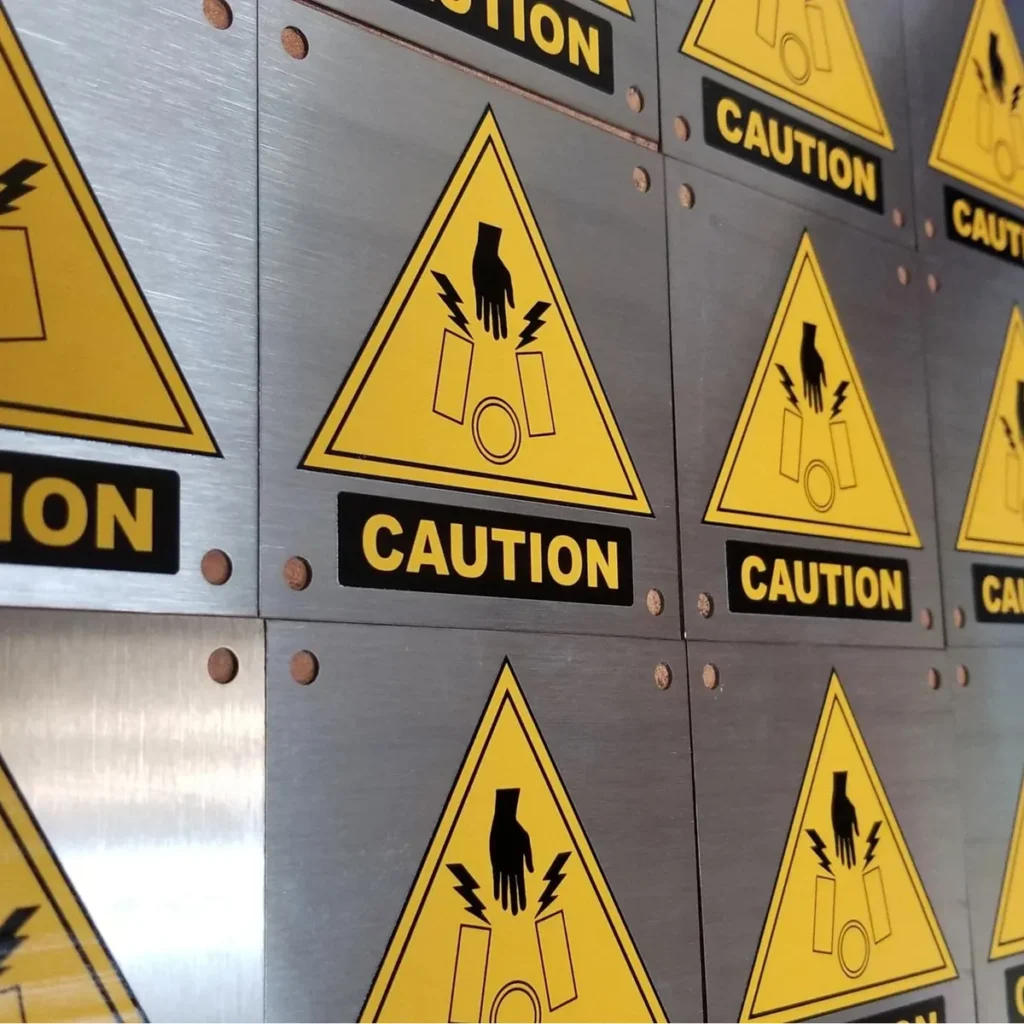
Nameplates and durable metal labels for equipment and subassemblies.
Tooling and jigs
Durable identification of tooling, inspection jigs and workshop equipment.
Controls and front panels
Markings and pictograms on buttons, keypads and control panel fronts.
Thermoflan, your marking partner for aerospace
For 60 years, Thermoflan has advised industrial companies on the selection, installation and support of their marking equipment. Our teams run trials on your parts in our demonstration room, train your operators and provide after-sales service for your machines.
Frequently asked questions about aerospace marking
Which process should be used to mark titanium or aluminium parts?
Fibre laser is the most widely used process for durably marking titanium and aluminium alloys, either as high-contrast surface marking or engraving. Parameters are defined through trials depending on the material, surface finish and the customer’s requirements.
Does laser marking weaken parts?
Properly configured laser marking acts on the surface and can be adjusted to limit heat input. On critical parts, the area and type of marking must comply with the customer’s specifications; we carry out trials to validate the solution.
Can DataMatrix codes be marked so they are machine-readable?
Yes. Fibre lasers can mark DataMatrix codes directly on the part. Readability depends on contrast, module size and surface finish: these parameters are adjusted during trials.
Can large or already assembled parts be marked?
Yes, with a portable laser system or an open-frame machine, which can mark parts that do not fit inside an enclosed marking station.
Can Thermoflan run trials on our parts?
Yes. Send us samples or visit our demonstration room: we test suitable technologies and provide the results for your validation.