






Industrial marking for the automotive industry: traceability of parts and components
The automotive industry requires detailed traceability of parts and components: in the event of a defect, the affected batches must be identified quickly. Marking must keep pace with production rates, remain legible throughout the vehicle’s life and integrate with the plant’s tracking systems.
Thermoflan supports OEMs and subcontractors in choosing a technology suited to their parts, their production rates and the requirements of their vehicle manufacturer customers.
Marking challenges in the automotive industry
Keeping up with production rates
Marking must match the rhythm of the line, with short cycle times and perfect repeatability from one part to the next.
Codes that machines can read automatically
DataMatrix codes enable automated part tracking on the line and at the customer’s site. The quality of the marking determines the read rate.
Durable identification
Heat, vibration, oils, fuels, splashes: marking must withstand the operating conditions of the part inside the vehicle.
A wide variety of parts
Machined metal parts, injection-moulded plastics, wiring harnesses, buttons and controls: each family of parts calls for a suitable marking solution.
Our technologies for the automotive sector
Fibre laser engraving
The fibre laser engraving process quickly marks metals and engineering plastics with DataMatrix codes, serial numbers and logos, without consumables and with excellent repeatability.
CO2 laser
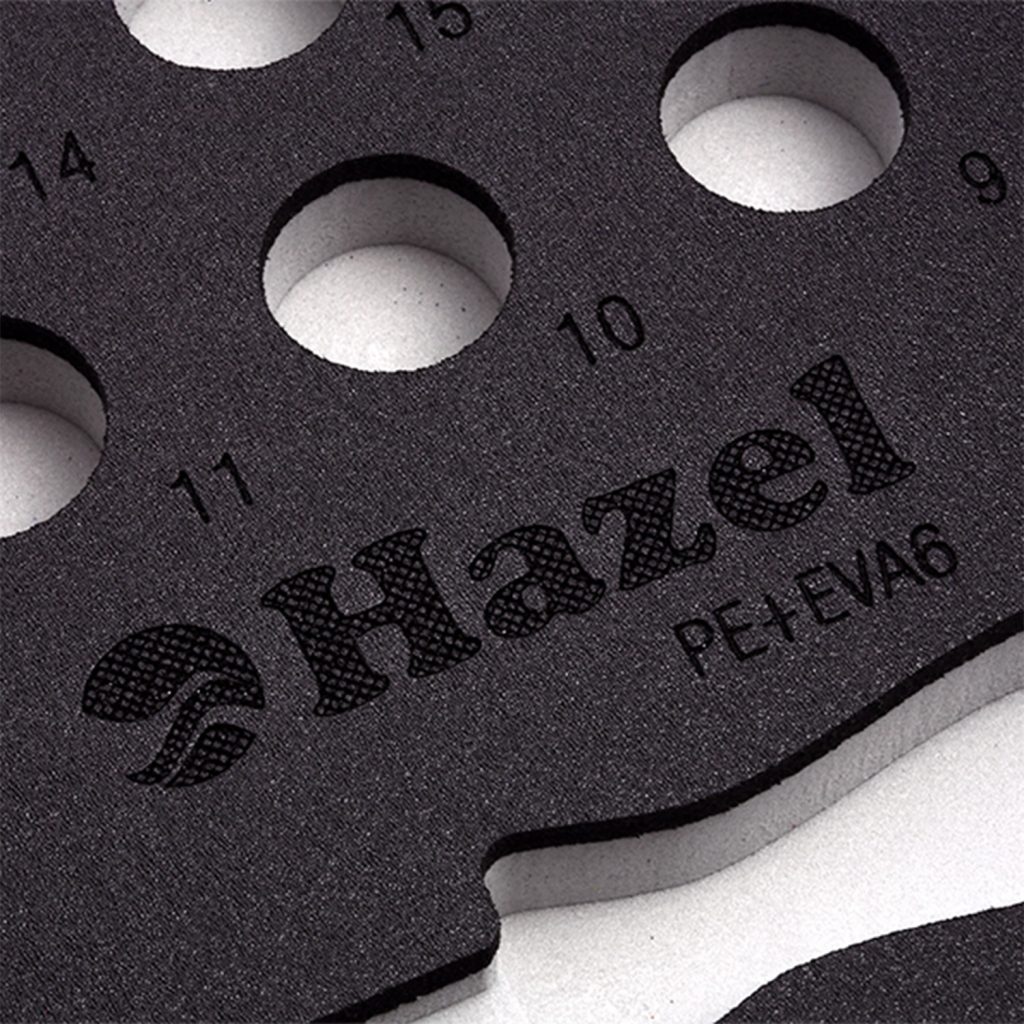
The CO2 laser marks and cuts plastics, textiles, foams and labels used in the cabin and on equipment.
Pad printing
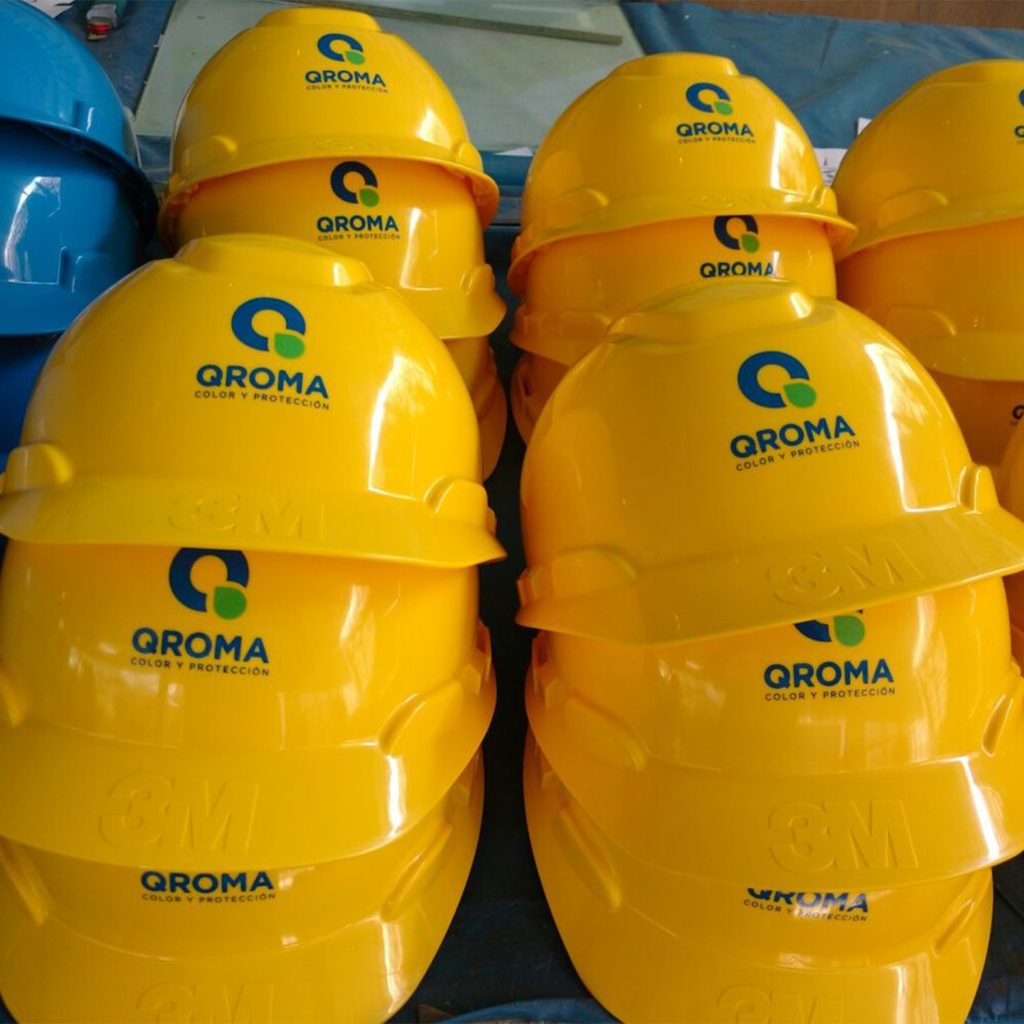
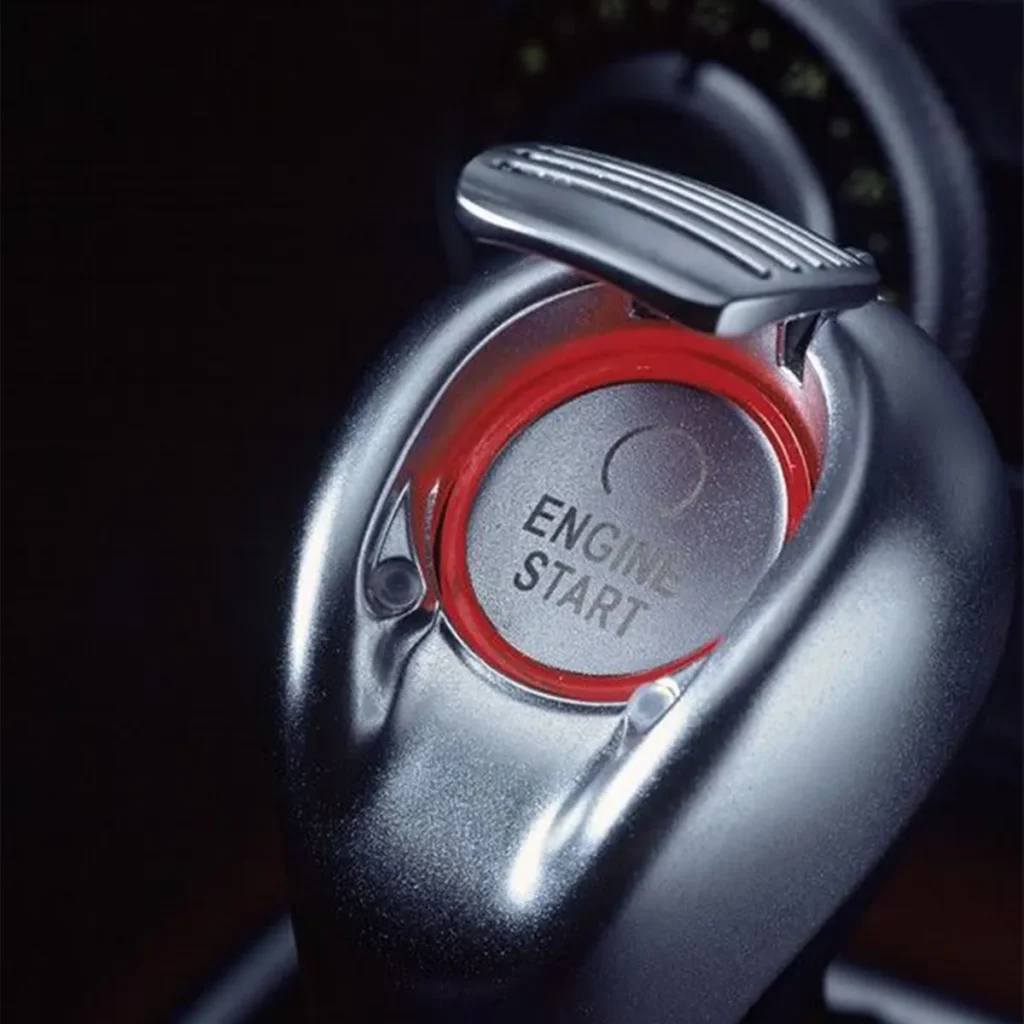
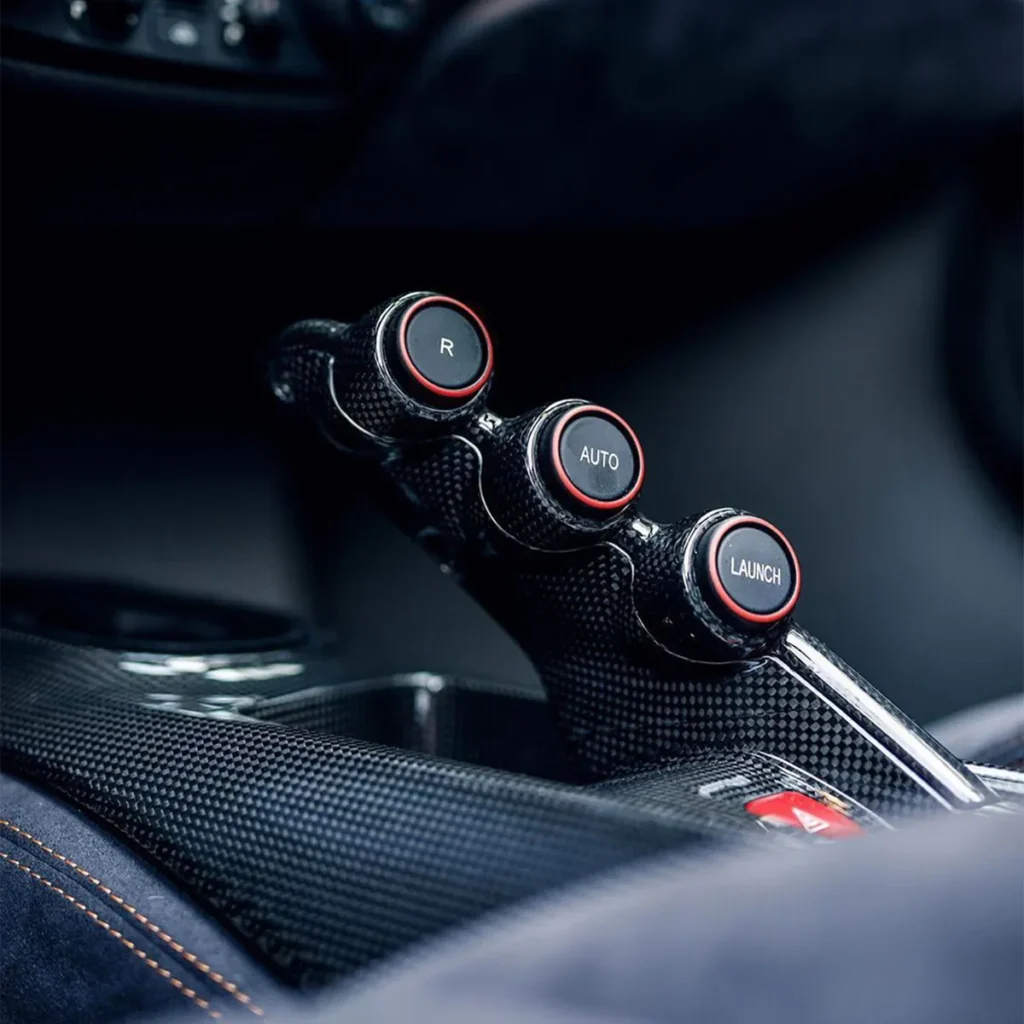
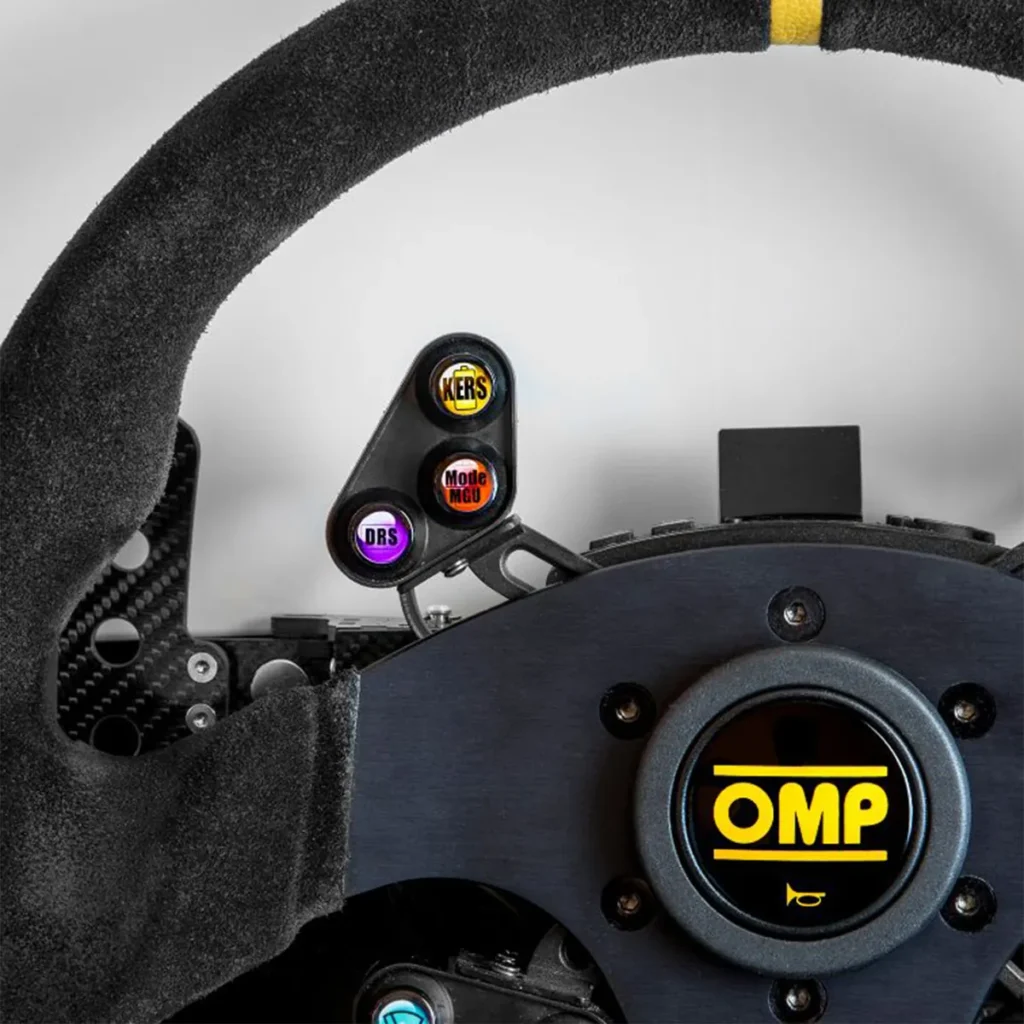
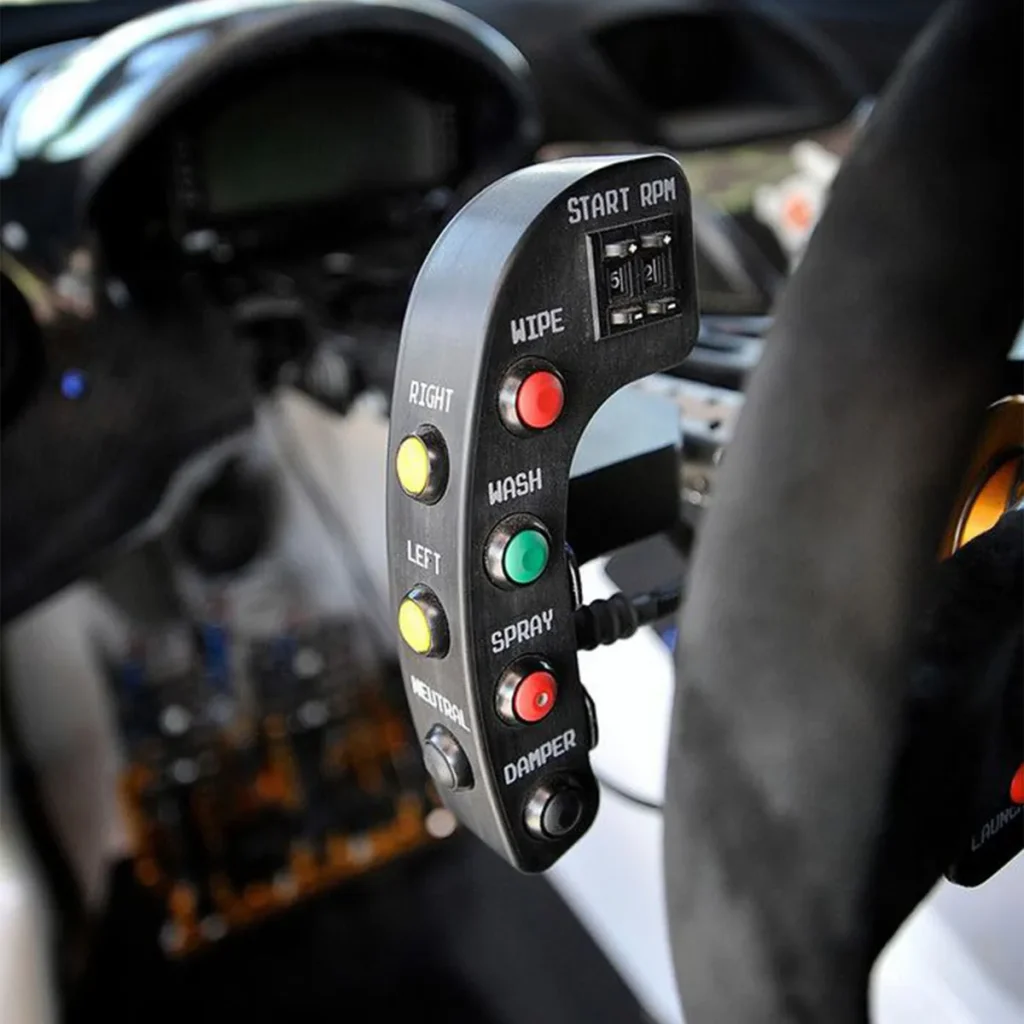
The pad printing process applies pictograms and inscriptions to buttons, controls, dashboards and plastic parts with complex shapes, in one or several colours.
UV printing
UV printing makes it possible to produce facades, panels, prototypes and short custom runs in colour.
Which technology for which part?
General guidelines: the solution must be validated through trials on your parts and in line with your customer’s specifications.
| Part | Technology | Type of marking | Benefit |
|---|---|---|---|
| Machined metal part | Fibre laser | DataMatrix, serial number | Fast, permanent, no consumables |
| Injection-moulded plastic part | Fibre or CO2 laser | High-contrast marking, engraving | No ink, easy to integrate inline |
| Button, control, facade | Pad printing | Pictograms, inscriptions | Complex shapes, multicolour |
| Panel, prototype, short run | UV printing | Colour printing | No tooling, cost-effective from a single unit |
Traceability and vehicle manufacturer requirements
Vehicle manufacturers and the IATF 16949 quality standard require suppliers to maintain rigorous part traceability. Direct marking, particularly with DataMatrix codes, links each part to its batch, date and inspection records and feeds production tracking systems.
To go further, see our guides on industrial traceability and industrial laser marking.
Application examples
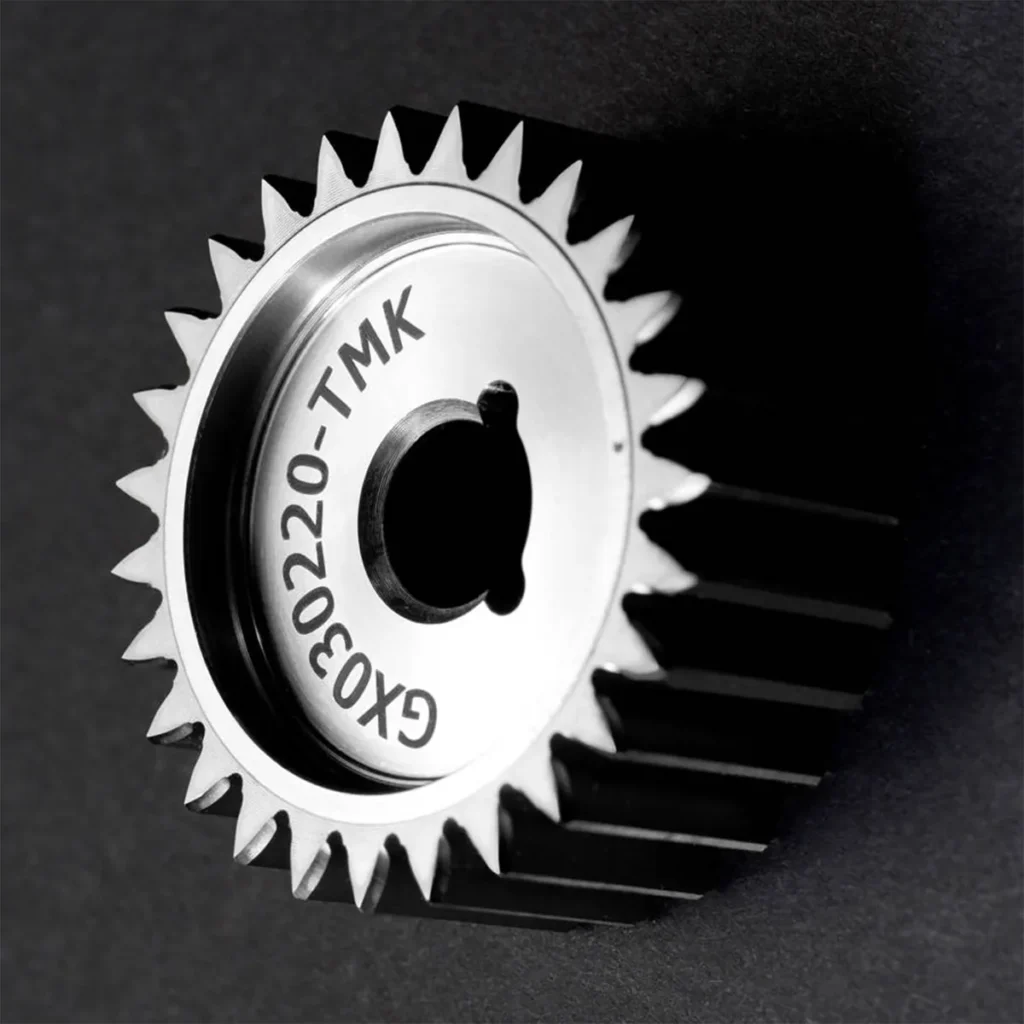
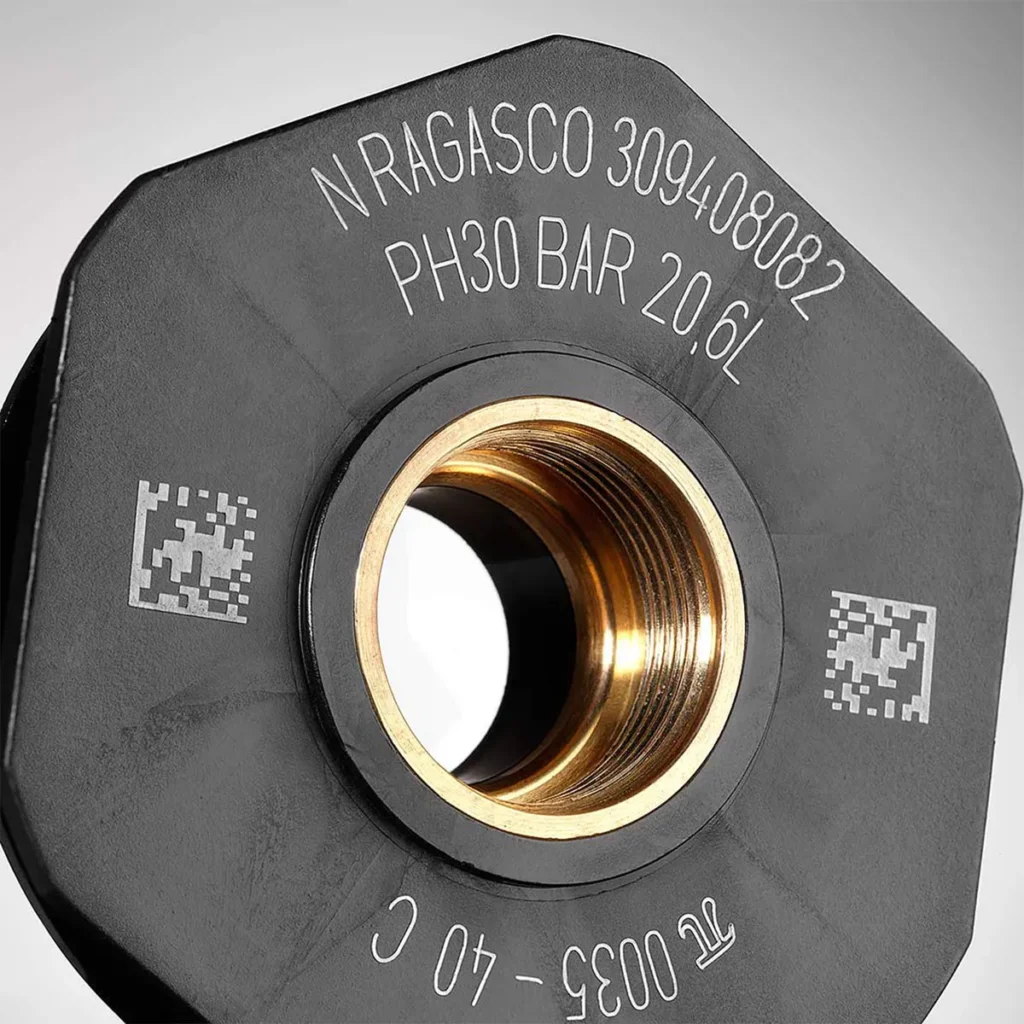
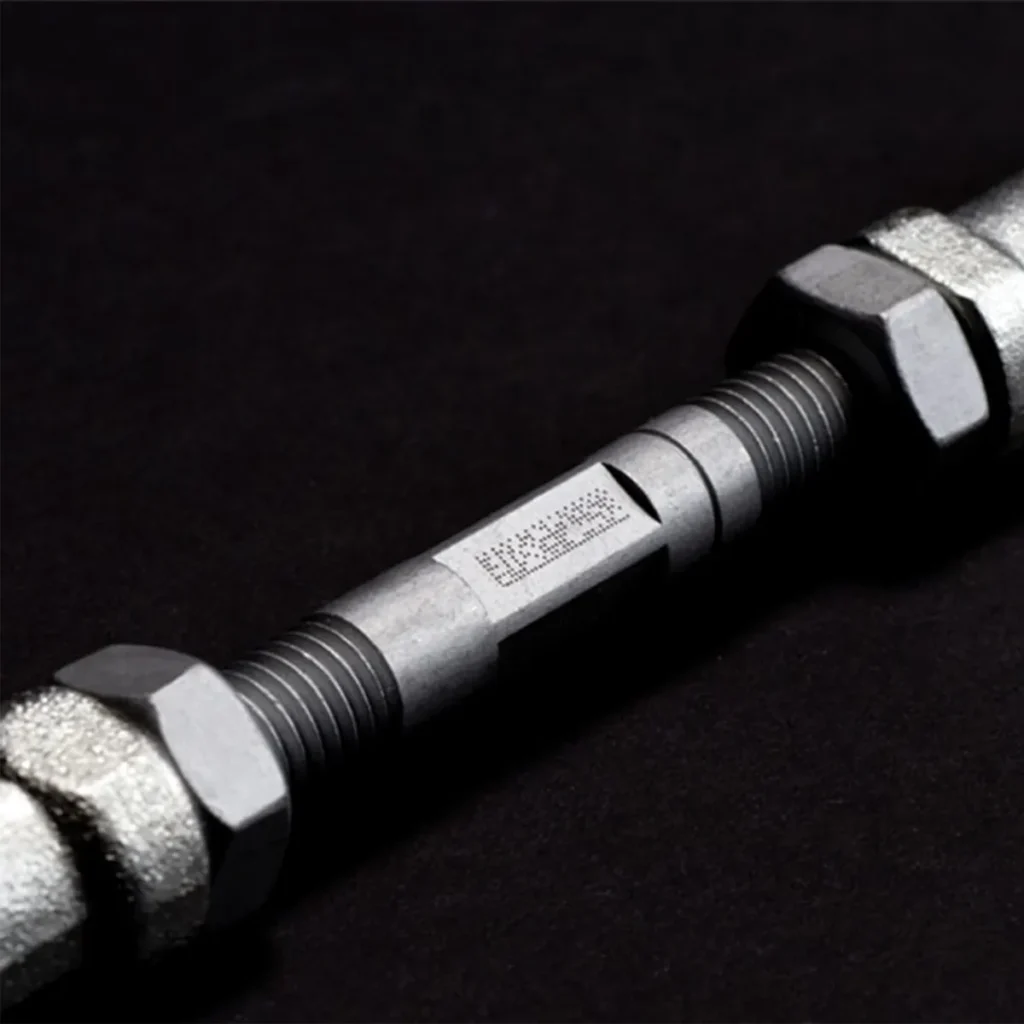
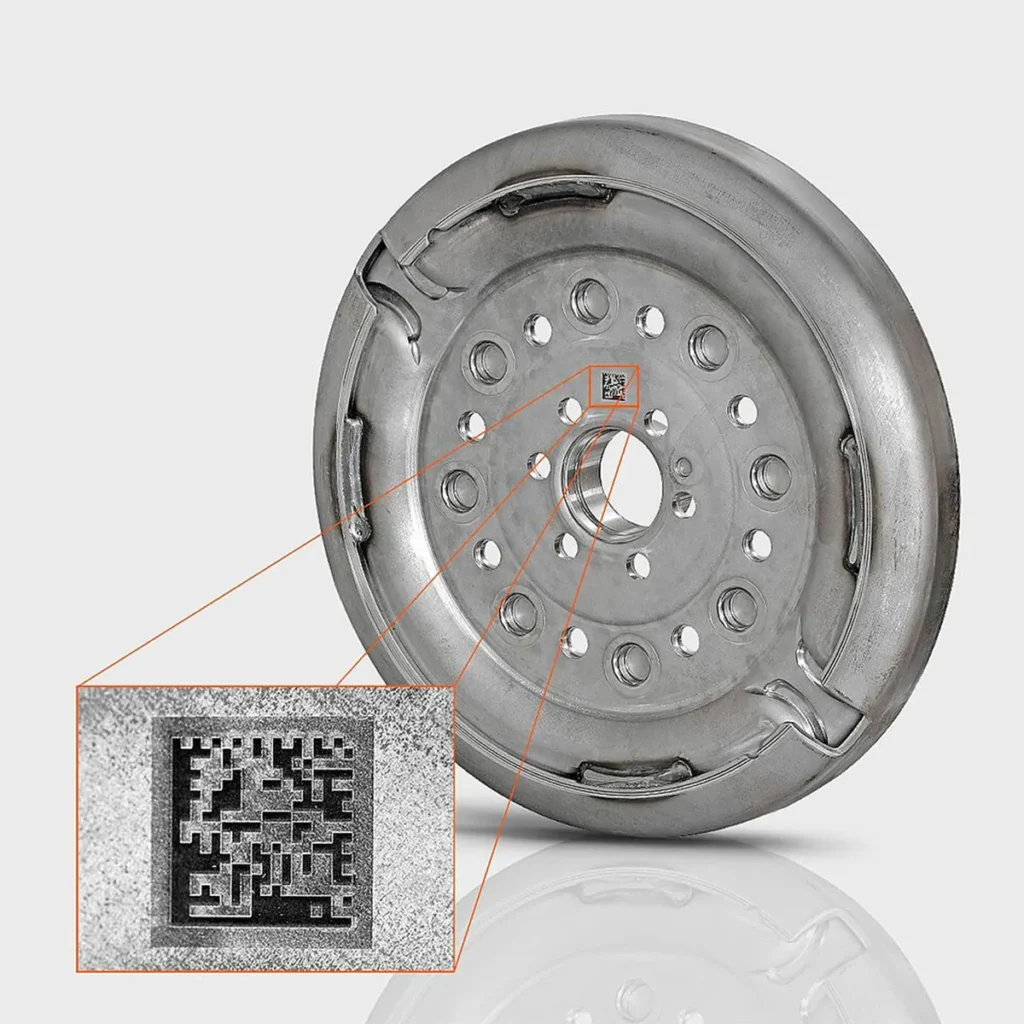
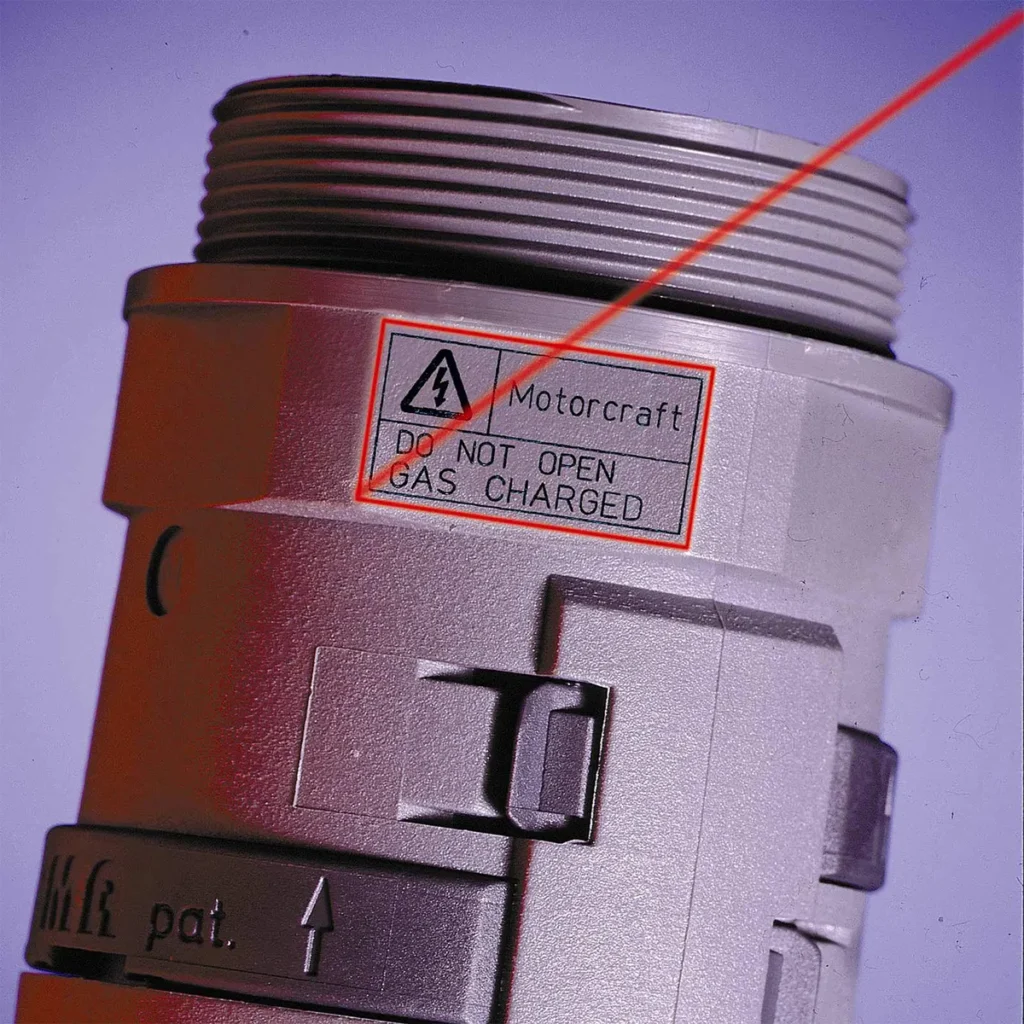
Mechanical components
DataMatrix codes and serial numbers on machined parts, gears and housings.
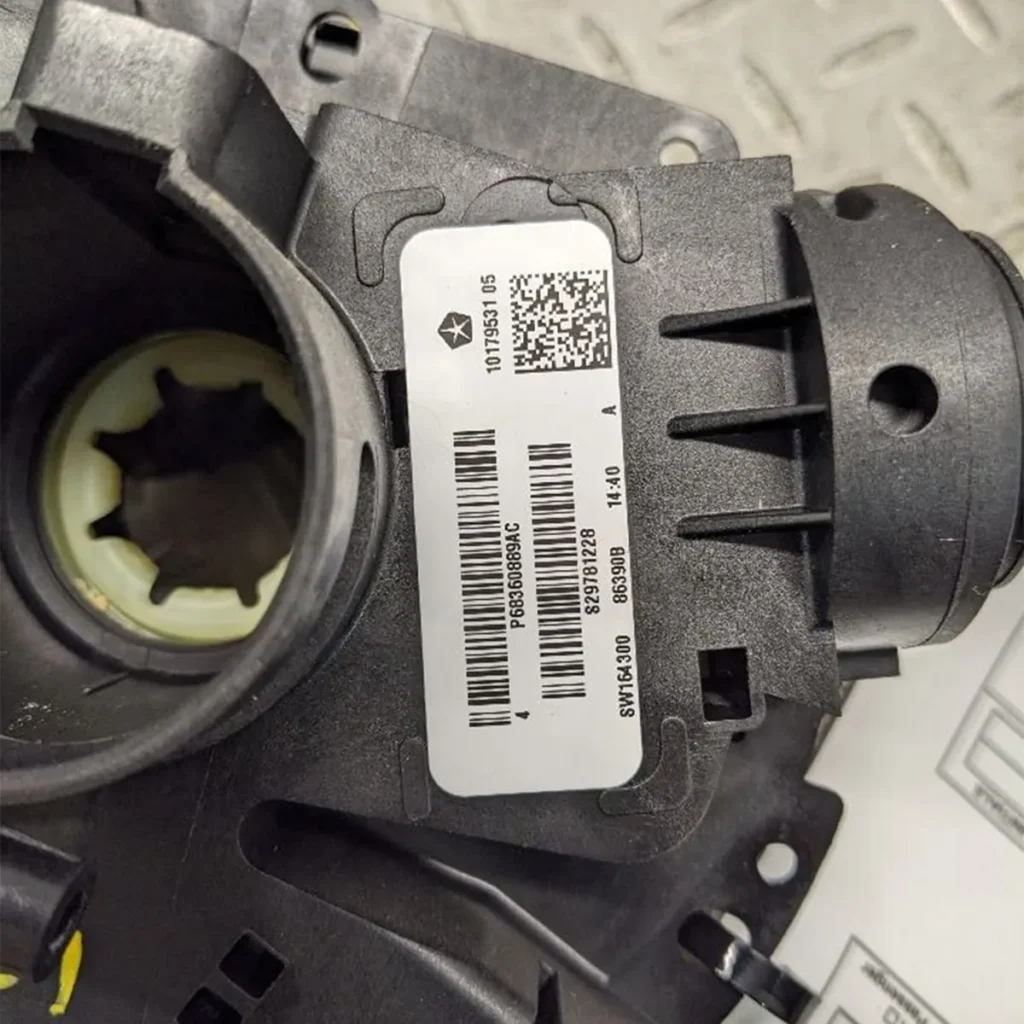
Plastic parts
References, dates and logos on injection-moulded parts.
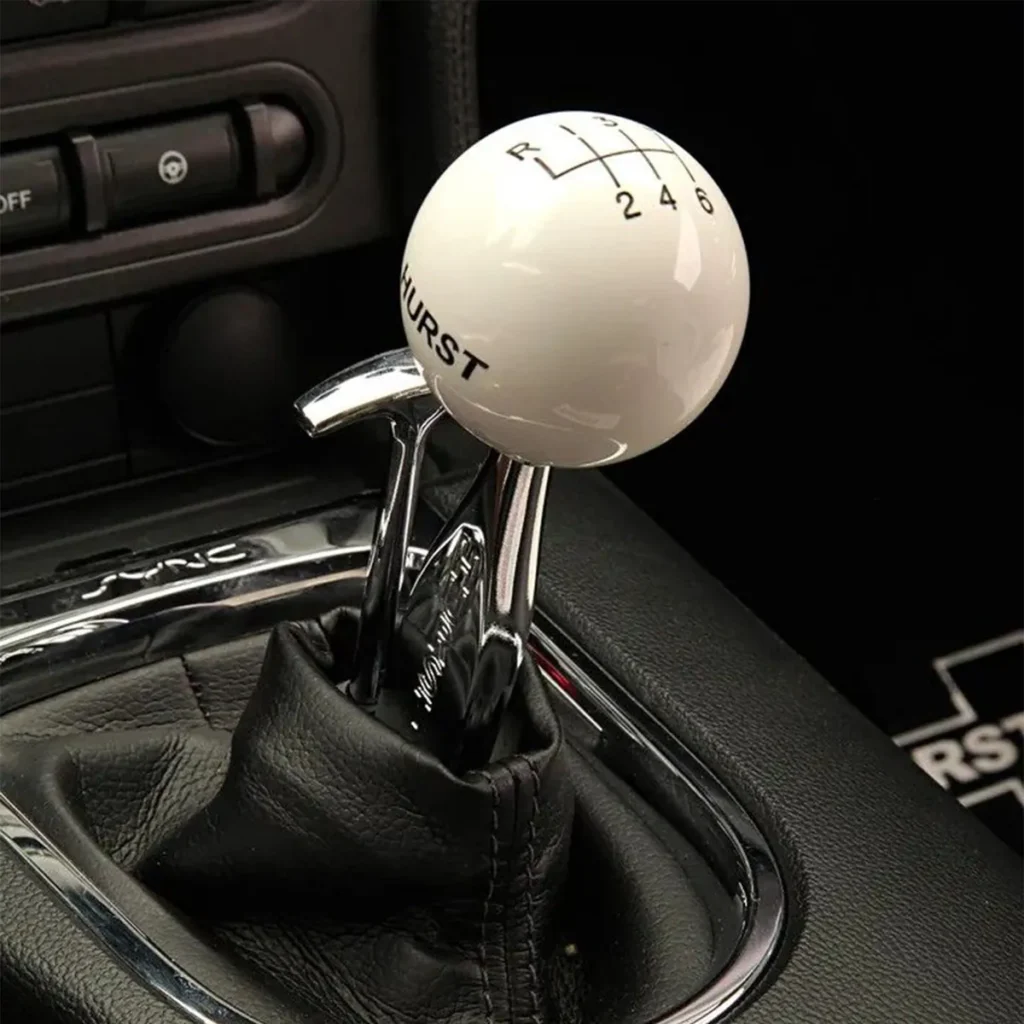
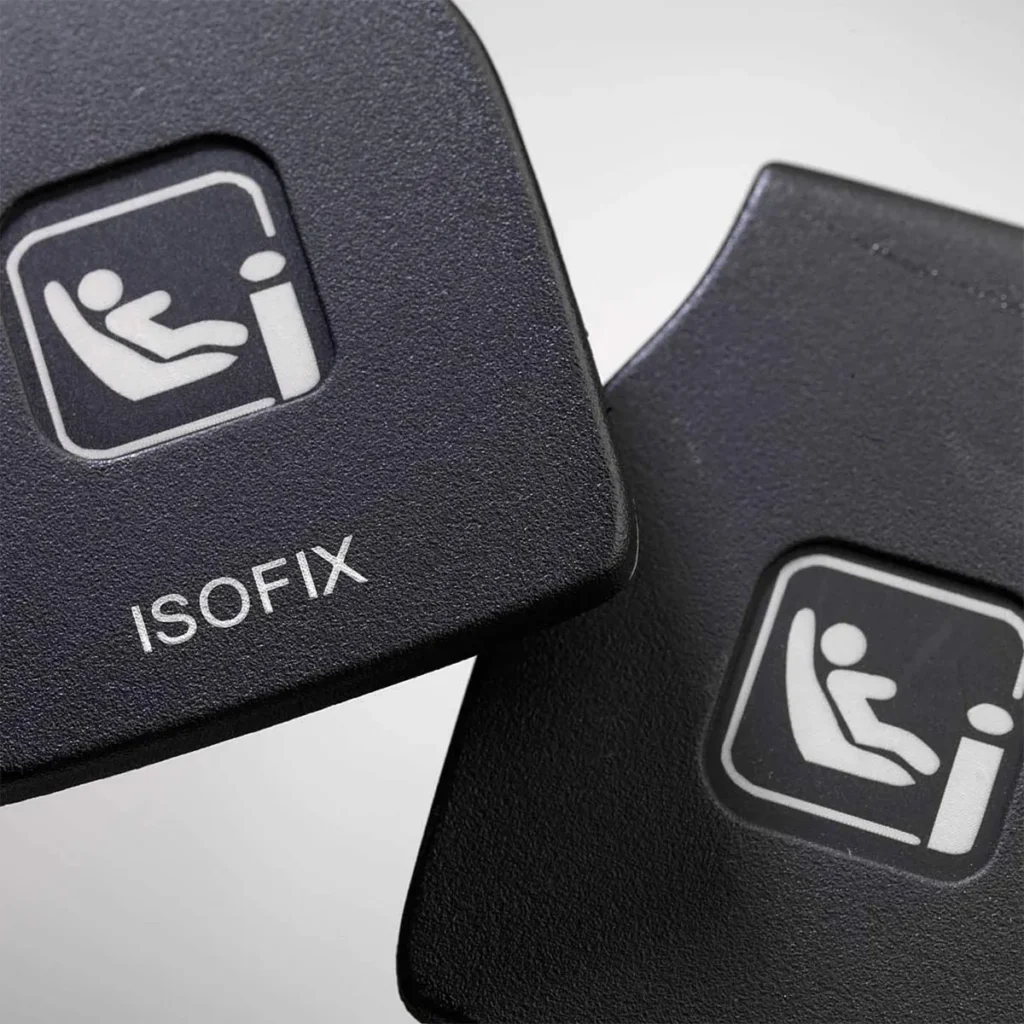
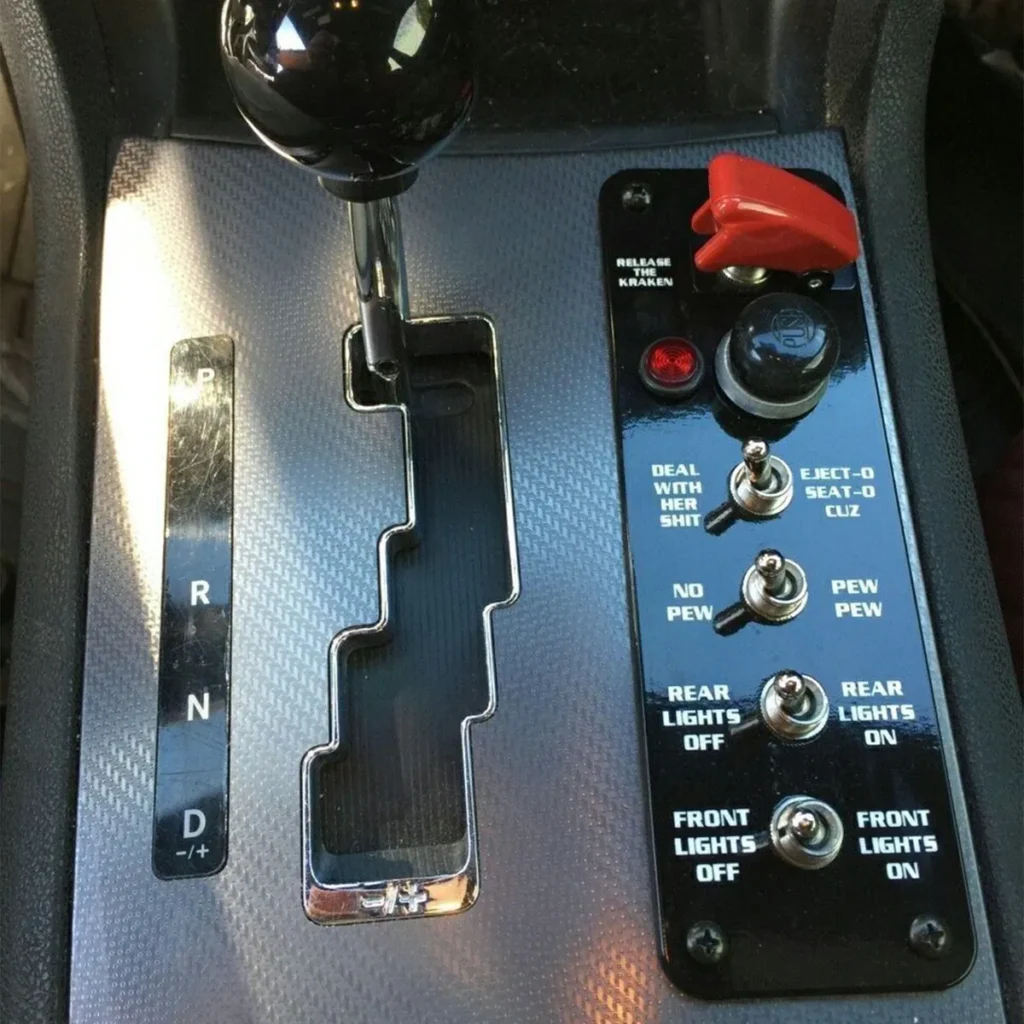
Controls and cabin
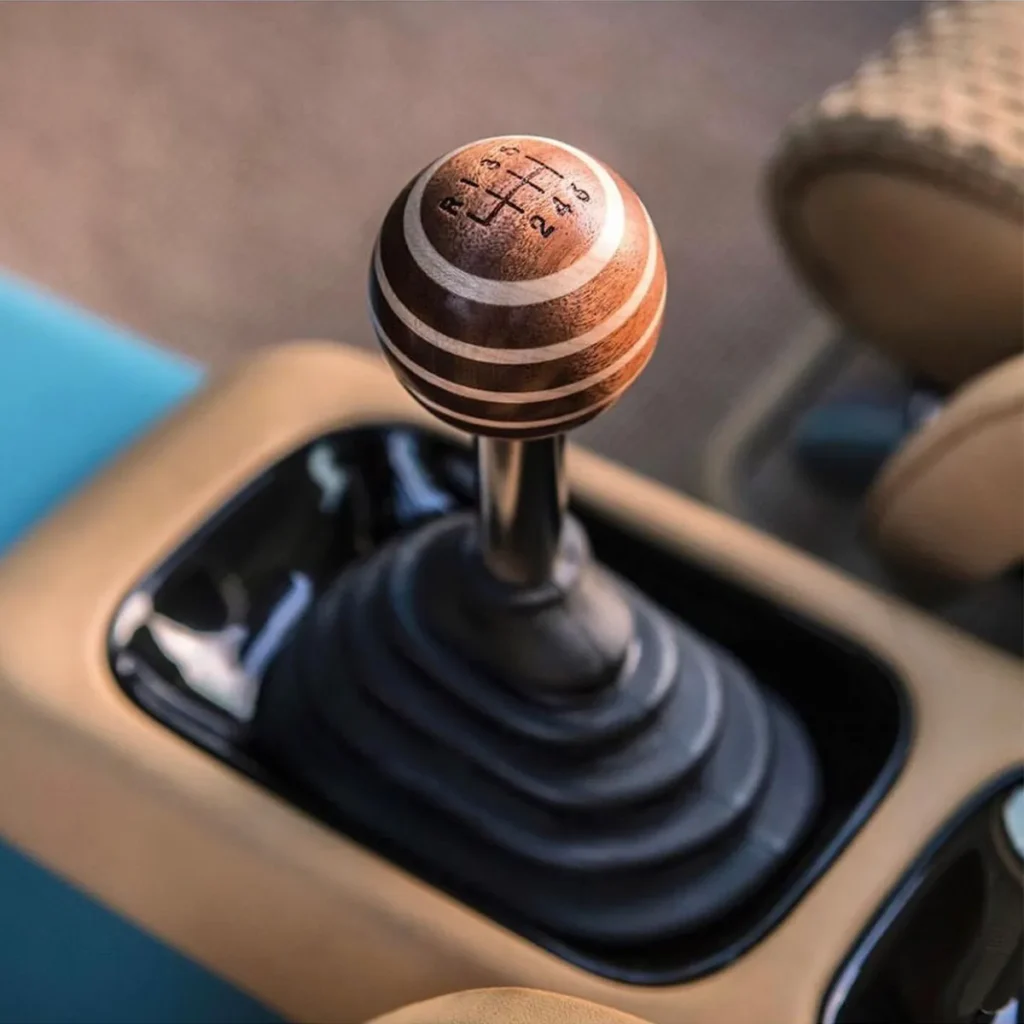
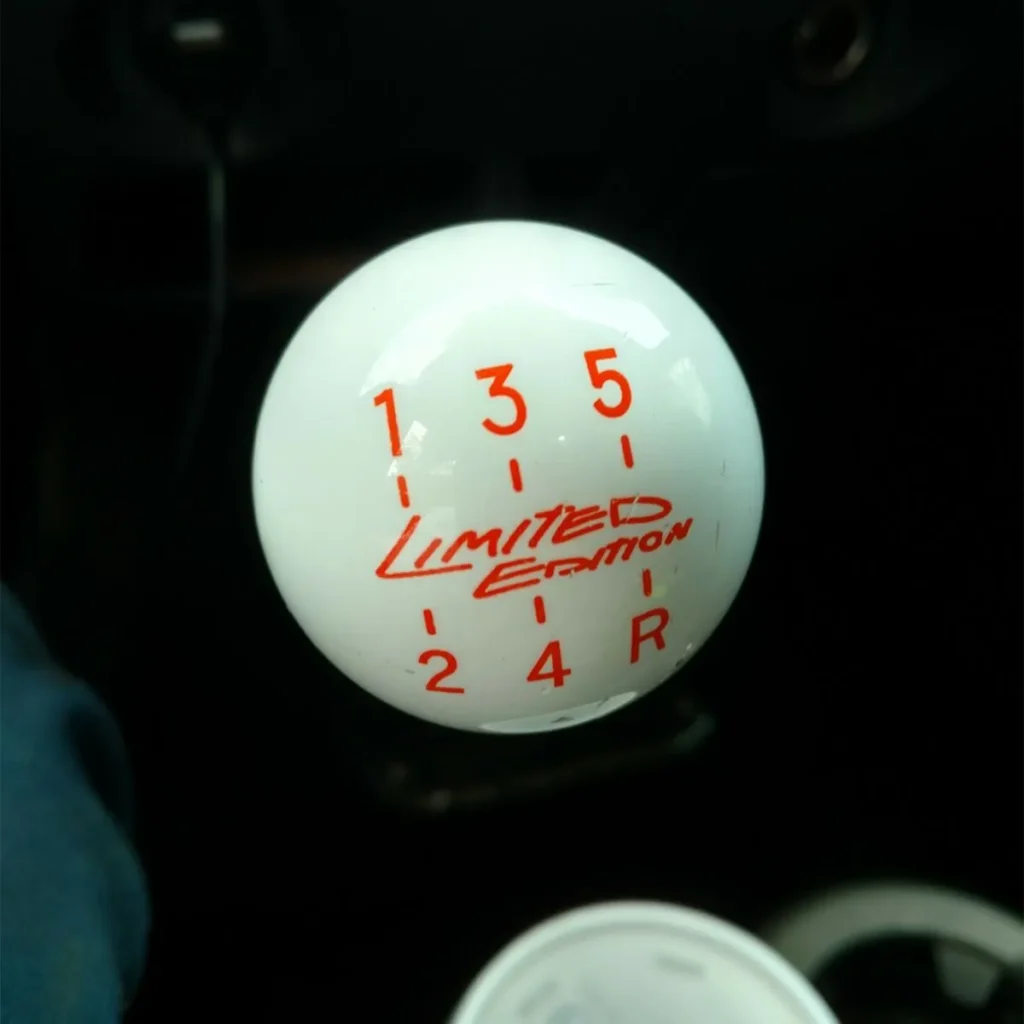
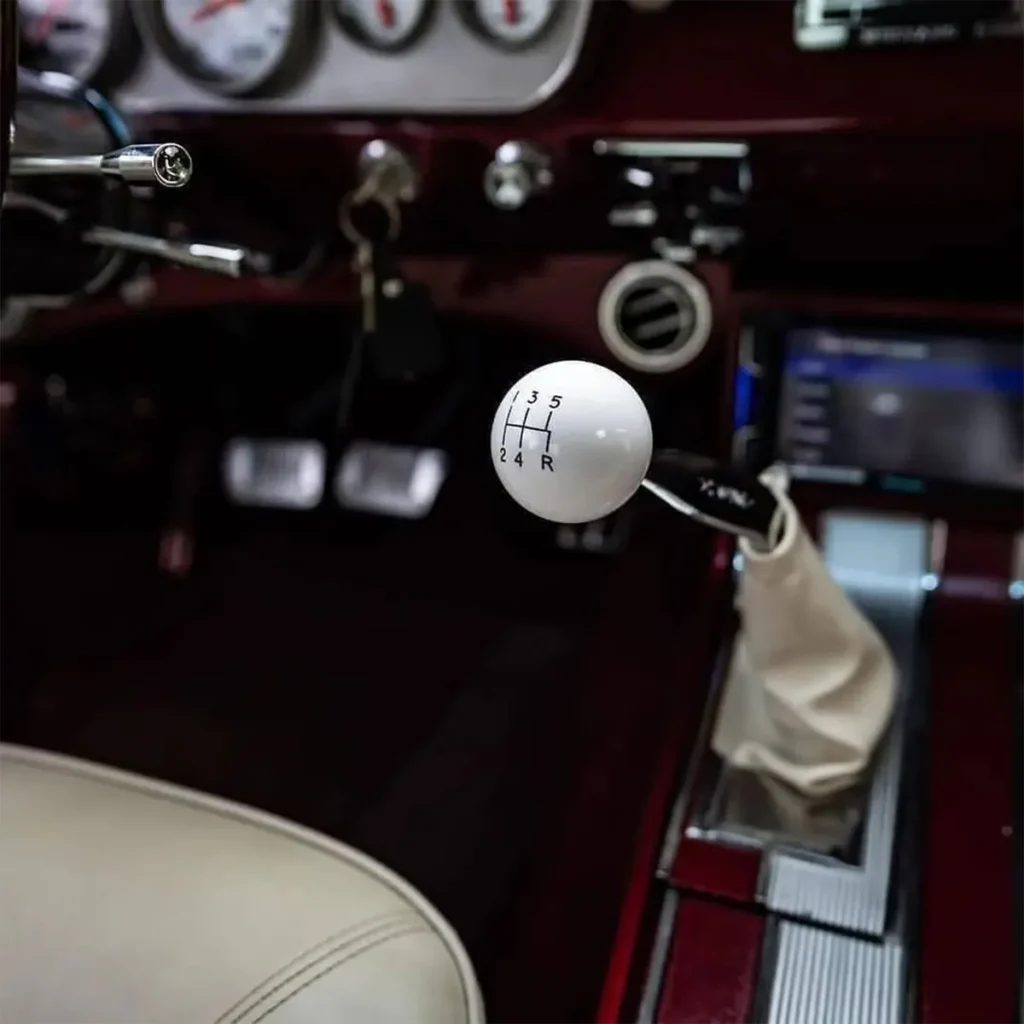
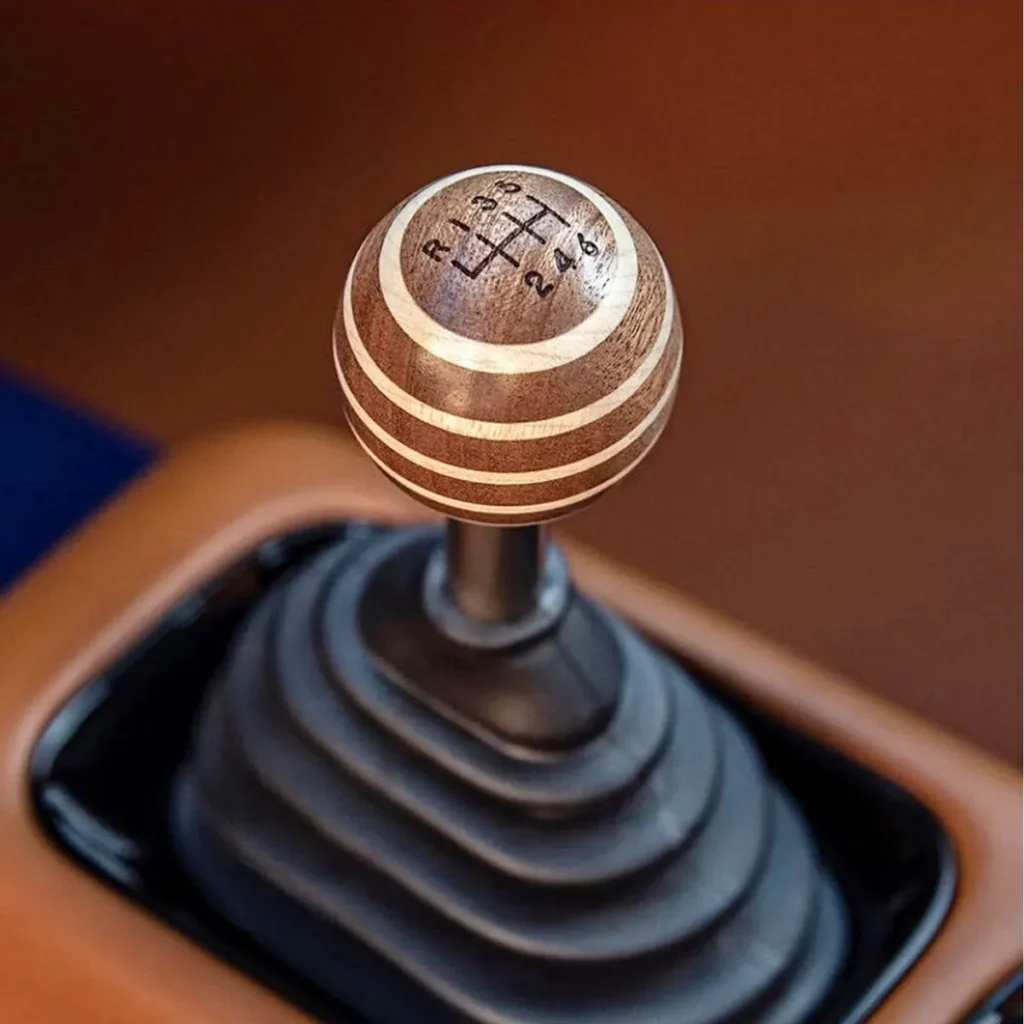
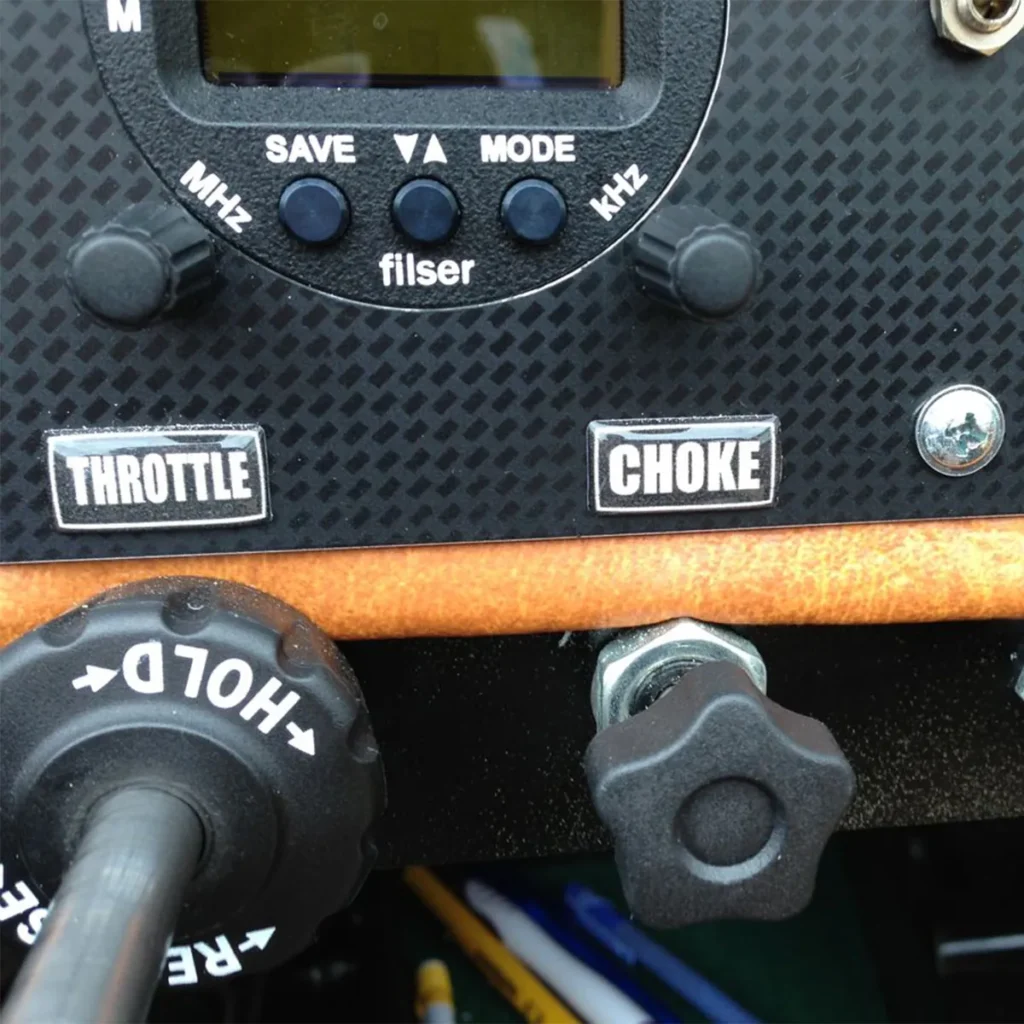
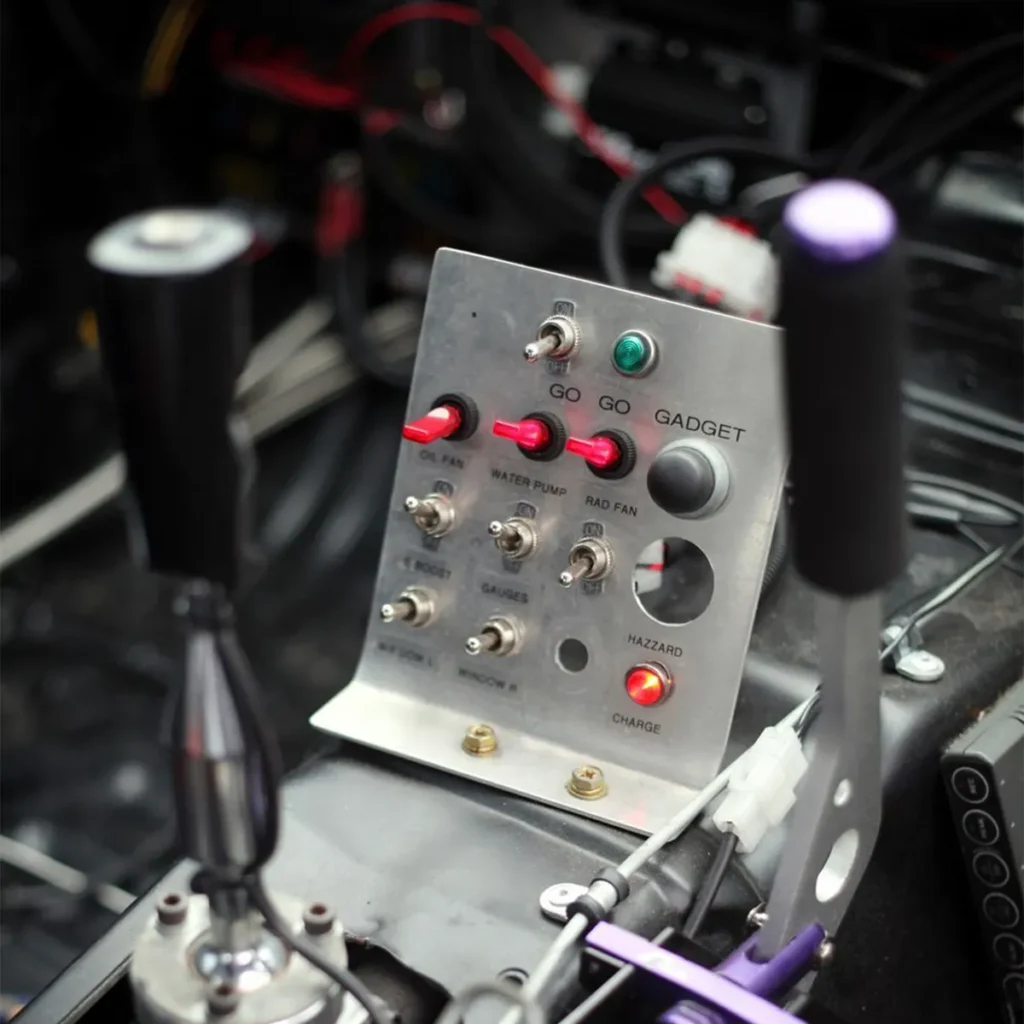
Pictograms on buttons, controls and dashboard components.
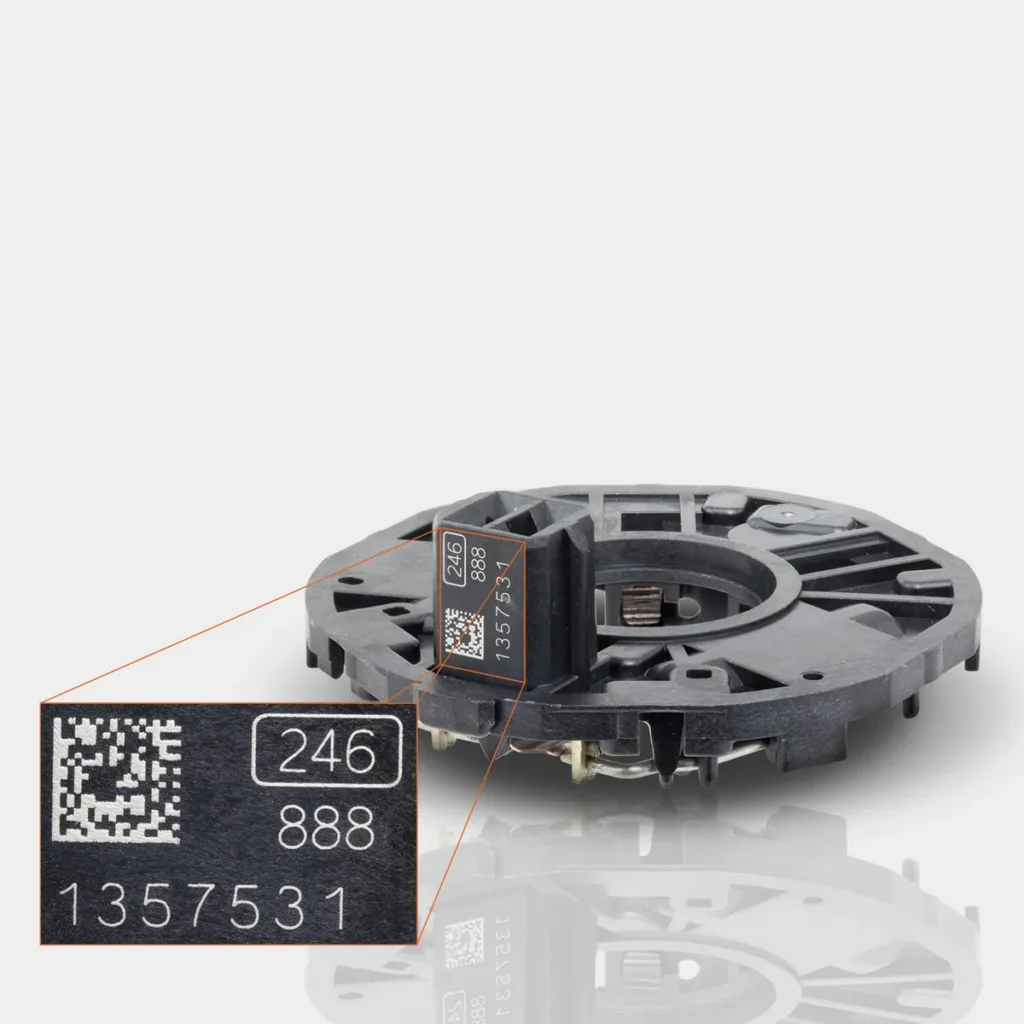
Plates and labels
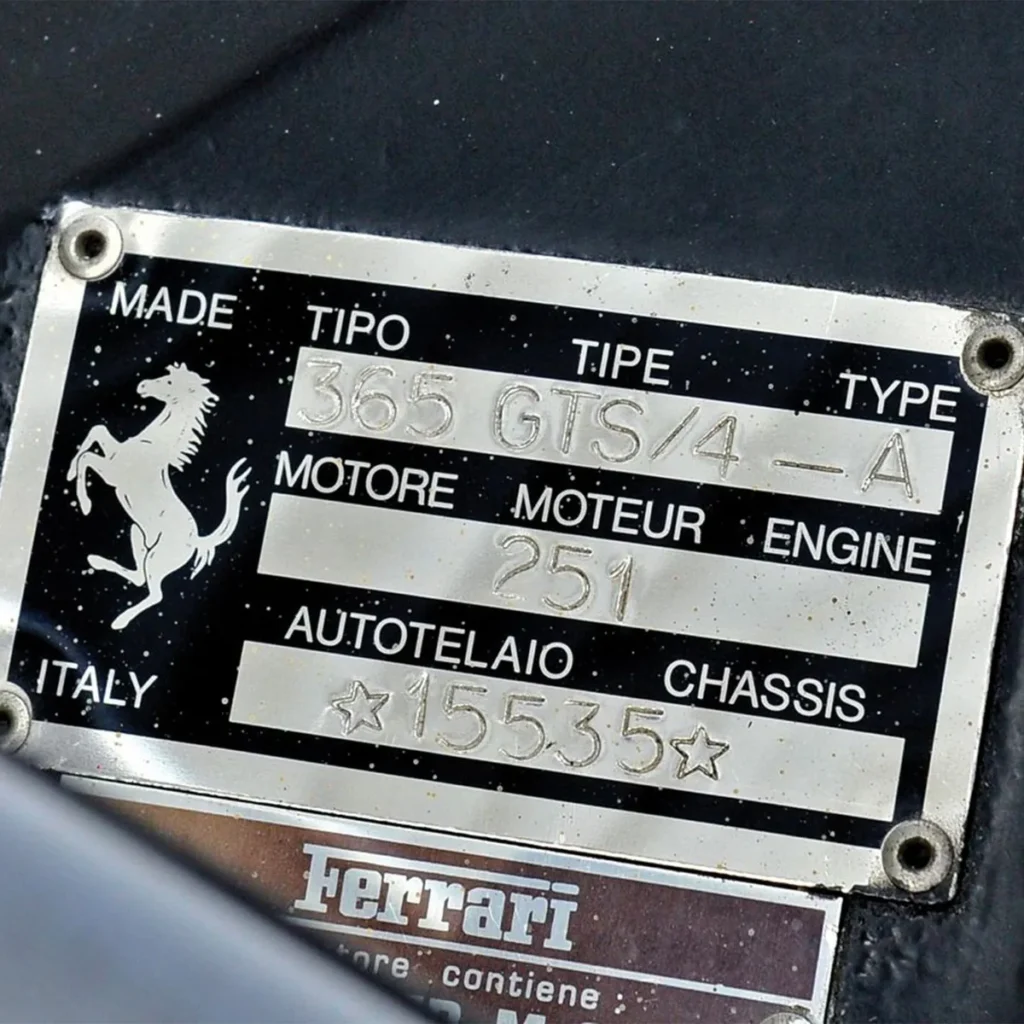
Manufacturer plates, technical labels and signage.
Thermoflan, your marking partner for the automotive sector
For 60 years, Thermoflan has supported manufacturers in selecting, installing and maintaining their marking equipment. Trials on your parts in our demonstration room, integration studies, training and after-sales service.
Frequently asked questions about automotive marking
Which technology should be used to mark DataMatrix codes on automotive parts?
Fibre laser is the most widely used solution for marking DataMatrix codes on metals and engineering plastics: fast, permanent and consumable-free. The settings ensure the contrast needed for reading.
Can marking be integrated into a production line?
Yes. Marking lasers can be integrated into a line, with suitable part positioning and data exchange. The integration study is carried out according to your production rates and environment.
How do you mark buttons and controls?
Pad printing is suited to pictograms and inscriptions on plastic parts with complex shapes, in one or several colours. Laser marking may also suit certain plastics.
Is the marking resistant to oils and heat?
A laser marking is integrated into the surface of the part and withstands oils, fuels and temperature variations. Resistance is validated through tests according to your customer’s requirements.
Can Thermoflan run tests on our parts?
Yes. We test suitable technologies on your samples in our demonstration room and provide you with the results for validation.