




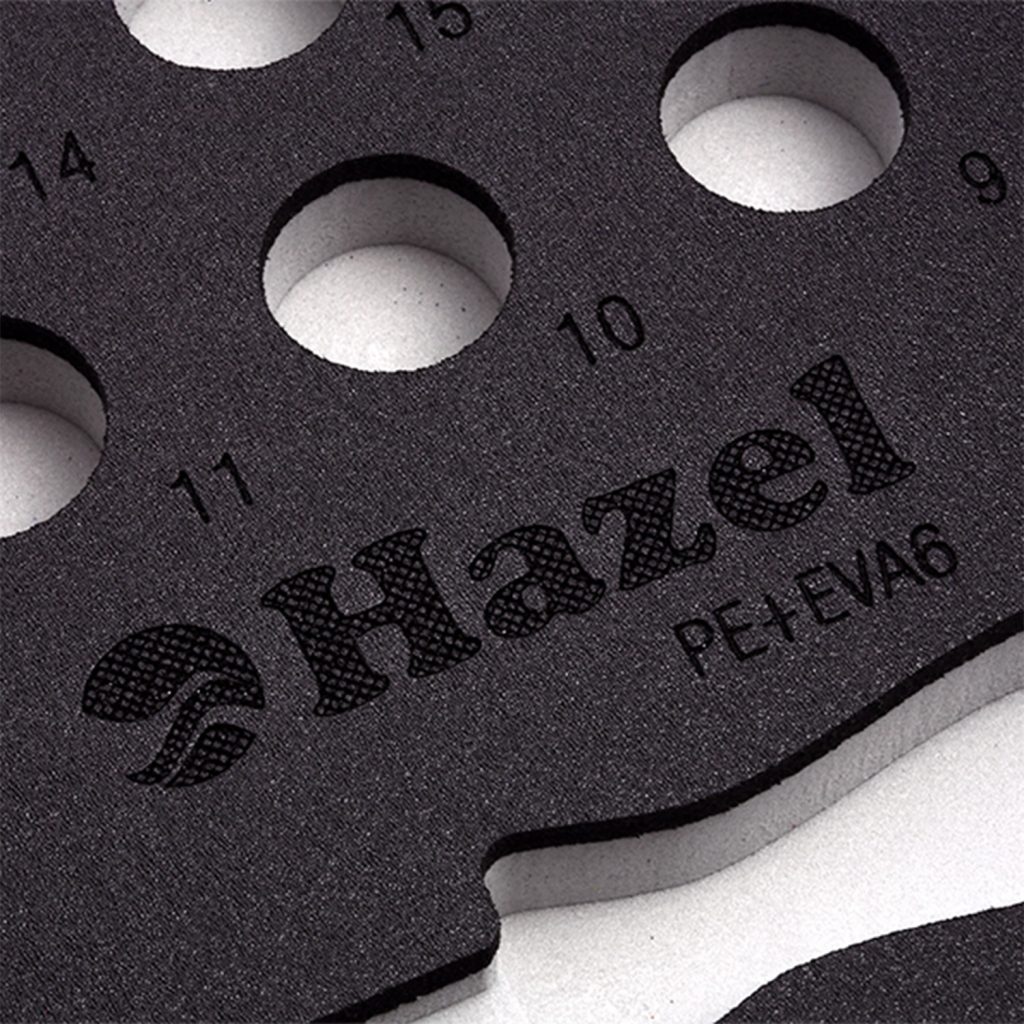
Marking for defence: durable identification of military equipment
Defence equipment must be permanently and legibly identified under extreme conditions: impacts, temperatures, humidity, chemical agents, abrasion. Unique item identification makes it possible to track each piece of equipment from manufacture to withdrawal from service.
Thermoflan supports defence manufacturers and subcontractors in choosing marking technologies suited to their materials and to their customers’ specifications.
Marking challenges in defence
Withstanding harsh environments
The marking must remain legible despite abrasion, bad weather, solvents and temperature variations encountered in the field.
Unique identification of items
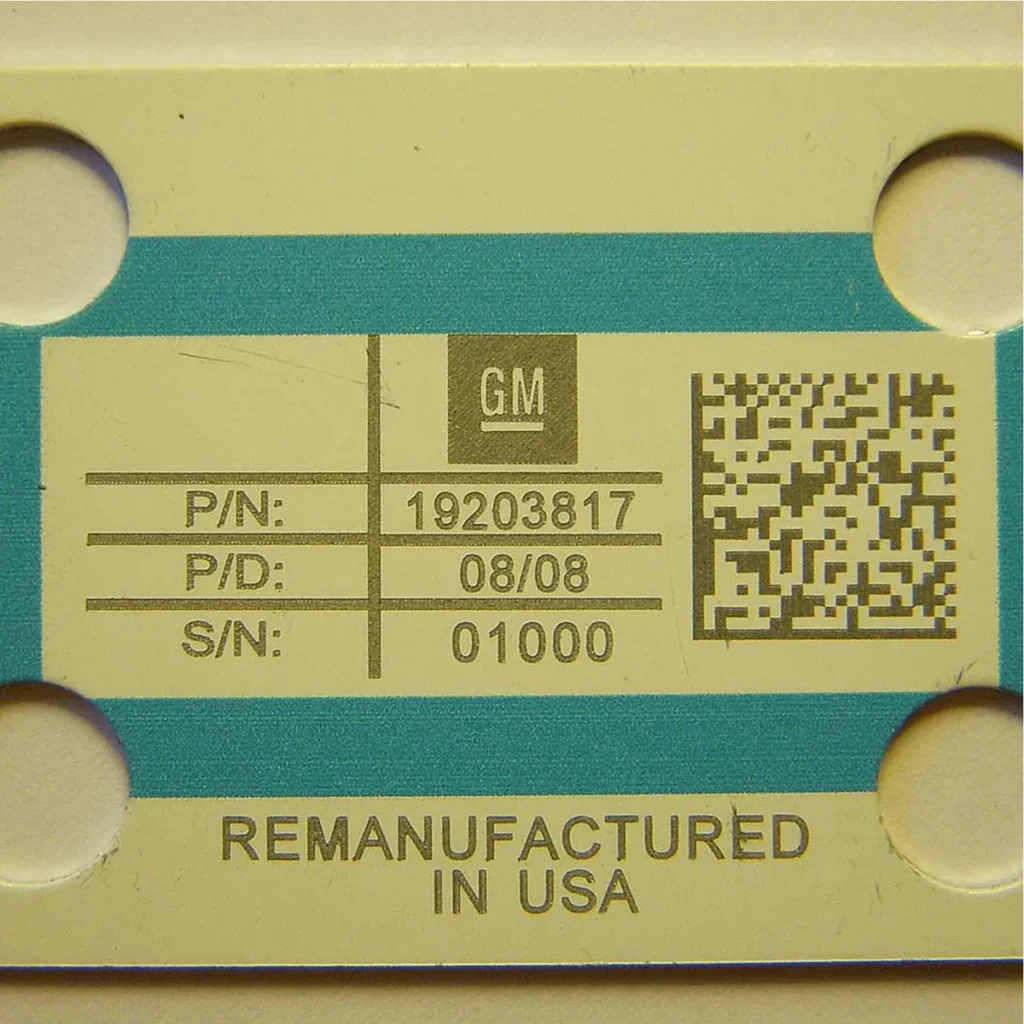
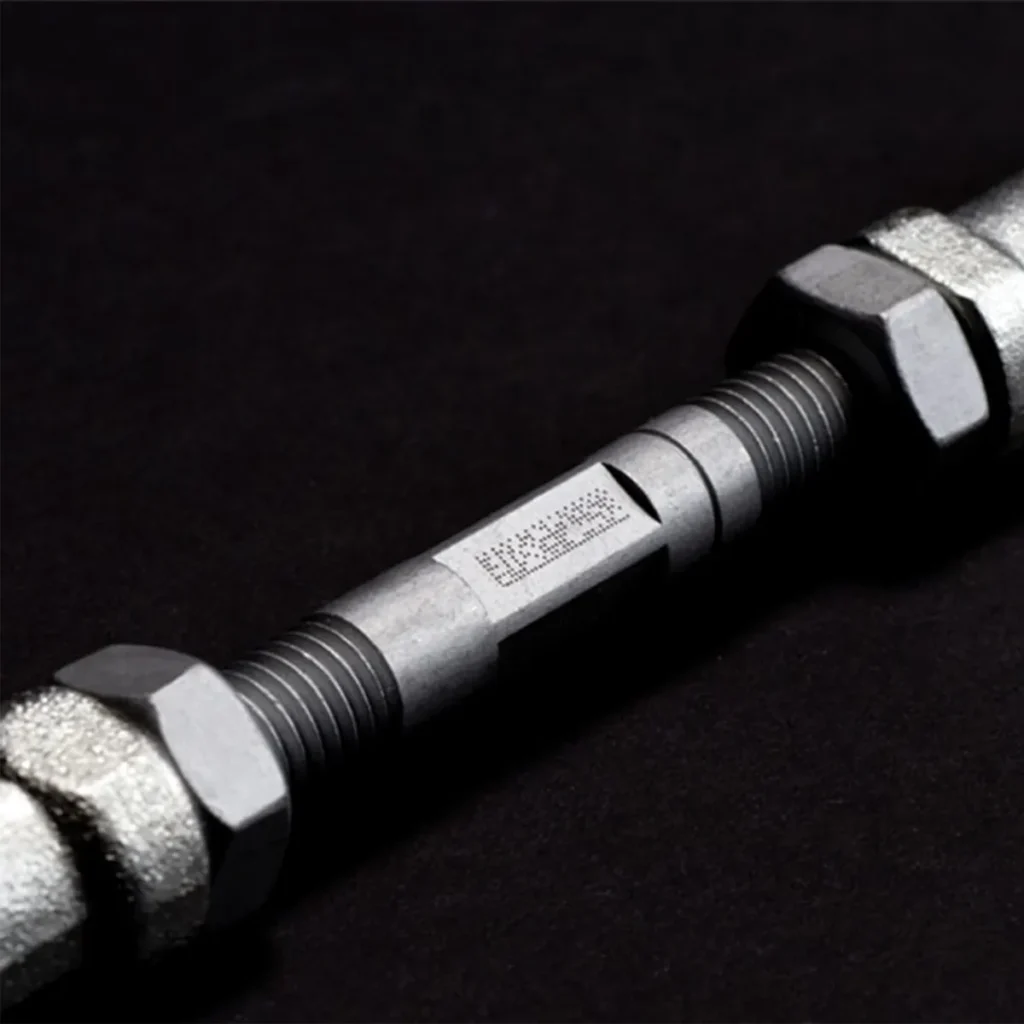
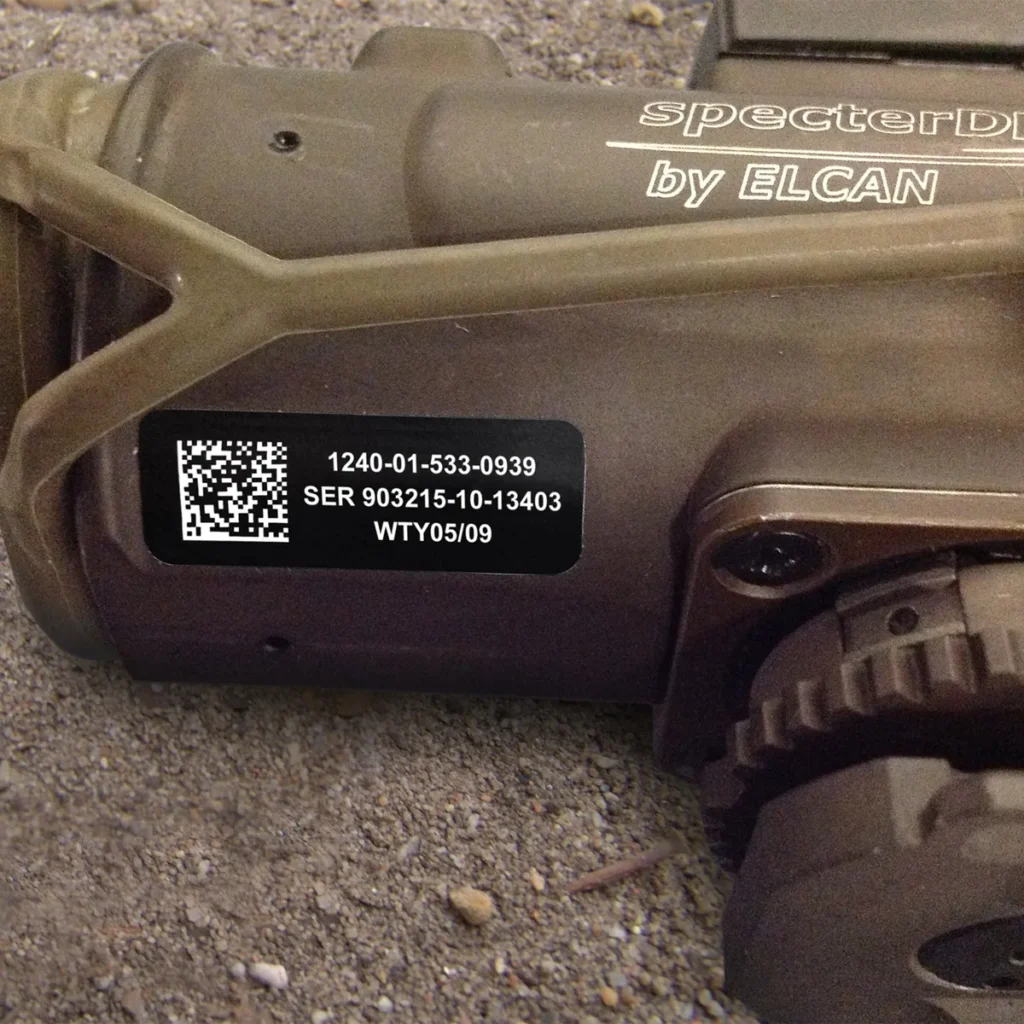
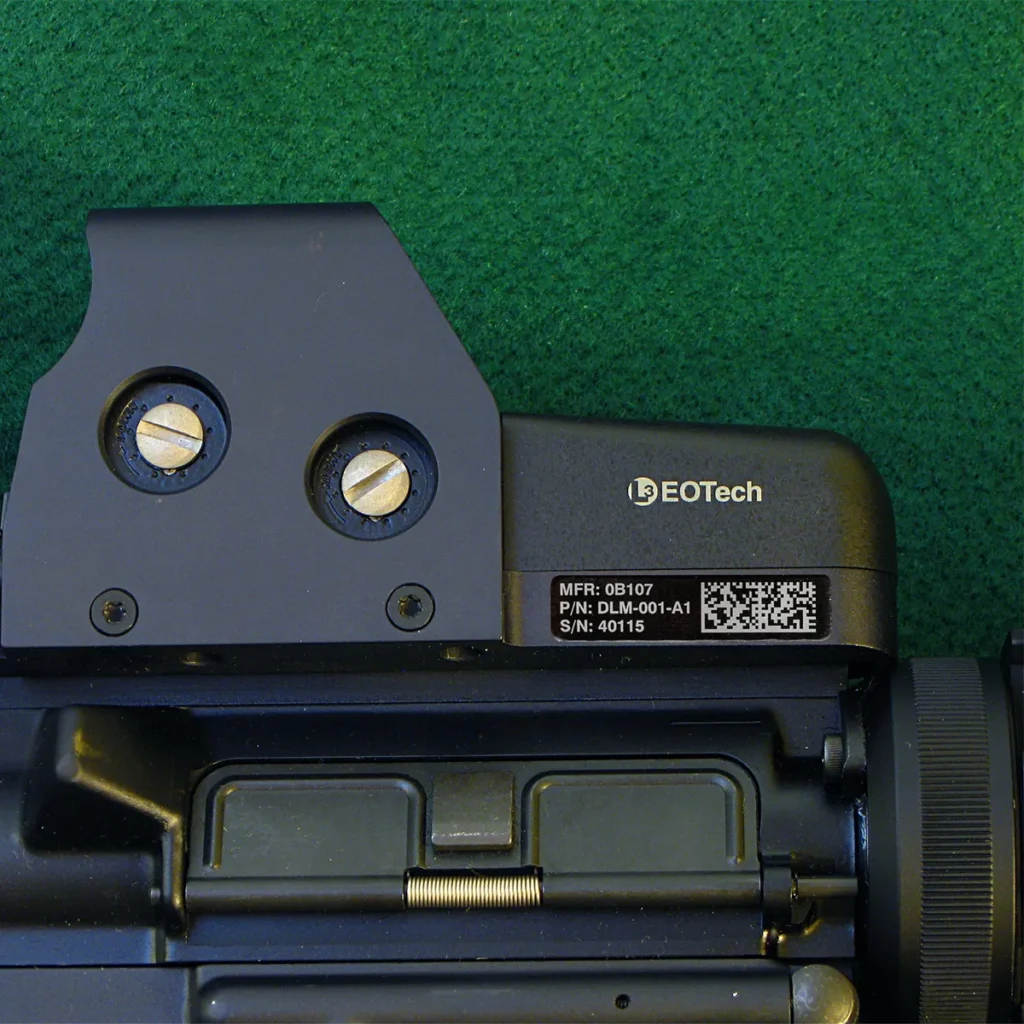
Specifications such as the US standard MIL-STD-130 or the NATO agreement STANAG 2290 govern unique identification (UID), usually in the form of a DataMatrix code marked on the item or on a plate.
A variety of materials
Steel, anodised aluminium, titanium, polymers, technical coatings: the technology and marking parameters are adapted to each material.
Confidentiality and control
Having your own marking equipment lets you keep control of production and sensitive data in-house.
Our technologies for defence
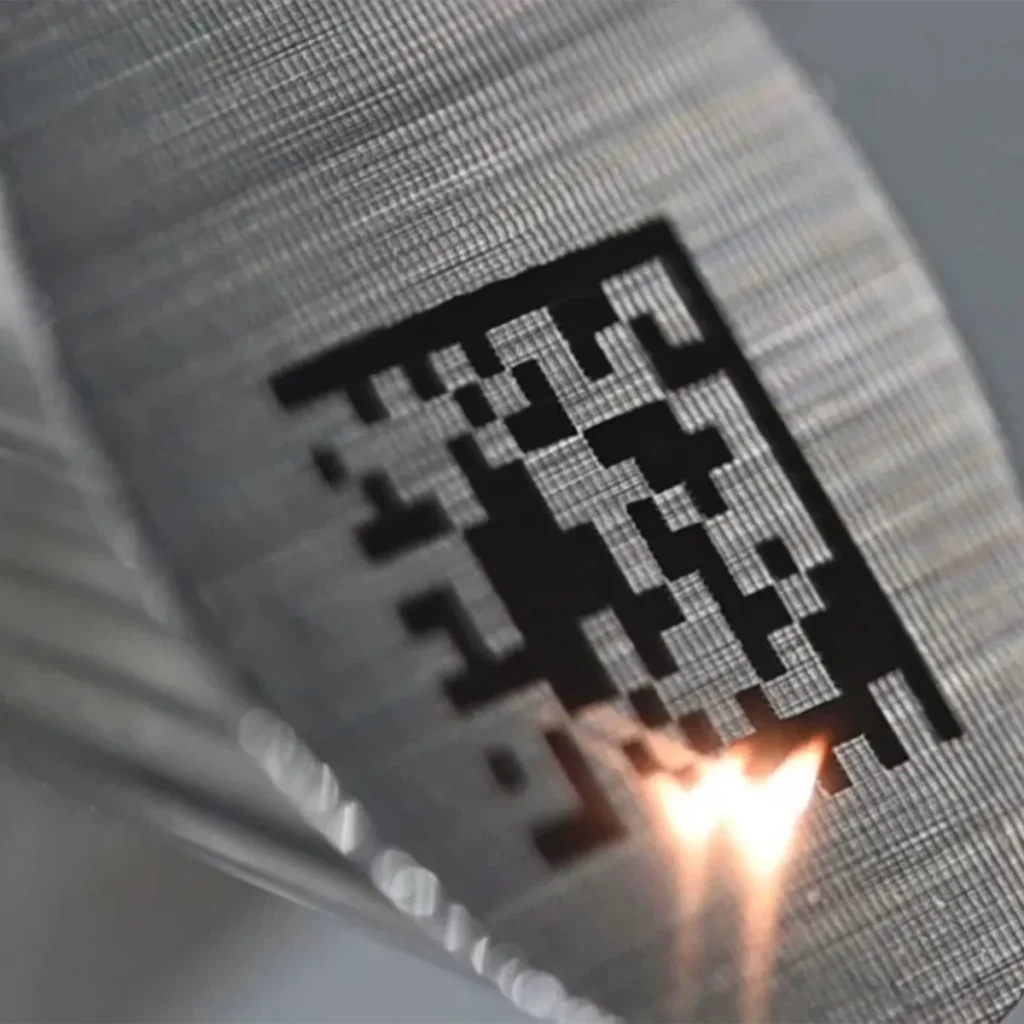
Fibre laser engraving
The fibre laser engraving process produces permanent markings and DataMatrix codes on metals and technical plastics, without consumables.
Identification plates
The aluminium specifically designed for marking offered by Thermoflan (photosensitive or laser-markable) allows very durable identification plates to be produced. See our signage range.
CO2 laser
The CO2 laser engraves and cuts non-metallic materials and coated or anodised metals.
Pad printing and UV printing
Pad printing and UV printing produce reference marks, pictograms and front panels on parts and equipment.
Which solution for which need?
General guidance: the choice depends on your customer’s specifications and is validated through testing.
| Need | Solution | Advantage |
|---|---|---|
| UID code / DataMatrix on metal part | Fibre laser | Direct, permanent marking |
| Durable identification plate | Photosensitive or laser-markable aluminium | Withstands harsh environments |
| Marking on anodised or painted metal | Fibre or CO2 laser | Precise removal of the surface layer |
| Reference marks on controls and front panels | Pad printing, UV printing | Complex shapes, colour |
Standards and requirements of prime contractors
Identification requirements are set by the specifications of prime contractors and by the applicable standards (for example MIL-STD-130, STANAG 2290). They define the content, location, size and quality of the markings. We help you define a solution that meets them and carry out the necessary tests.
To go further, see our guides on industrial traceability and industrial laser marking, as well as our page on automotive, military and aerospace applications.
Application examples
Identification plates
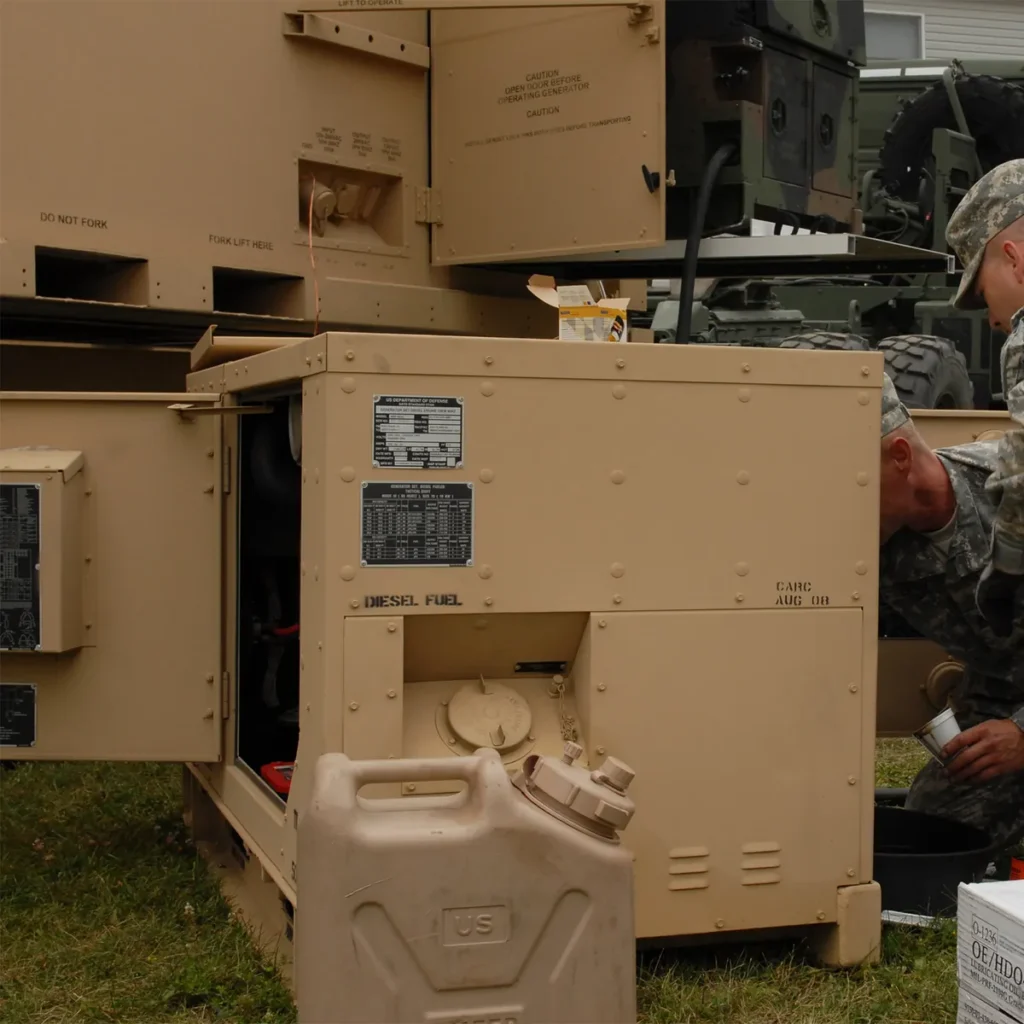
Nameplates and UID plates for equipment and vehicles.
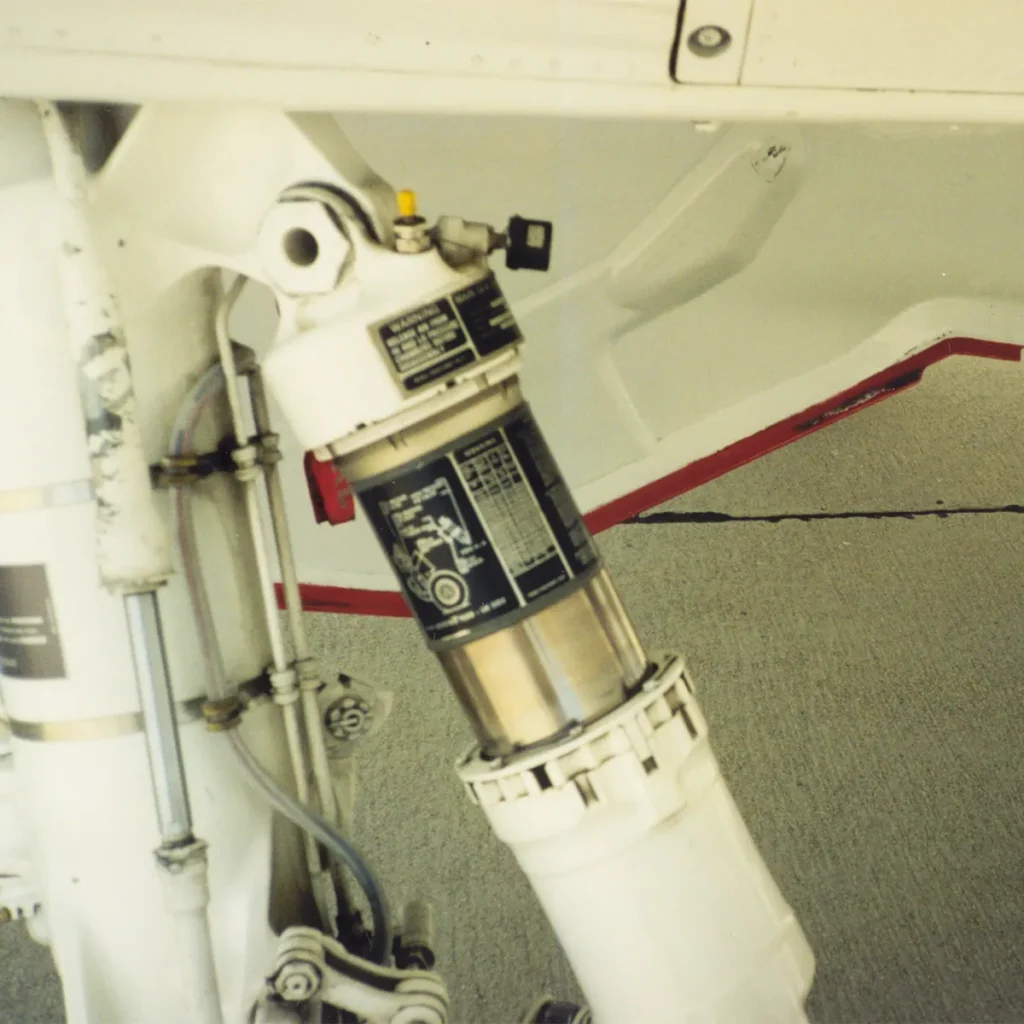
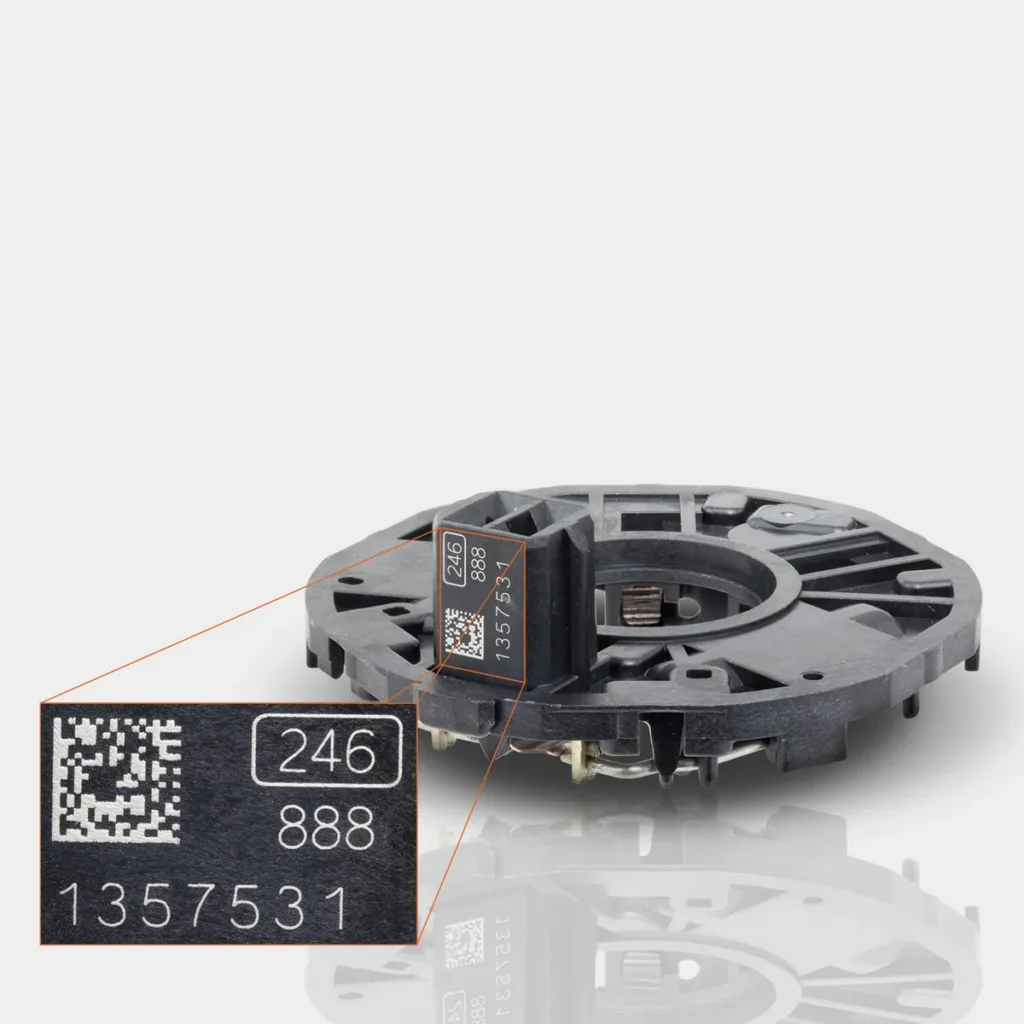
Parts and subassemblies
Serial numbers and DataMatrix codes on metal parts.
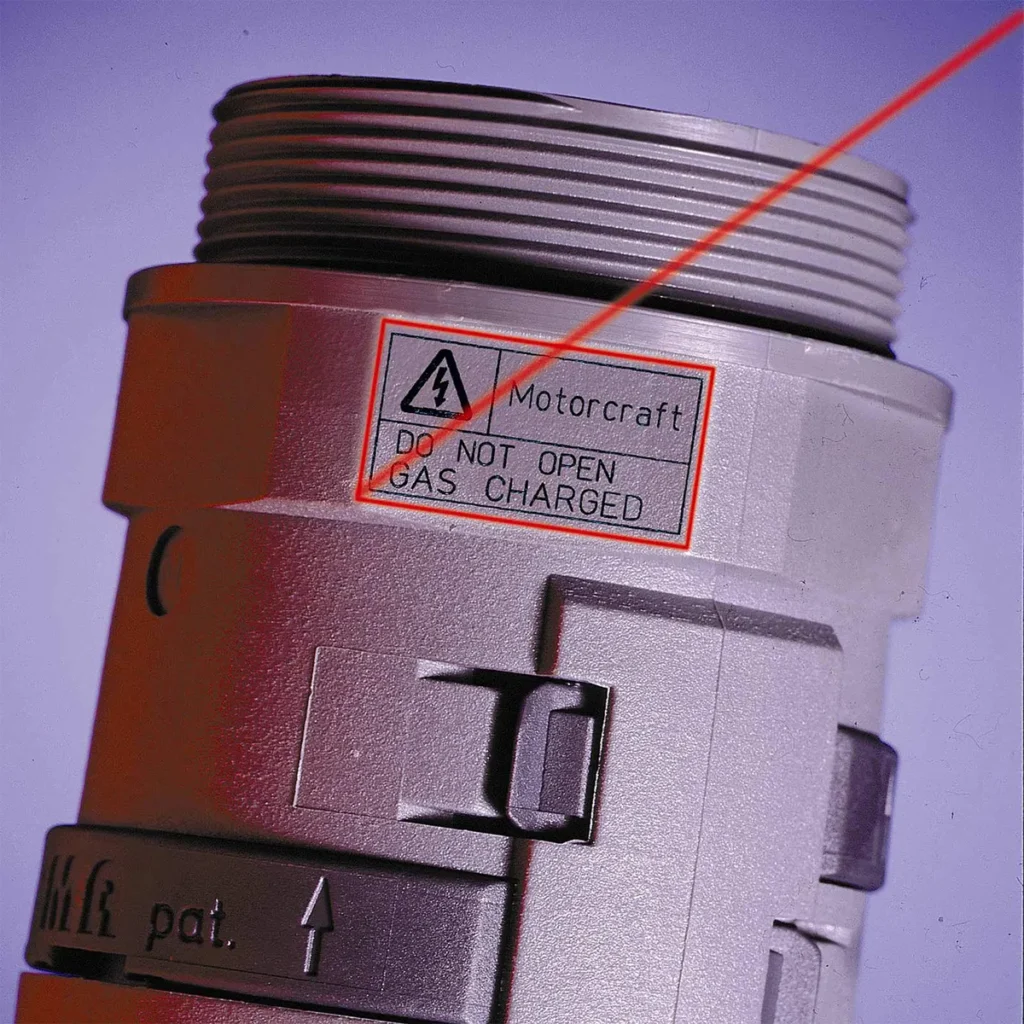
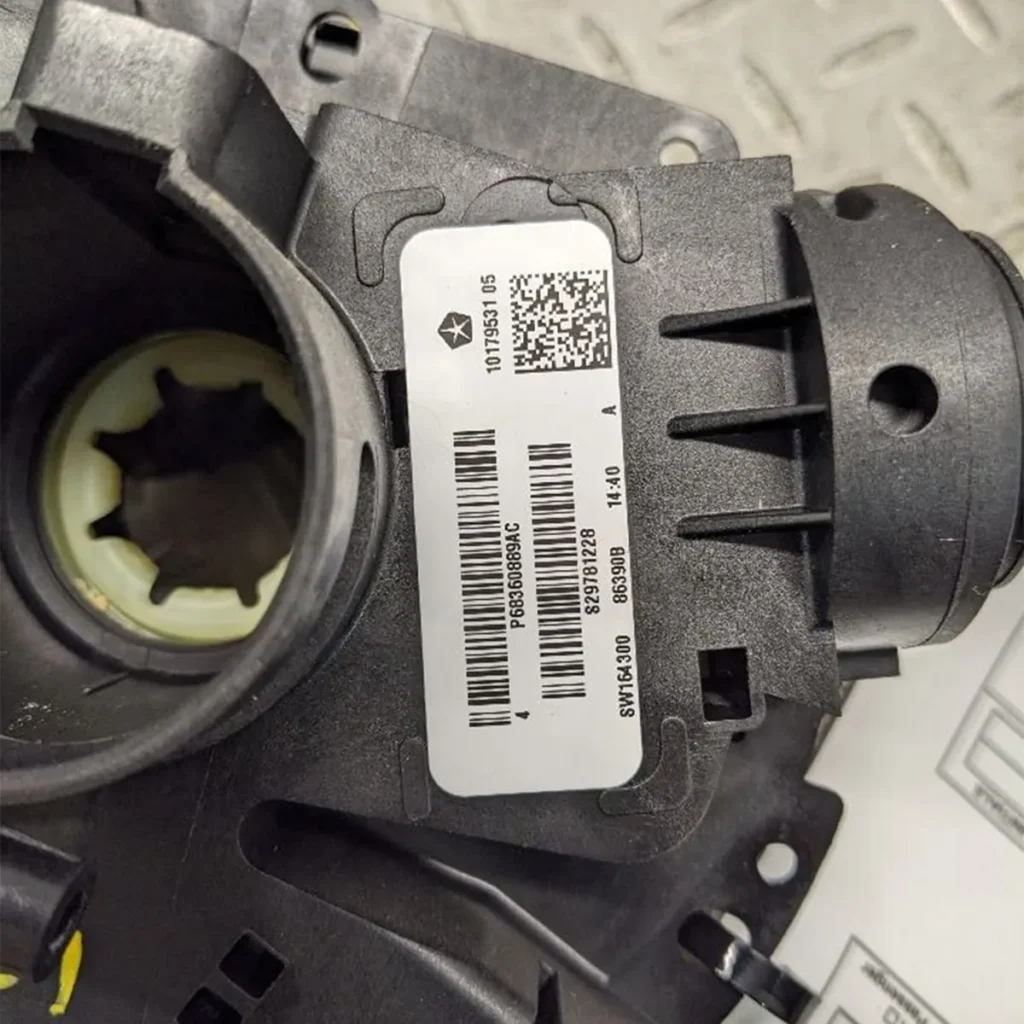
Portable equipment
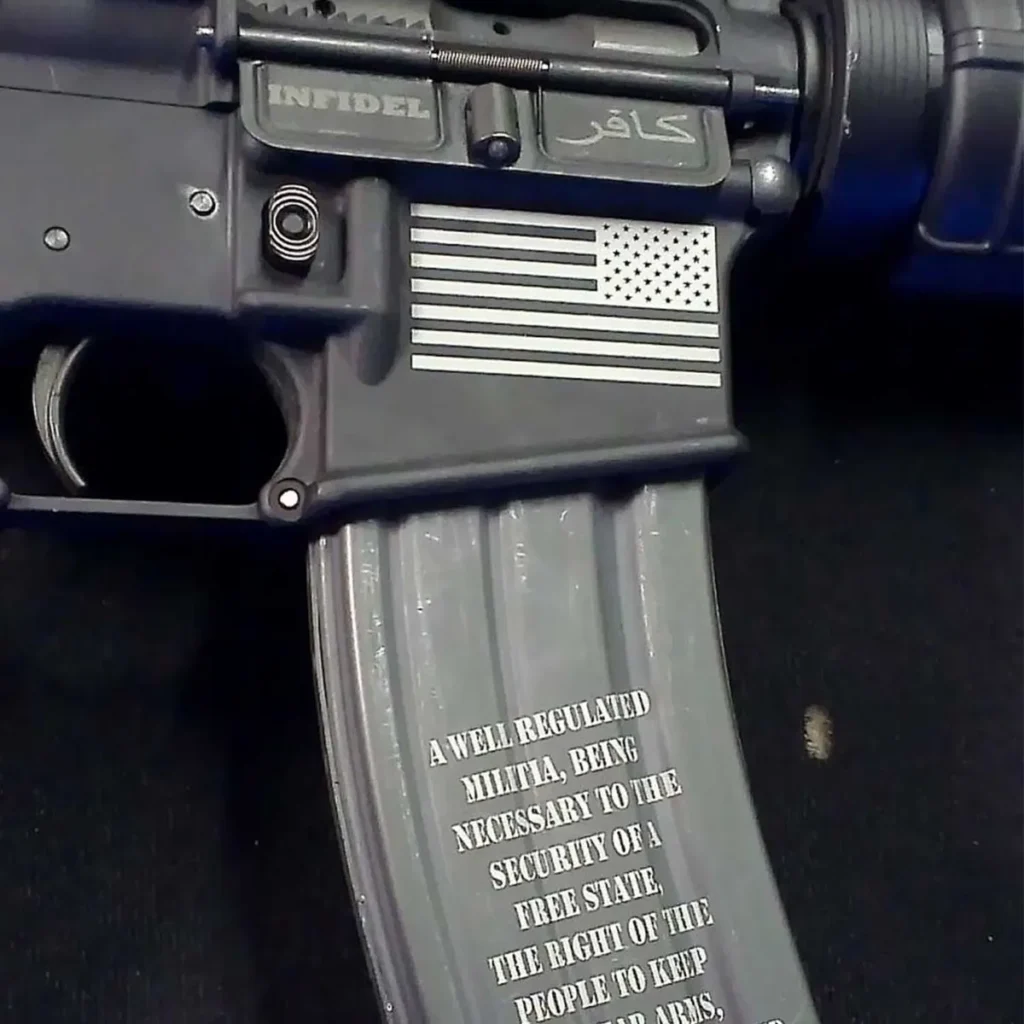
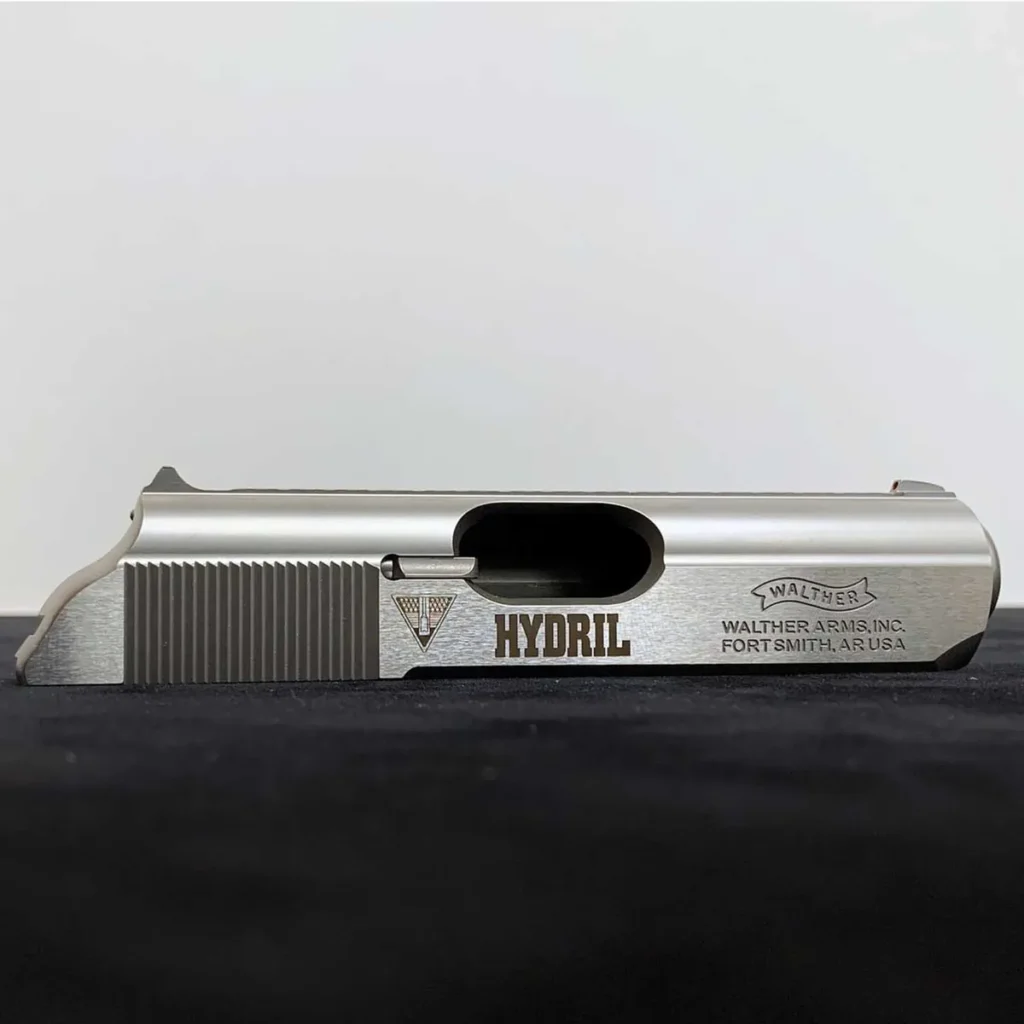
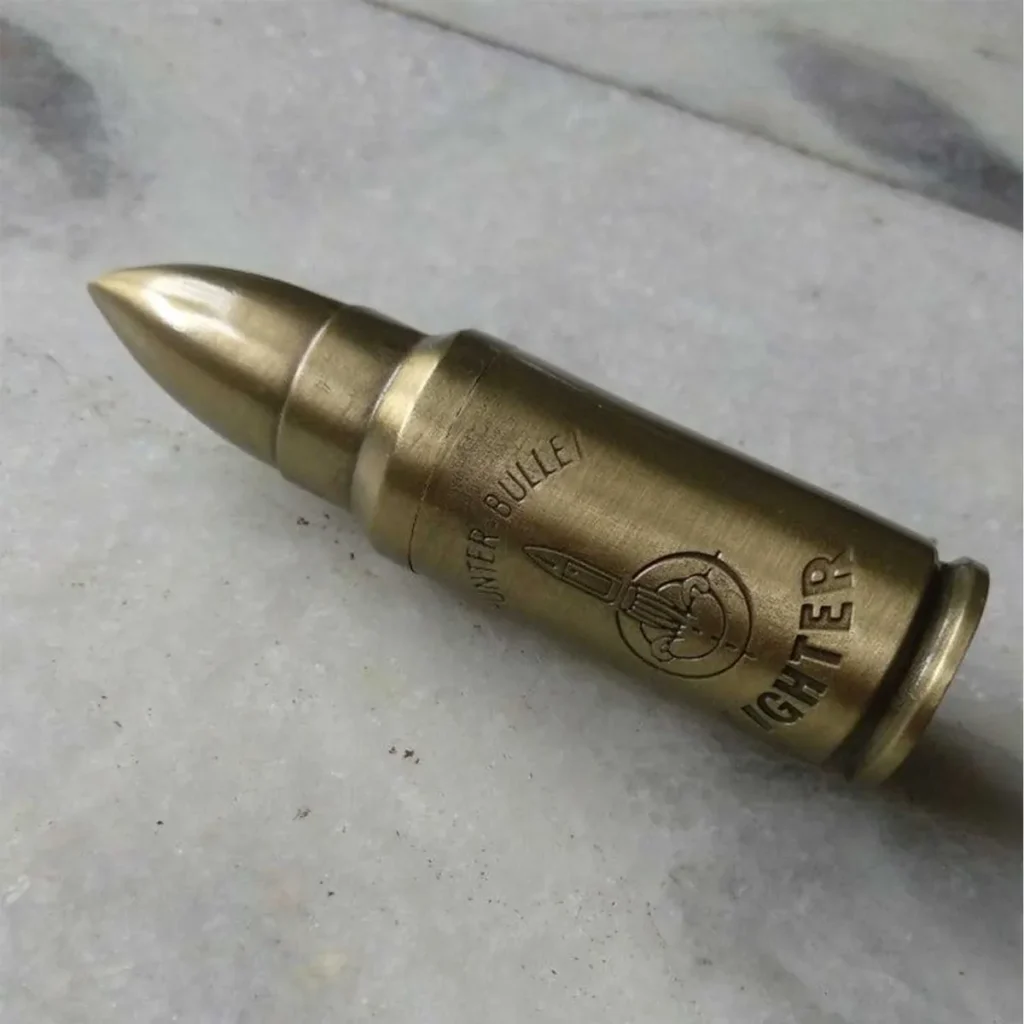
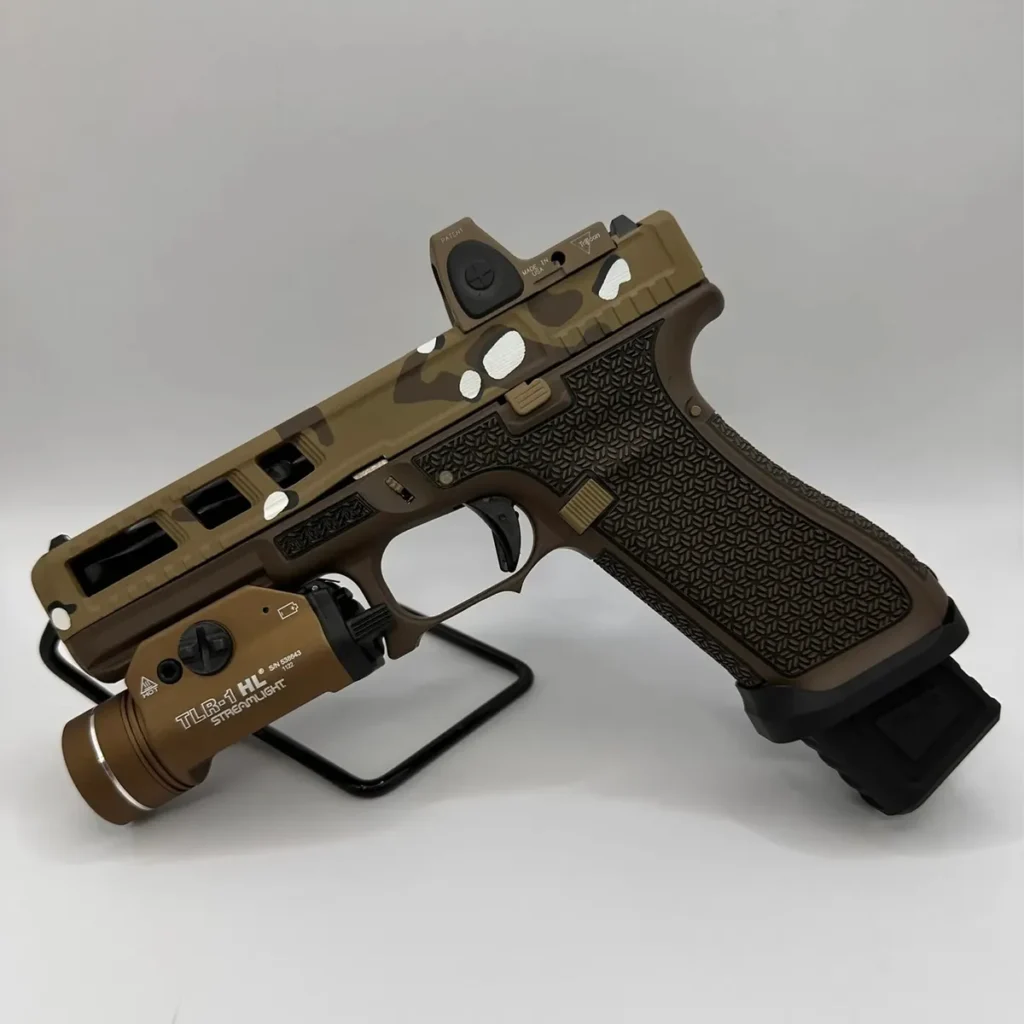
Permanent marking on housings, handles and accessories.
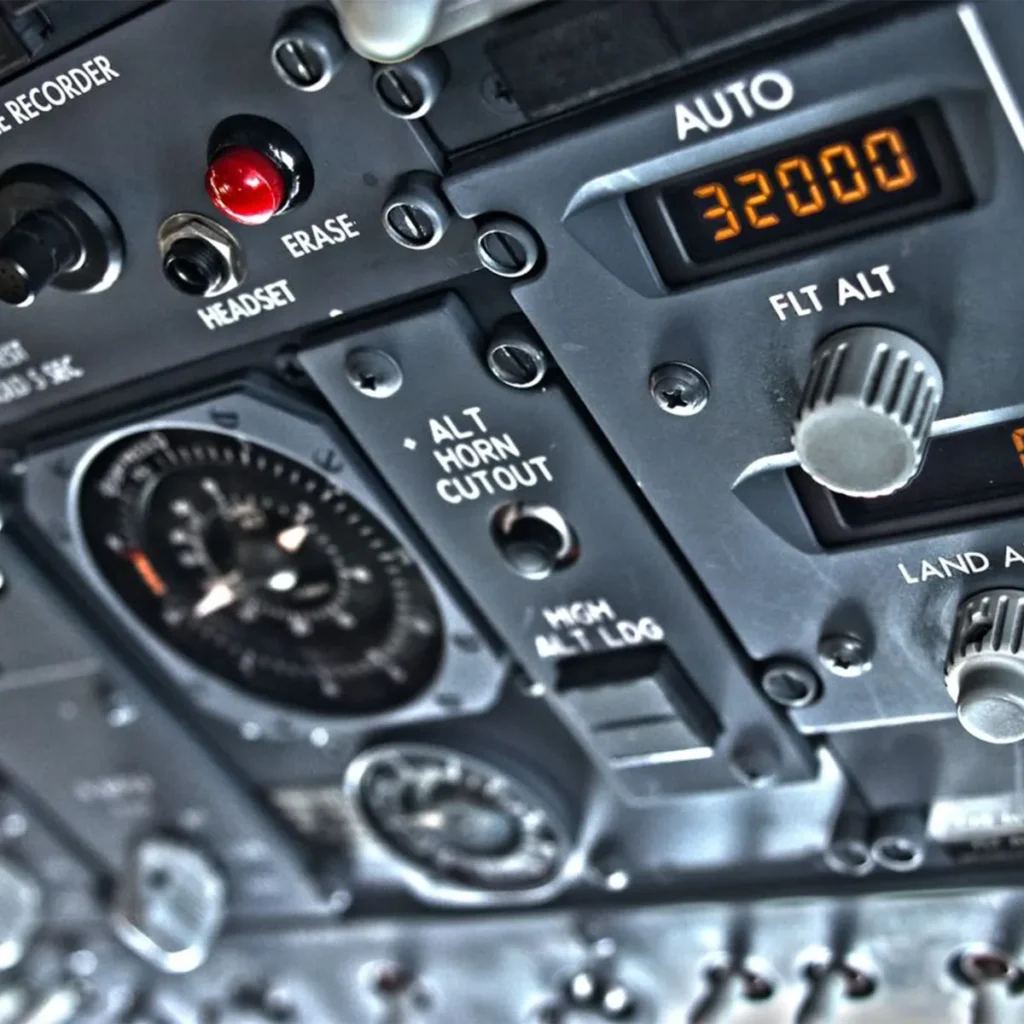
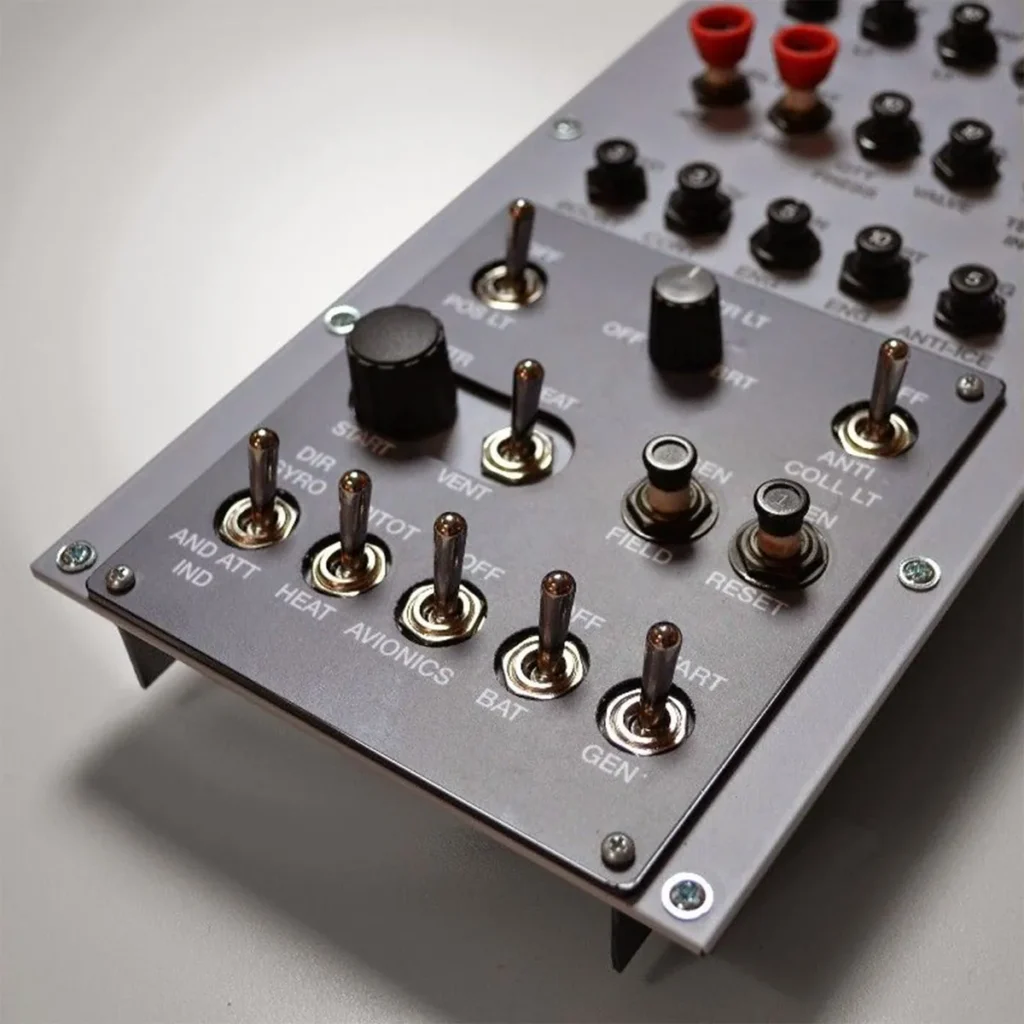
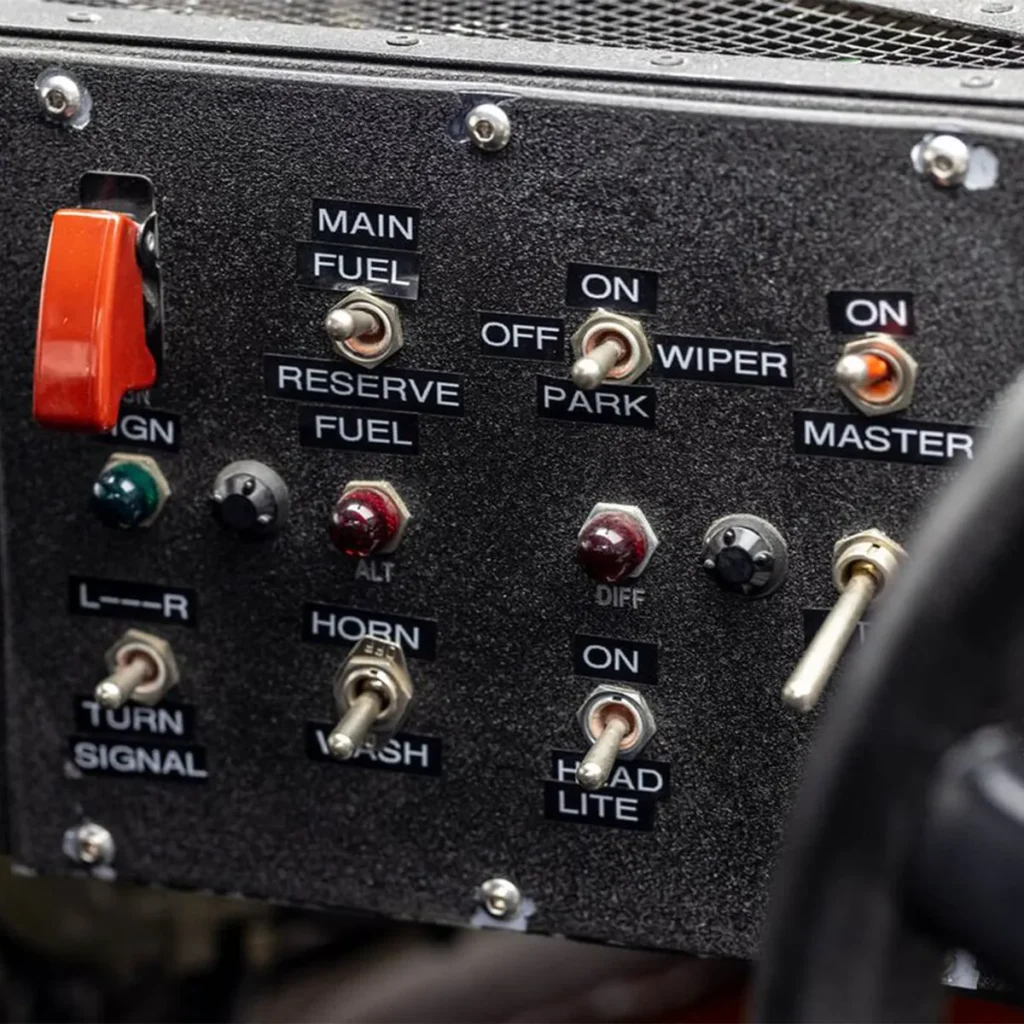
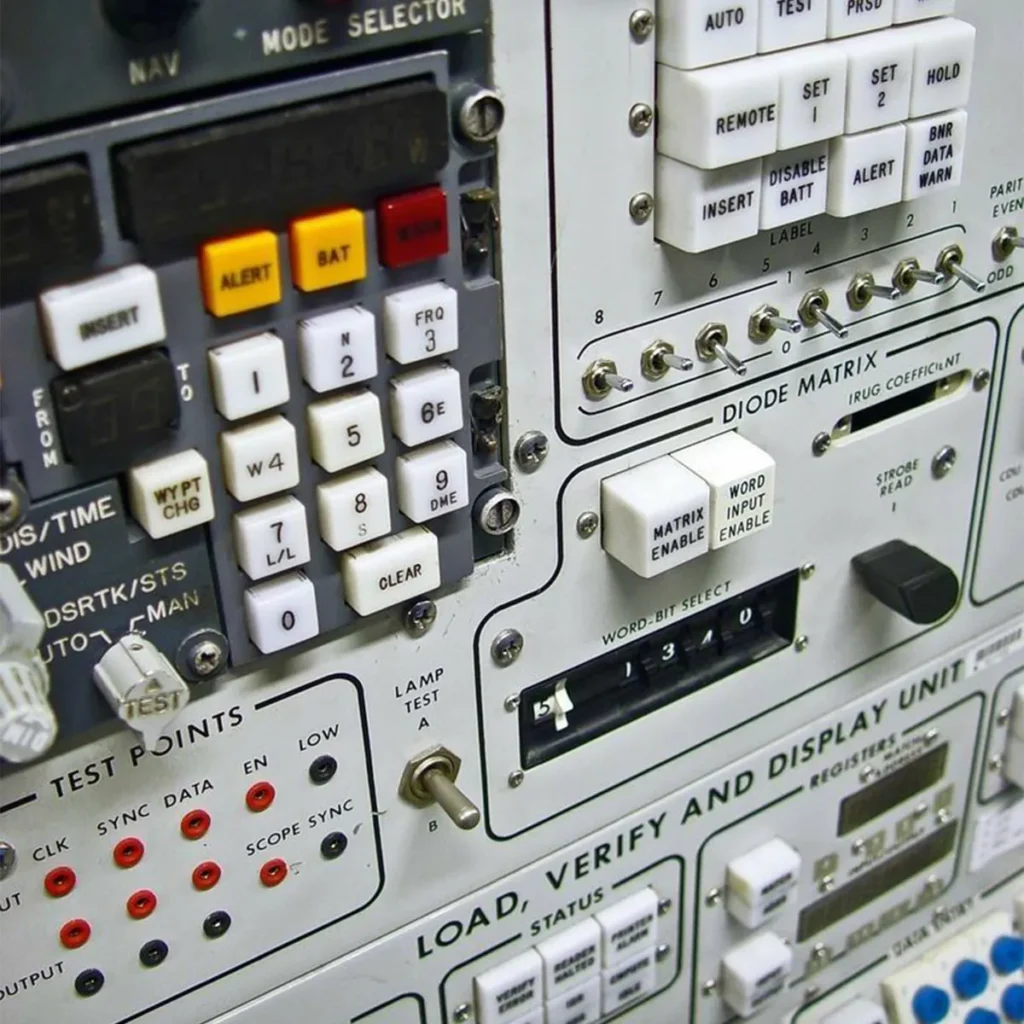
Consoles and control panels
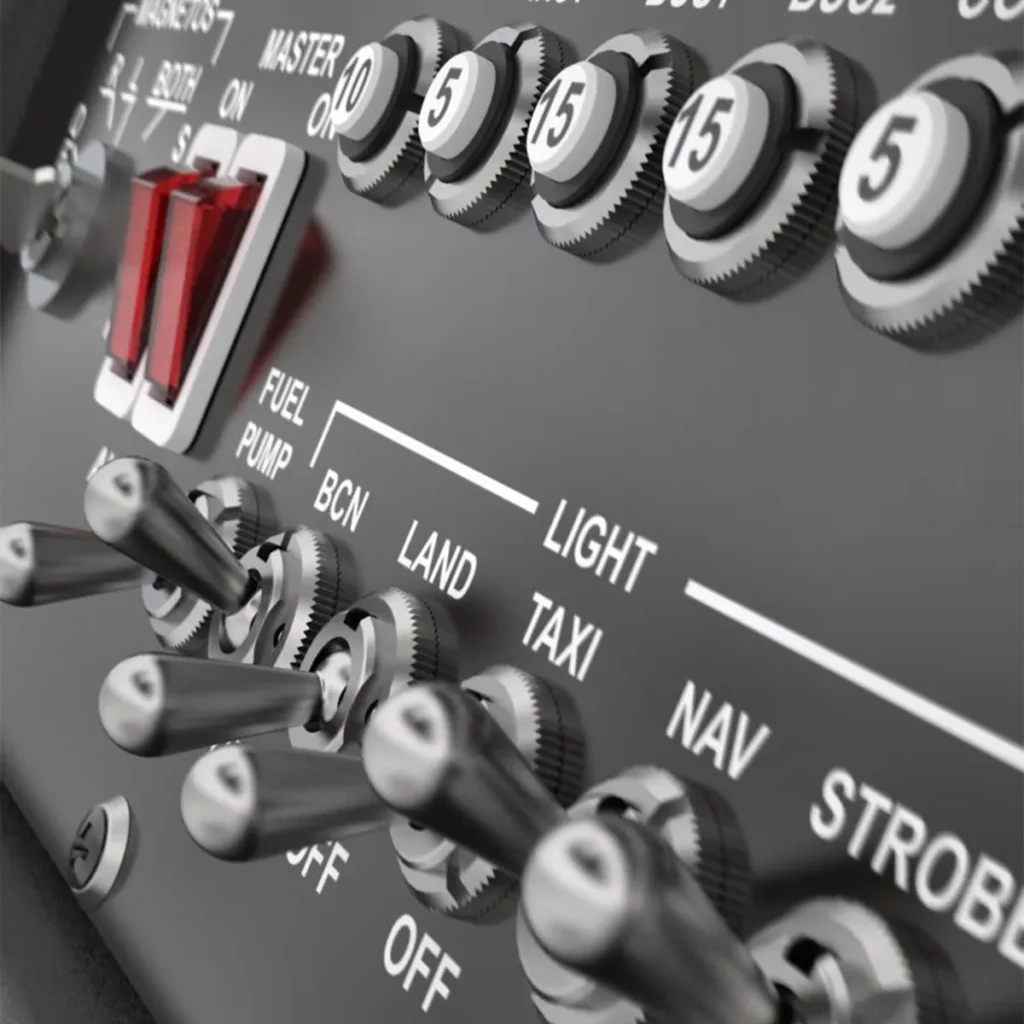
Reference marks and pictograms on front panels and keypads.
Thermoflan, your marking partner for defence
For 60 years, Thermoflan has supported manufacturers in choosing, installing and maintaining their marking equipment. Tests on your parts, training for your operators and after-sales service are provided by our teams.
Frequently asked questions about military marking
What is UID marking?
UID (Unique Identification) is a unique identifier assigned to an item, usually encoded in a DataMatrix code. It is governed in particular by the MIL-STD-130 standard and, within NATO, by STANAG 2290.
Which technology should be used to mark a UID code?
Fibre laser can mark DataMatrix codes directly on metal parts. When direct marking is not possible, a specific aluminium identification plate can be used.
Do identification plates withstand harsh environments?
Photosensitive or laser-markable aluminium is designed to offer very good resistance to abrasion, UV and chemical agents. The right solution depends on the conditions of use.
Can anodised aluminium be marked?
Yes. The laser locally removes or alters the anodized layer, producing a contrasting and durable marking.
Can Thermoflan carry out tests?
Yes. We run tests on your samples in our demonstration room and return the marked parts to you for approval.