


View all news
Manual, Universal and Pro pad printing machines
All our machines for manual, Universal, and Pro pad printing
Advantages of our manual, Universal and Pro pad printing machines
Pad printing is an essential printing technique for customizing a wide range of products, from promotional items to industrial parts.
We offer three ranges of pad printing machines adapted to all marking needs: manual, semi-automatic Universal range, and automatic Pro range.
Our manual pad printing machines are ideal for small series or jobs requiring great flexibility. They are perfectly suited for customization tasks on various products, often of small or irregular size.
They are financially accessible, making them an excellent choice for businesses that are starting out or those with small production volumes.
Our Universal semi-automatic pad printing machines represent a balance between manual and automatic pad printing. They offer greater precision and speed than the manual version, while maintaining a degree of flexibility in use.
They allow for process optimization while reducing operator effort.
Our Pro automatic pad printing machines are designed for large-scale production. They guarantee a significantly higher production speed, which helps to reduce unit costs and increase productivity.
Automation also ensures consistent quality and increased precision, even for large-scale production, with fewer risks of human error. Automated systems can be programmed to print on products of various sizes on continuous production lines, allowing for easy integration into industrial manufacturing processes.
This versatility makes it possible to meet production requirements, whether for small batches, medium-volume throughput, or large automated production runs. Each solution combines precision, performance, and flexibility to guarantee high-quality marking on various substrates.
Our range of manual, Universal, and Pro pad printing machines
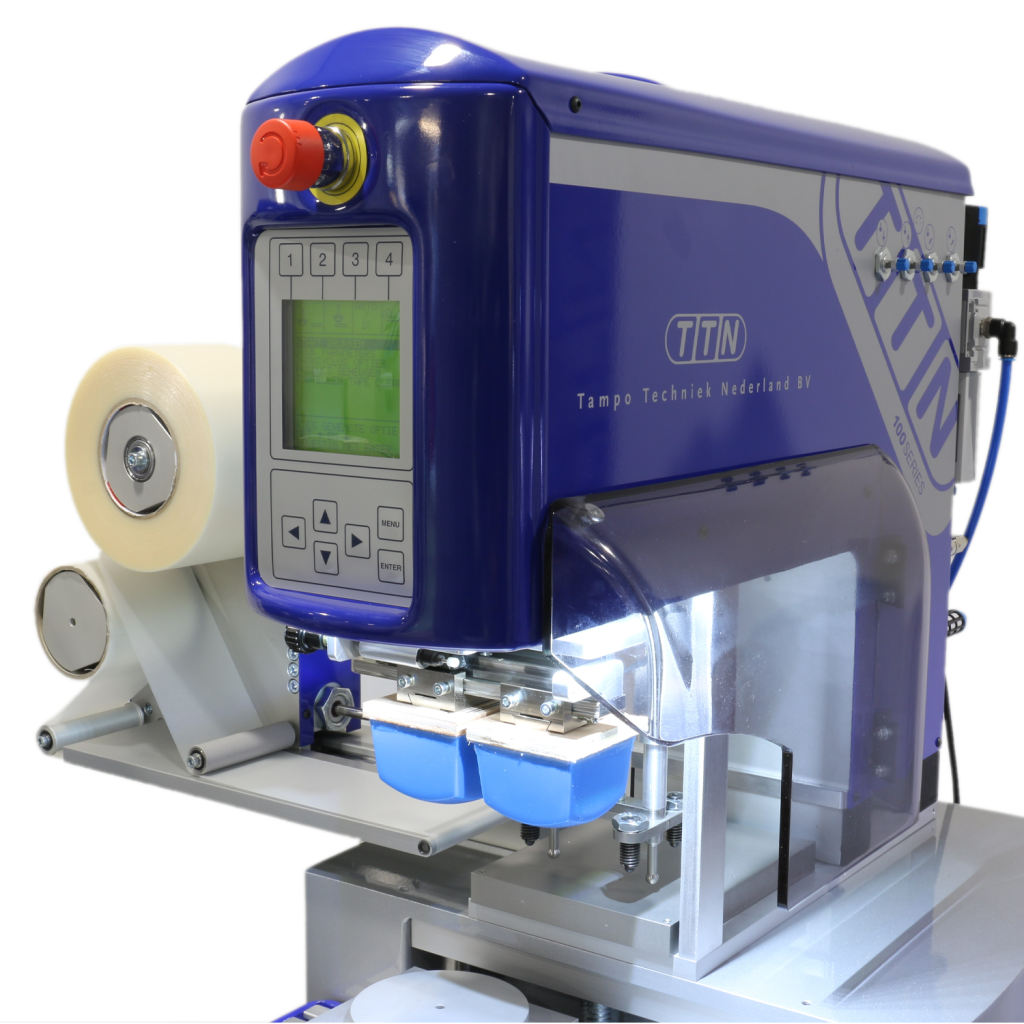


How does a pad printing machine work?
Here are the general operating steps for a pad printing machine:
Cliché preparation
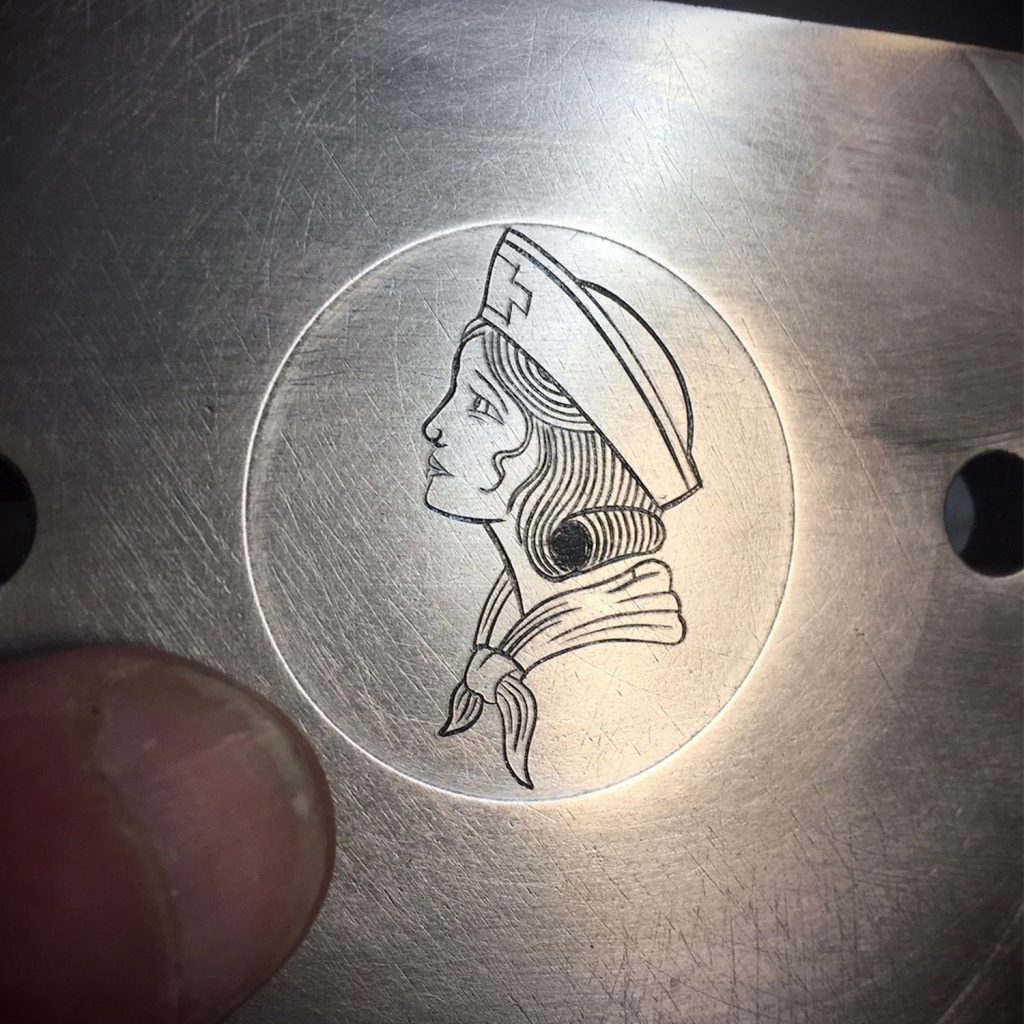
- The design or image to be printed is engraved onto a metal plate called a “cliché”.
Inking the cliché
- The ink cup slides over the cliché to ink the entire recessed area.
Ink transfer
- The pad then picks up the ink from the recess in the cliché and transfers it onto the object.
Drying
- After transfer, the ink can dry naturally or be dried by specific means (curing oven), depending on the material being marked.
Application examples

Pets

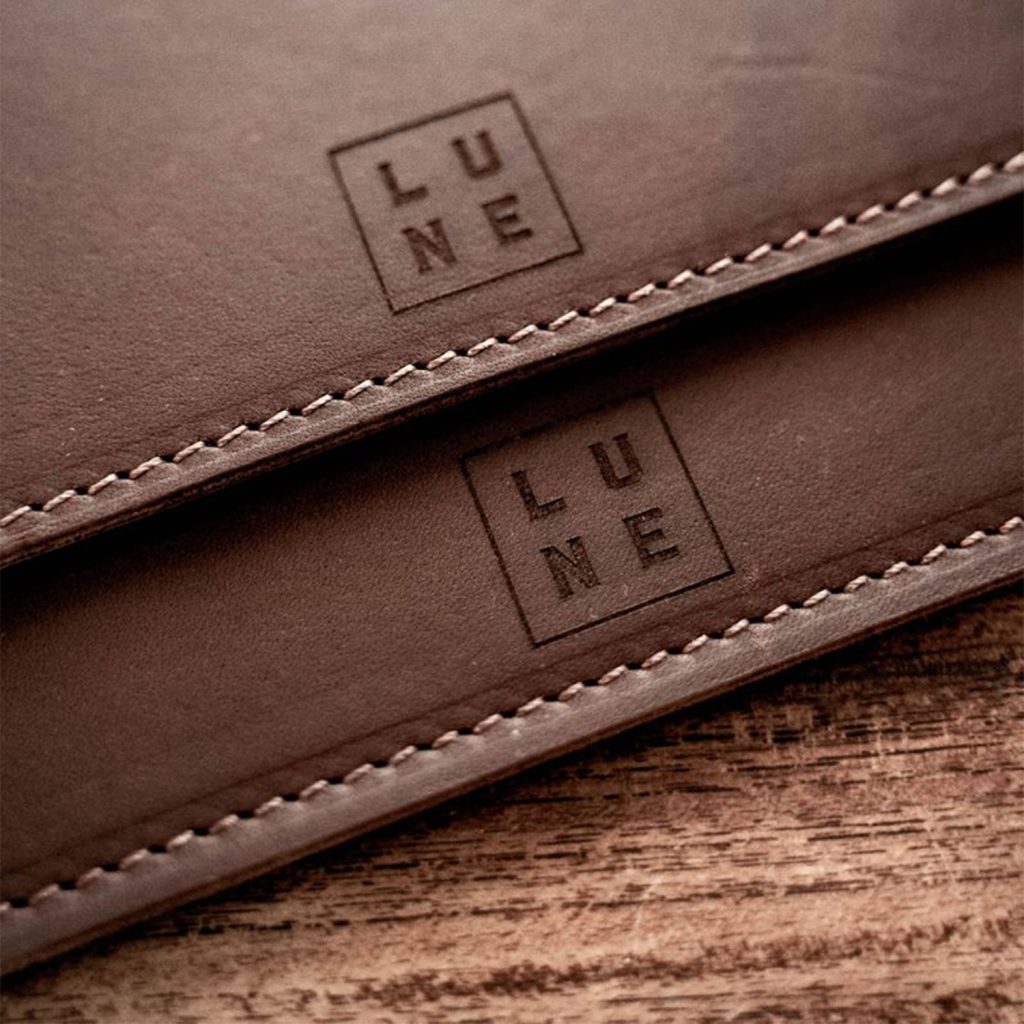
Art, Craft & Creation
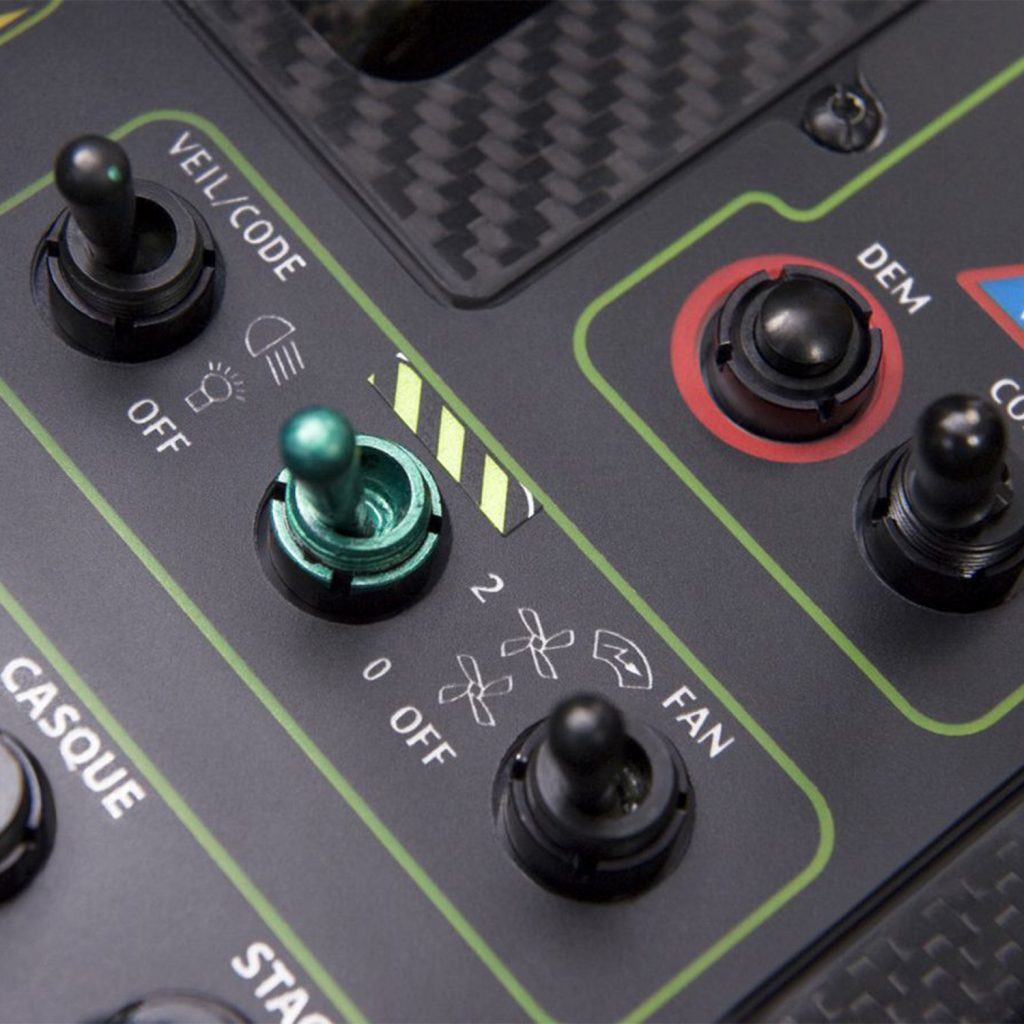
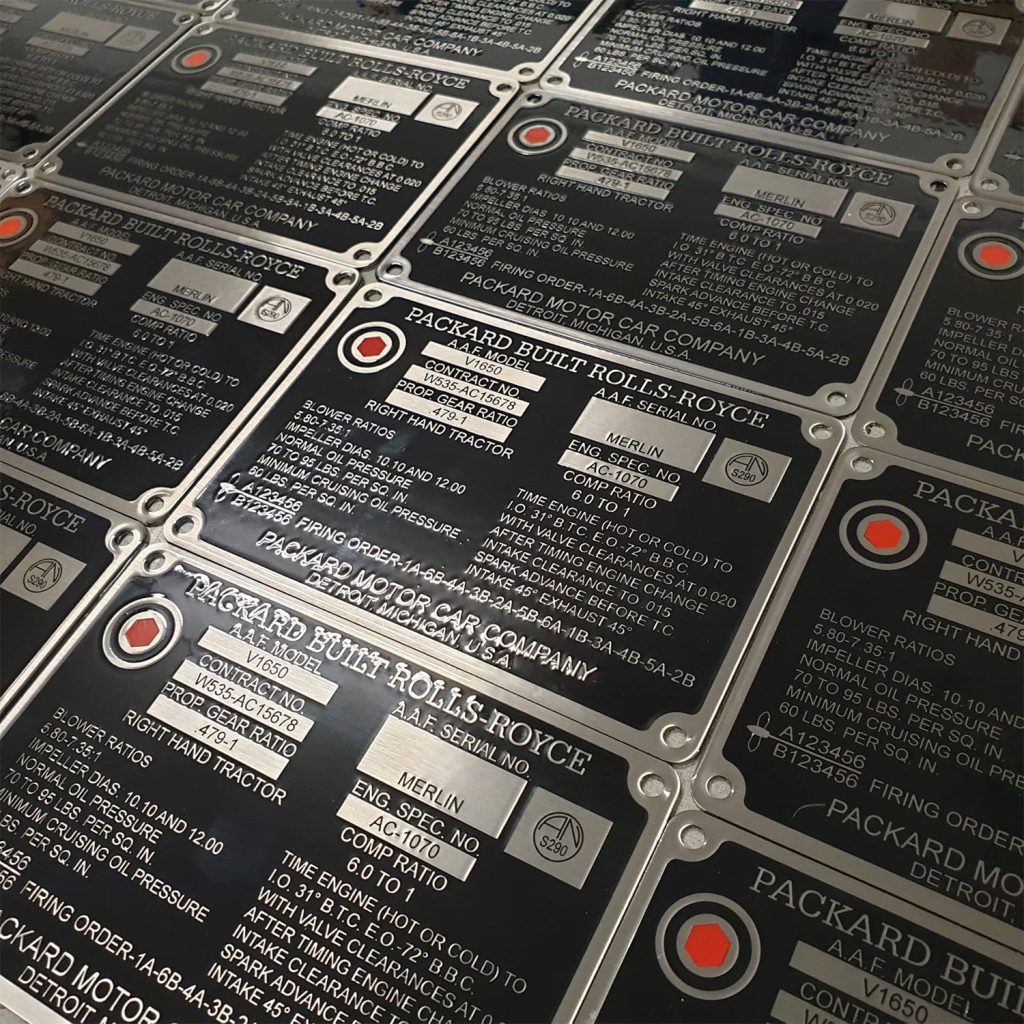
Automotive, Military & Aeronautics

Wellness & Cosmetics

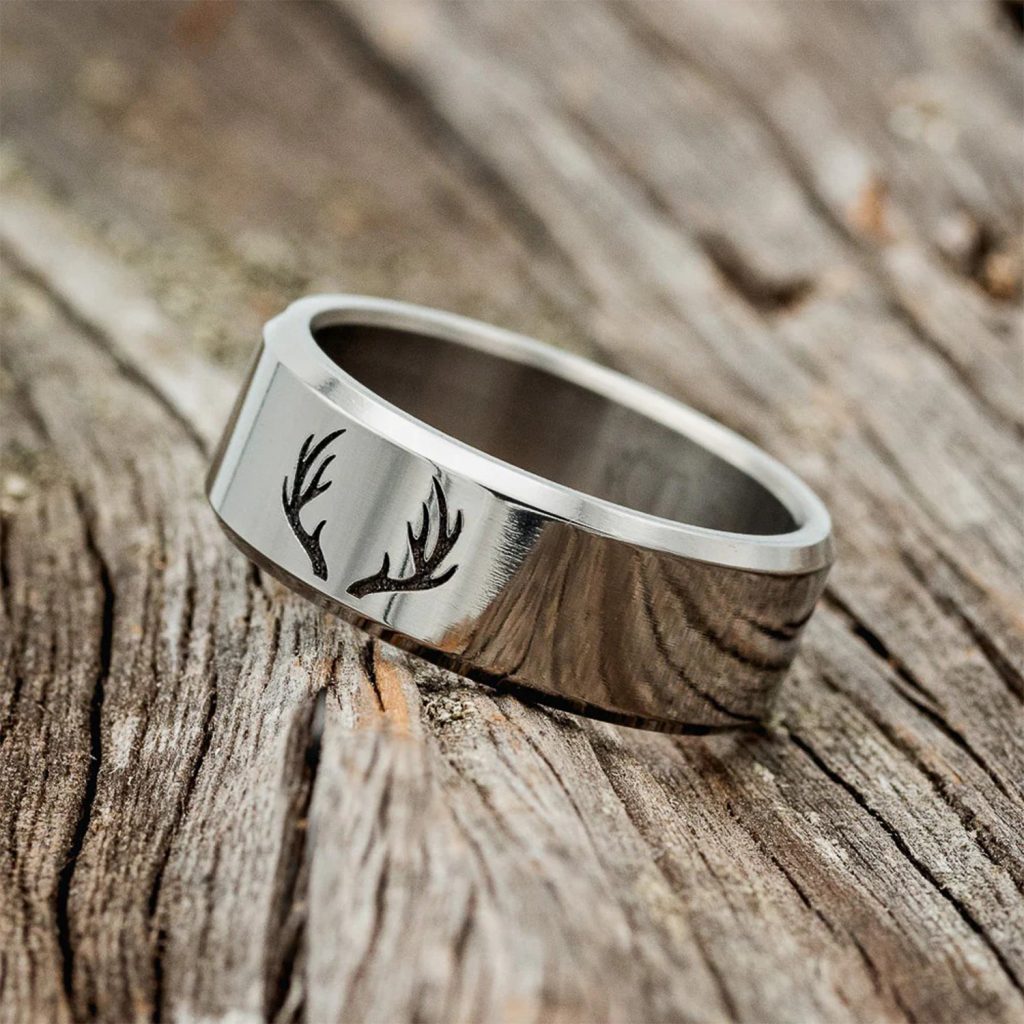
Jewelry & Watchmaking

Knives & Weapons

Electronics & Technology

Goodies & Promotional items
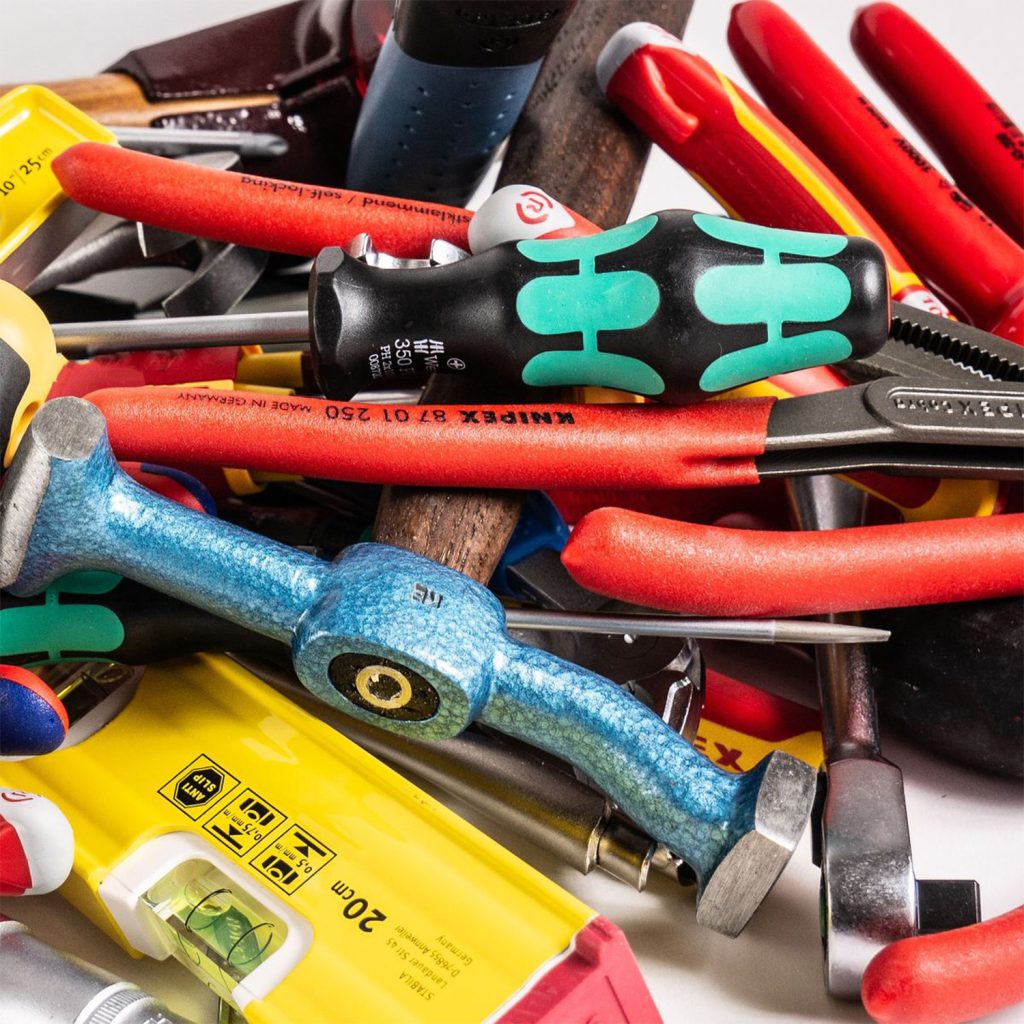
Industry, Tools & Metalworking

Recreational & Educational

Nature, Sport & Leisure

Home & Decoration

Optics & Eyewear
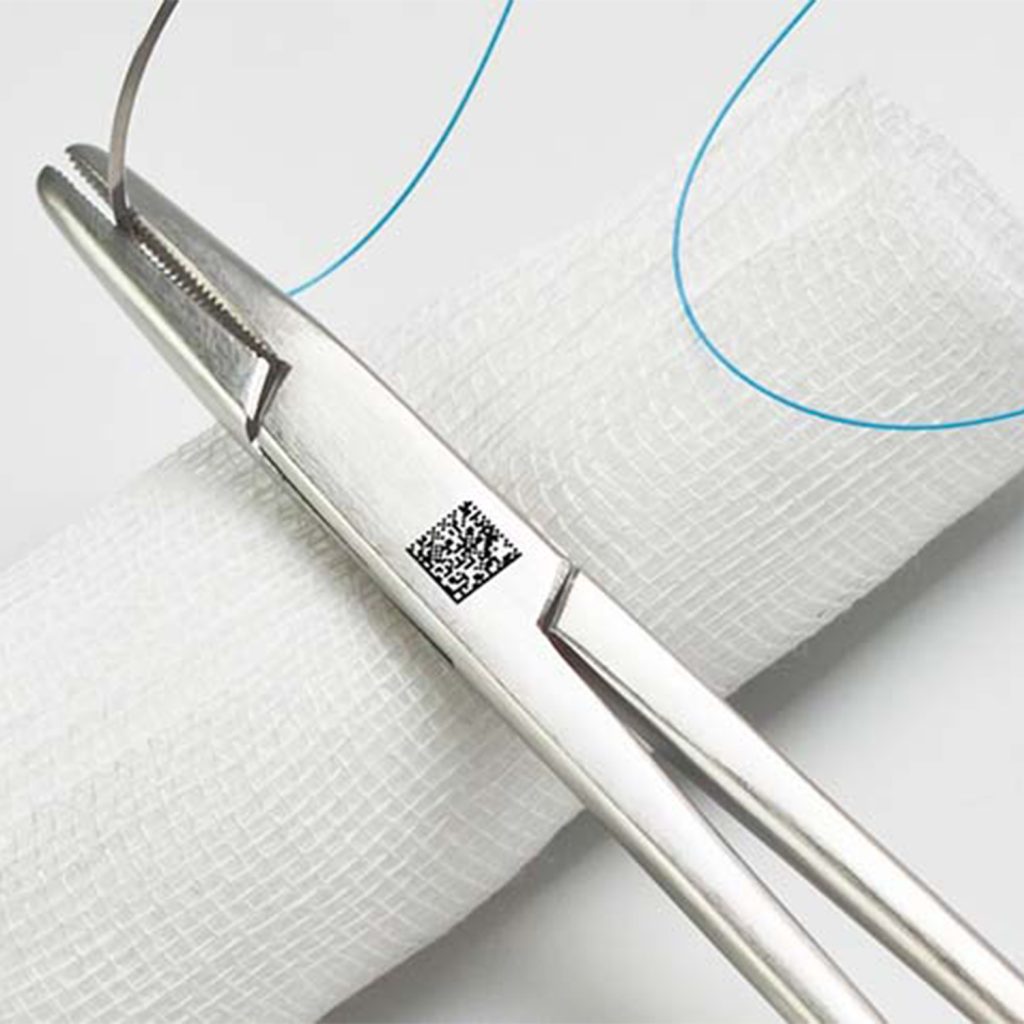
Healthcare, Medical & Laboratory
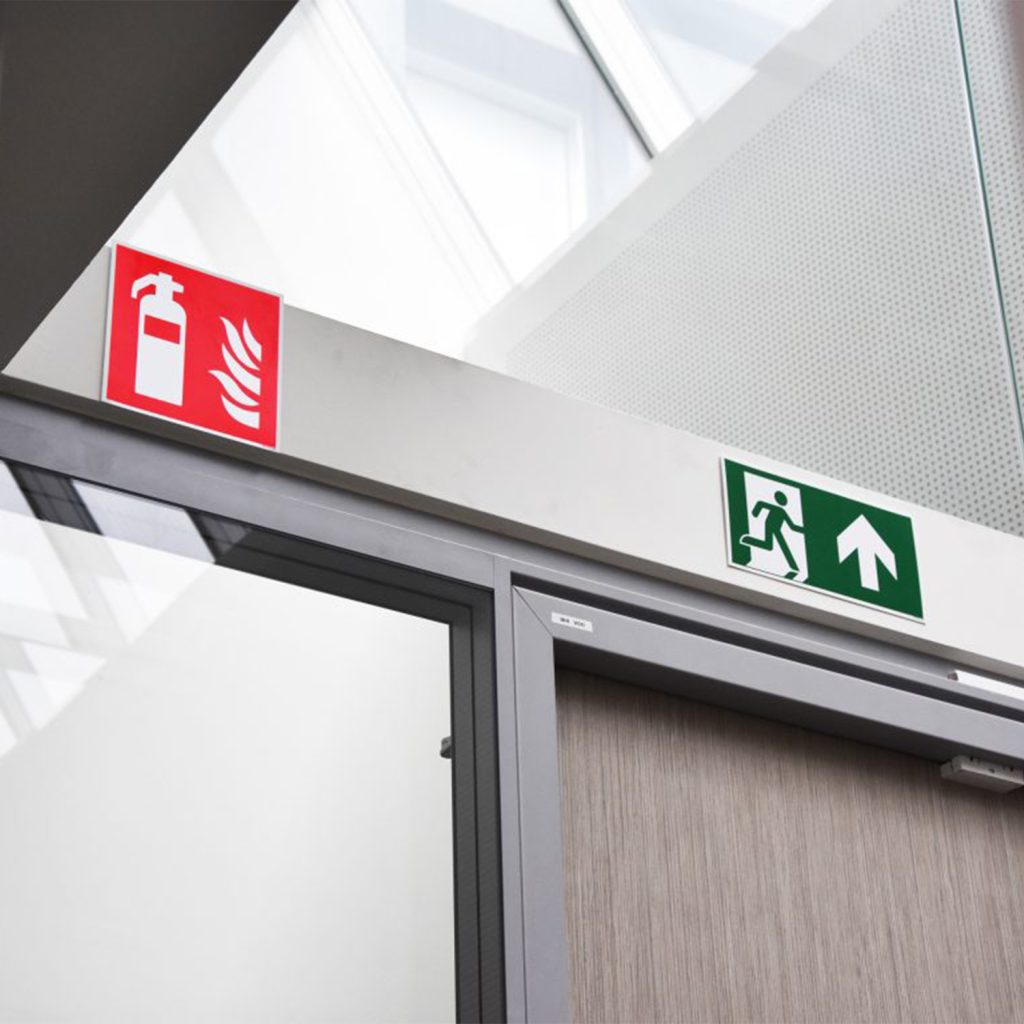
Security, Access & Identification