




View all news

Water, alcohol, and laser pad printing plates
Starting from: 8.82 €
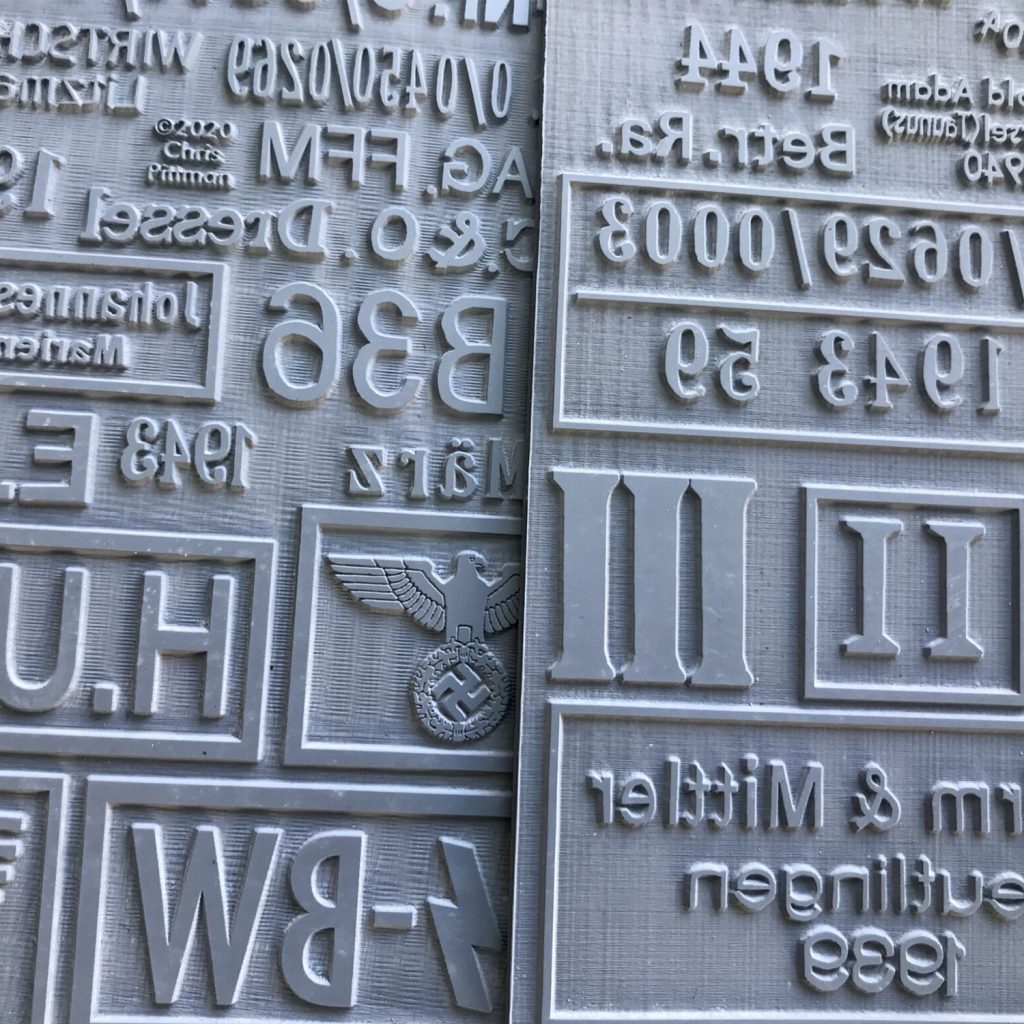
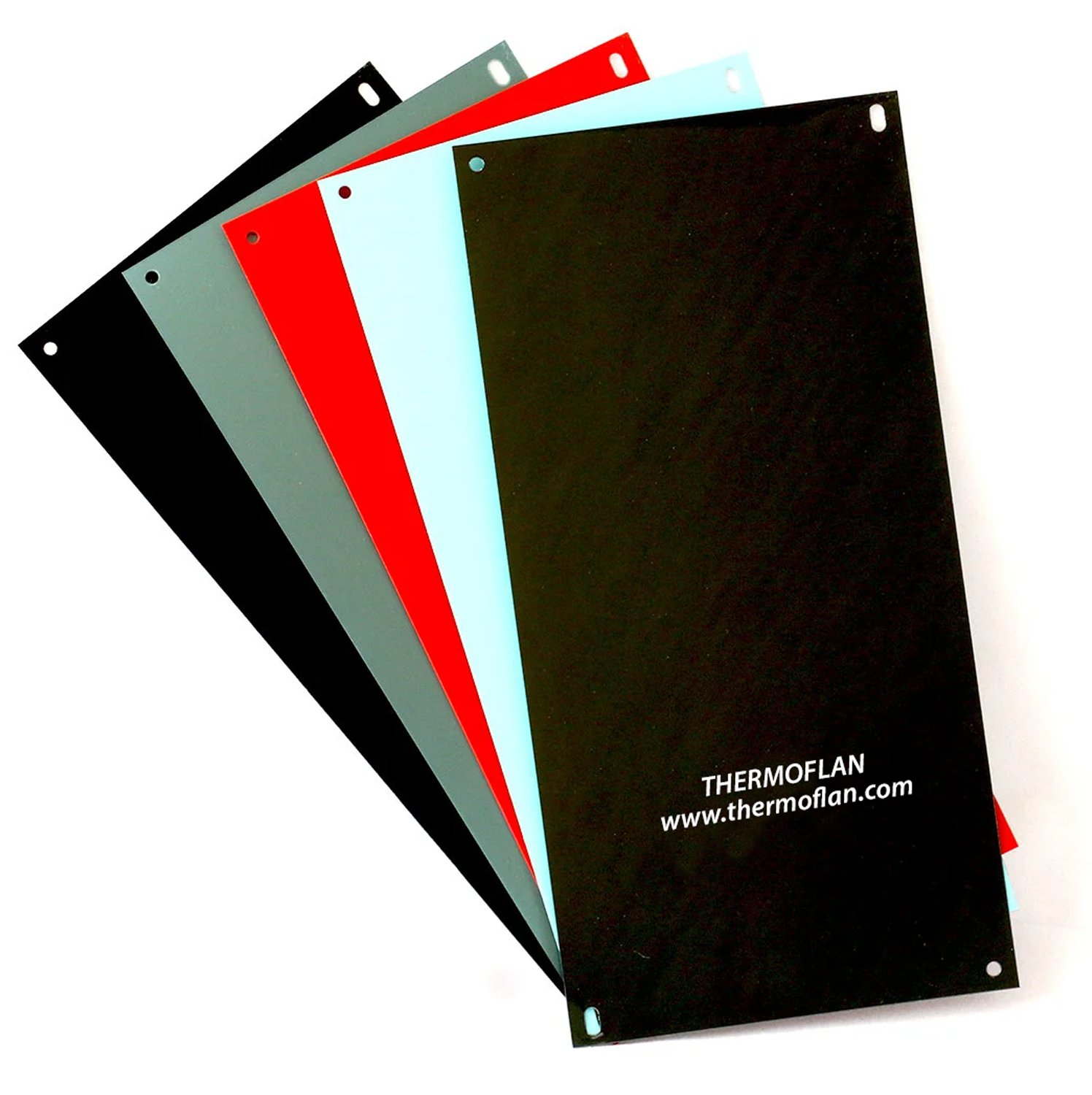
Pad printing plates are engraved plates that contain the image or text to be printed onto parts. They play an essential role: the ink is deposited into the engraved recess of the plate before being transferred by the pad onto the part.
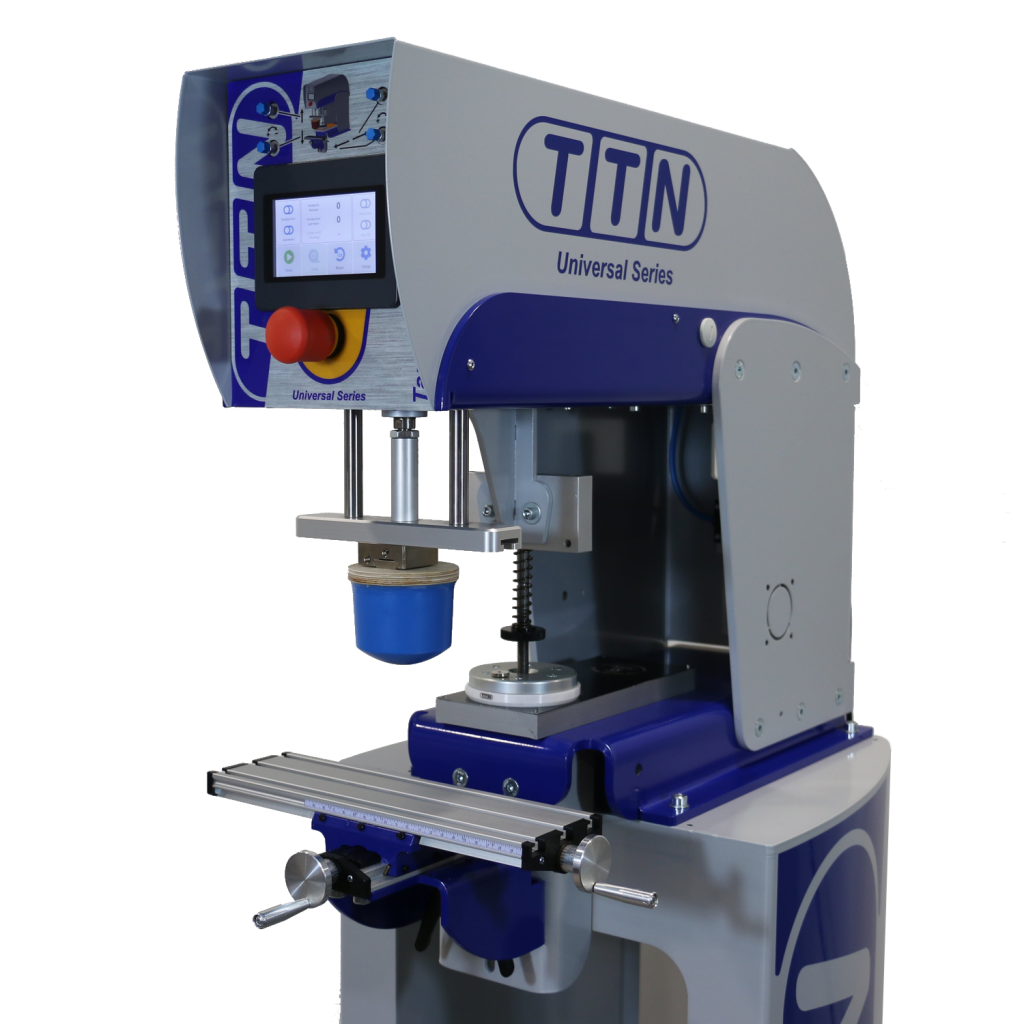
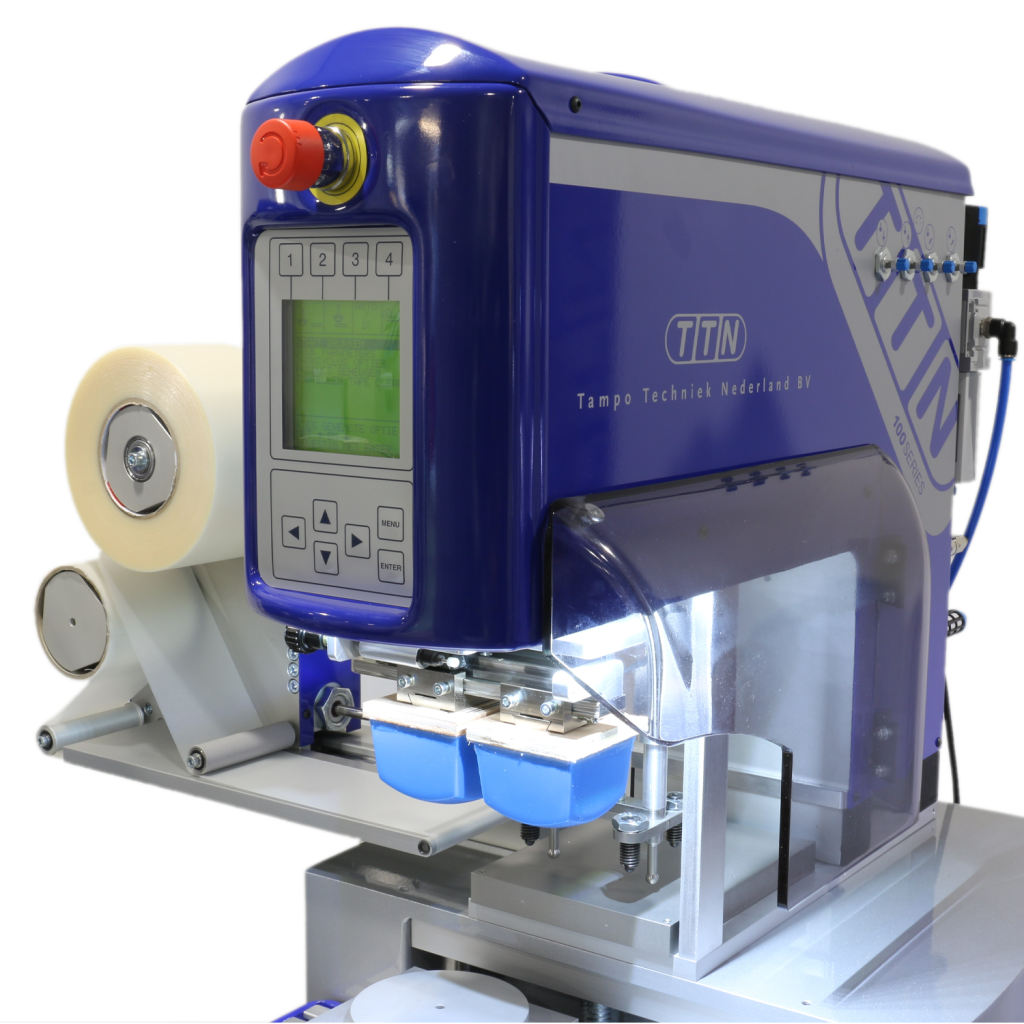
In operation, the plate is mounted on the pad printing machine. During each cycle, the ink cup ring scrapes and spreads the ink across the plate. The pad then picks up the ink from the recess of the plate to apply it to the part.
The engraving of the plates depends on their type: water or alcohol-washable plates are engraved using an exposure unit (with chemical development), while others are engraved directly via CO₂ laser or fiber laser.
The choice of plate depends on several factors: machine type, production volume, print precision, cost, and desired lifespan.
Technical data sheet
Several plate technologies are available depending on your production constraints and engraving preferences:
– Laser-engravable plates (steel or specific materials).
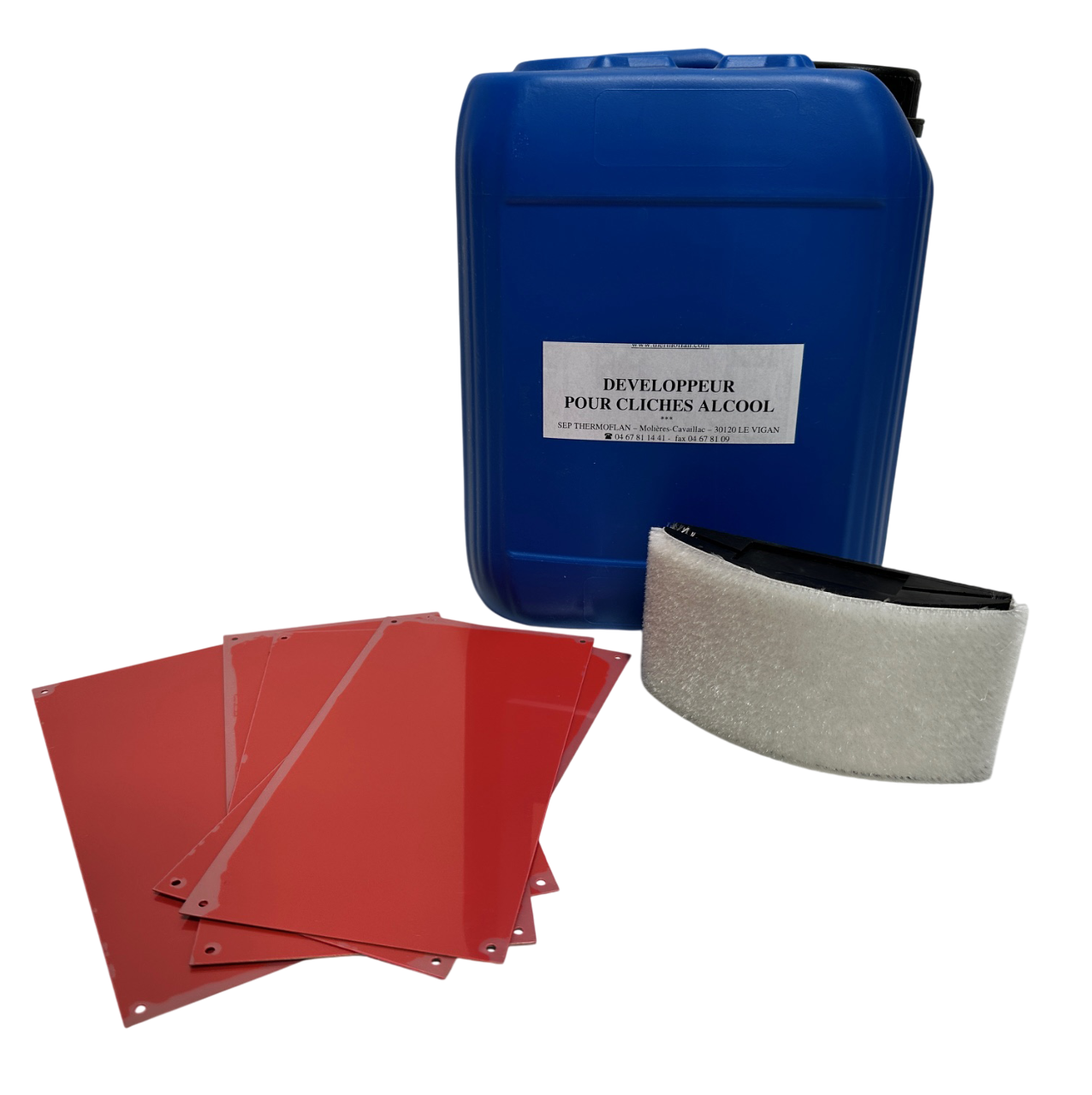
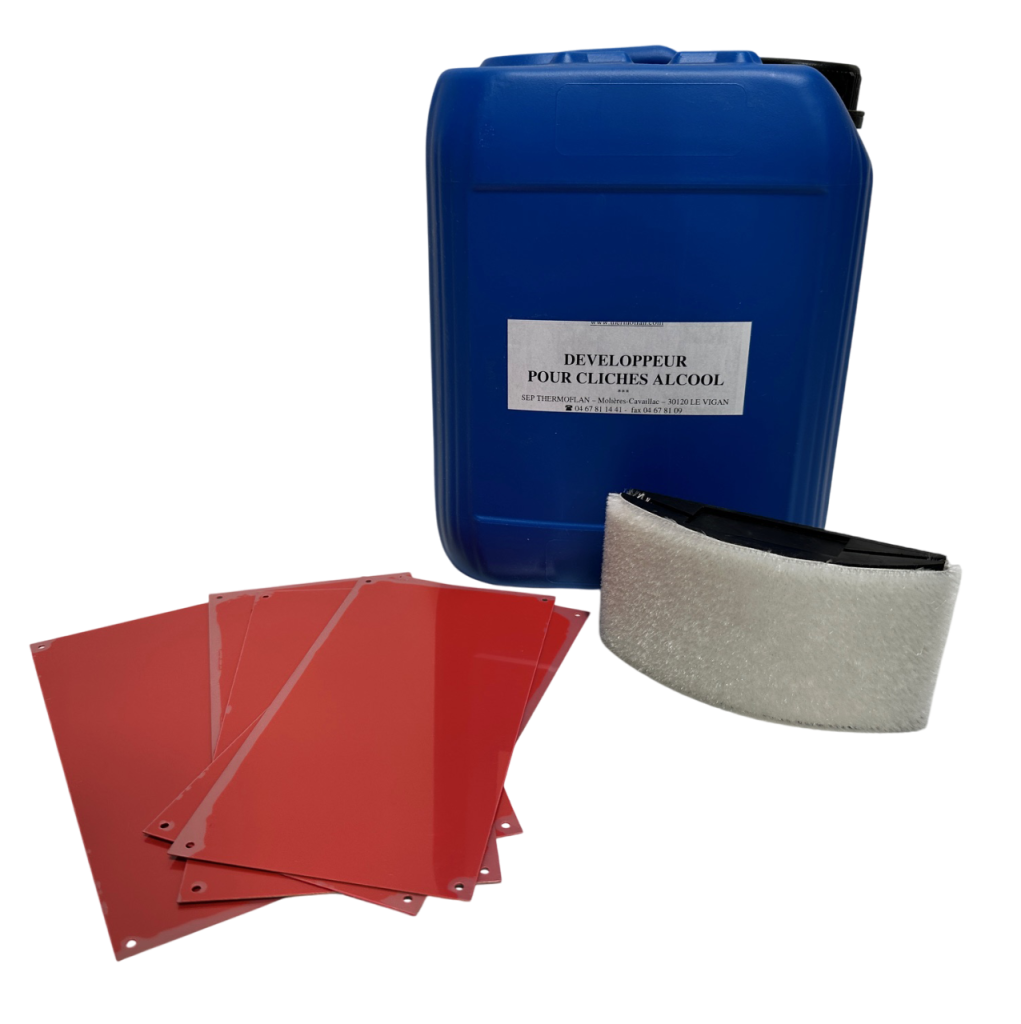
– Alcohol-washable polymer plates.
– Water-washable polymer plates.
– Steel plates (Thin Steel and Thick Steel).
All our plates are available in the dimensions of your choice and can be pre-punched according to the specifications of your equipment.
If you do not have an in-house engraving solution or have an occasional need, Thermoflan offers a comprehensive service for creating plates based on your designs.
Simply send us your files (accepted formats: preferably vector PDF, AI, EPS) and we will handle the rapid production of ready-to-use plates in the material suited to your application.
Thanks to our specialized service, you benefit from a turnkey solution for your engraving needs, without the need for equipment investment or technical constraints.
Features:
Water plate - WS 43:
Photosensitive plates developed with water
Consist of a steel backing covered with a layer of photopolymer
Compatible with magnetic ink cups as well as sealed mechanical ink cups
Single-sided use only
Easy to manufacture, without the use of aggressive chemicals
Offer high printing precision
Alcohol plate - ST 52:
Alcohol-developed photosensitive plates
Consisting of a steel backing covered with a photopolymer layer
Compatible with magnetic ink cups as well as sealed mechanical ink cups
Usable on one side only
Easy to manufacture
Highly durable and wear-resistant
Ideal for longer production runs
Offer superior print precision
CO2 laser-engravable printing plate - COL 40:
Plates specially formulated for CO2 laser engraving
Composed of a steel base covered with a photopolymer layer on one side
Easy to use with magnetic ink cups
Engravable on one side only
Ensure excellent reproduction of details
Fiber laser-engravable printing plate - YL 50:
Plates specifically formulated for fiber laser or YAG laser engraving
Made of aluminum – non-magnetic material
Can be used with magnetic ink cups thanks to a steel adapter plate placed behind. Available in different thicknesses, this plate allows you to adjust the magnetic holding force of the ink cup: a thicker plate increases this force, thus offering the possibility to adjust the position without changing the magnet configuration.
Engraveable on both sides
Offer high engraving precision and controlled depth
This accessory is compatible with...





FAQ about Water, alcohol, and laser pad printing plates
What are the limitations of laser-produced clichés?
CO₂ Version
- The laser directly engraves the cliché by hollowing it out, but it is difficult to generate a halftone.
- This type of cliché is therefore not ideal for markings with large solid areas.
- In this case, it is preferable to opt for clichés made by UV exposure.
Fiber Version
- A specific operating mode allows for creating a halftone with fiber lasers.
- The engraving time is very fast: only a few seconds.
- By way of comparison, producing one with film requires more than 20 minutes.
.
What are the different clichés offered?
We offer all clichés available on the market, which we can drill and cut to your desired format, with the main references being the following:
- YL 50: cliché engravable with fiber or YAG laser. Non-magnetic, it requires the use of a steel plate between the base plate and the cliché.
- COL 40: cliché engravable with CO₂ laser. It is magnetic.
- WS 43: UV-exposed cliché through a film, then developed with water. Orange-red in color.
- ST 52: UV-exposed cliché through a film, then developed with an alcohol-based developer. Highly resistant, it is red in color.
- Steel: cliché coated with a photosensitive layer, UV-exposed through a film, then developed with acid. It offers very high resistance.
How is a photosensitive pad printing plate produced?
ST52 or WS43 photosensitive printing plates are produced in several steps:
- Primary Exposure: the plate is exposed through an offset-printed positive film, which allows the design to be transferred onto the plate.
- Screen Exposure: depending on the chosen lineature, this step allows control over the depth of the plate’s recess and, consequently, the amount of ink deposited.
- Development: the plate is then developed with water or alcohol, depending on the model, to remove the photosensitive layer from the areas corresponding to the design.
- Drying: this step allows the plate to harden and improves its mechanical resistance.
- UV Post-exposure: a pass under UV rays finalizes the hardening of the plate and enhances its durability.
THERMOFLAN advantages
Over 60 years of experience
Permanent stock
Best quality/price ratio
Technical availability
Ask our experts for advice
How can we help you?