




View all news
CO2 Laser Machines
All our machines CO2 laser engraving and cutting
Advantages of our CO2 laser engravers and cutters
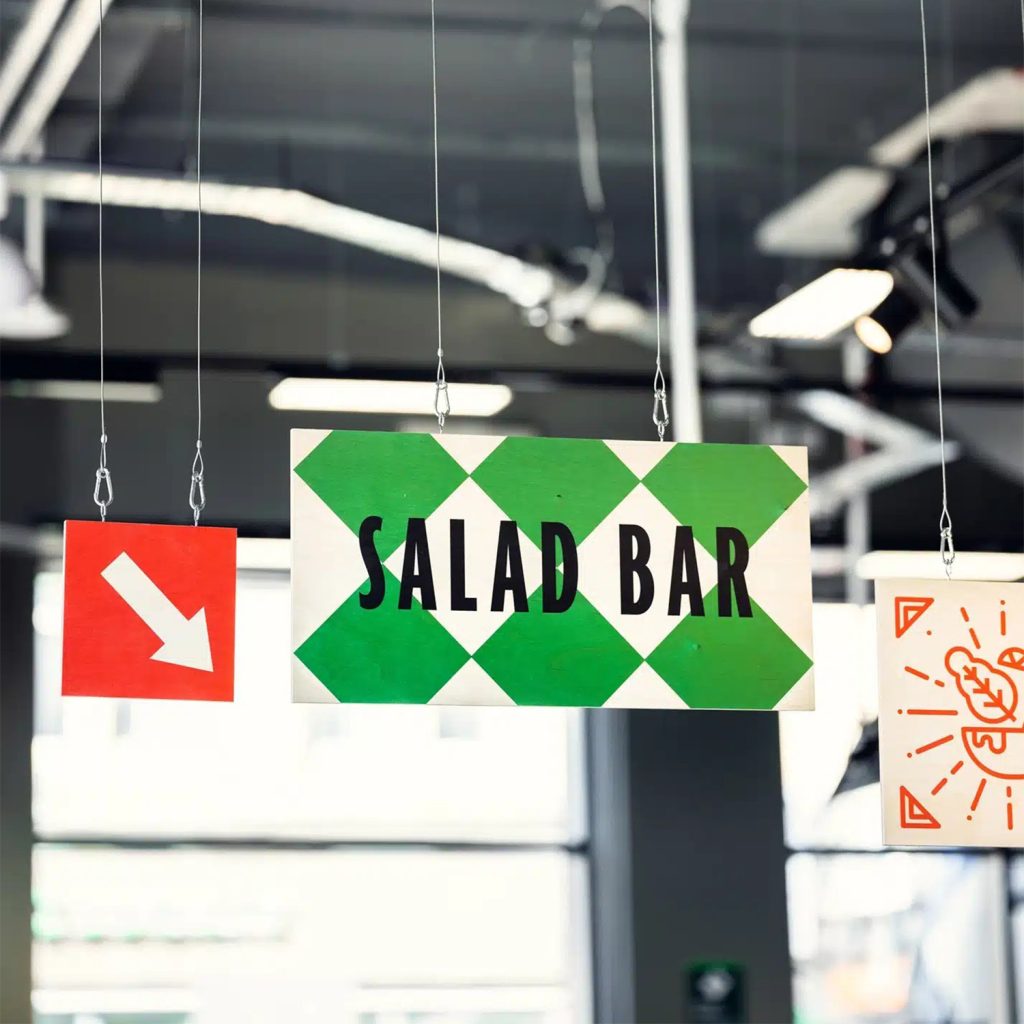
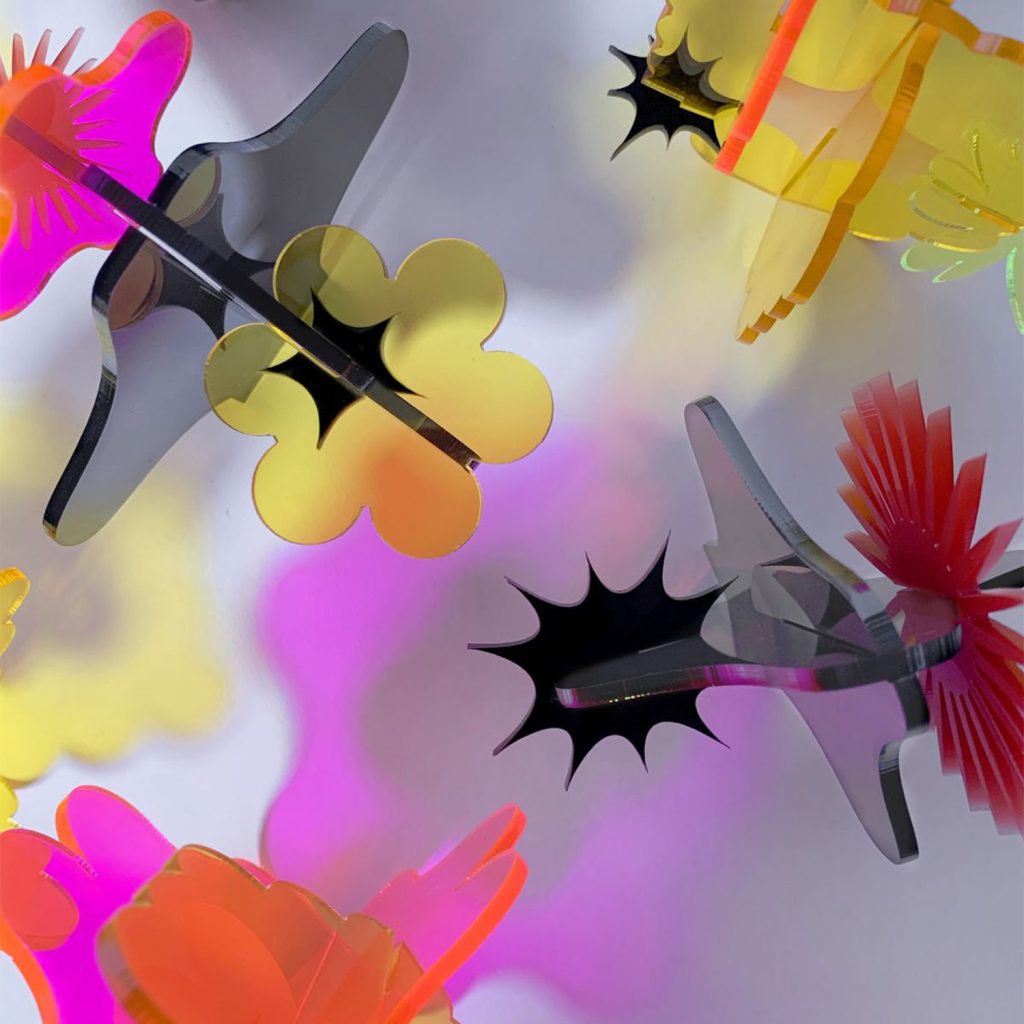
Our CO2 lasers are designed to engrave, mark, and cut a wide variety of materials (plastic, wood, stone, leather, metal, glass, etc.) and shapes.
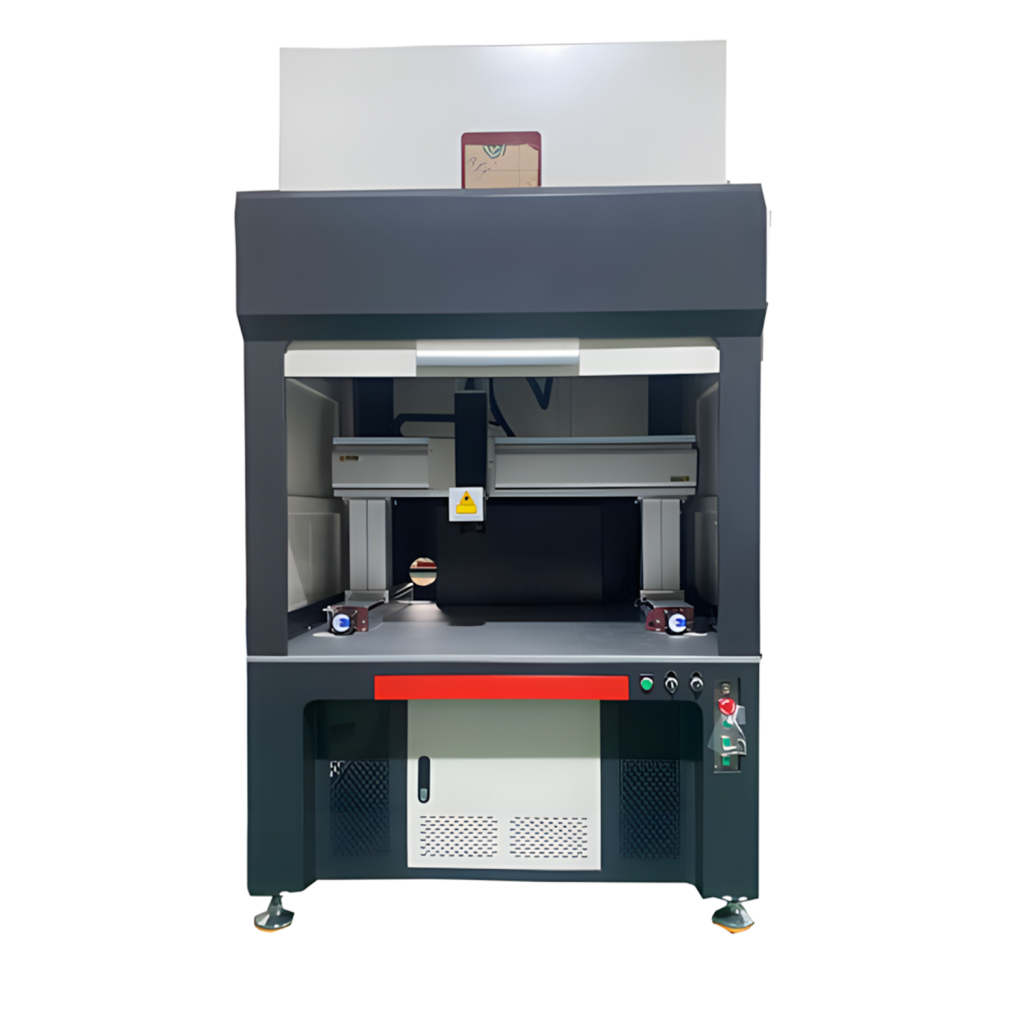
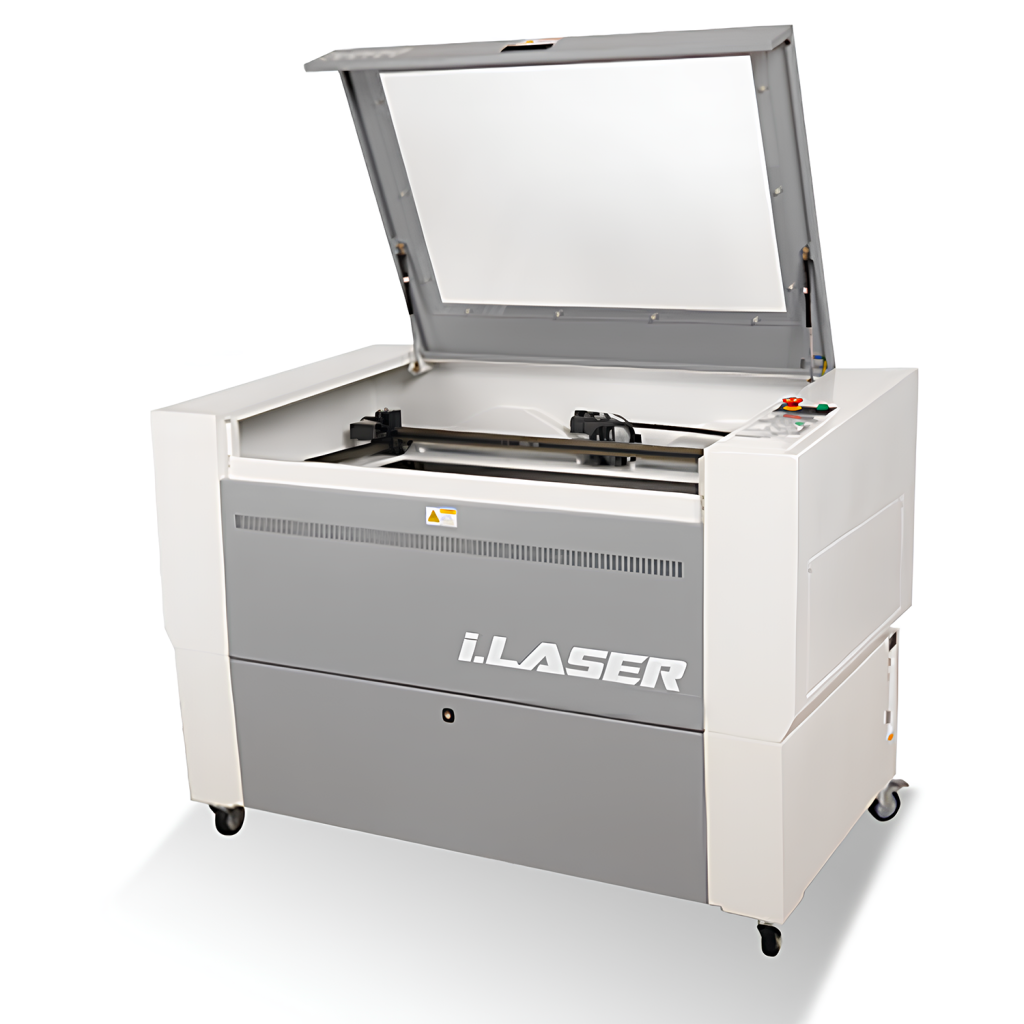
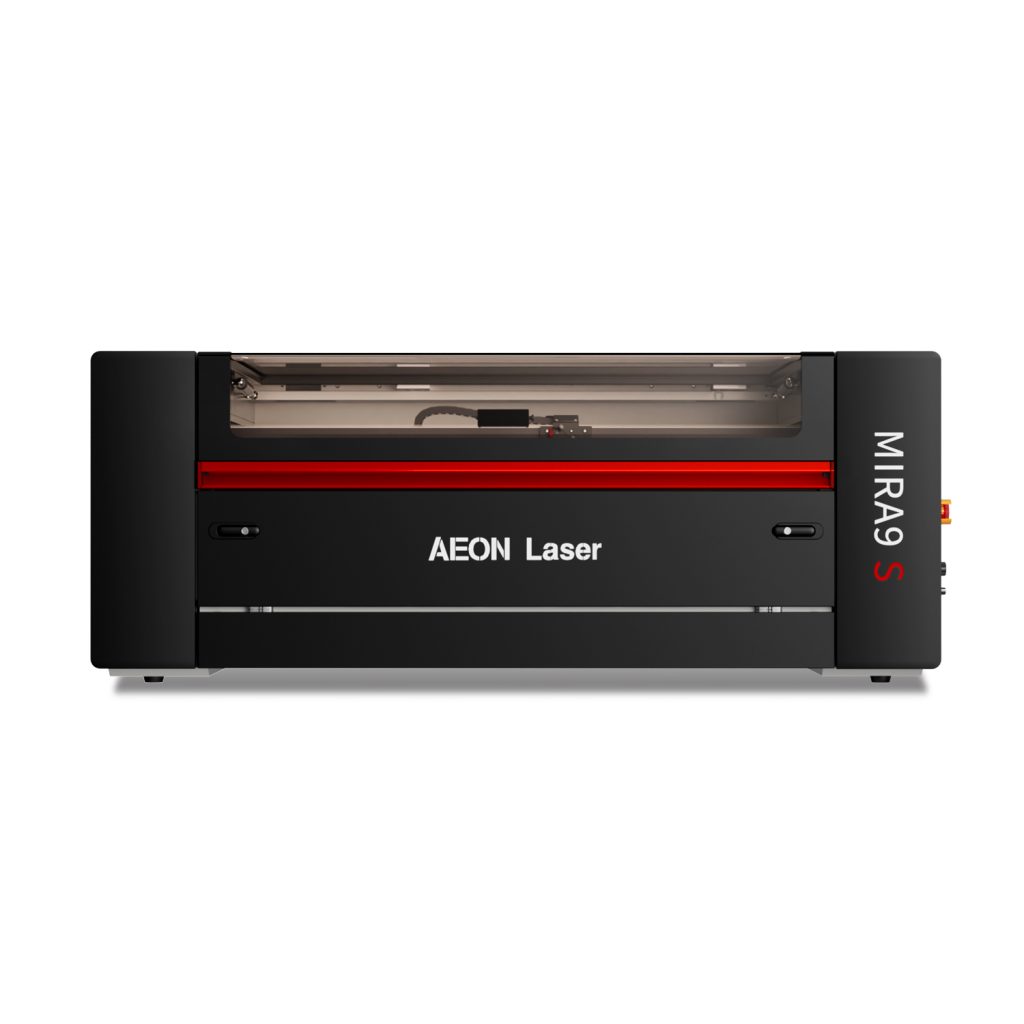
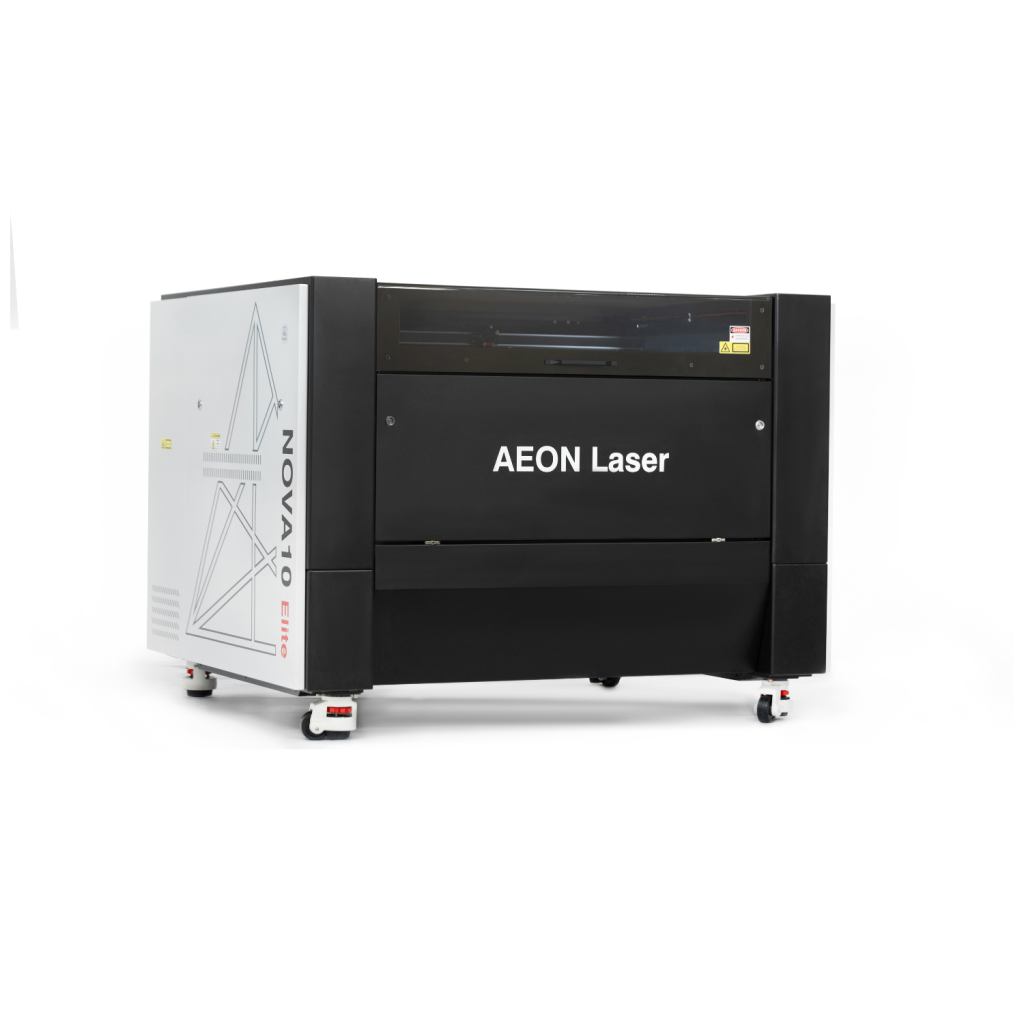
We market RF tube lasers, glass tube lasers, and galvanometer station lasers, each offering unique advantages that meet the diverse needs of our clientele.
Glass tube lasers: more economical, they offer high power and are particularly suitable for cutting materials such as wood, acrylic, or leather. They are also perfect for those seeking an excellent price-quality ratio with reliable performance for various engraving tasks.
RF tube lasers: They stand out for their great durability and exceptional precision. Due to their design, they ensure better stability and a longer service life, ideal for intensive industrial use and applications requiring clean, fast cutting.
Galvanometer station lasers: They distinguish themselves by their capacity for instant, ultra-fast, and precise marking or engraving on surfaces of various materials. Perfectly suited for the automotive, aeronautical, medical, and defense sectors (engraving serial numbers, barcodes, QR codes, or marking electronic components).
Our lasers are perfectly adapted to your requirements!
Our range of CO2 laser engraving and cutting machines


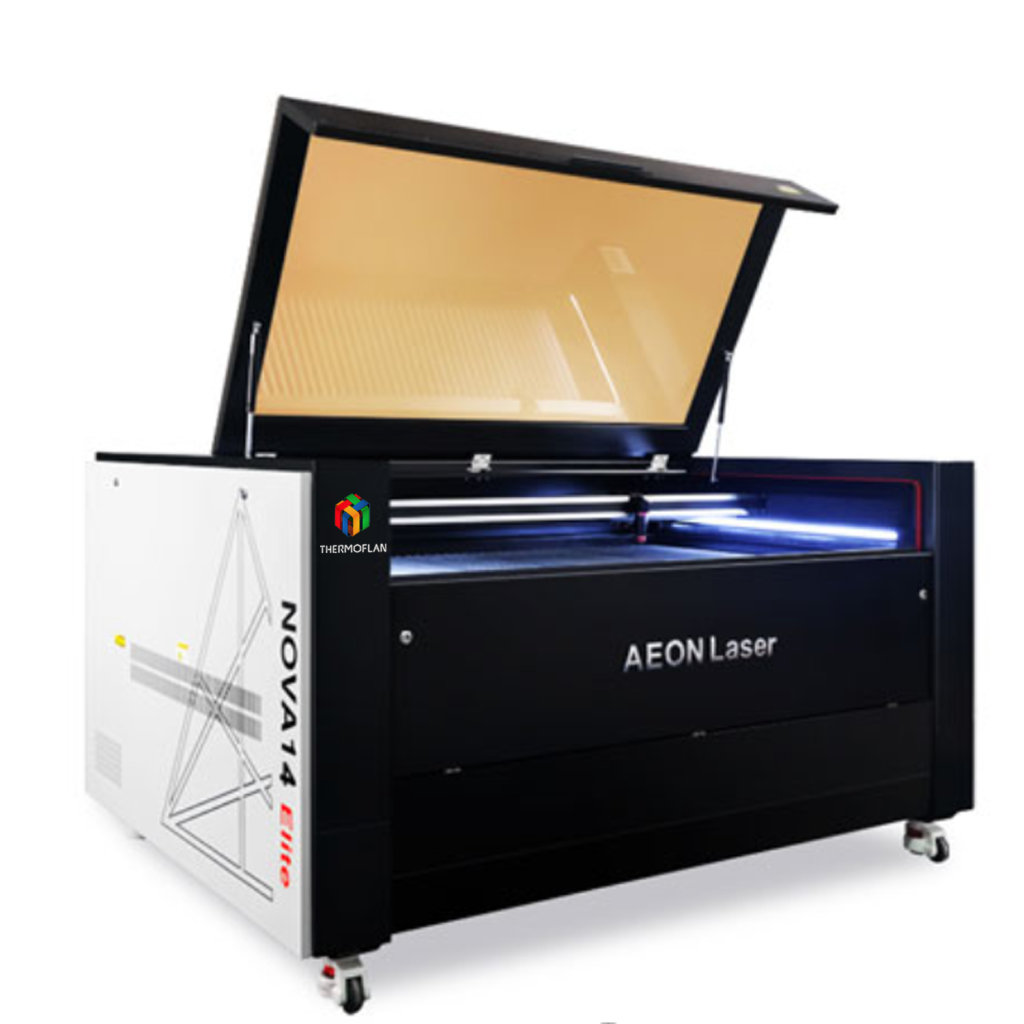

How does a CO2 laser engraver or cutter work?
A CO2 laser is a powerful tool that uses a laser beam to engrave, mark, or cut various materials, with a process that follows several essential steps:
Laser Beam Generation
- A tube filled with carbon dioxide (CO2) and other gases is electrically excited.
- This produces an infrared beam of a specific wavelength.
Beam Transmission and Focusing
- The beam is directed by mirrors toward a laser head equipped with a focal lens.
- The lens concentrates the beam into a very precise point.
Interaction with the Material
- Marking: the beam heats and alters the surface, causing carbonization that creates a visual contrast between the original color and the one obtained after marking.
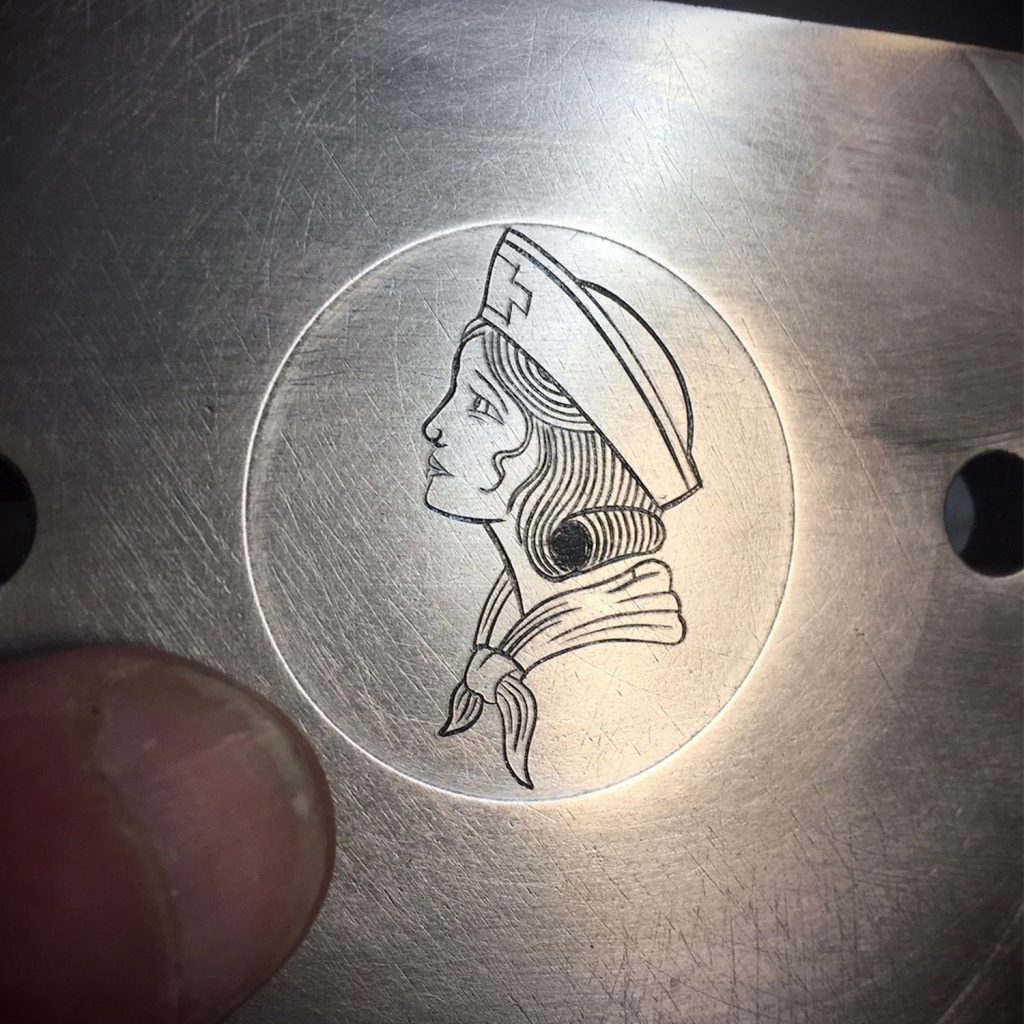
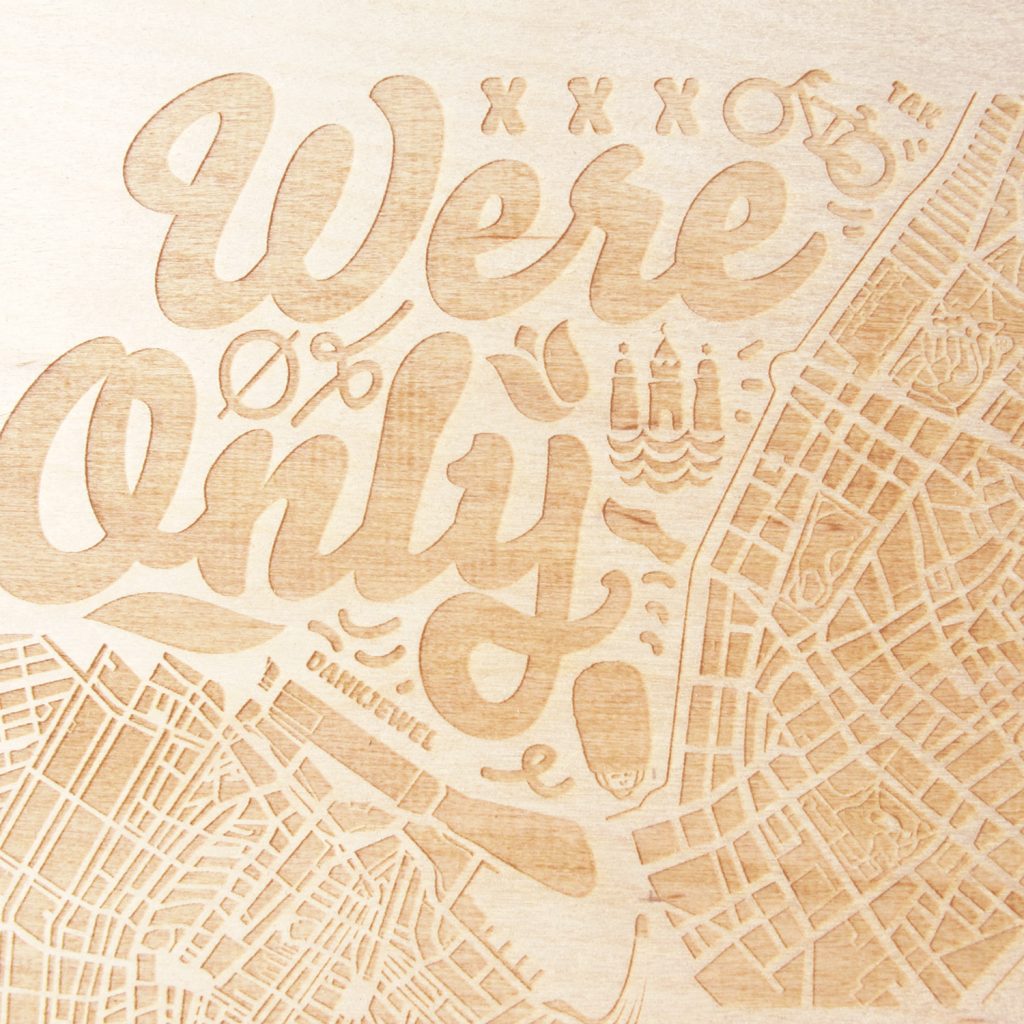
- Engraving: the beam heats and carves into the material surface, removing a thin layer to form a precise and durable pattern.
- Cutting: the beam heats and cuts completely through the material with precision and quality.
Residue Removal and Cooling
- An extraction system removes fumes and particles.
- A cooler (water or air) prevents the laser tube from overheating.
Laser marking

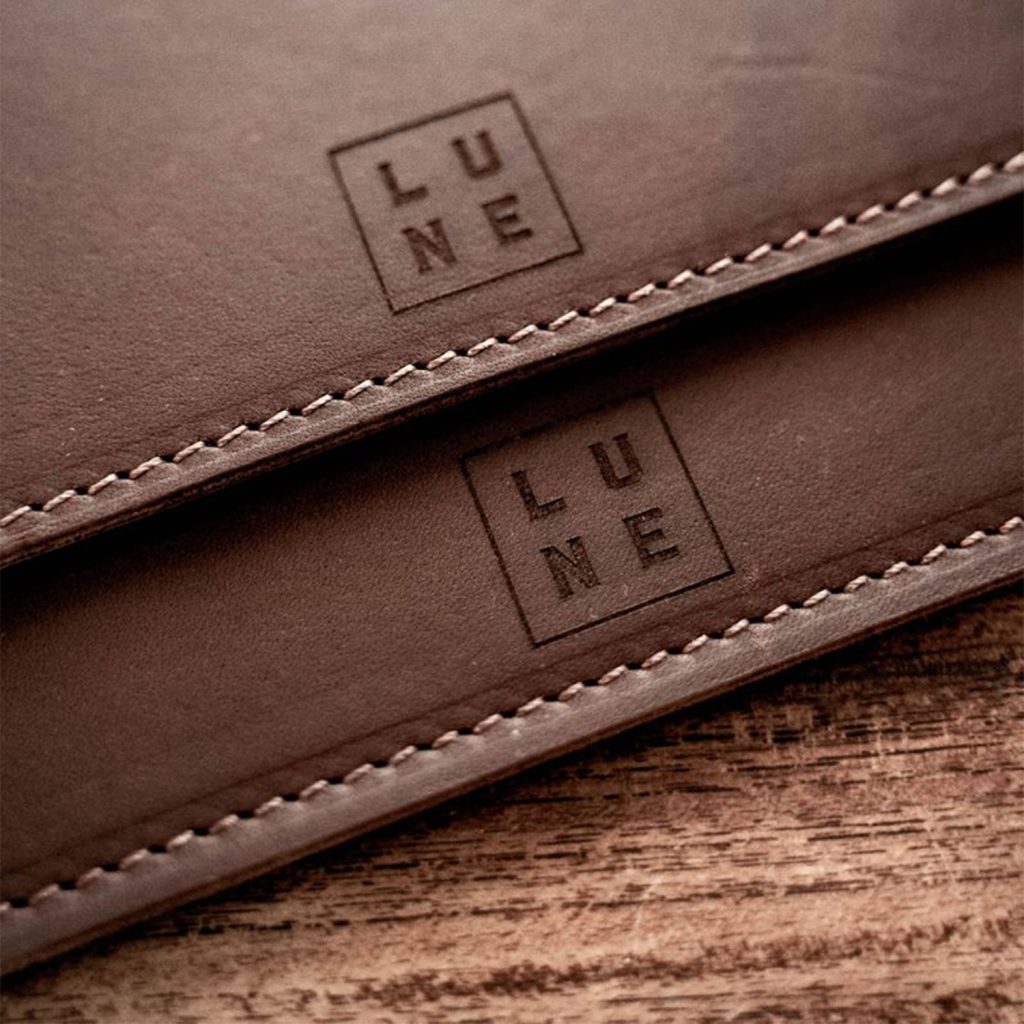
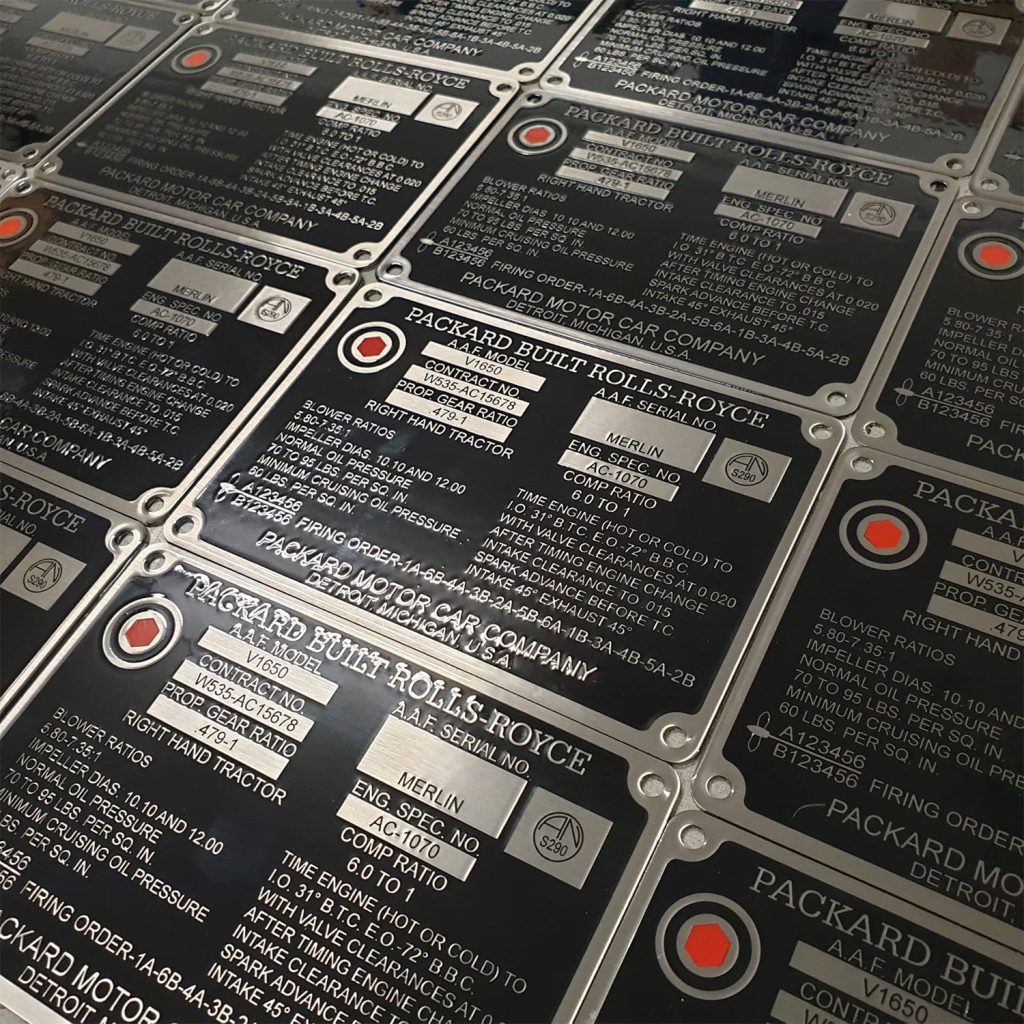
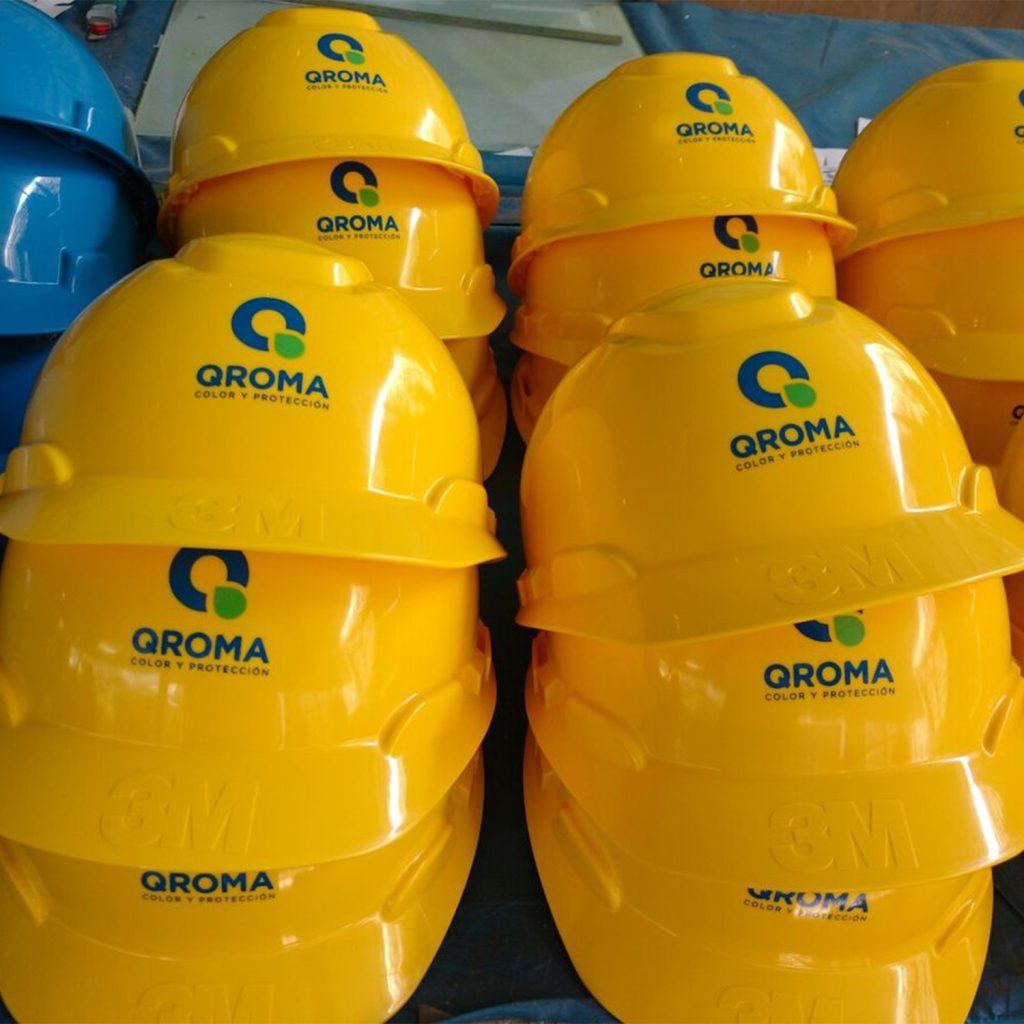
This technique consists of burning the surface of the material, causing carbonization that creates a visual contrast between the original color and the one obtained after marking. This method is often used to ensure part traceability, increment serial numbers, or add references.
Laser engraving

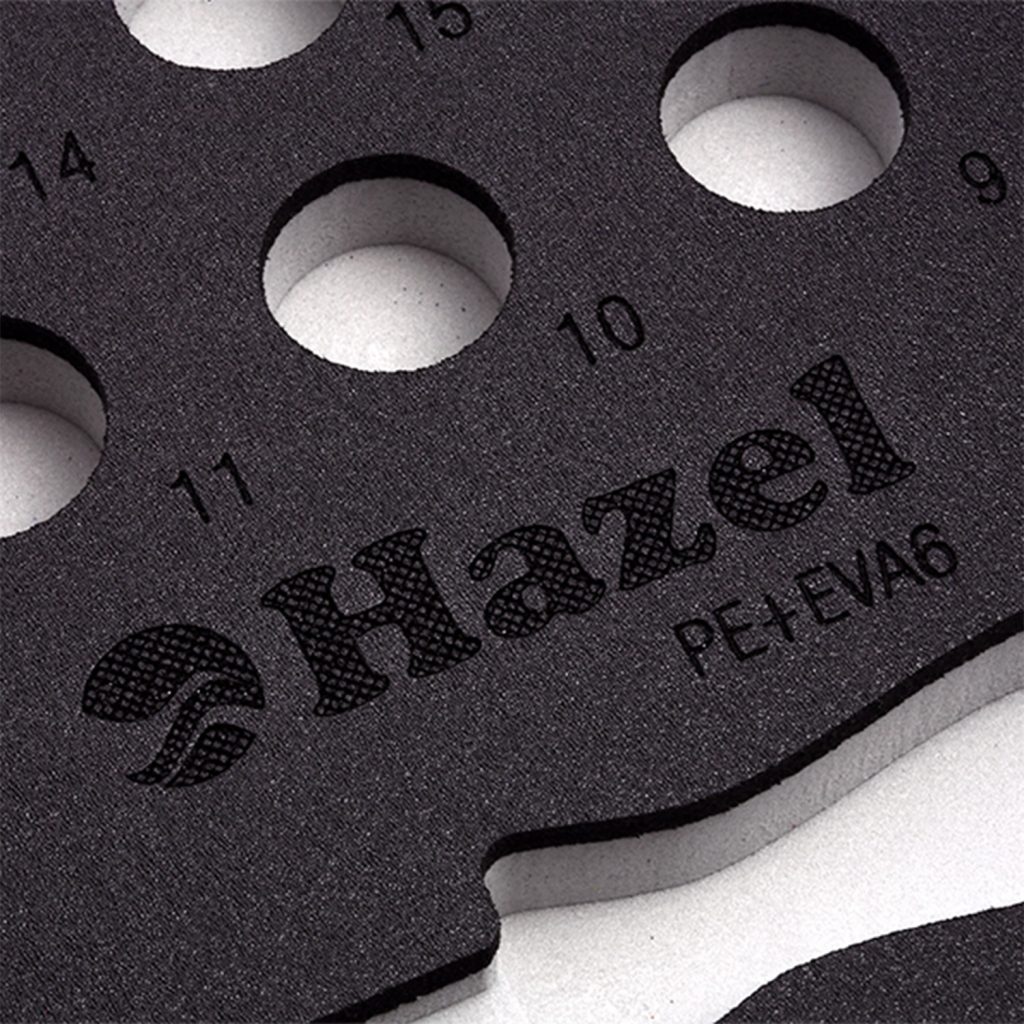
In this process, the laser carves into the surface of the material, removing a thin layer to form a pattern. This allows for detailed engravings on plates or other surfaces, offering precise and durable personalization.
Laser cutting

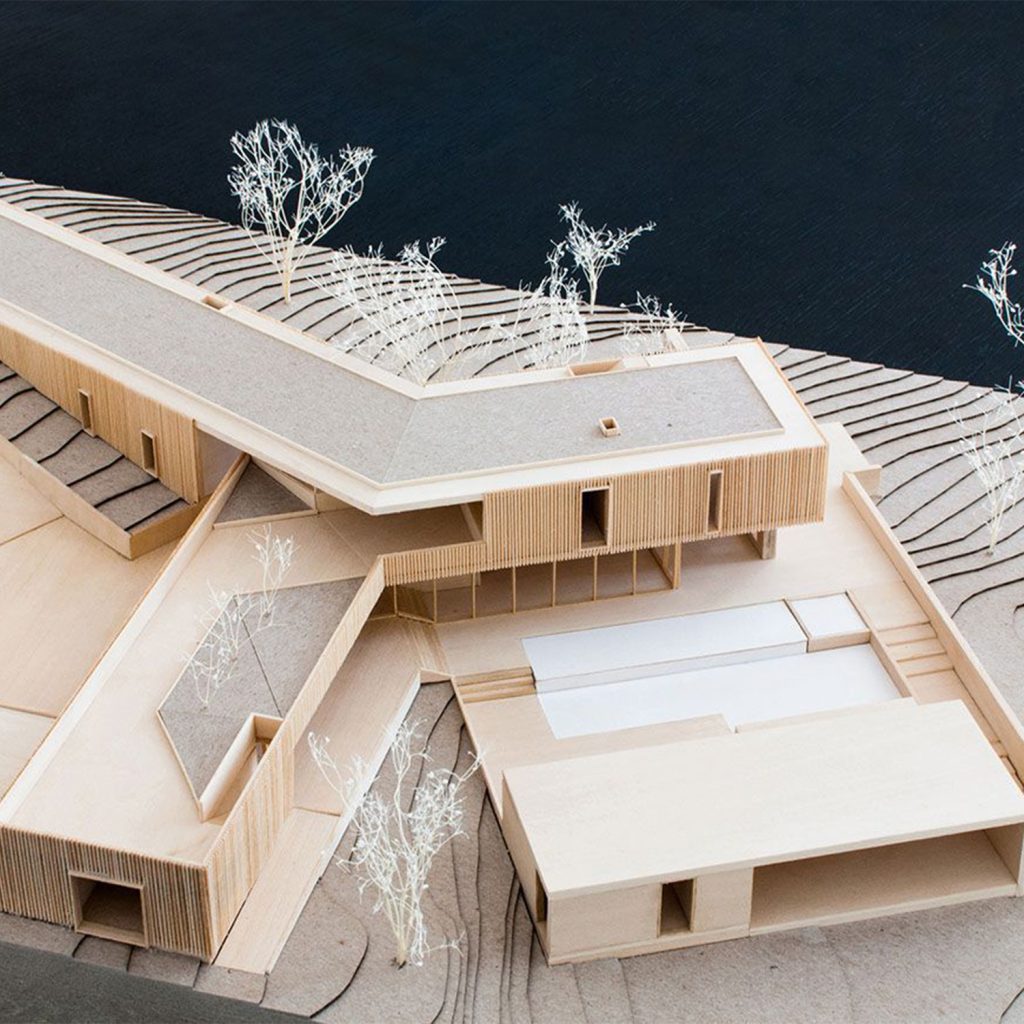
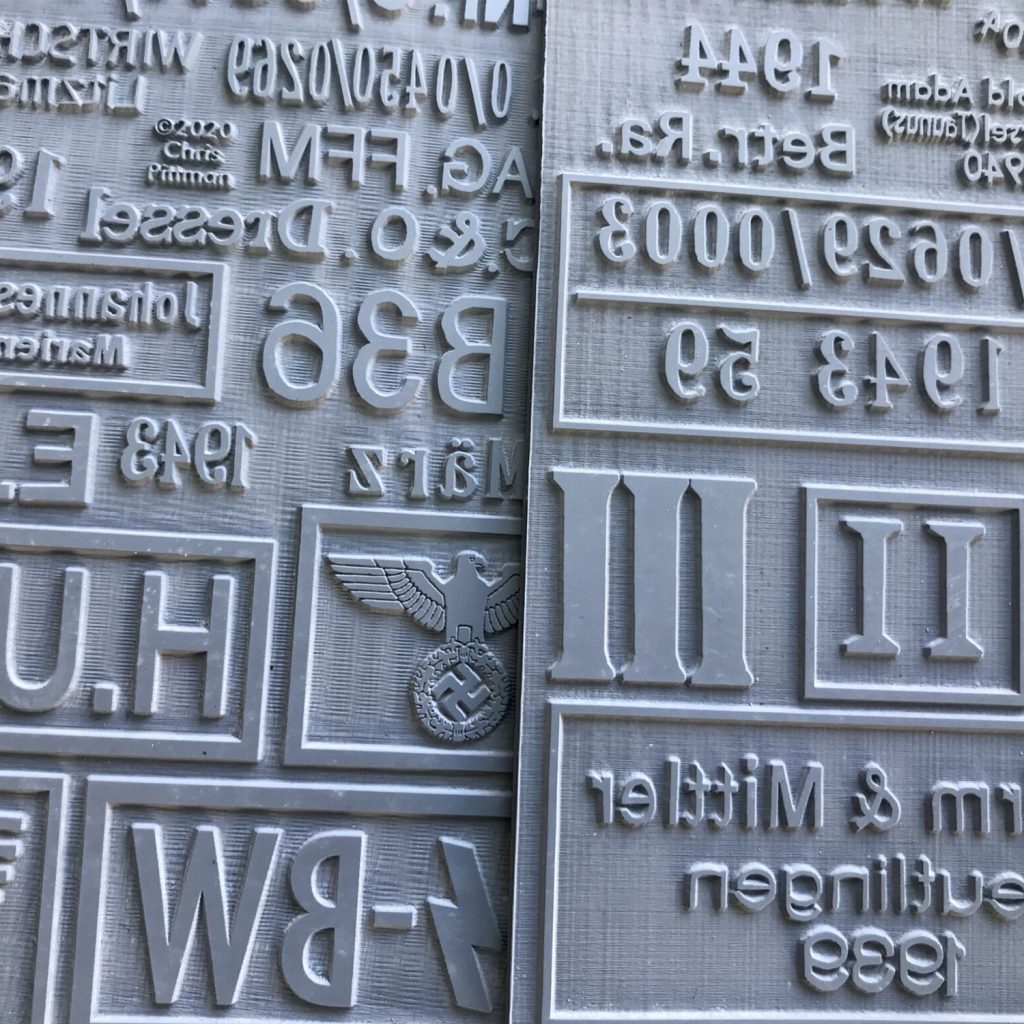
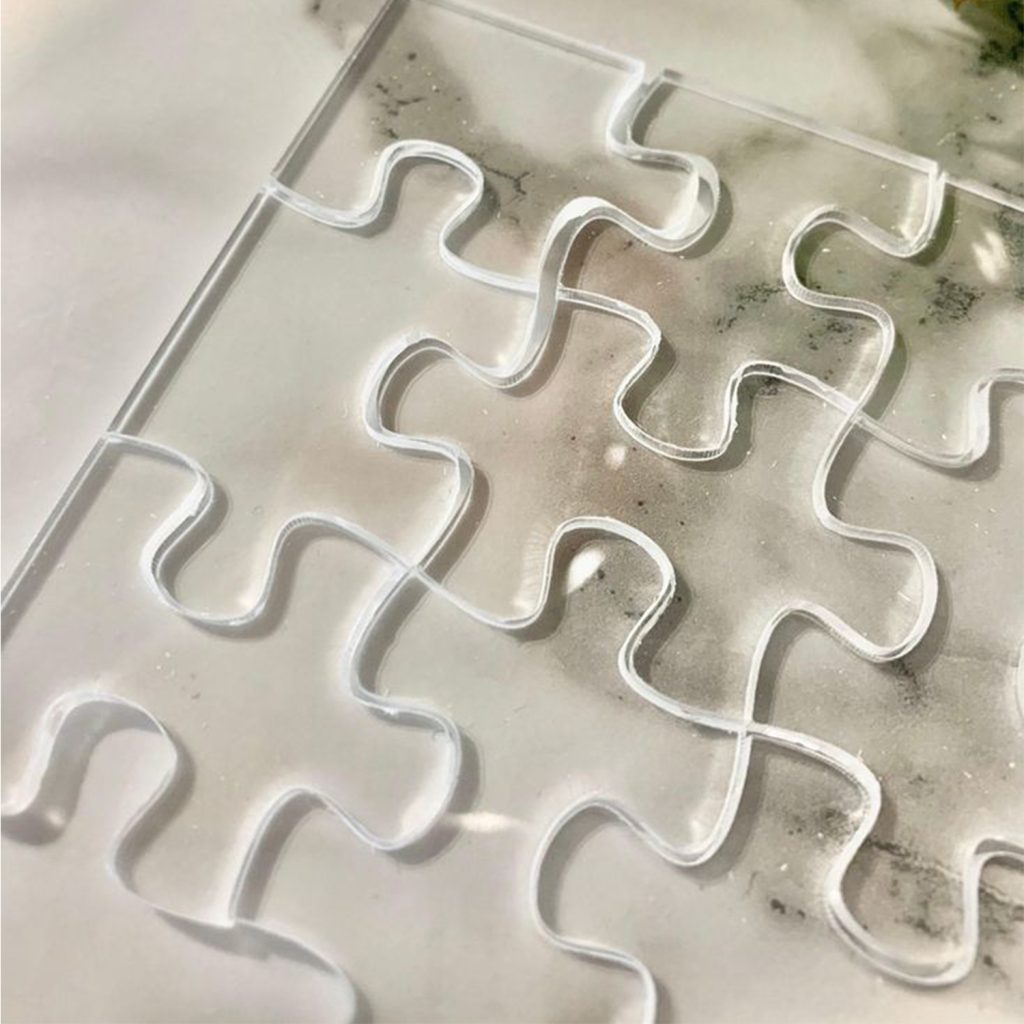
Laser cutting involves completely piercing the material with a very fine laser beam (about 100 microns). This technique offers high precision and superior cutting quality for various applications such as model making, cutting gaskets, or paper for invitations….