





View all news
AlumaJet
From: 197 €
AlumaJet is a ready-to-use anodized aluminum sheet designed for direct color printing using a water-based inkjet printer, without the need for prior treatment.
It offers high image quality with a vibrant finish while maintaining the durability and premium appearance of aluminum.
Ideal for quick, durable, and customized creations, AlumaJet is available in A4 and A3 formats with a Satin Silver finish, 0.30 mm thick.
Number of colours:
Multicolor
Shape:
Relatively flat shape
Quantity:
Single
Series
Materials:
Discover...
Technical sheet
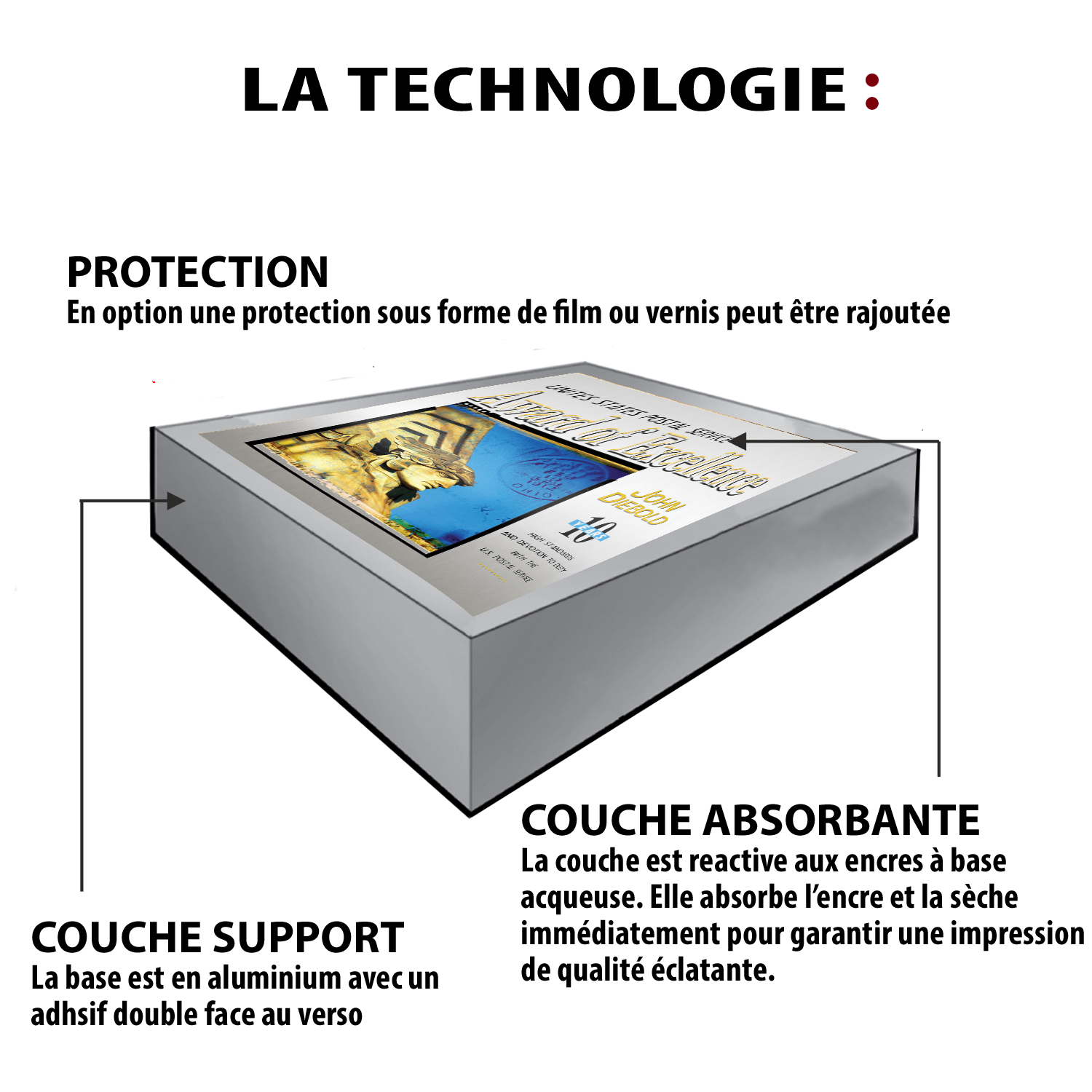
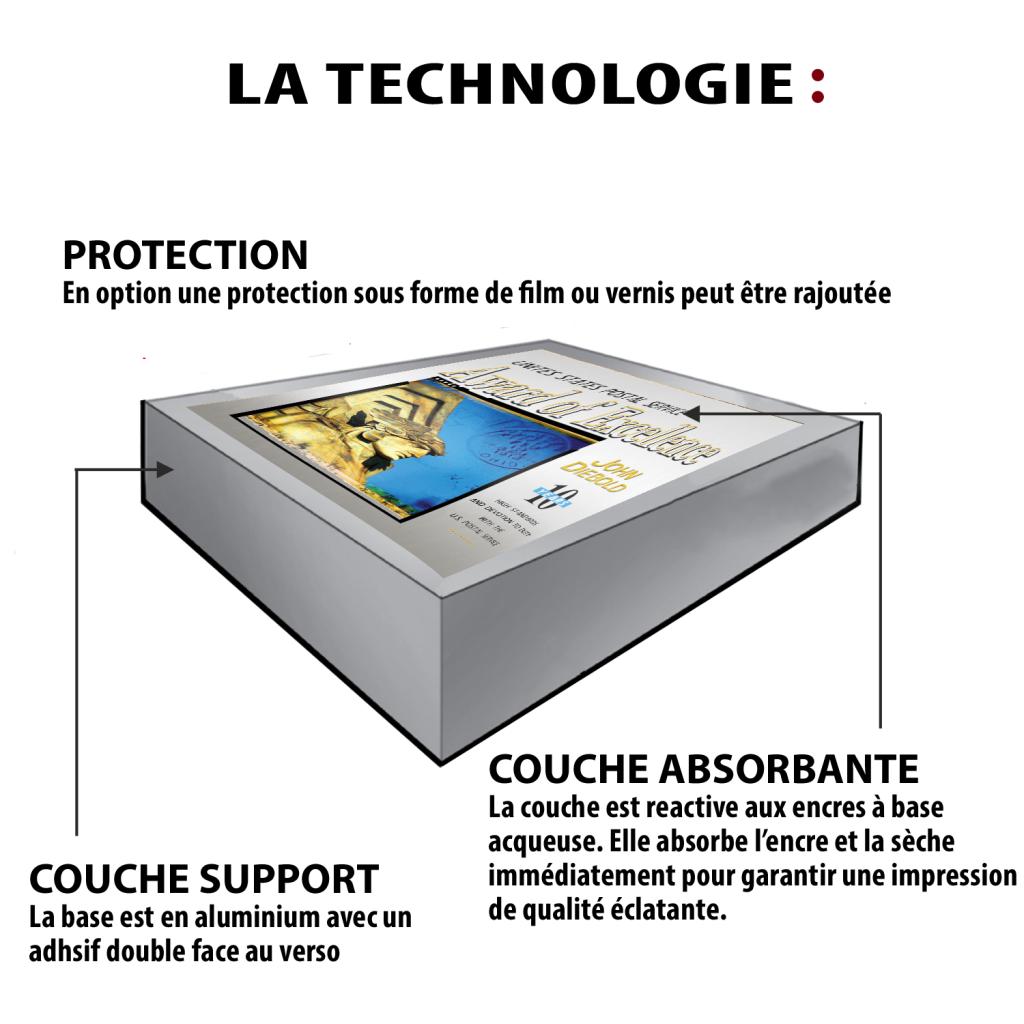
AlumaJet is an anodized aluminum medium treated with a special absorbent coating designed to optimize ink adhesion for inkjet printers.
This technology combines durability, precision, and ease of use, providing a high-performance alternative to traditional photo paper printing.
To produce prints on Alumajet:
– Alumajet aluminum plate.
– Water-based inkjet printer to print the visual (text, barcode, image, etc.) onto the Alumajet plate.
– For increased durability and in cases where the plate is exposed to environmental stresses such as humidity, sunlight, or chemicals, a protective film or varnish may be applied.
– Shears or a corner rounder to cut the plates to size or create labels.
– Standard double-sided adhesive on the back for quick attachment to surfaces.
Features:
Material type
Anodized aluminum coated with an absorbent layer
3M 467 adhesive on the back
Color / Finish
Sheets: Satin Silver
Thicknesses
Sheets: 0.30 mm
Formats
A4 and A3 sheets
Accessories available with this product

ID-Mark protective film and varnish

DM 457 Guillotine Cutter

Corner rounder

DM 9001 Guillotine cutter
Examples of applications using this product
Find out what this product can be used for.
FAQ on AlumaJet
What are the advantages of AlumaJet?
The AlumaJet offers numerous advantages that make it a powerful and adaptable solution for various needs:
- Economical: Works with standard inkjet printers on the market, representing a much more affordable investment than an industrial UV inkjet system.
- Direct (No Transfer): Unlike sublimation, printing is done directly onto aluminum. No transfer paper or heat press is necessary.
- As Simple as Paper: Implementation and rendering quality are almost identical to printing on photo paper.
- High Reliability (Even after shutdown): Compatible printers (with aqueous inks) can remain unused for several months and still deliver excellent results upon restart, without heavy maintenance.
Why use AlumaJet?
AlumaJet has established itself as an industry benchmark thanks to its ability to combine the nobility of aluminum and the simplicity of digital inkjet printing.
Here are the three main advantages that distinguish it from other transfer or engraving techniques:
Zero Investment and Maximum Simplicity
AlumaJet is used as intuitively as classic photo paper. It works directly with standard inkjet printers on the market (generally equipped with a straight paper path). You don’t need any heavy equipment, any development chemicals, or an expensive thermal transfer press.
Unmatched Reproduction Precision
This is AlumaJet’s strong point compared to screen printing or classic sublimation: its ability to reproduce microscopic details.
- Color Fidelity: Ideal for adhering to graphic charters and complex gradients.
- Extreme Fineness: Allows for absolute sharpness on vector graphics, bitmap images (photos) and very small texts (small print characters).
Common Applications
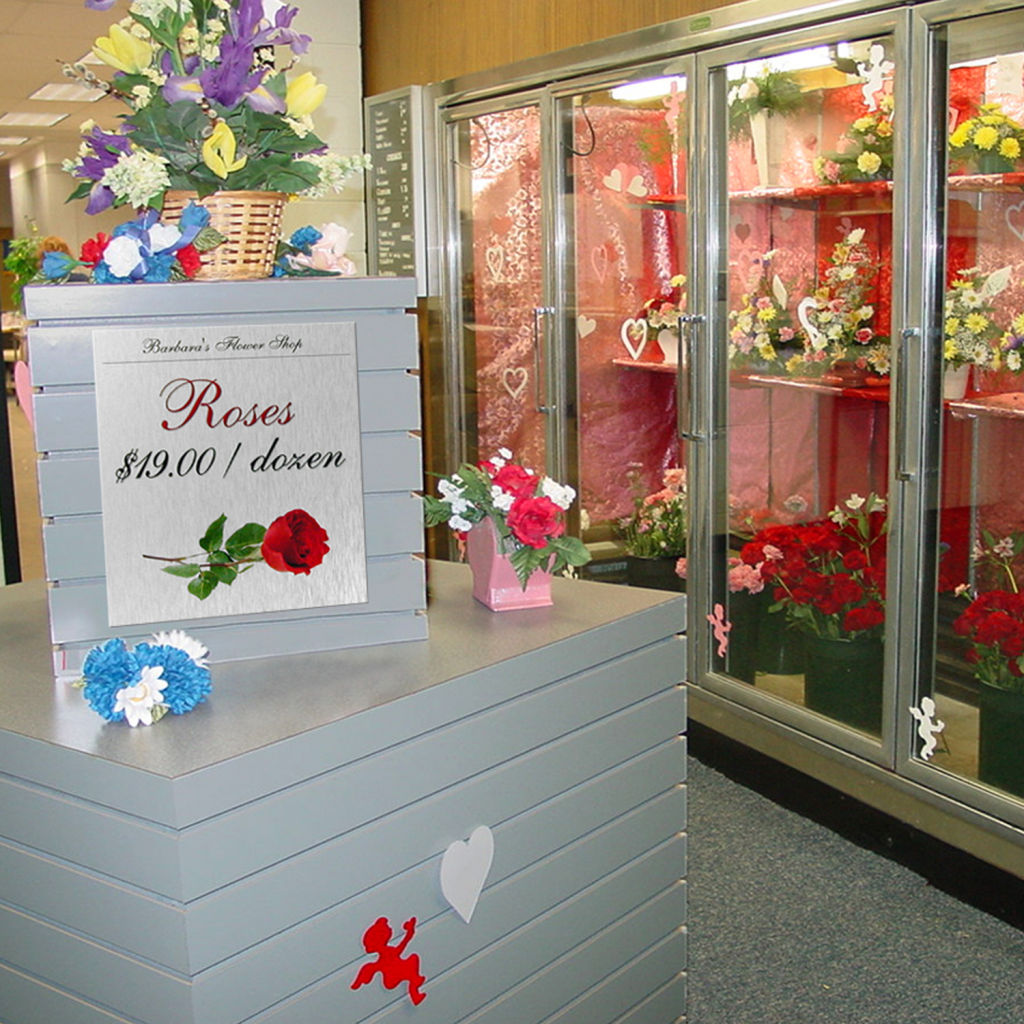
Thanks to this technical versatility, AlumaJet meets numerous needs in communication, industry, and events:
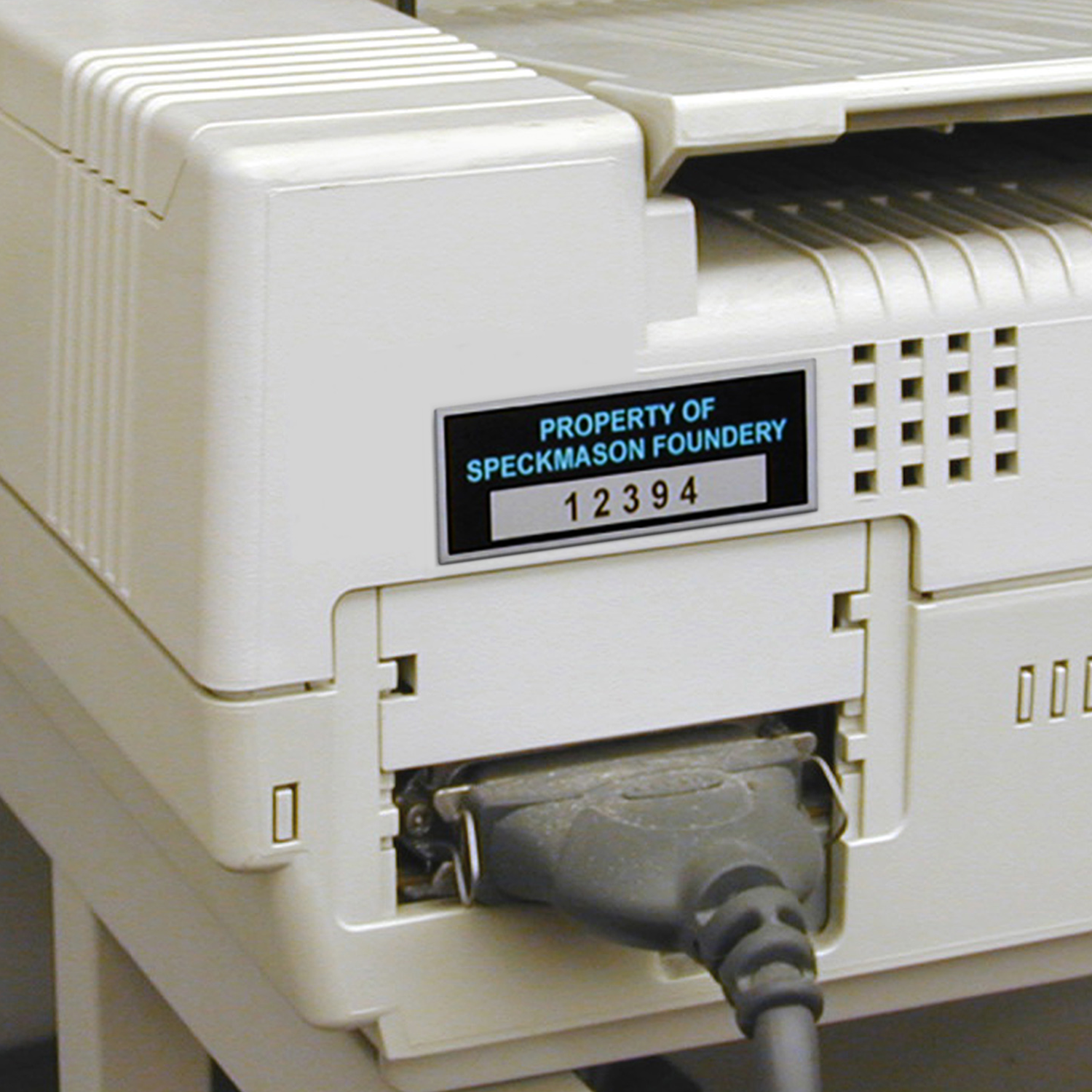
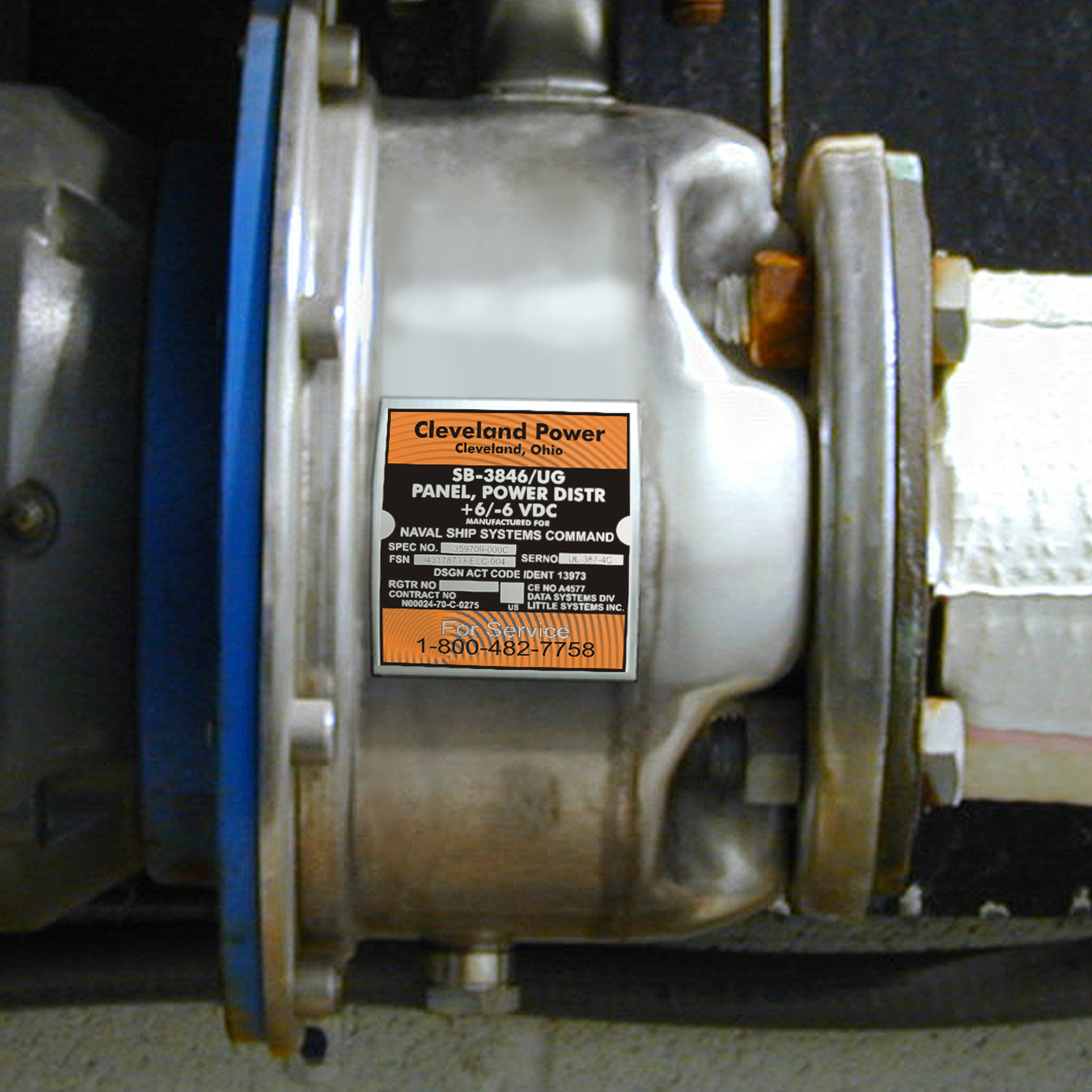
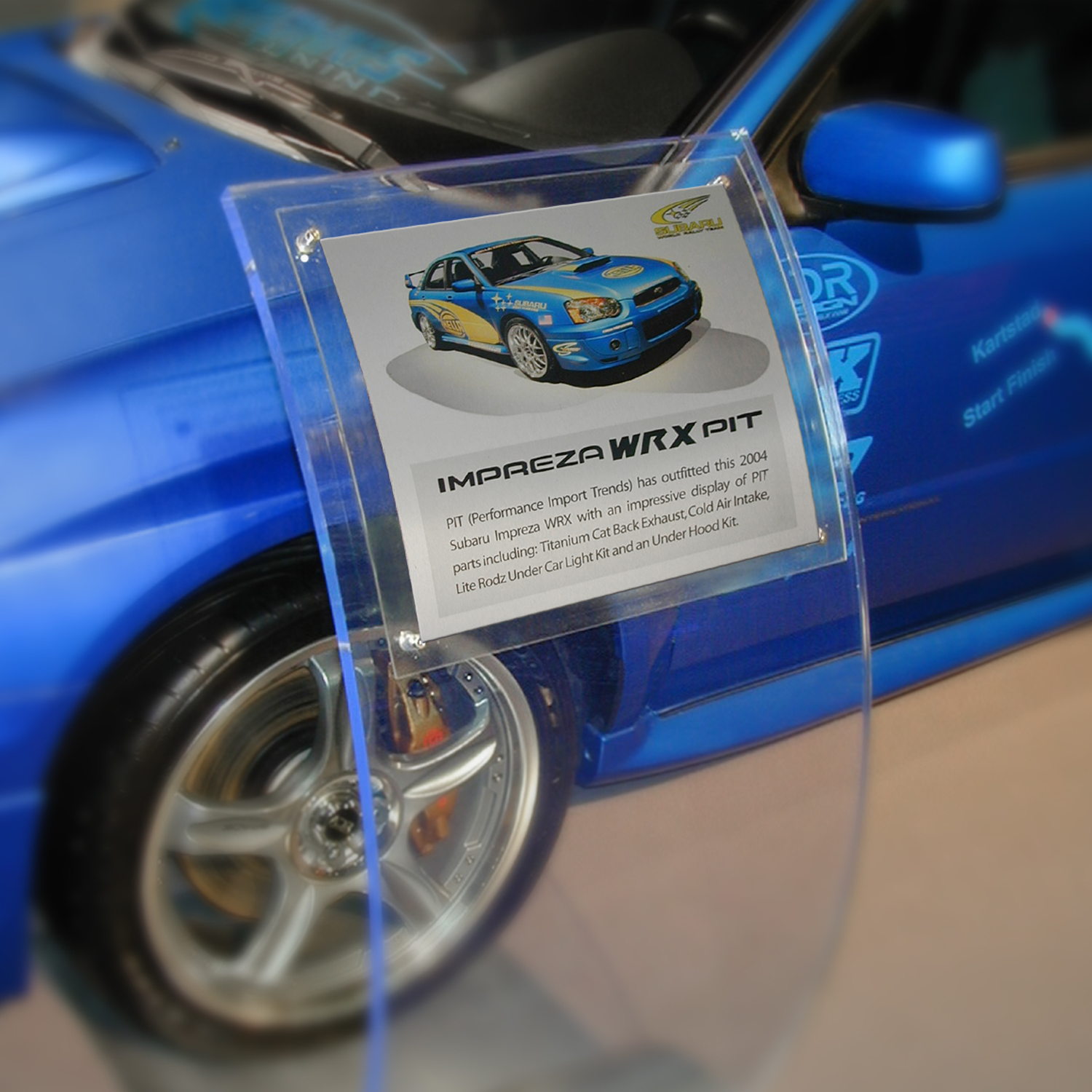
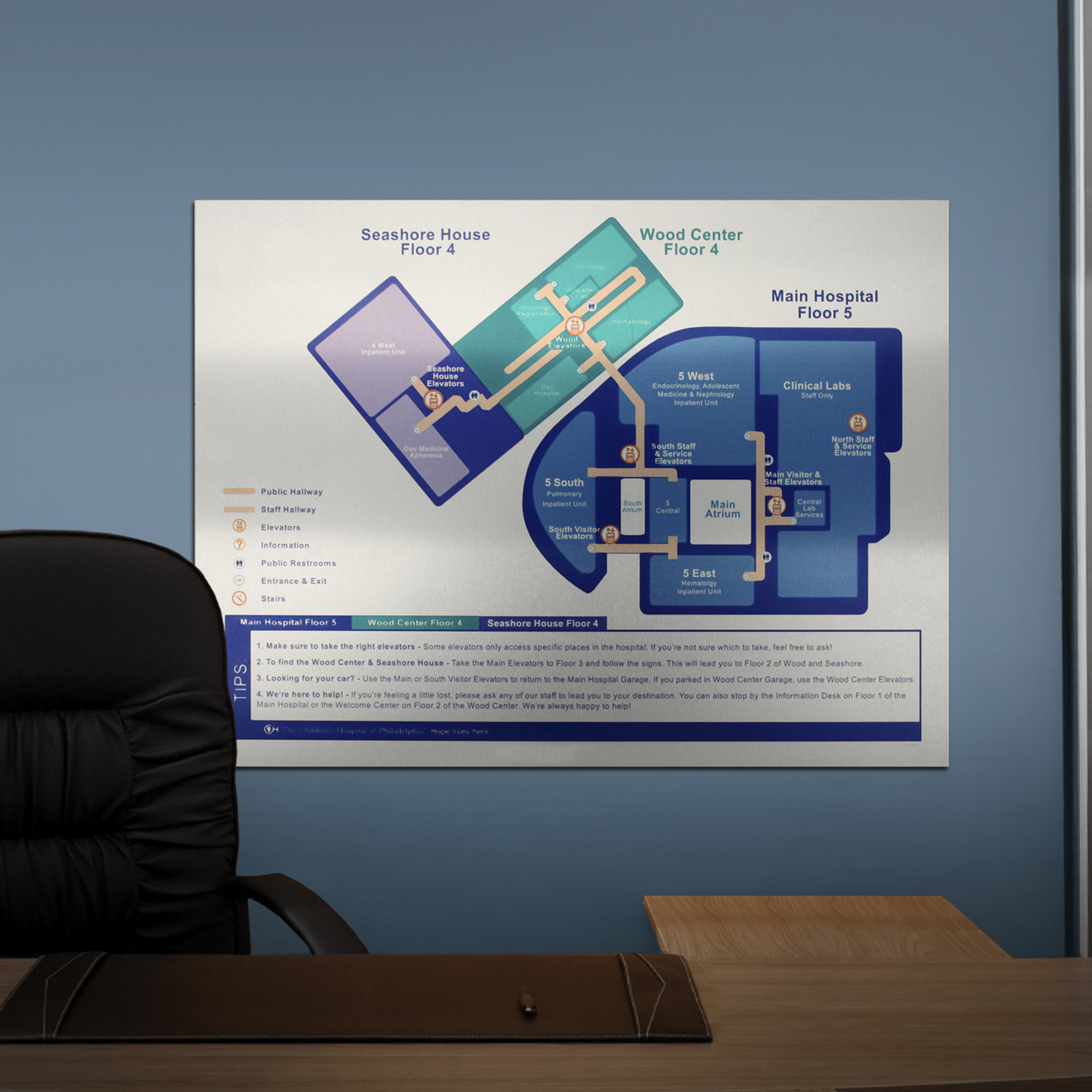
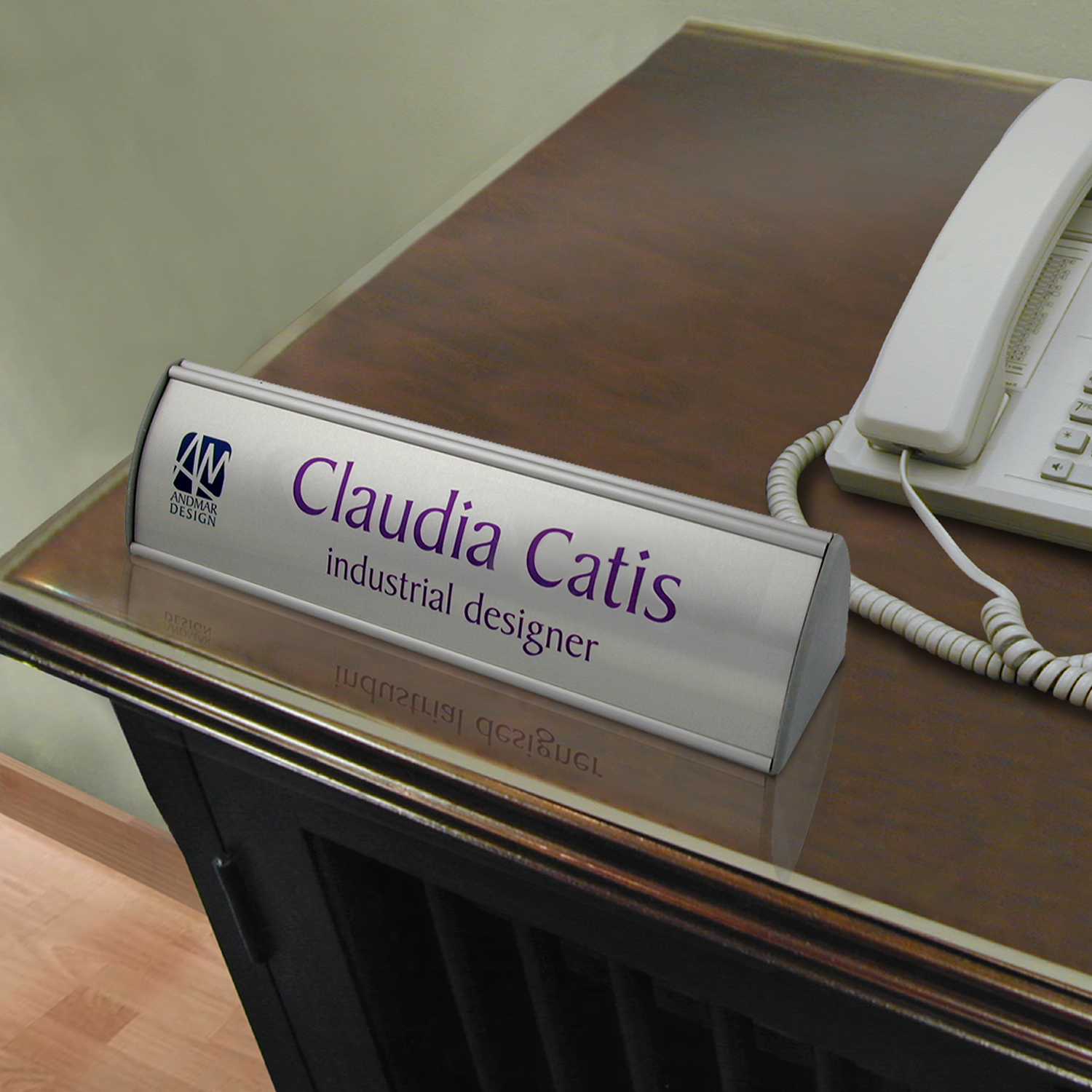
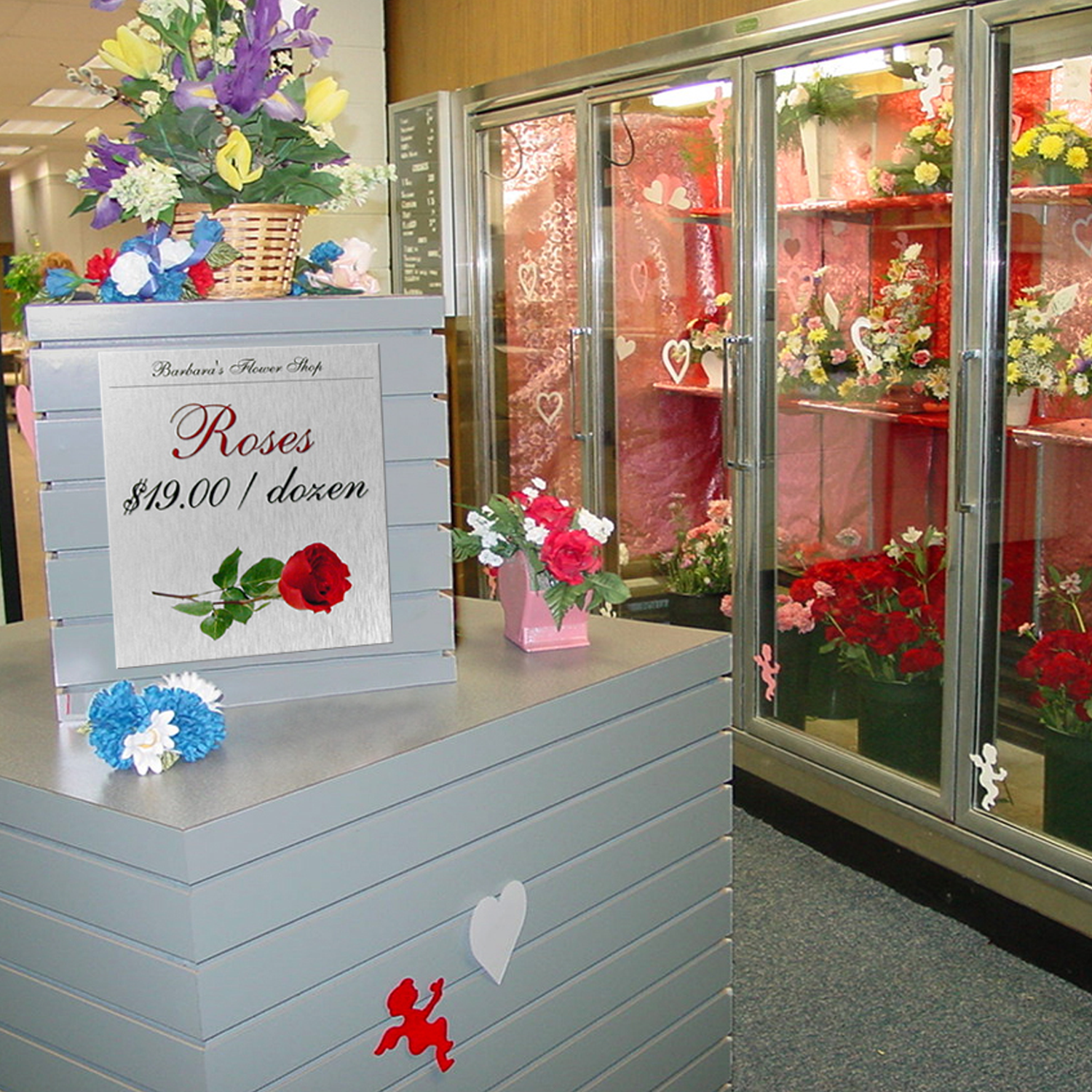
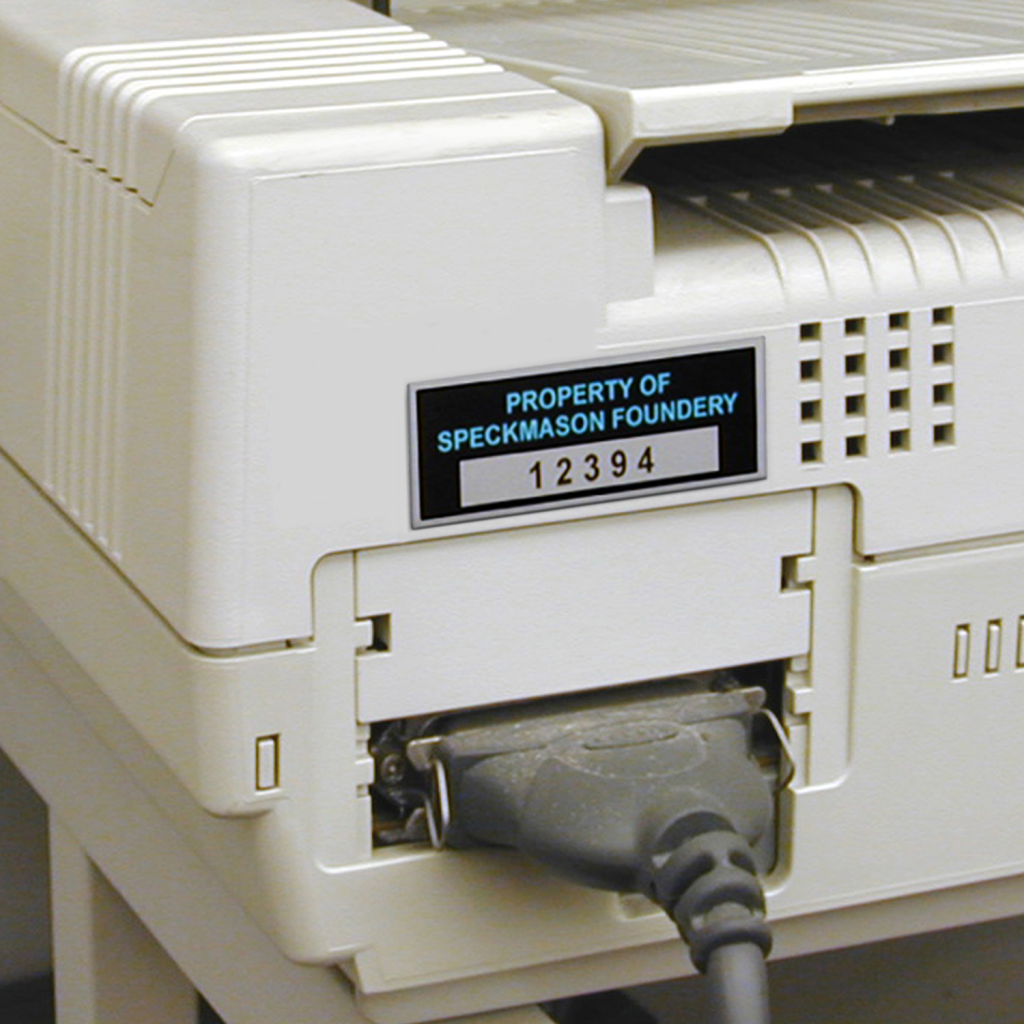
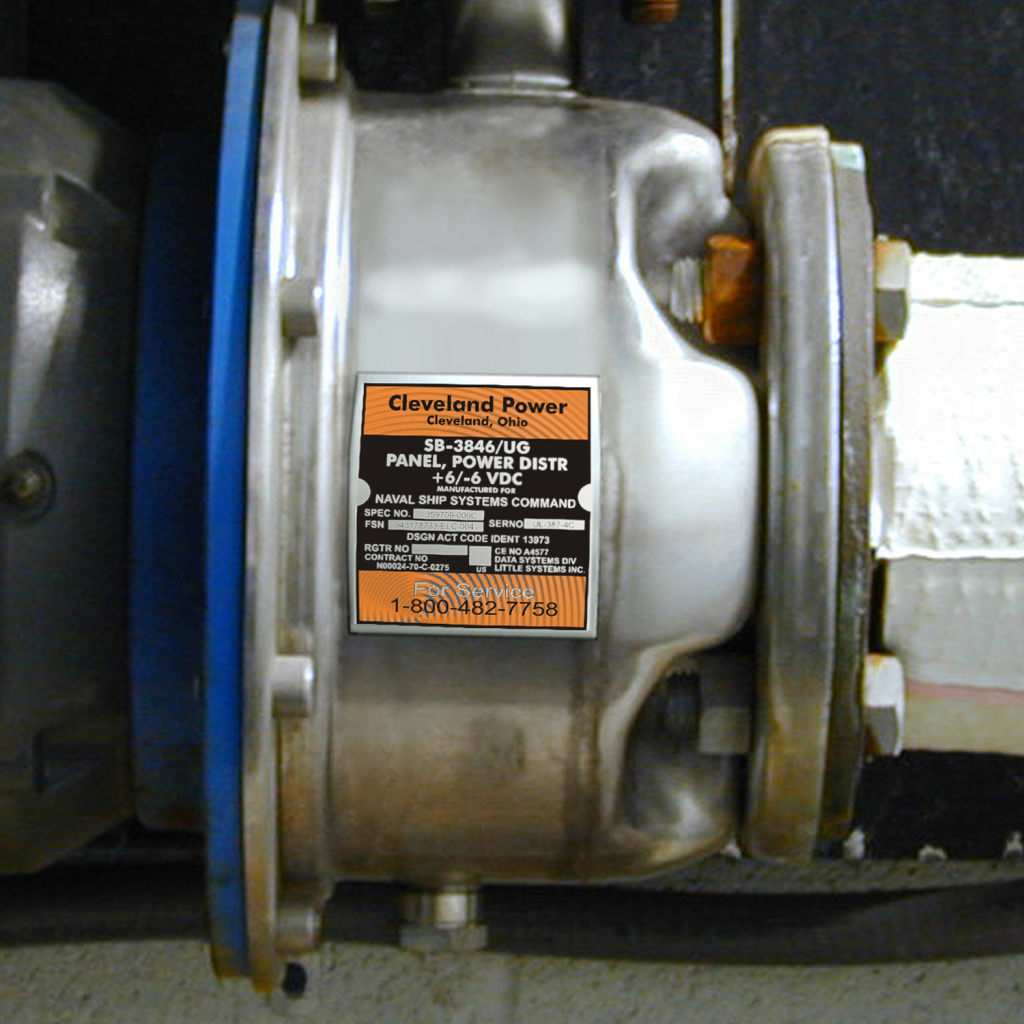
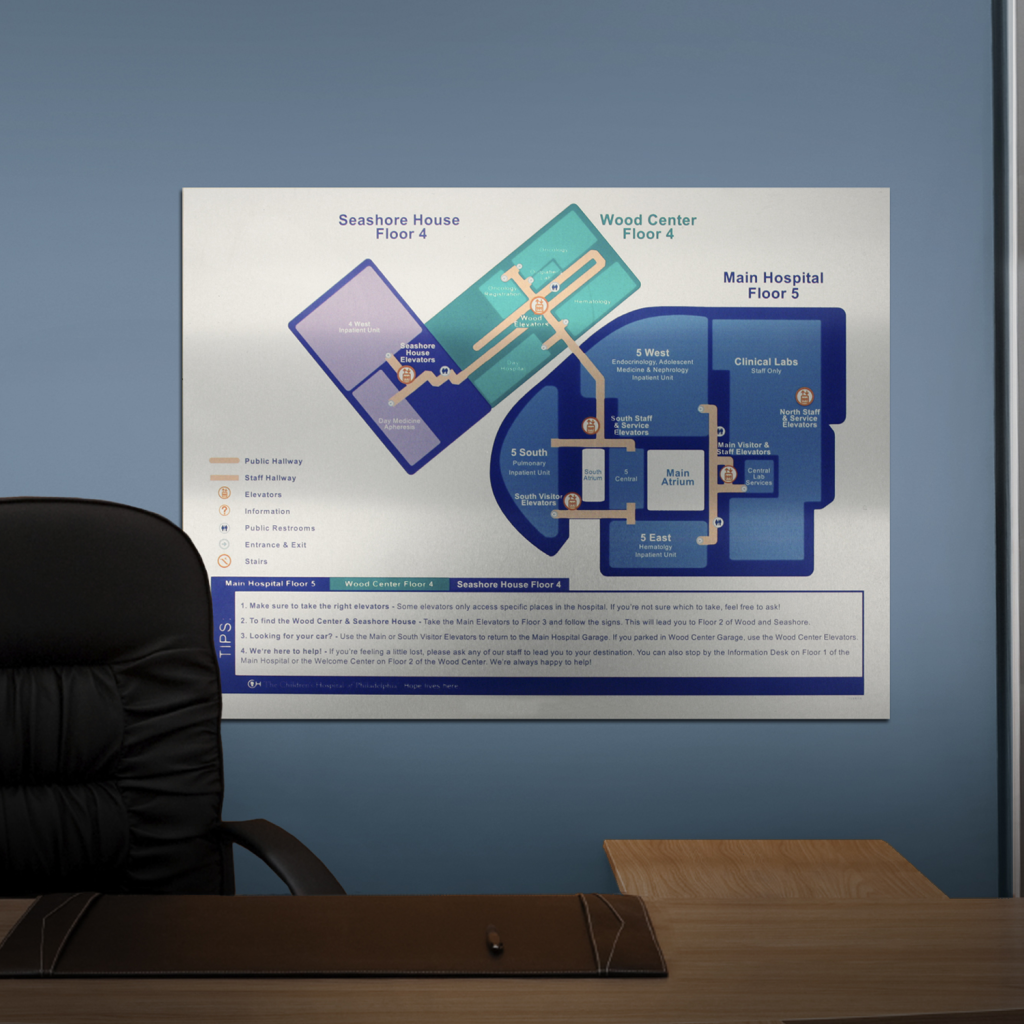
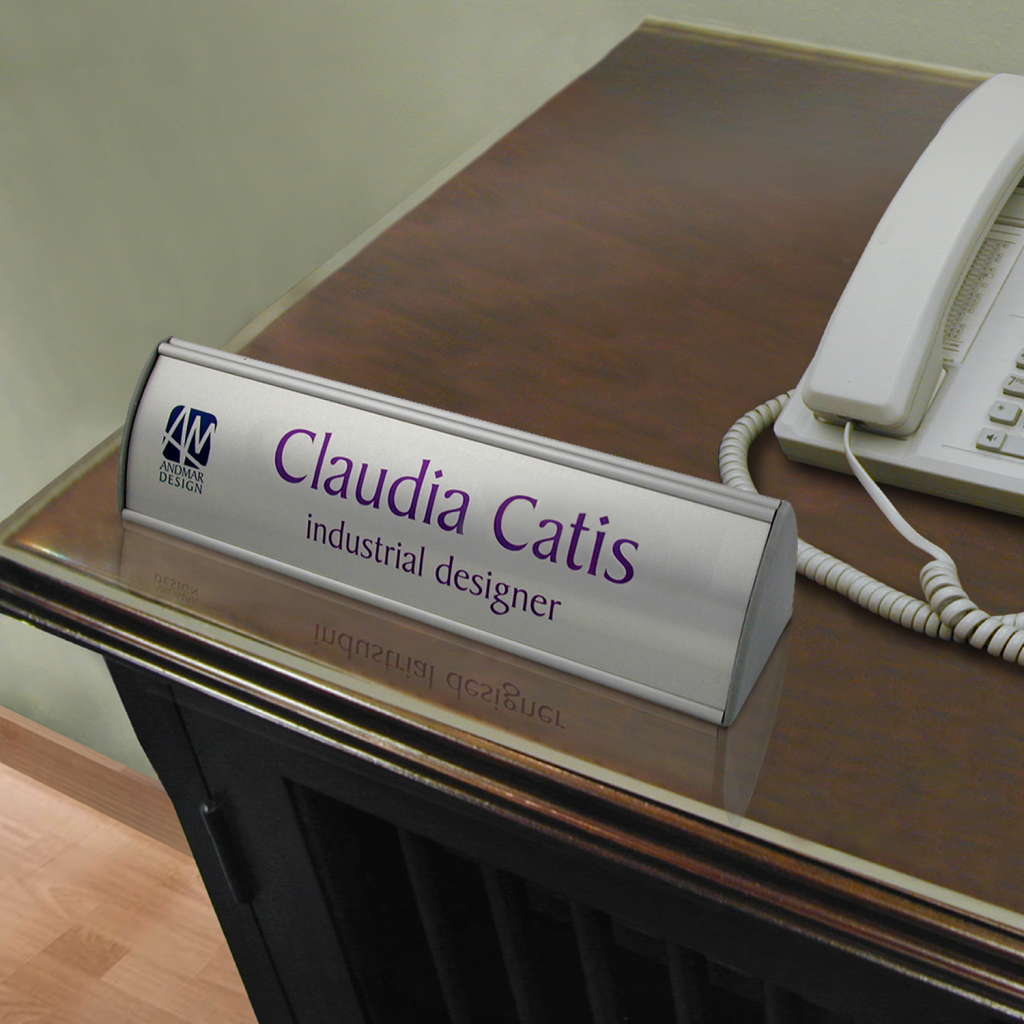
- Signage & Industrial Identification: Control panels, technical or wiring diagrams, product or equipment labels, nameplates and warning labels (safety).
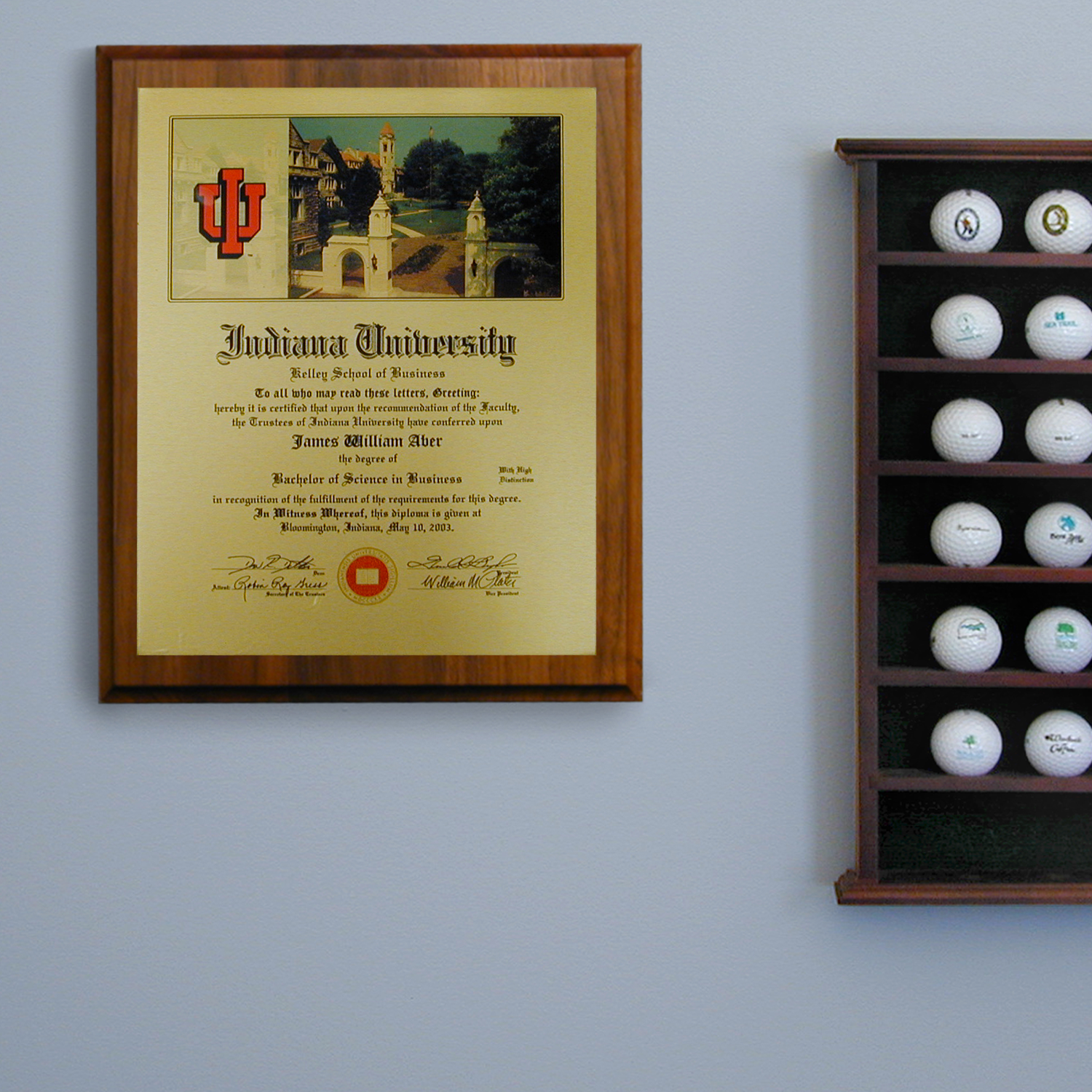
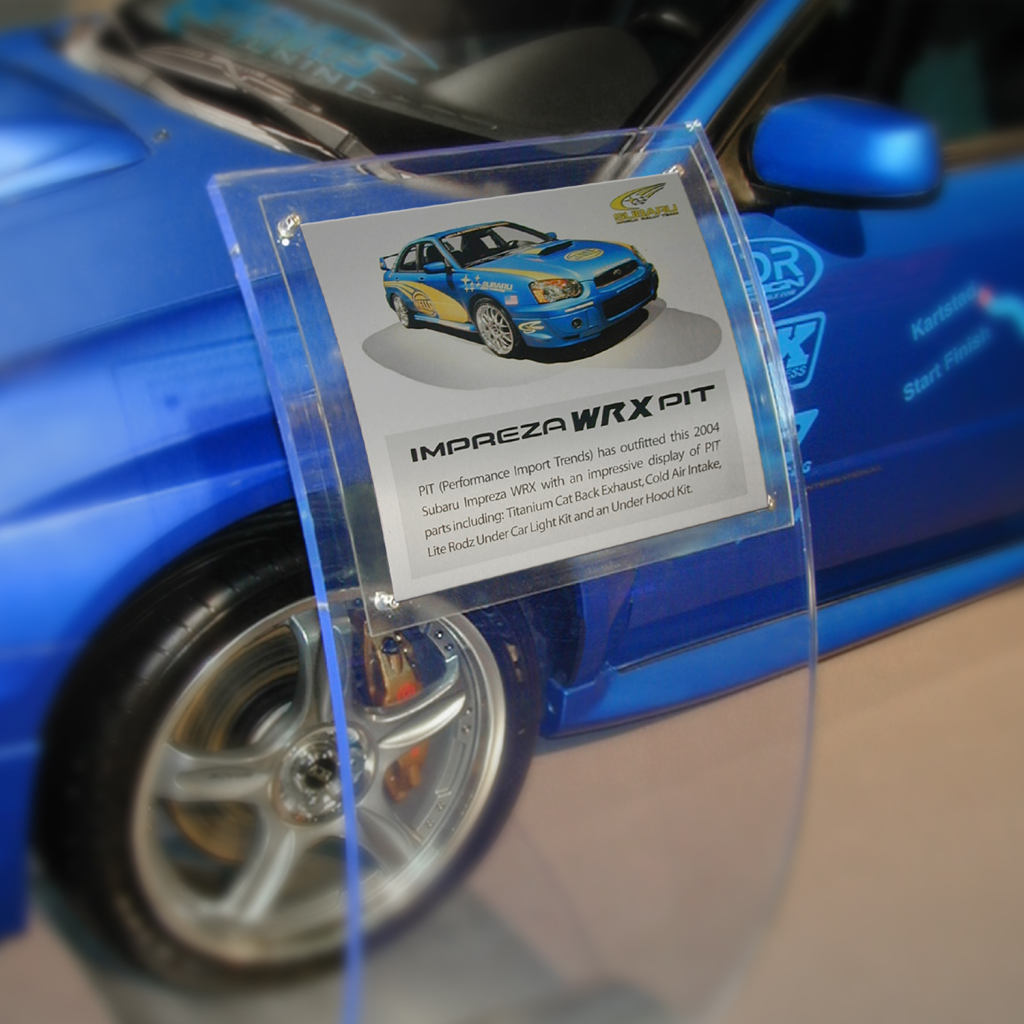
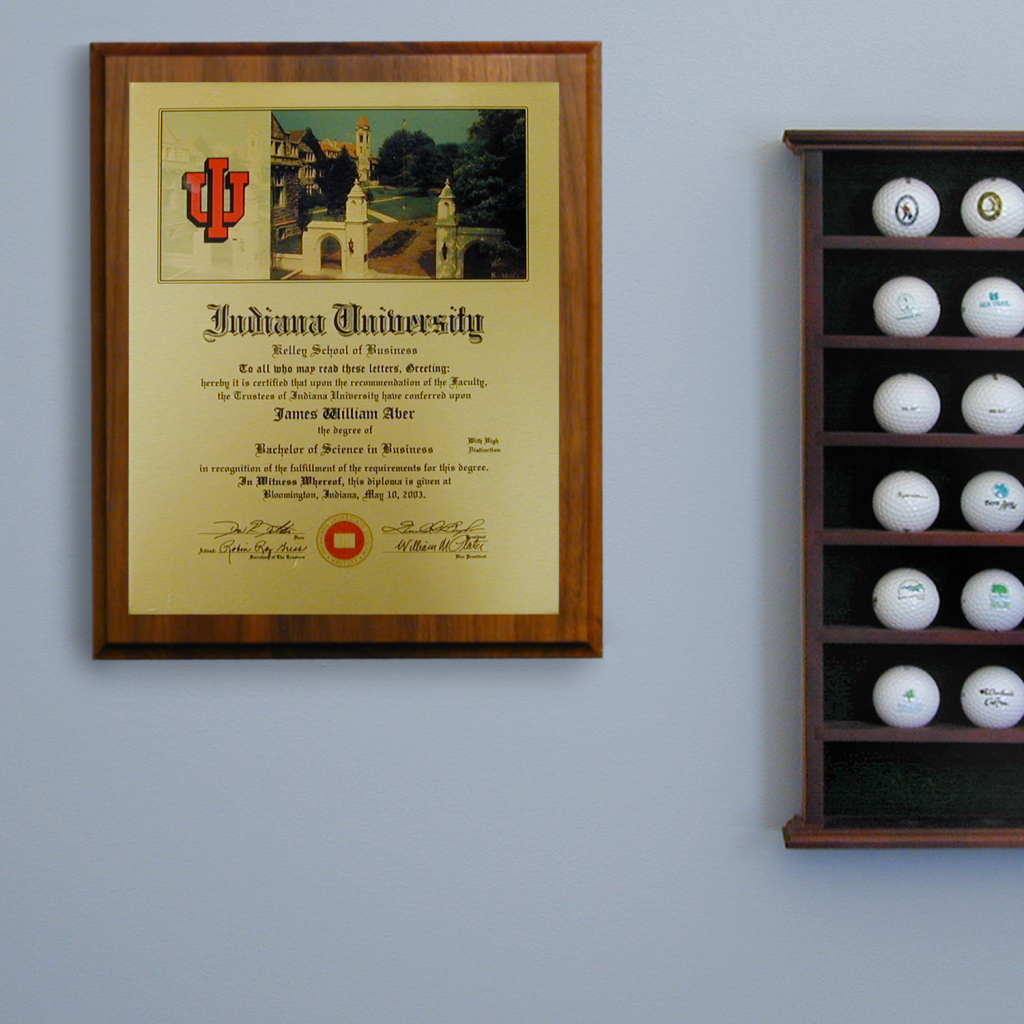
- Prestige & Awards: Award plaques (trophies), diplomas, official certificates, name badges and commemorative plaques.
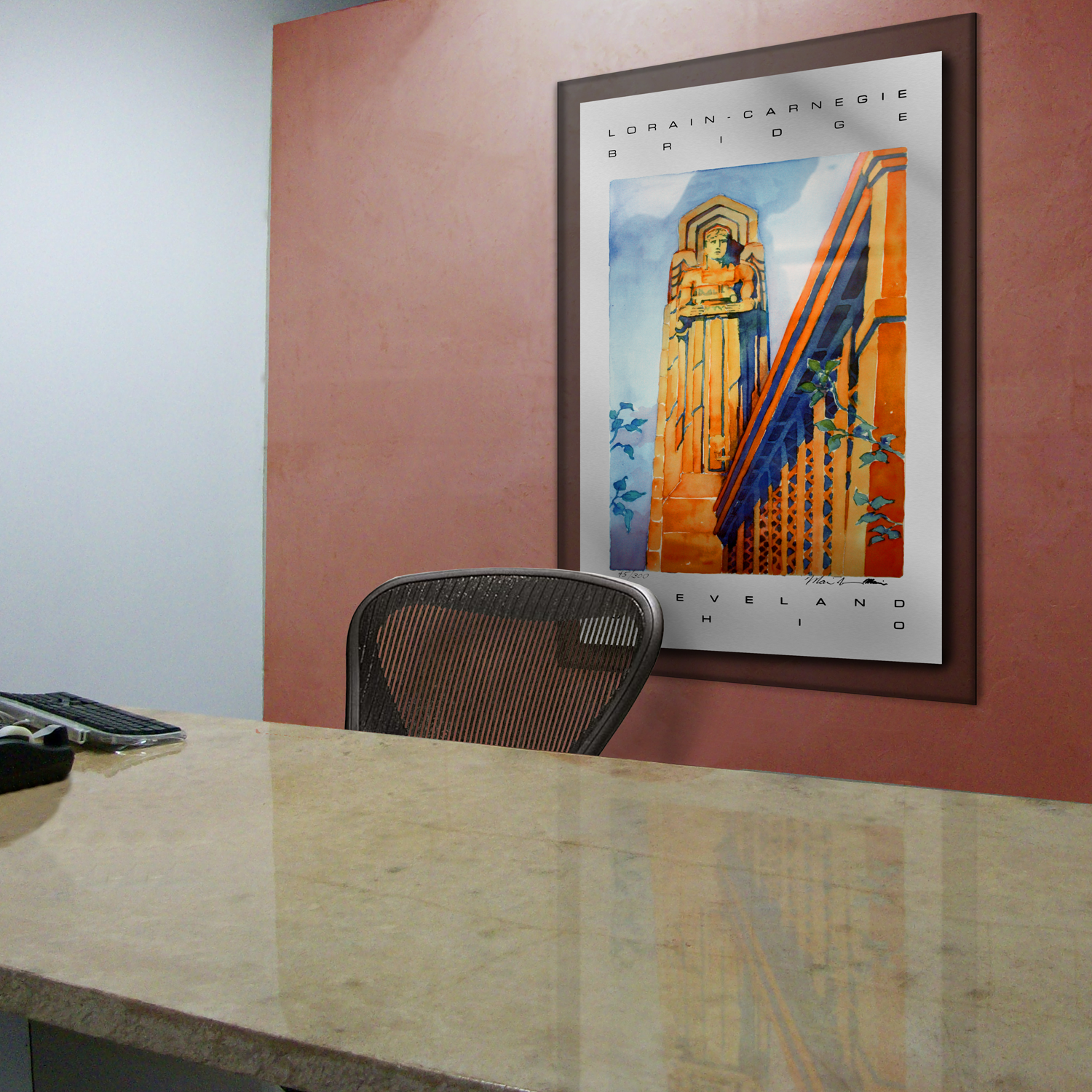
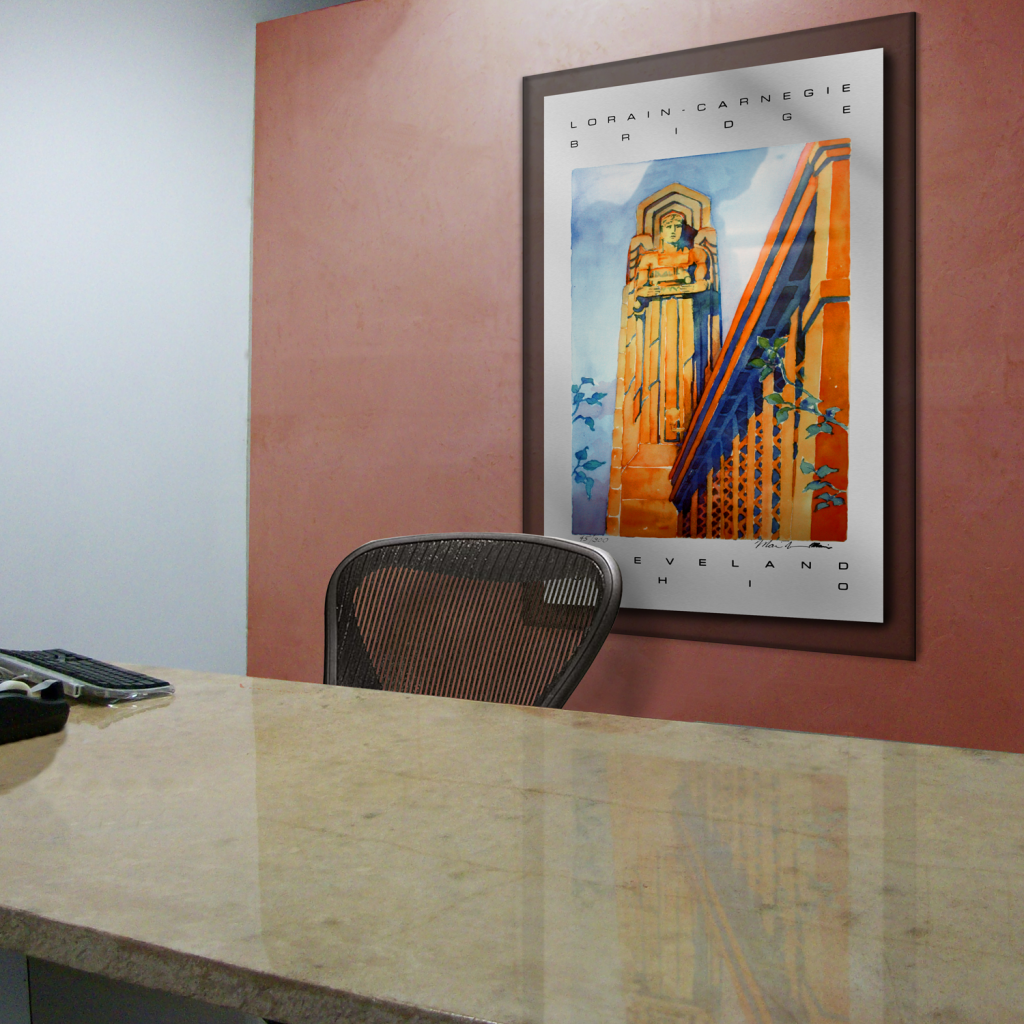
- Communication & Publishing: Reproductions of magazine or newspaper covers, high-definition art photographs and high-end advertising posters.
What type of printer should be used for AlumaJet?
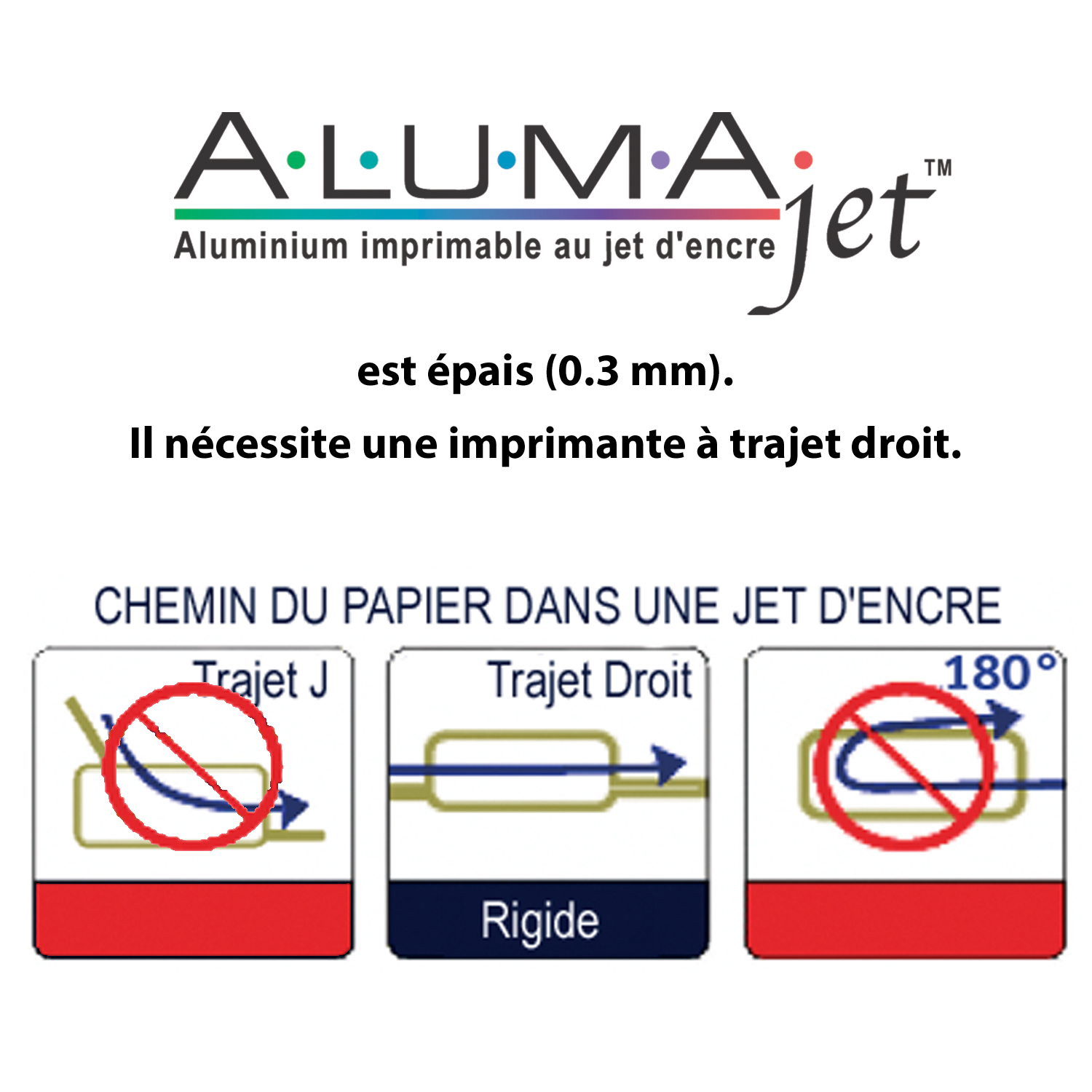
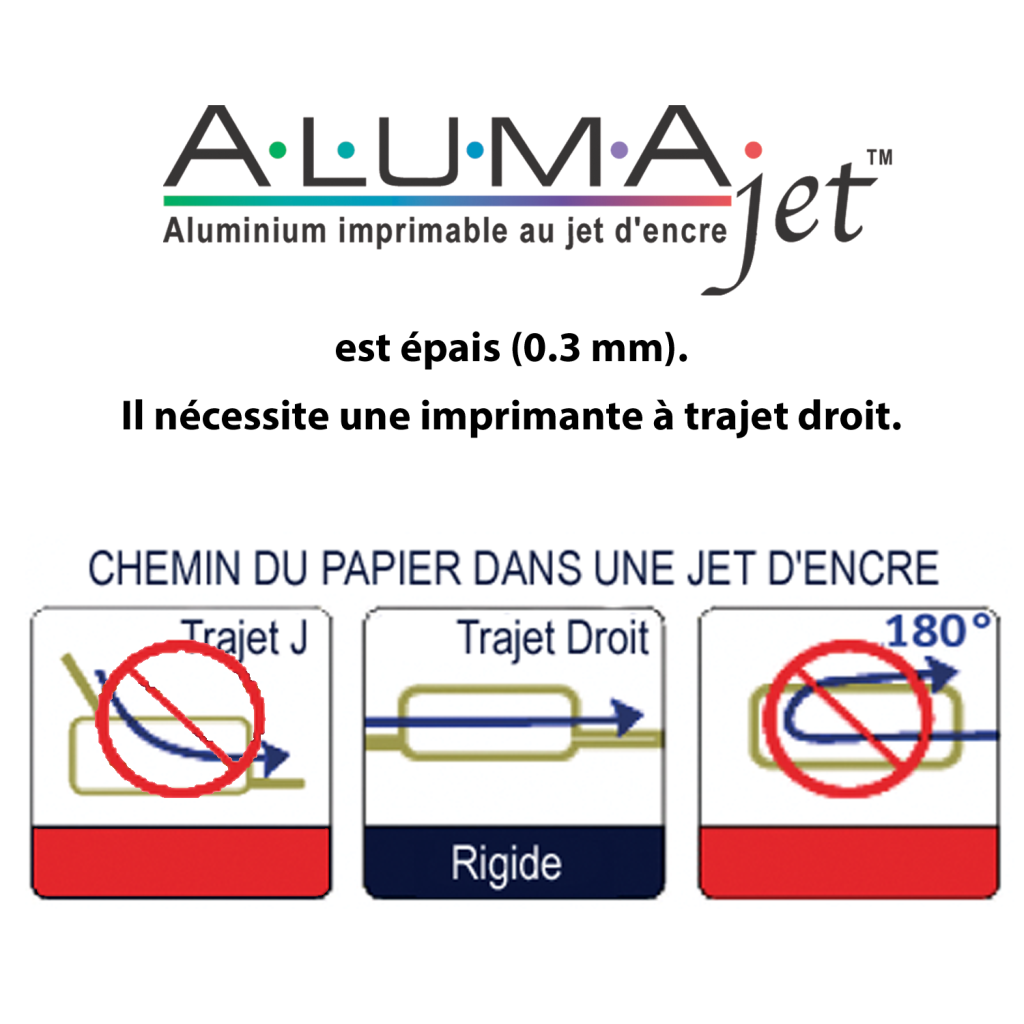
To print on AlumaJet, you must use an inkjet printer (preferably with pigmented inks) whose paper path is adapted to the rigidity of aluminum sheets.r
The choice of printer depends directly on the thickness of the AlumaJet plate you wish to use:
r
Compatible paper paths:
r
r
- r
- Straight Path (Recommended): Sheets are introduced horizontally from the rear and exit flat from the front, without bending. This system is the most versatile: it is compatible with 0.13 mm AlumaJet.
- “J” Path: Sheets are inserted from the top and exit from the front with a slight curve. Due to this flexion, this path is compatible only with thin 0.13 mm AlumaJet.
- 180° Path: The paper makes a complete U-turn inside the machine (often the case for printers with exclusive bottom loading). This path is totally incompatible because aluminum cannot bend.
r
r
r
r
r
r
How to print on AlumaJet?
Printing is as simple as on photo paper, using a standard inkjet printer:
r
r
- r
- Creation: Design your visual (text, logo, photo) using your usual software.
- Loading: Insert the AlumaJet sheet (ensure you choose a thickness compatible with your printer).
- Printing: Configure the driver to the “Photo Paper” setting and start printing.
t
r
t
r
t
r
r
If the plate is exposed outdoors, to UV, or to friction, you must apply a protective film or varnish after drying.
What are the usage precautions for AlumaJet?
Is AlumaJet exclusively intended for indoor use?
No, not exclusively, but indoor use remains its primary purpose.r
r
Primarily designed to offer maximum longevity in an indoor environment, AlumaJet can also be used outdoors provided it is protected with appropriate treatments.r
r
Indoor use (primary purpose):r
It is in this environment that AlumaJet delivers its best performance.r
Printed with high-quality pigment inks, it exhibits excellent long-term stability: visuals retain their brilliance and original colors for many years, even several generations, as they are not directly exposed to climatic aggressions.r
r
Outdoor use (with recommended protection):r
AlumaJet can be installed outdoors, but it requires specific protection to ensure its durability.r
Protective films and suitable varnishes can be applied to create a barrier against outdoor conditions.r
r
The role of this protection:r
- r
- Filter UV rays responsible for ink discoloration thanks to integrated UV inhibitors;
- Reduce the impact of climatic aggressions;
- Preserve the visual’s appearance for longer.
t
r
t
r
t
r
r
Estimated outdoor durability:r
With appropriate protection, the lifespan of the plates is generally 3 to 5 years, or even longer depending on:r
- r
- sun exposure (shade or full sun);
- the orientation of the substrate;
- local climatic conditions.
t
r
t
r
t
r
THERMOFLAN advantages
Over 60 years of experience
Permanent stock
Best quality/price ratio
Technical availability
Ask our experts for advice
How can we help you?