

View all news
Laser engraving, cutting, and marking machines
All our machines of laser engraving and cutting in 3 technologies: CO2, fiber, and UV
Advantages of our CO2, fiber, and UV laser engravers and cutters
Marketing lasers using different technologies such as CO2 laser, fiber laser, and UV laser provides our company with a significant advantage in terms of versatility and performance.
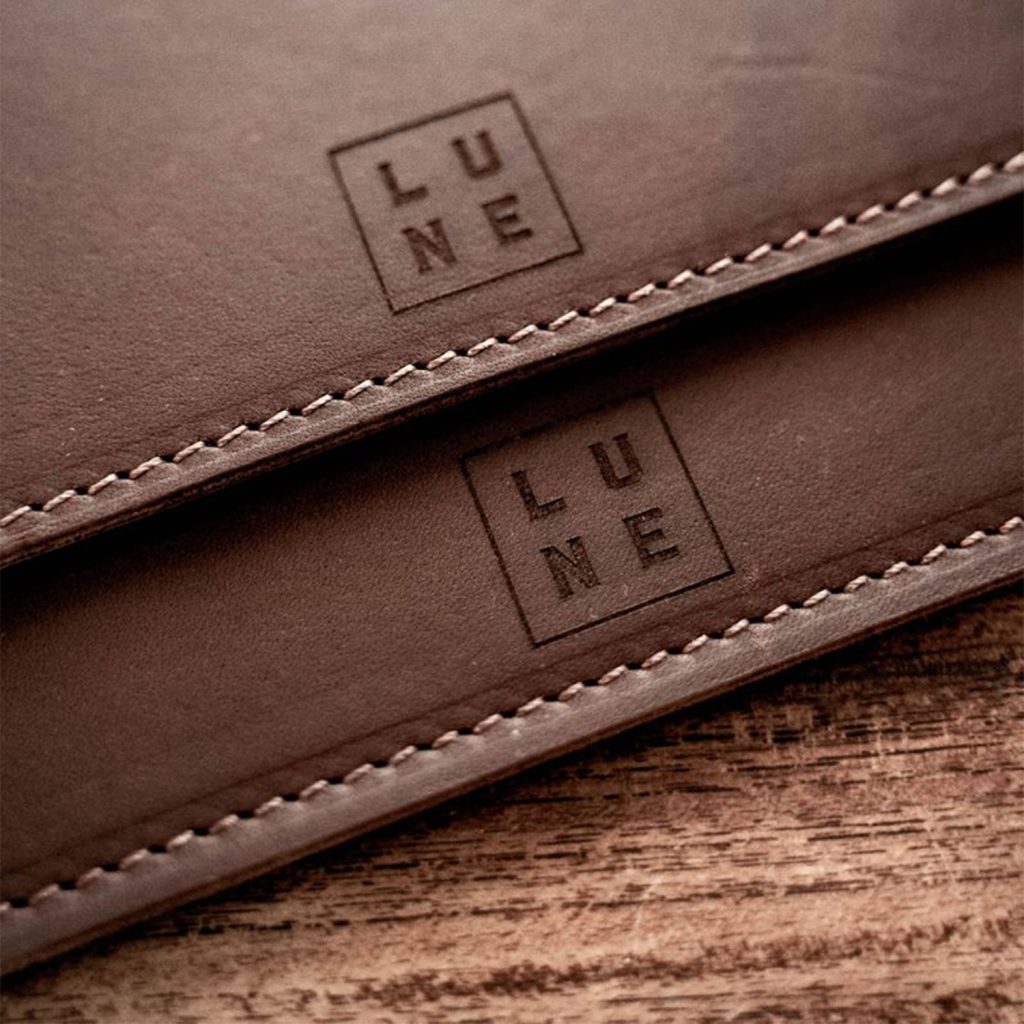
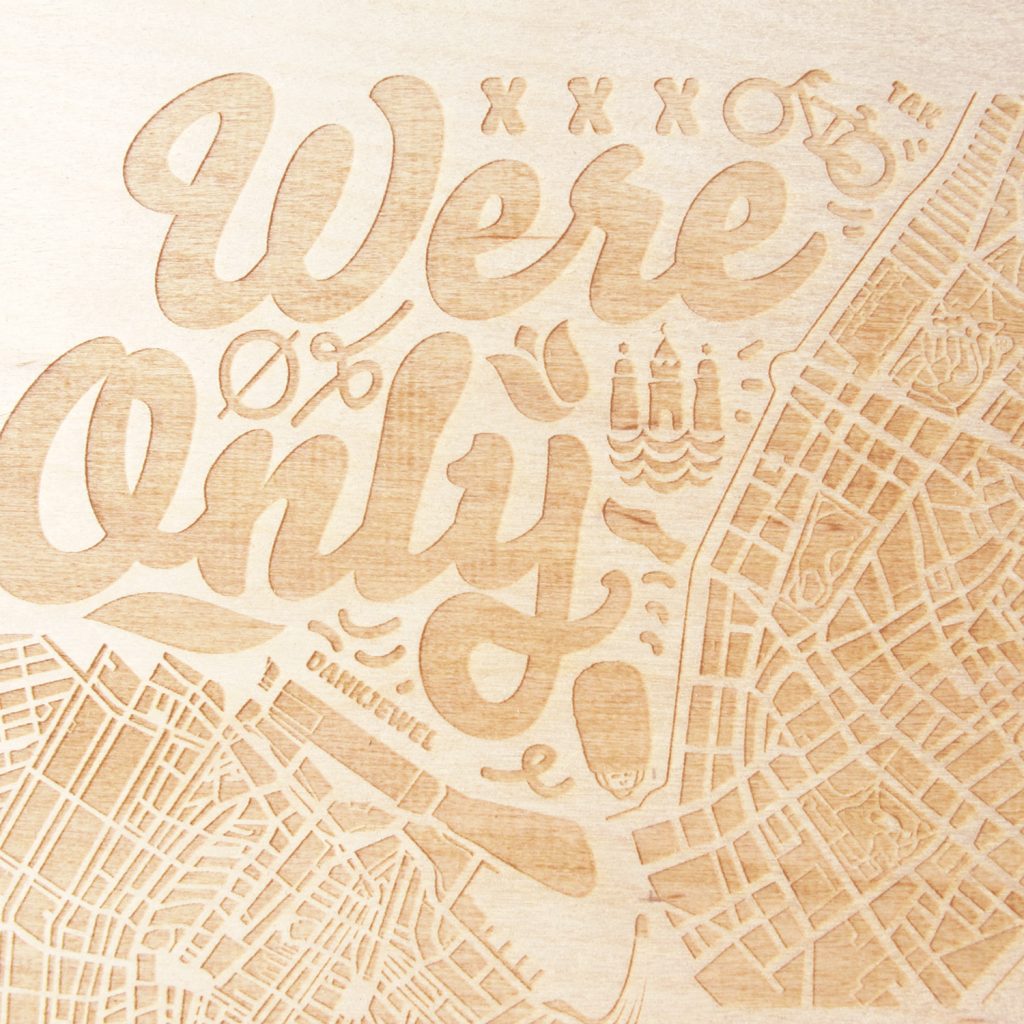
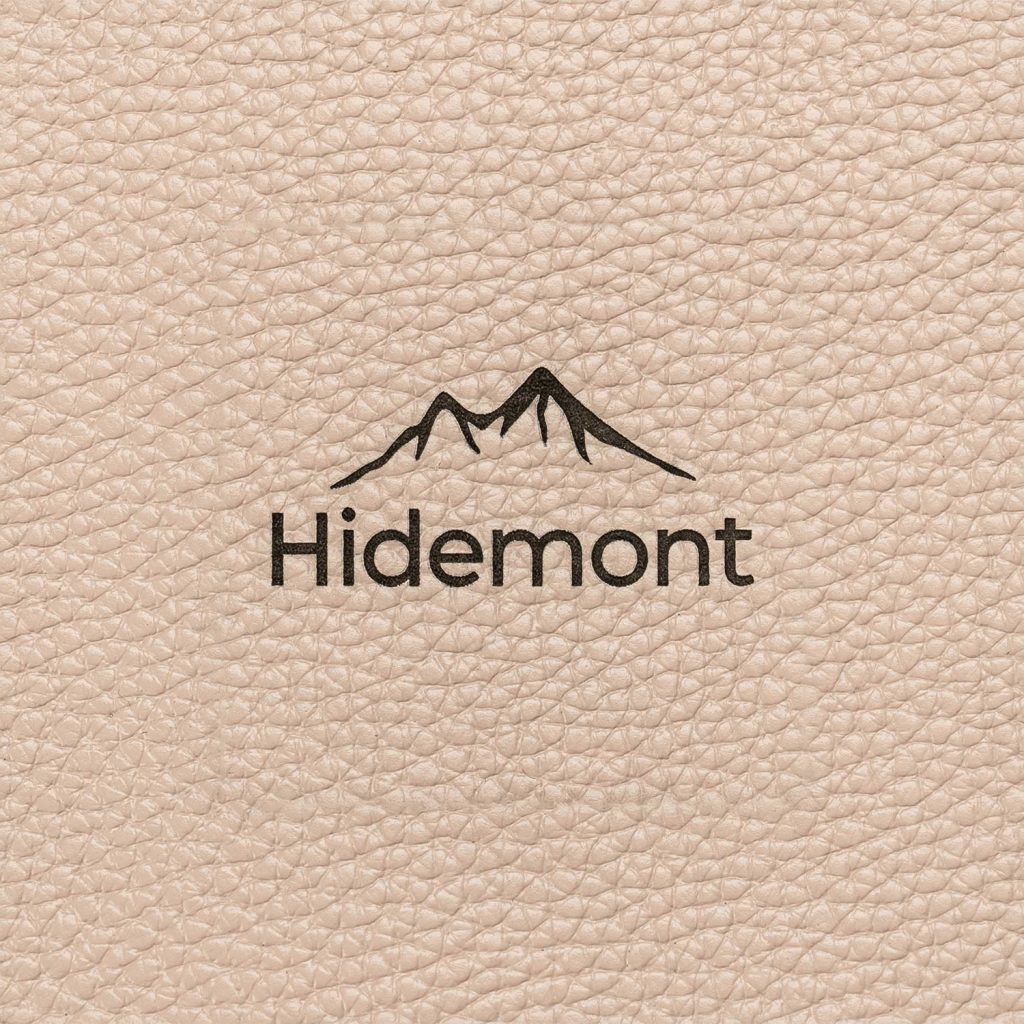
- The CO2 laser is ideal for engraving and cutting organic materials such as wood, leather, glass, or paper. Thanks to its high precision, it allows for fine markings and complex cuts, even on irregular surfaces, ensuring maximum adaptability.
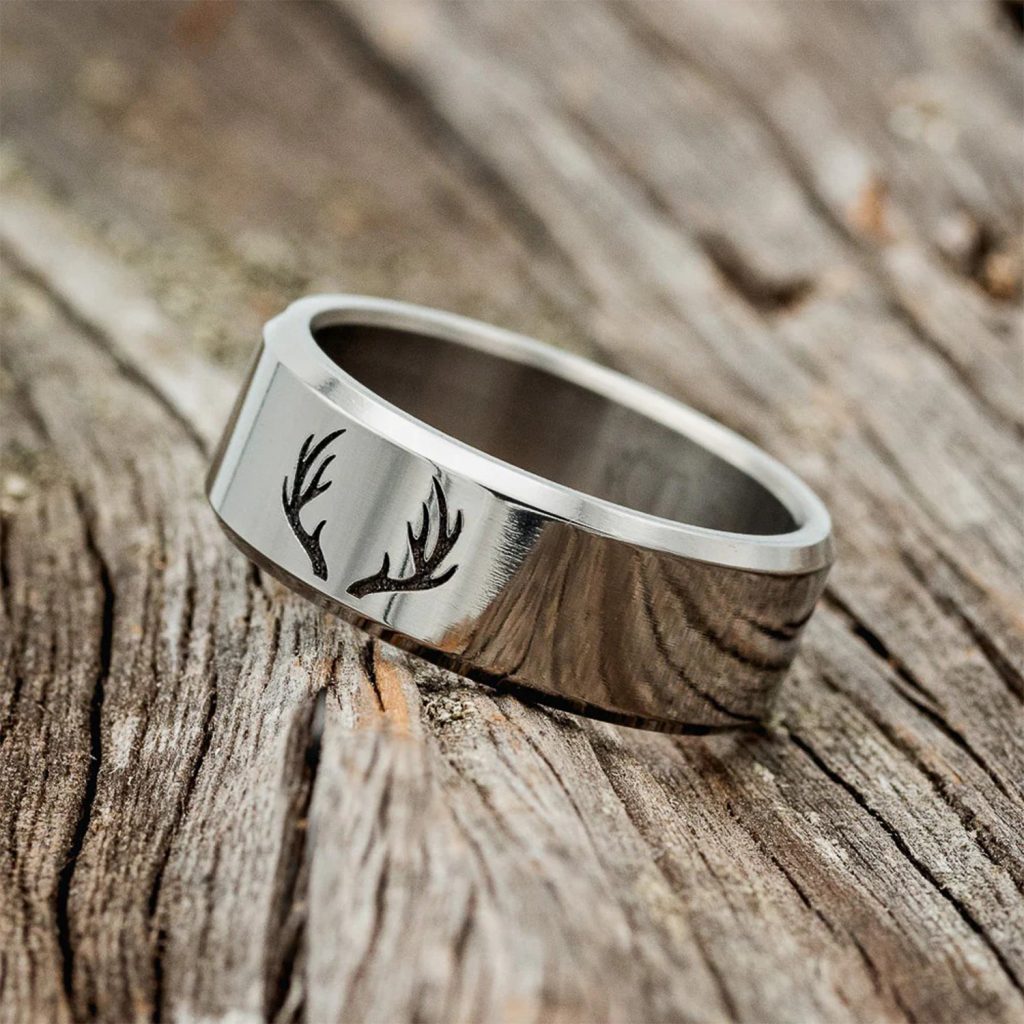
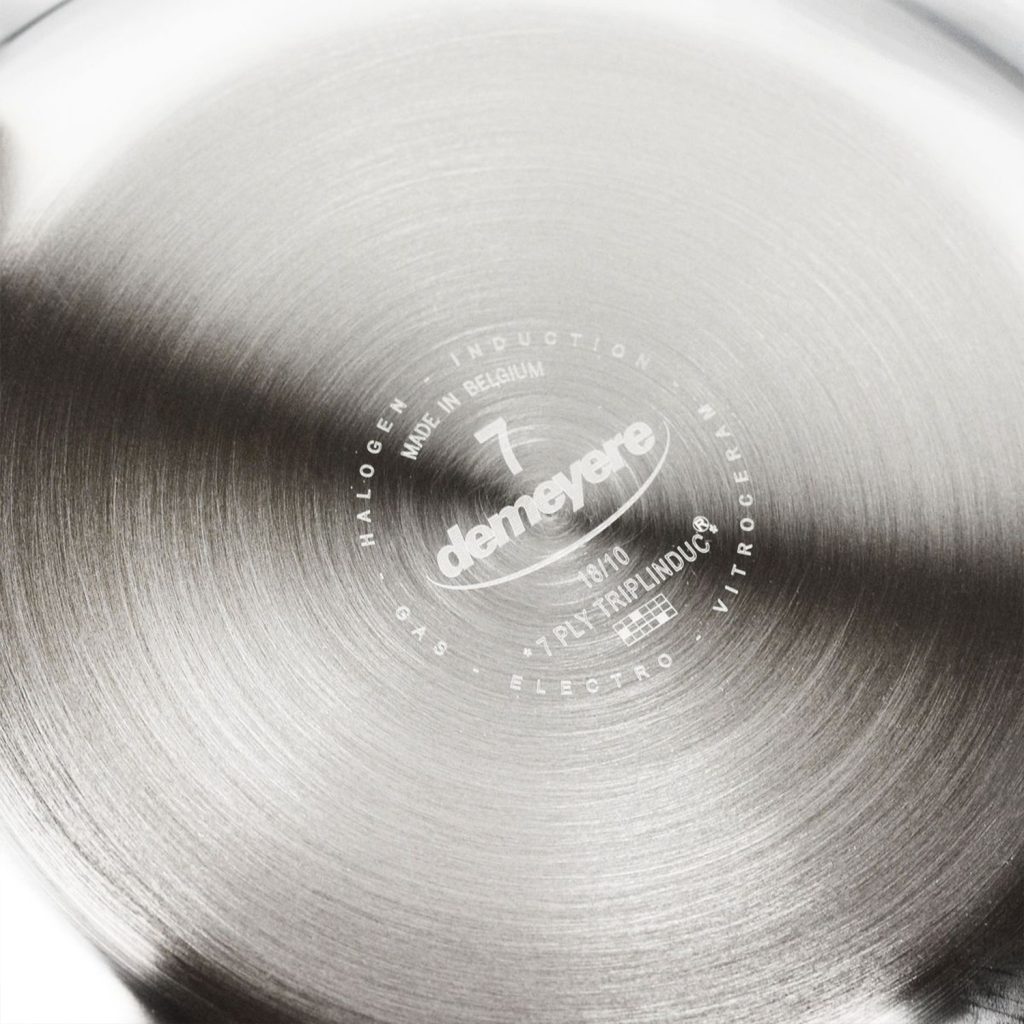
- The fiber laser is particularly effective for marking and engraving on metallic materials, as well as certain technical plastics. It offers exceptional processing speed and marking quality, with highly durable results, even in the most demanding industrial environments.
- The UV laser, using a shorter wavelength, is specially designed for ultra-precise marking on heat-sensitive materials, such as plastics and transparent materials like glass. It is ideal for applications requiring high finesse and high print quality, while minimizing thermal impact on the product.
These 3 technologies allow us to offer customized solutions and meet the varied requirements of our clientele, with unparalleled efficiency in terms of performance, speed, and flexibility.
Our range of laser engraving, cutting, and marking machines: CO2, fiber, and UV.
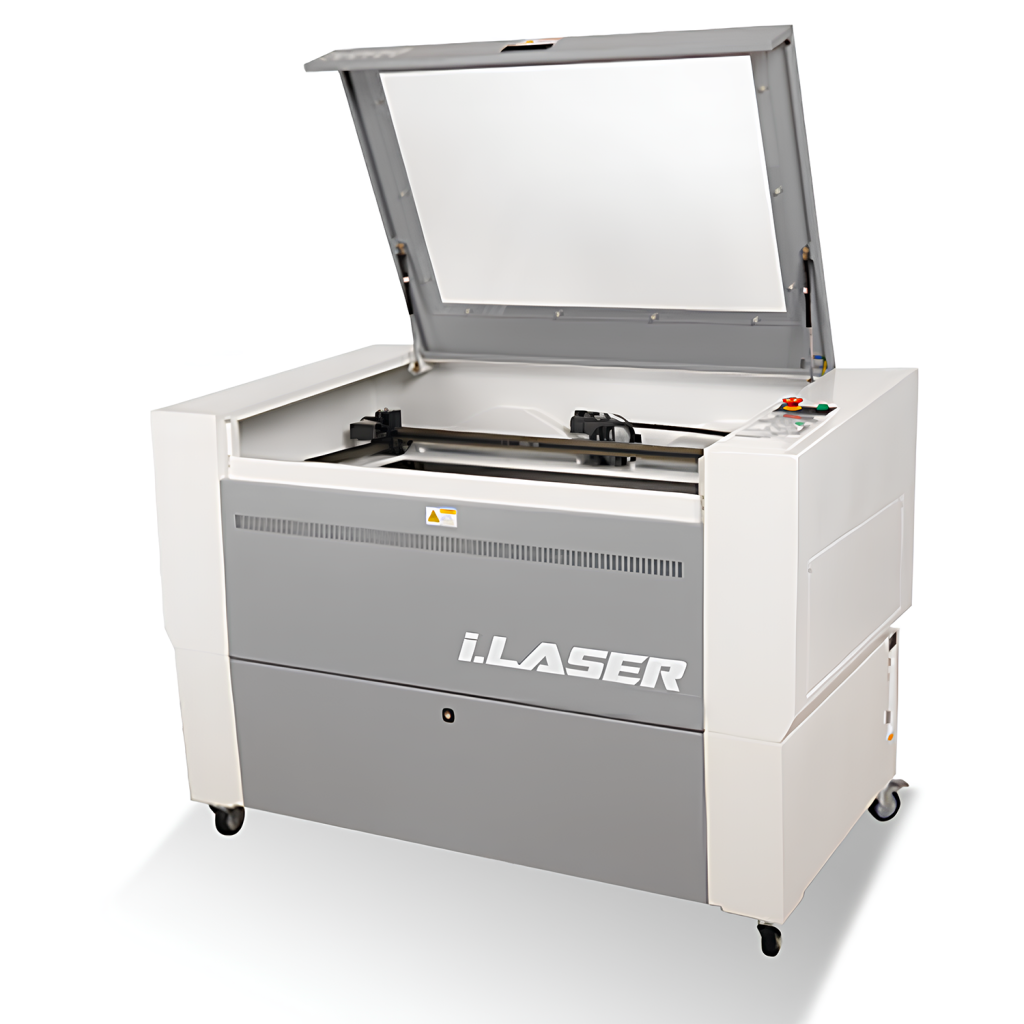

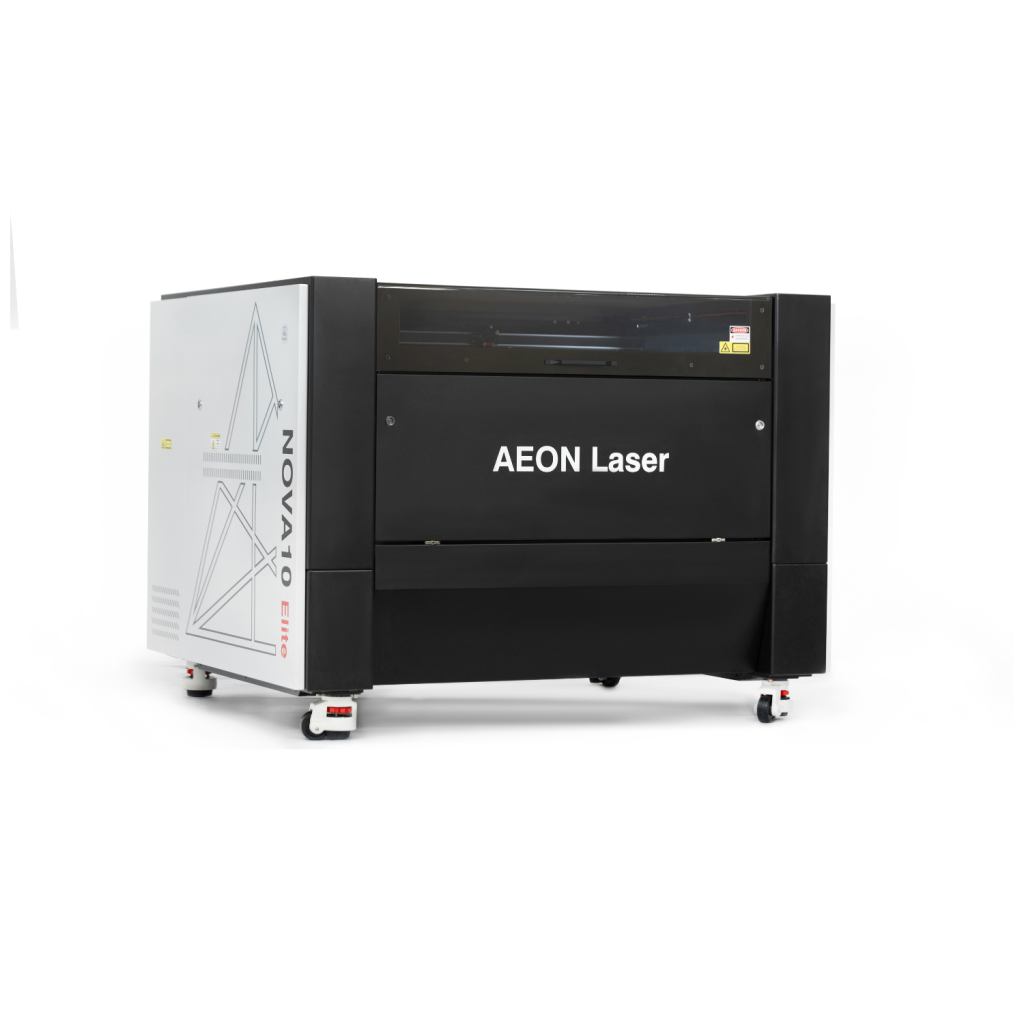
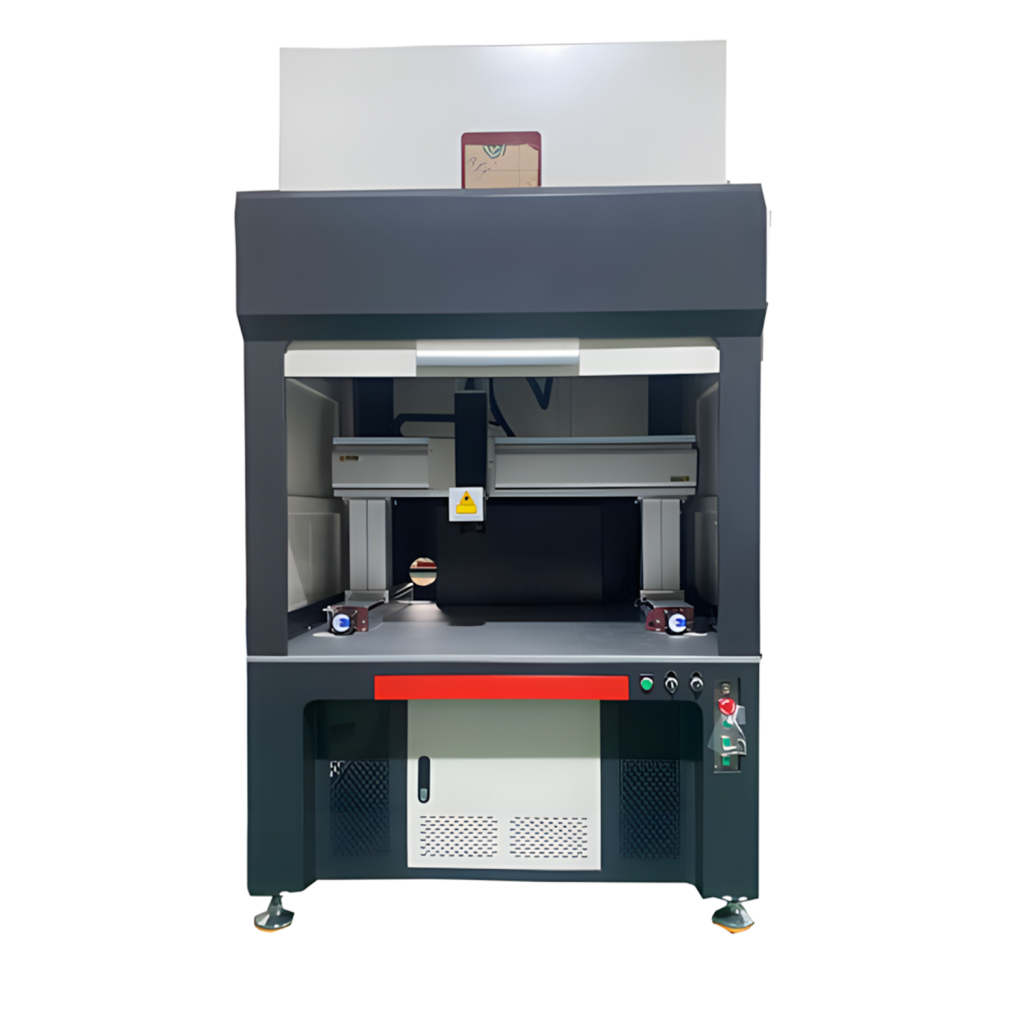

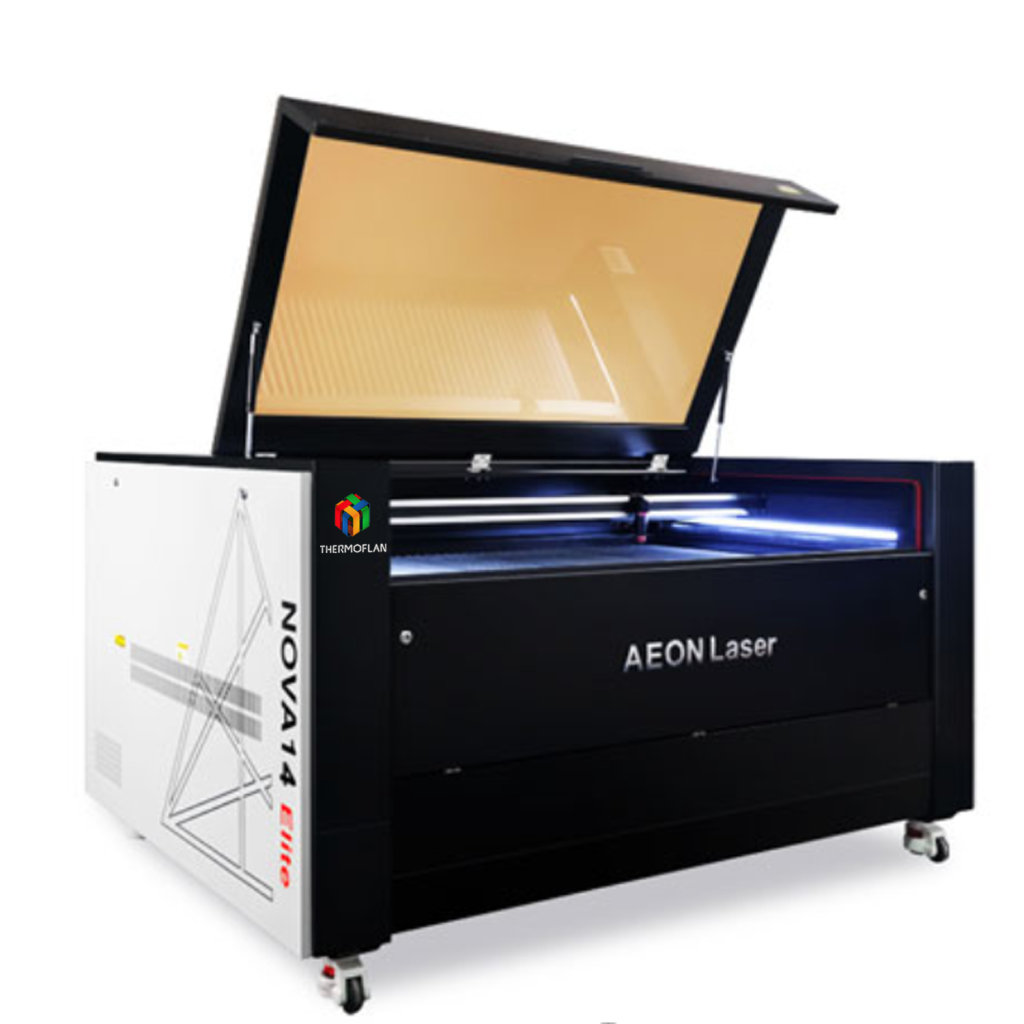


How does a laser engraver or cutter: CO2, fiber, and UV work?
CO2 Laser:
- The CO2 laser uses a special gas (primarily carbon dioxide) that is excited by electricity. This creates light that can engrave, mark, or cut various materials.
- This type of laser is widely used for materials such as wood, plexiglass, leather, cardboard, etc.
- It is particularly effective for working on non-metallic materials.
Fiber Laser:
- The fiber laser uses an optical fiber (like a very thin cable) to direct the light. This light is produced by a small laser that excites the elements inside the fiber.
- This type of laser is excellent for marking metals such as steel, aluminum, precious metals, and certain plastics.
- It is very precise and powerful, which allows for highly detailed work on metallic materials.
UV (Ultraviolet) Laser:
- The UV laser produces light with a very short wavelength, meaning it can process materials very finely and precisely.
- This laser is used for very fine cutting and engraving on delicate materials like glass and ceramic. It can also be used for electronic applications.
- It allows working with sensitive materials without damaging them, thanks to its precision.
Laser marking

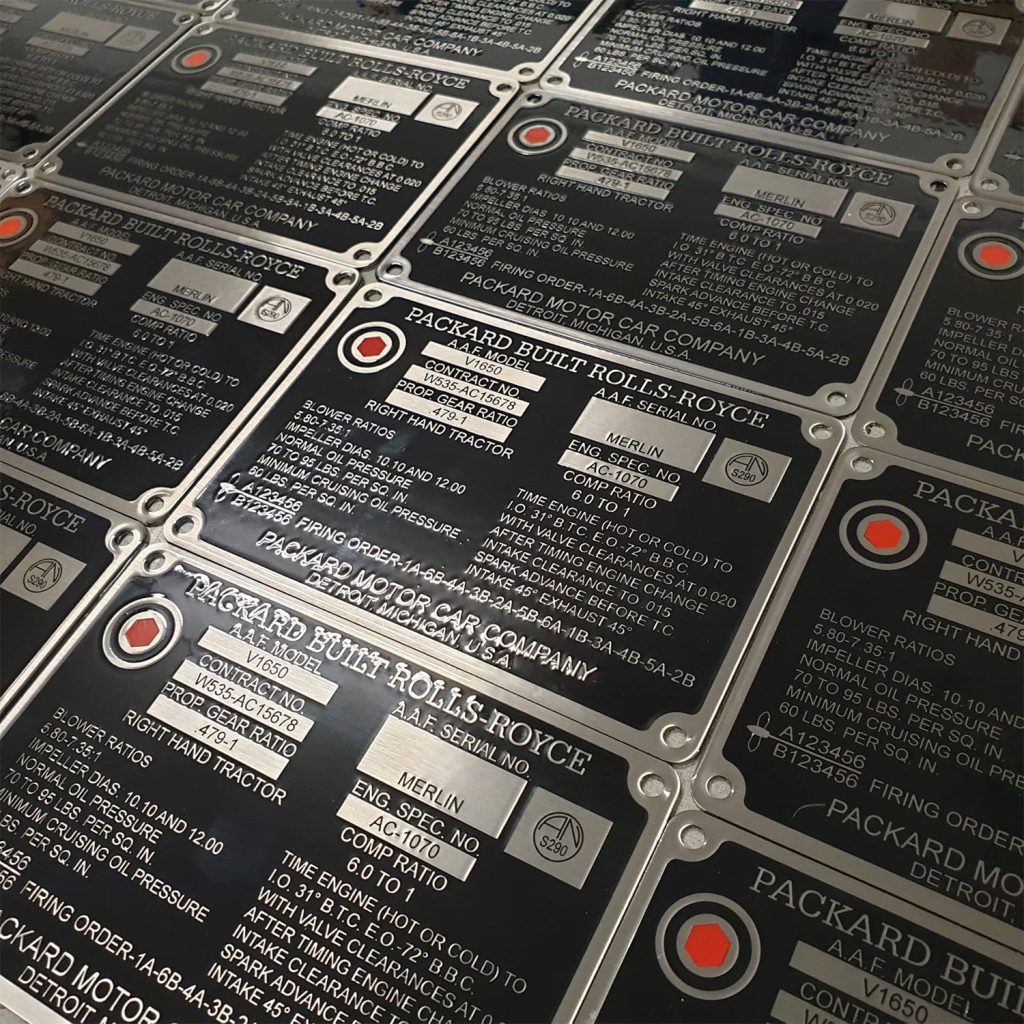
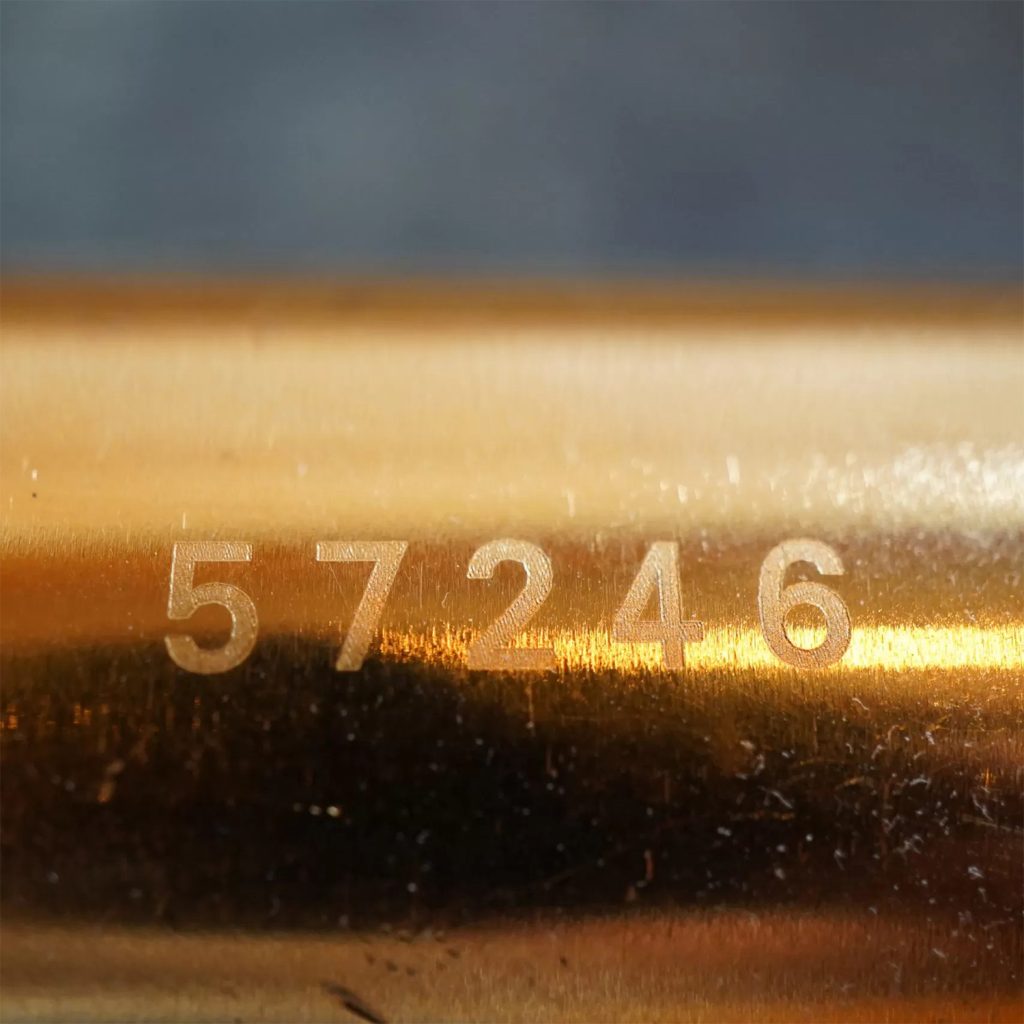
This technique consists of burning the surface of the material, causing carbonization that creates a visual contrast between the original color and the one obtained after marking. This method is often used to ensure part traceability, increment serial numbers, or add references.
Laser engraving

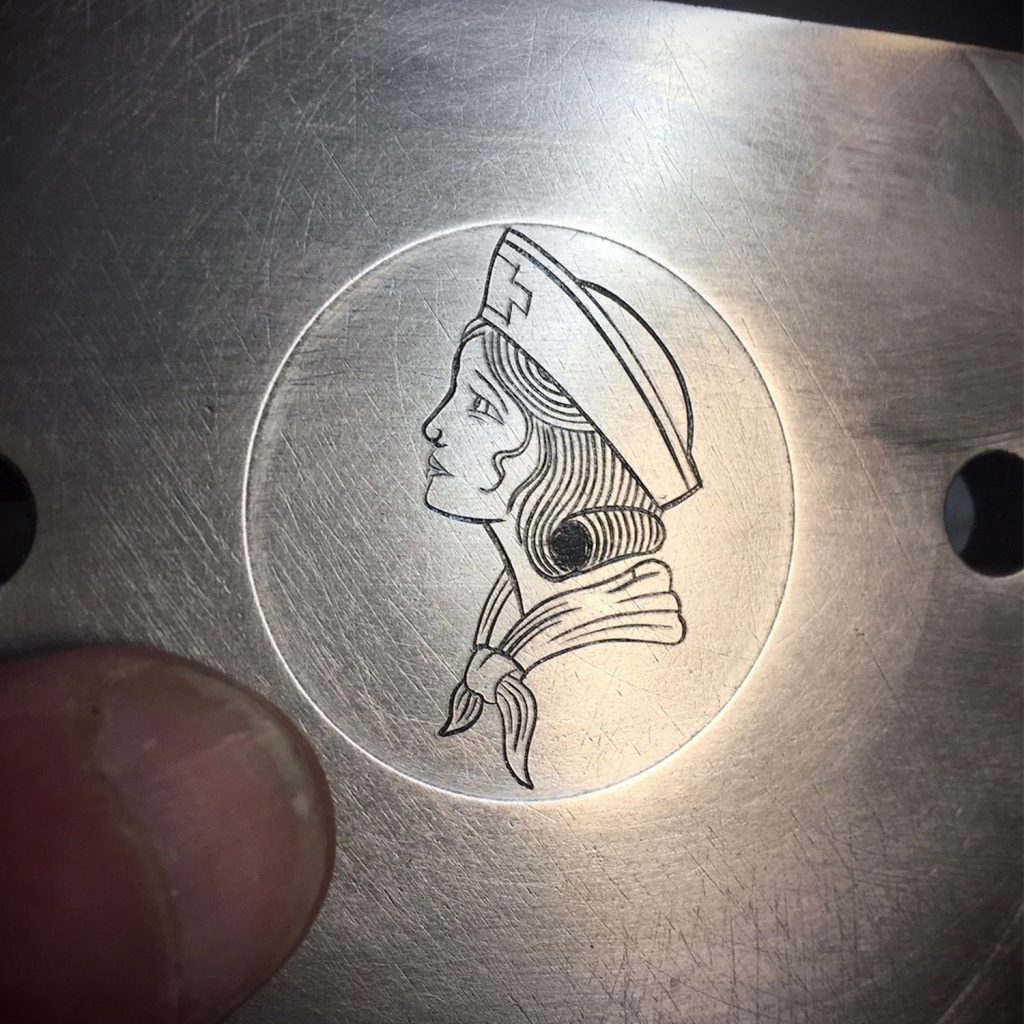
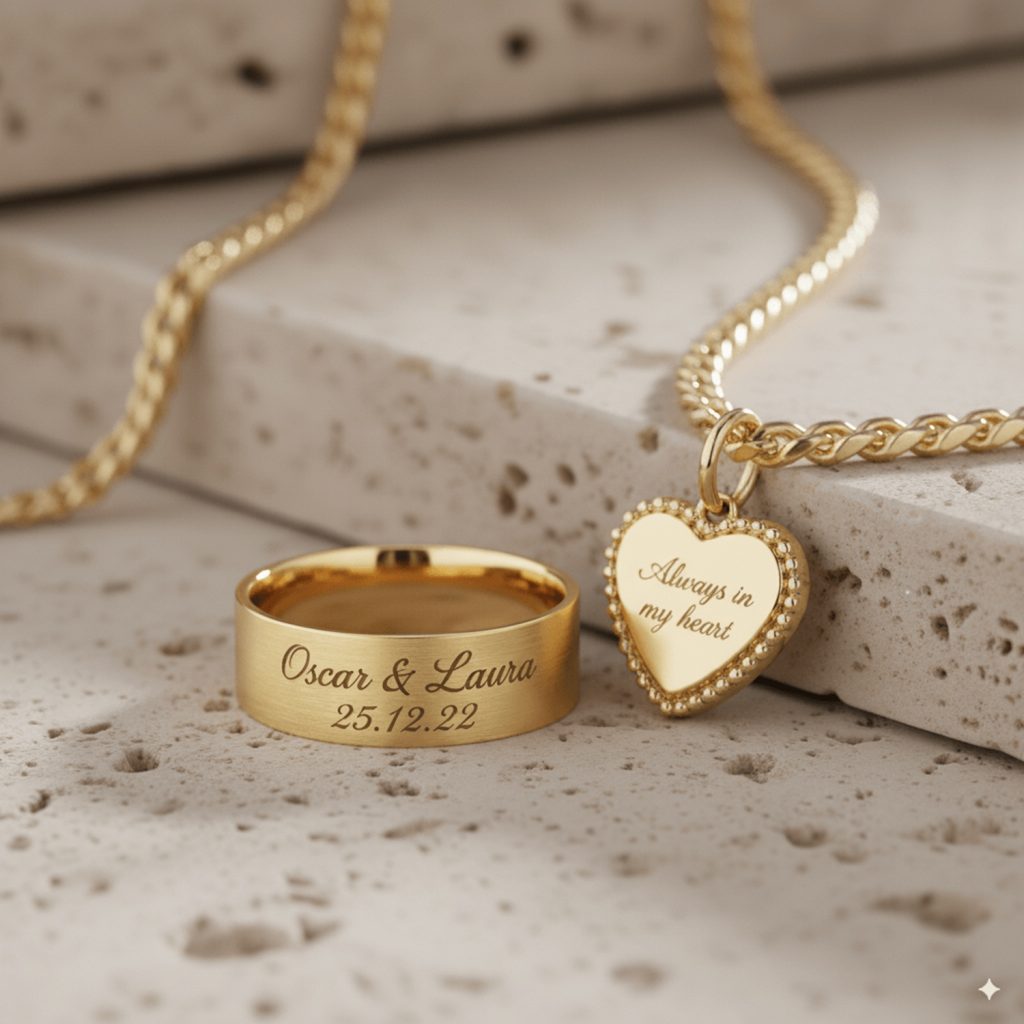
In this process, the laser carves into the surface of the material, removing a thin layer to form a pattern. This allows for detailed engravings on plates or other surfaces, offering precise and durable personalization.
Laser cutting

Laser cutting involves completely piercing the material with a very fine laser beam (about 100 microns). This technique offers high precision and superior cutting quality for various applications such as model making, cutting gaskets, or paper for invitations….
Application examples

Art, Craft & Creation

Jewelry & Watchmaking

Wedding & Events
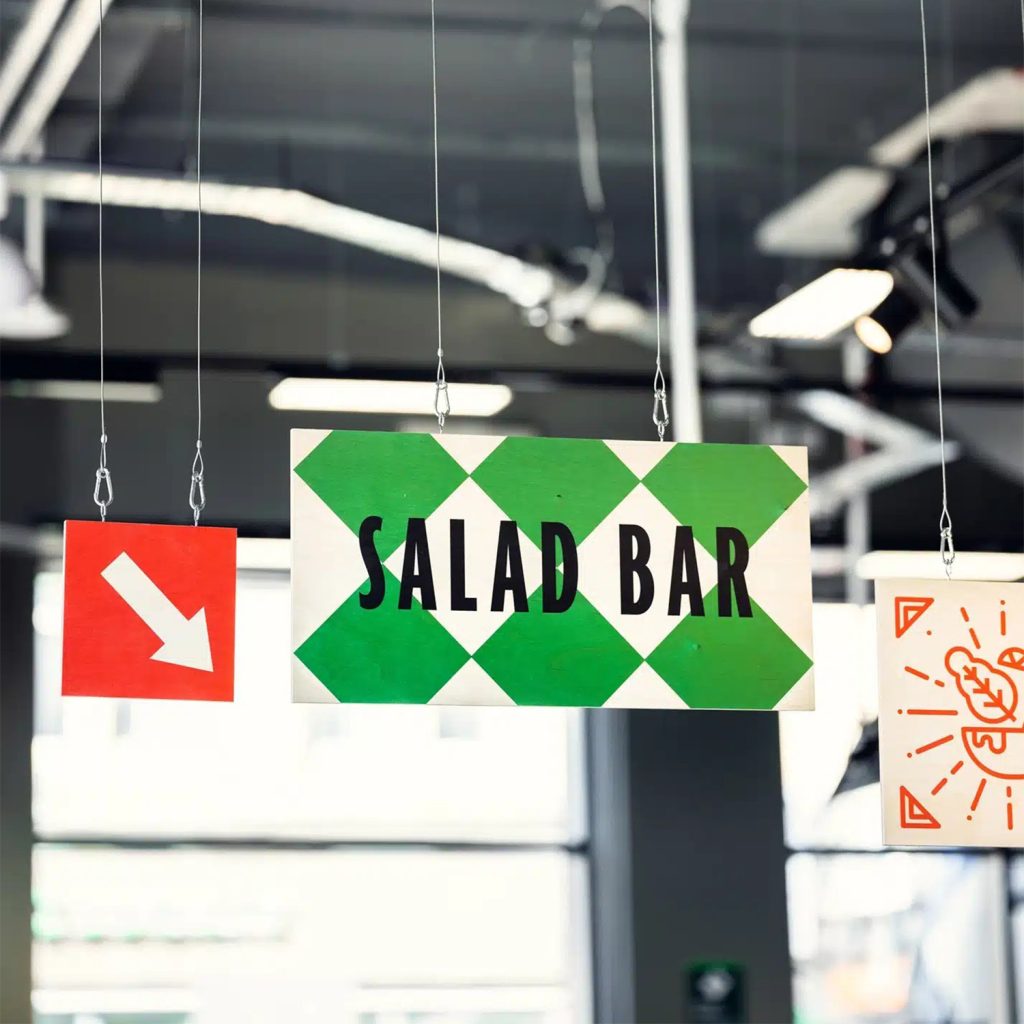
Communication & Signage

Electronics & Technology

Optics & Eyewear
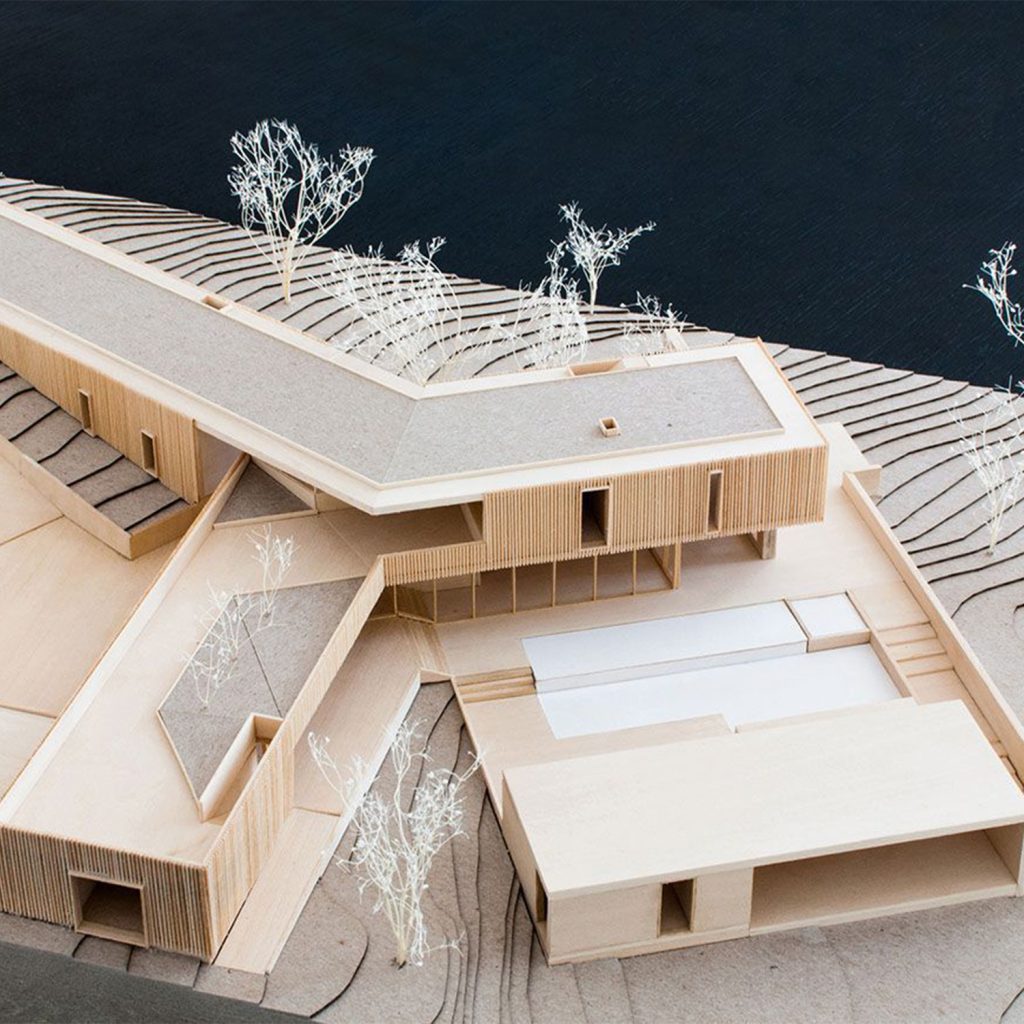
Architecture & Layout

Packaging
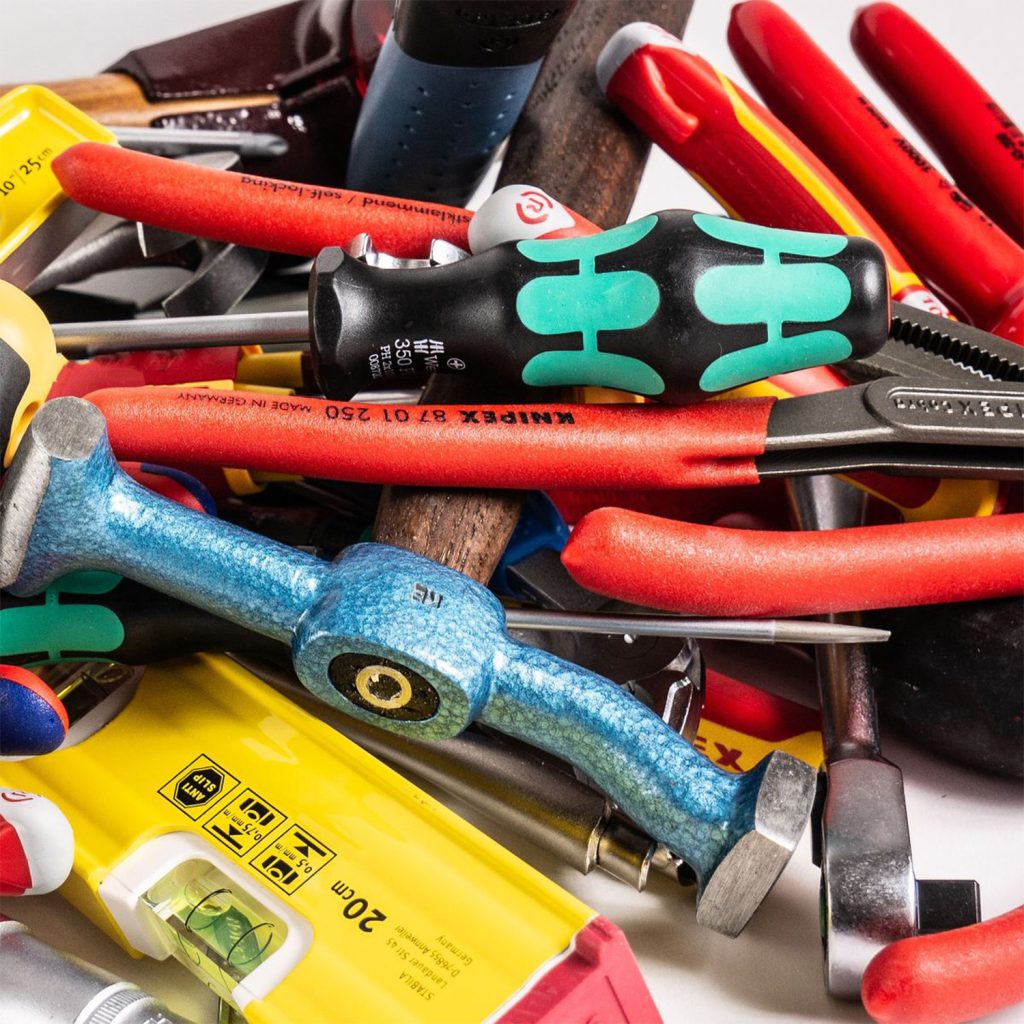
Industry, Tools & Metalworking

Wellness & Cosmetics

Recreational & Educational
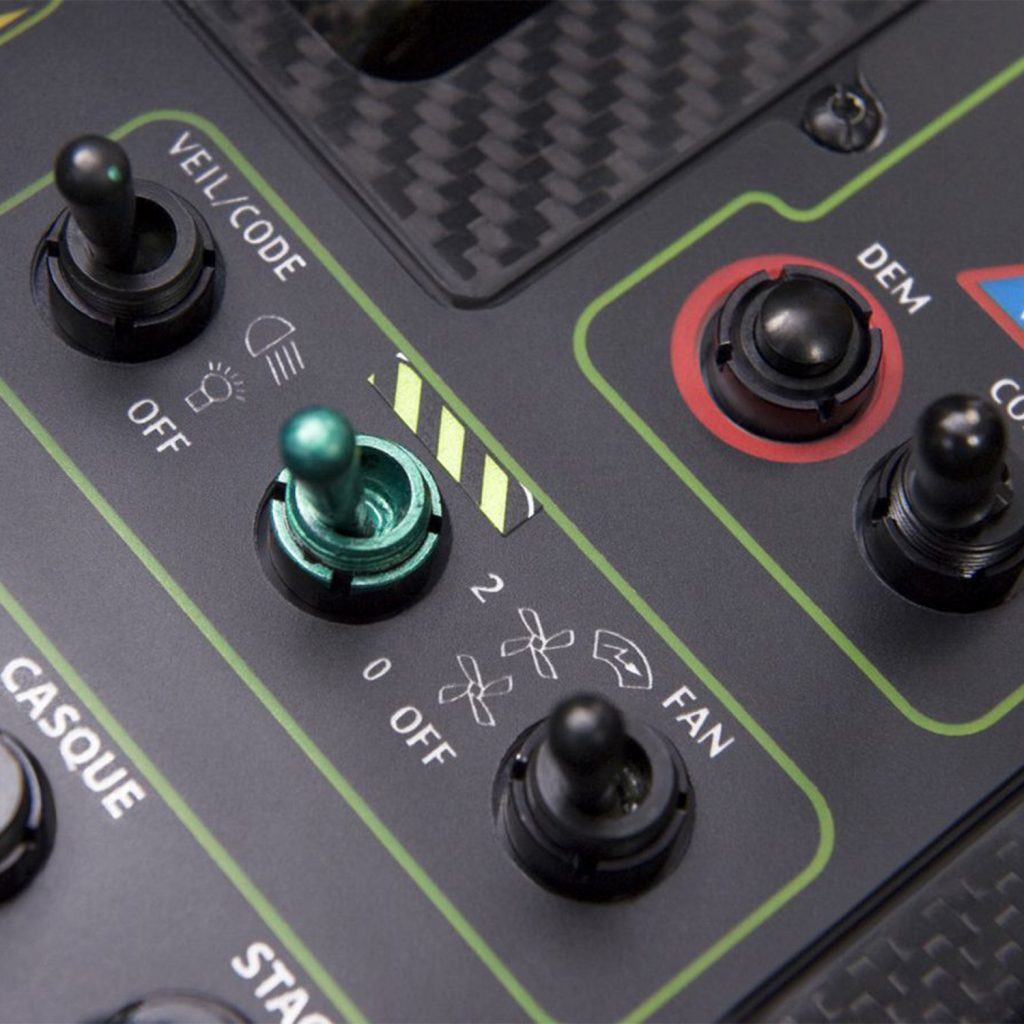
Automotive, Military & Aeronautics

Knives & Weapons

Funeral & Tribute

Goodies & Promotional items

Home & Decoration

Nature, Sport & Leisure
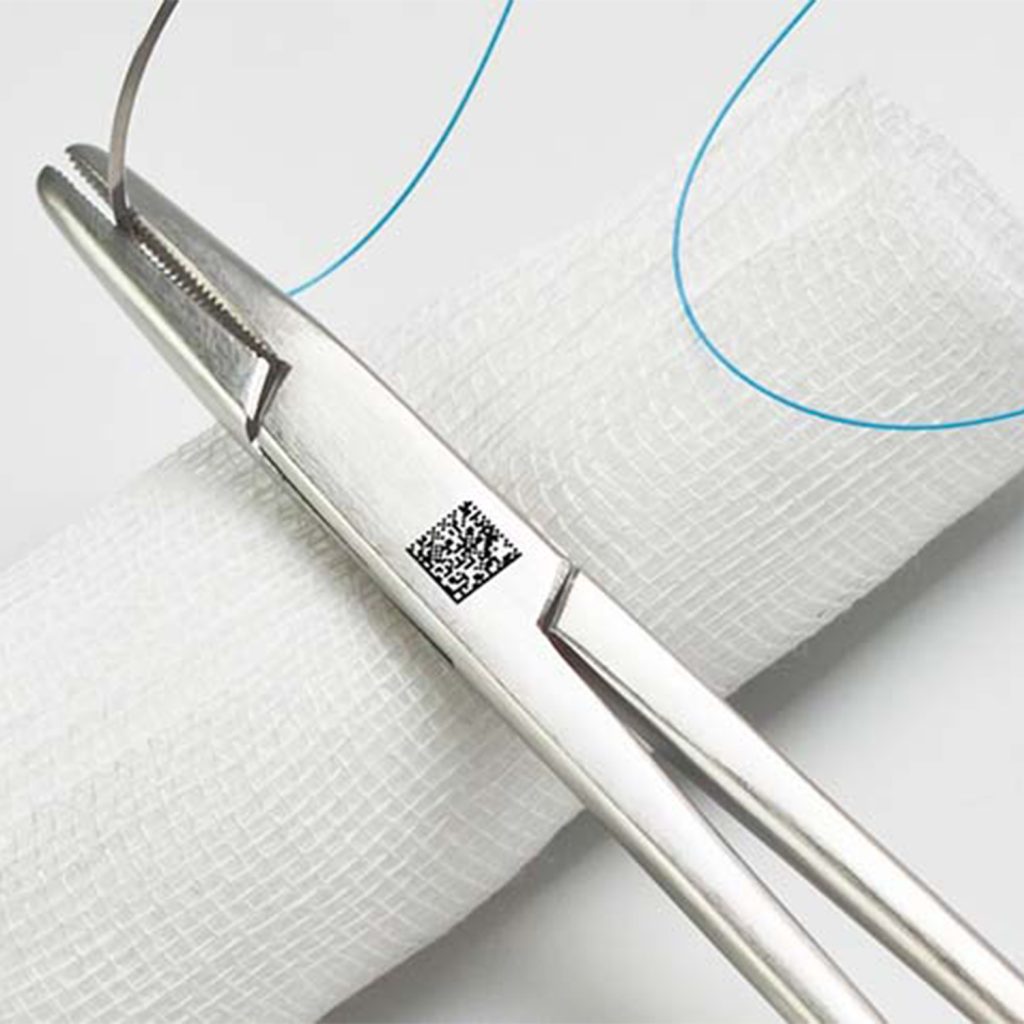
Healthcare, Medical & Laboratory
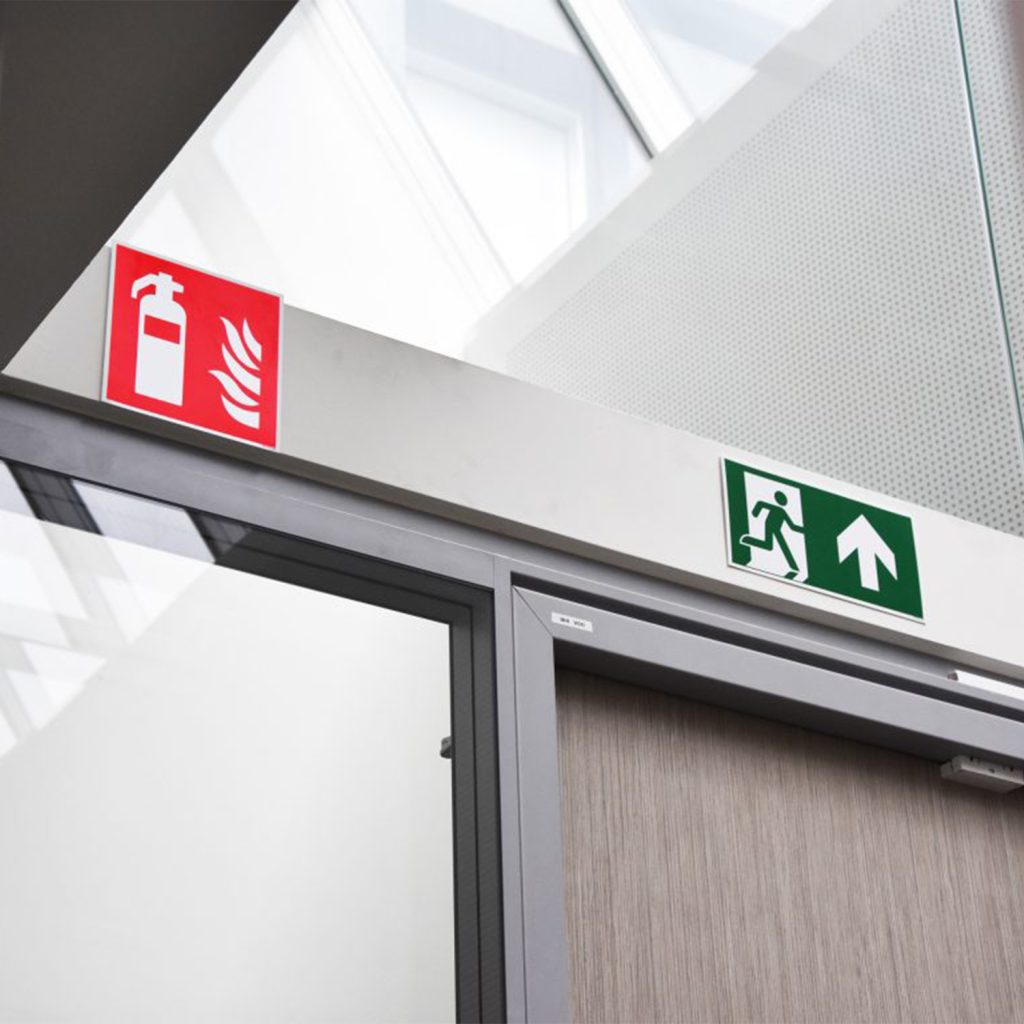
Security, Access & Identification

Textile, Fashion & Accessories